

B2B Demand Generation: A Data-First Guide for 2026
A RevOps lead we know ran a three-tool bake-off last quarter. The "best" database created 4,000 duplicate contacts in Salesforce in five days. The cheapest one had better phone connect rates - and generated more pipeline in 30 days than the expensive platform did in 90. That's the state of B2B demand generation right now: the teams winning aren't the ones with the biggest budgets. They're the ones with the cleanest data.
What You Actually Need
Three things move pipeline in 2026:
Get on the Day One shortlist before buyers evaluate. 95% of the time, the winning vendor is already on the buyer's shortlist before they talk to a single rep. If you're not shaping preference early, you're competing for the 5%.
Fix your data before scaling outbound. Bad emails destroy domain reputation. Bad phone numbers waste rep hours. Practitioners on r/b2bmarketing consistently report cold email reply rates around 2% - and most of that floor is a data problem, not a messaging problem.
Measure pipeline created, not MQLs. The teams that report meetings held and opportunities generated get budget. The teams that report lead volume get cut.
Here's the thing most demand gen consultants won't tell you: demand gen is a data problem disguised as a content problem. Most teams pour resources into content, webinars, and paid media - then route the resulting leads through a database full of stale emails and wrong numbers. The content was never the bottleneck. The data was.
What Is B2B Demand Generation?
B2B demand generation is the full-spectrum effort to create awareness, build preference, and drive qualified pipeline. It's not a single channel or tactic. It's the system that makes buyers want to talk to you before they know they're in a buying cycle.
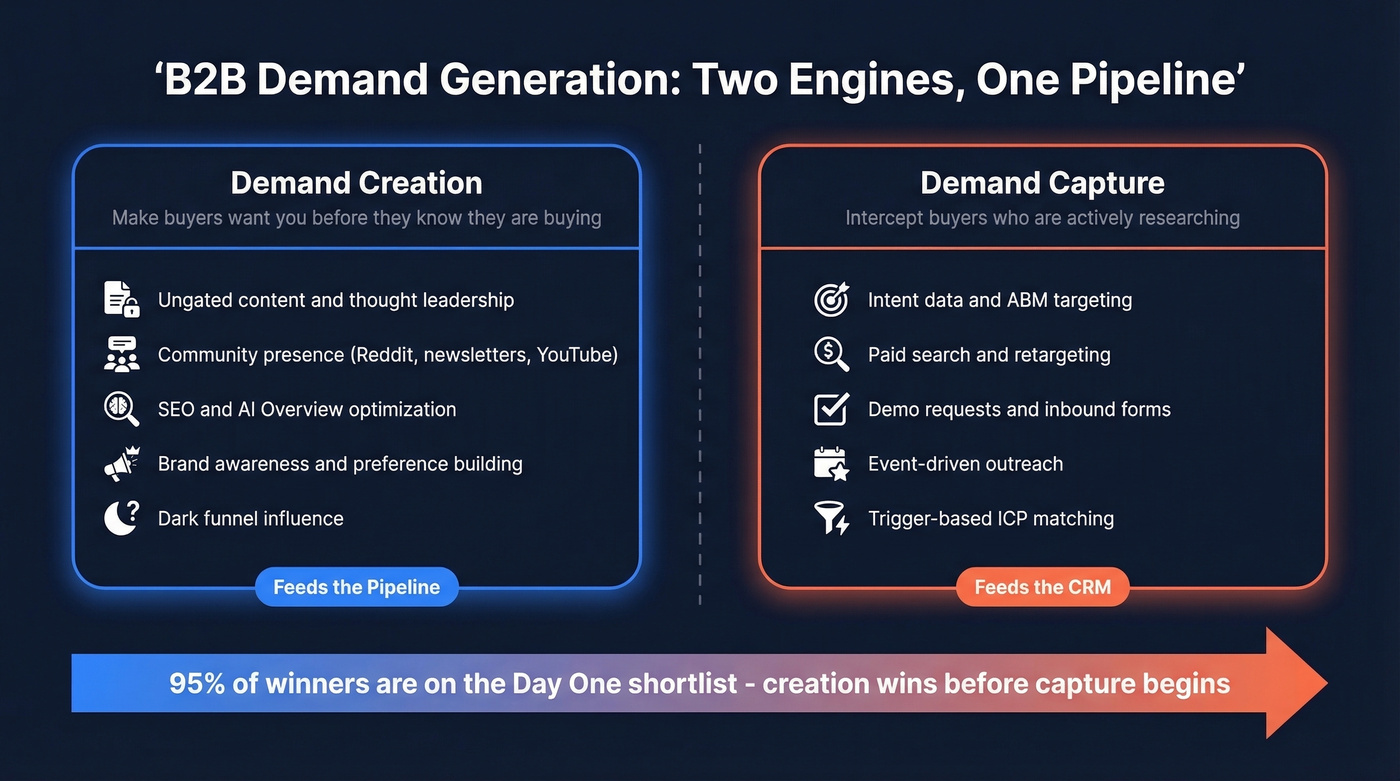
The distinction that matters: demand generation creates demand. Lead generation captures it. Lead gen feeds the CRM. Demand gen feeds the pipeline.
Demand creation means making people aware of a problem they didn't know they had, or positioning your solution as the obvious choice for a problem they're already solving badly. Demand capture means intercepting buyers who are actively looking - through intent data, paid search, demo requests, and inbound forms.
The market reflects how seriously companies take this split. The demand gen market is projected to reach $8.35B by 2028, and 36% of total marketing spend now goes to lead generation activities. For a $50M company spending 10% on marketing, that's $1.8M going to lead gen alone - the largest single investment most B2B marketing teams make.
The 2026 B2B Buyer
The buyer you're selling to in 2026 is fundamentally different from the buyer of even two years ago.
Compressed Buying Cycles
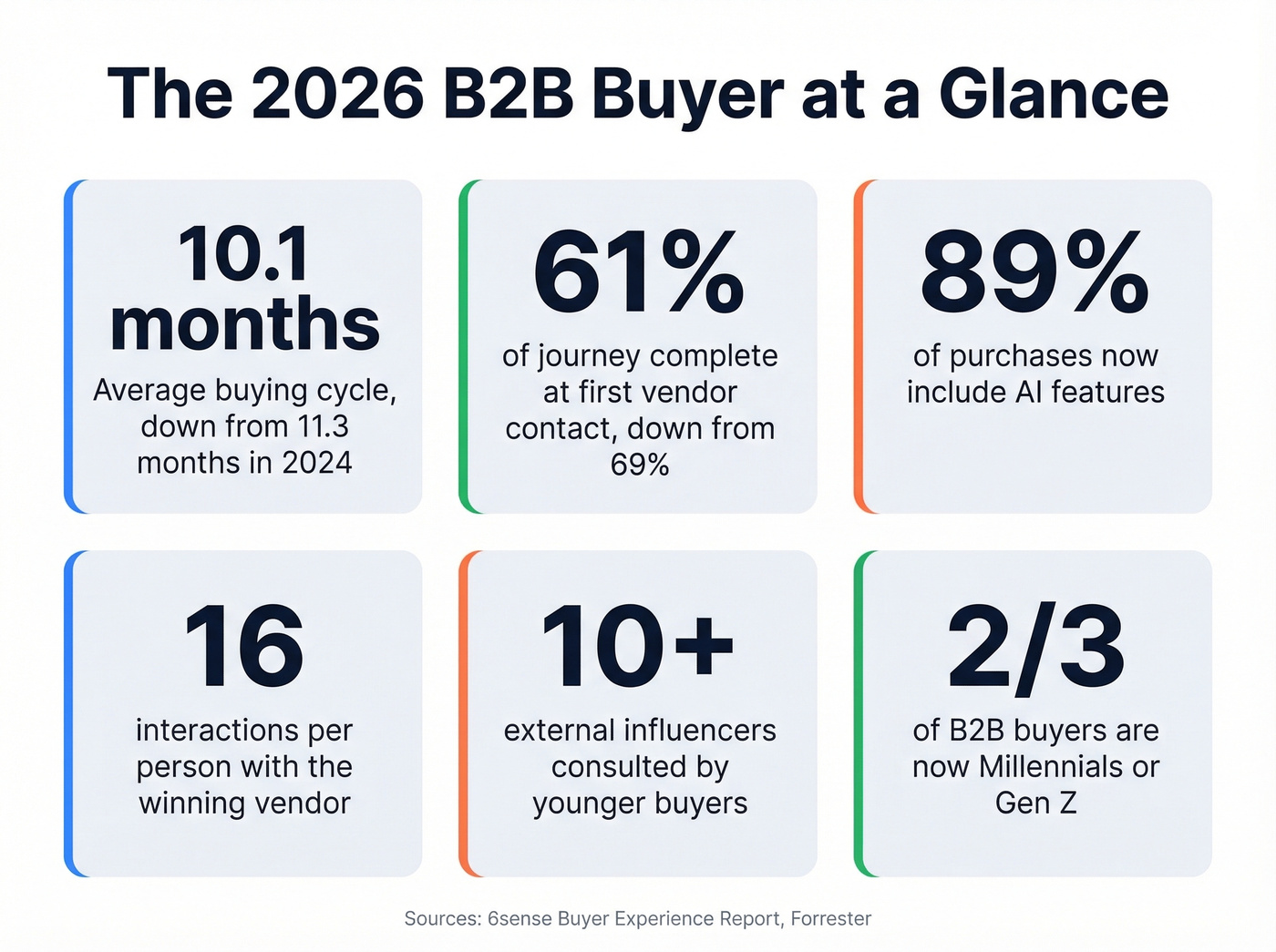
The average B2B buying cycle dropped from 11.3 months in 2024 to 10.1 months in 2025, and economic pressure keeps accelerating that trend. Nearly half of buyers said economic anxiety shortened their timelines, and 62% engaged sellers earlier than planned because of it.
Earlier First Contact
Buyers now reach out to vendors at 61% of their buying journey, compared to 69% a year prior - roughly 6-7 weeks earlier. The balance has shifted from 70/30 independent research vs. seller engagement to 60/40. Buyers still do heavy self-directed research, but they're pulling sellers in sooner to validate AI capabilities, pricing, and implementation details they can't find on their own.
AI as Table Stakes
89% of purchases in the latest 6sense buyer experience study included AI features. 58% of buyers engaged sellers earlier specifically to clarify AI-related details. On the seller side, 75% of B2B marketing leaders are integrating generative AI into their workflows, and nearly 90% of buyers use genAI during purchasing research. If your product has AI capabilities, surface them early. If it doesn't, that's a competitive gap buyers will notice.
Younger, Wider Committees
Millennials and Gen Z now make up over two-thirds of buyers in large, complex transactions. Half of younger buyers include 10+ external influencers in their decision process - Reddit threads, YouTube reviews, newsletter recommendations, micro-experts on social platforms. The dark funnel isn't a buzzword anymore. It's where most of the influence happens.
One stat that should anchor your entire strategy: buyers averaged 16 interactions per person with the winning vendor. That number hasn't changed year over year. The interactions are just happening across more channels, earlier in the process.
Why the Day One Shortlist Decides Everything
Here's the most important number in demand gen: 95% of the time, the winning vendor is already on the buyer's Day One shortlist. The pre-contact favorite wins roughly 80% of deals. By the time a buyer fills out a demo form, the race is almost over.
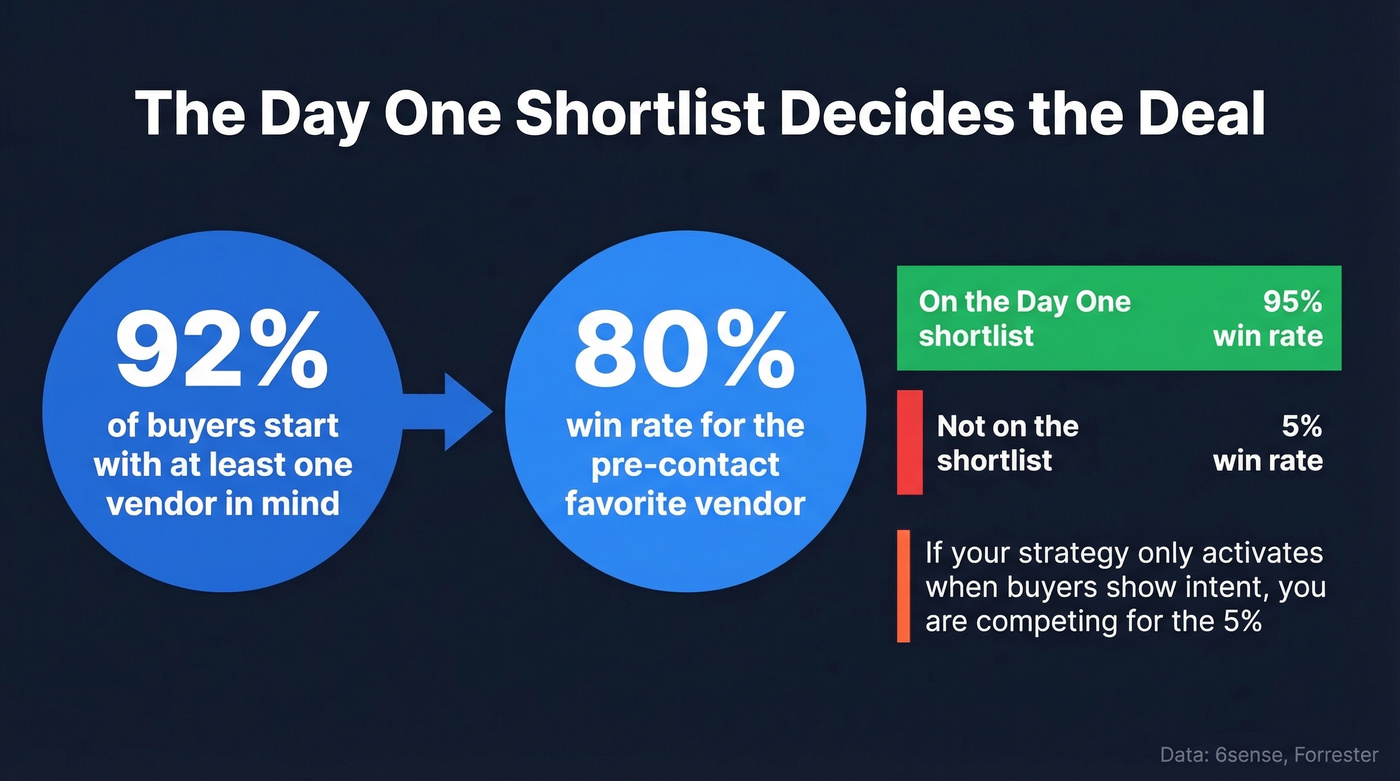
Forrester's data reinforces this: 92% of buyers start with at least one vendor in mind, and 41% have a preferred vendor before they even begin formal evaluation. Forrester and 6sense call this "preference marketing" - the strategic effort to shape buyer perception before intent signals ever appear. It's not about being the loudest. It's about being the most trusted name in the buyer's mental shortlist when a trigger event kicks off a buying cycle.
The implication is stark. If your strategy only activates when buyers show intent - when they download a whitepaper, visit your pricing page, or respond to an outbound sequence - you're competing for the 5% of deals where the shortlist isn't already locked.
The real work happens months before intent signals fire, in channels you can't always track: communities, peer conversations, content consumption, and word of mouth. Get executive buy-in on this shift from lead volume to pipeline metrics before you launch. Without it, you'll be pulled back to MQL reporting within a quarter.
The Demand Gen Framework
Create Demand
Demand creation builds preference before buyers enter a cycle. The channels that matter: ungated content, community presence, SEO/AEO strategy, and thought leadership from people buyers actually trust.
The AI Overviews shift changes the playbook. Zero-click discovery means buyers get answers from AI-generated summaries without ever visiting your site. The response isn't to abandon SEO - it's to split your content strategy. Publish structured, data-backed content optimized for LLM parsing with Q&A formats, clear definitions, and benchmark tables. Simultaneously, create distinctive deep content that AI can't replicate: original research, practitioner interviews, contrarian takes with real data behind them.
Your buyer influence channels now include Reddit, YouTube, newsletters, and micro-experts - not just traditional analyst reports. We've seen teams get more pipeline from a single well-received Reddit comment than from a $20K sponsored webinar. The dark funnel rewards authenticity over production value.
Capture Demand
Demand capture intercepts buyers who are actively researching. This is where intent data, ABM, paid media retargeting, and events earn their budget.
Stop defining your ICP with just firmographics and titles. A trigger-based ICP includes hiring signals, technology changes, funding events, headcount growth, and competitive displacement moments. A VP of Sales at a 200-person SaaS company is a demographic match. A VP of Sales at a 200-person SaaS company that just raised Series B, added three SDR job postings, and started evaluating a new CRM - that's a trigger-based ICP match. Use a B2B database with signal-based filters to build lists matching these criteria, layering buyer intent, technographics, job change alerts, and funding data so you're targeting companies based on what they're doing right now, not just who they are on paper.
Convert Demand
Conversion is where data quality makes or breaks everything. Contacting leads within 24 hours increases conversion by 5x. Buyers who view 9+ demos close at 8-10x higher rates - another reason speed-to-lead and multi-touch engagement matter. But speed with bad data is worse than no speed at all. You're just burning your domain faster.
AI-personalized outbound is closing the gap between inbound and outbound performance. Baseline cold email reply rates sit around 1-5%. AI-personalized campaigns - where the message references specific triggers, tech stack, or recent company events - hit 15-25% reply rates. That's not a marginal improvement. It's a category shift.
Content syndication leads convert to pipeline at 6-8% within 90 days when properly nurtured, giving you a useful benchmark for comparing channel performance. The conversion stage also demands sales and marketing alignment on definitions. If marketing calls something an MQL and sales disagrees, every downstream metric is noise.

This article makes it clear: demand gen is a data problem disguised as a content problem. Prospeo's 7-day data refresh cycle and 98% email accuracy mean your outbound sequences hit real inboxes - not spam traps. Teams using Prospeo book 35% more meetings than Apollo users and see bounce rates drop below 4%.
Stop burning domain reputation on stale data. Start with clean contacts.
Data Quality: The Silent Pipeline Killer
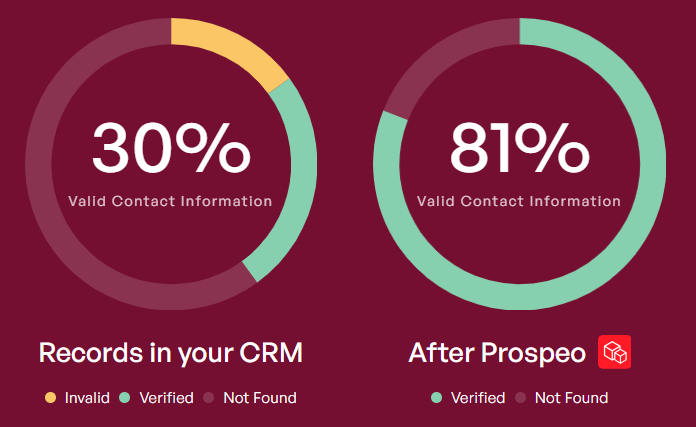
We've watched teams spend $50K on content, $30K on paid media, and $20K on an ABM platform - then route every lead through a database with a 35% bounce rate. The content worked. The targeting worked. The data destroyed it.
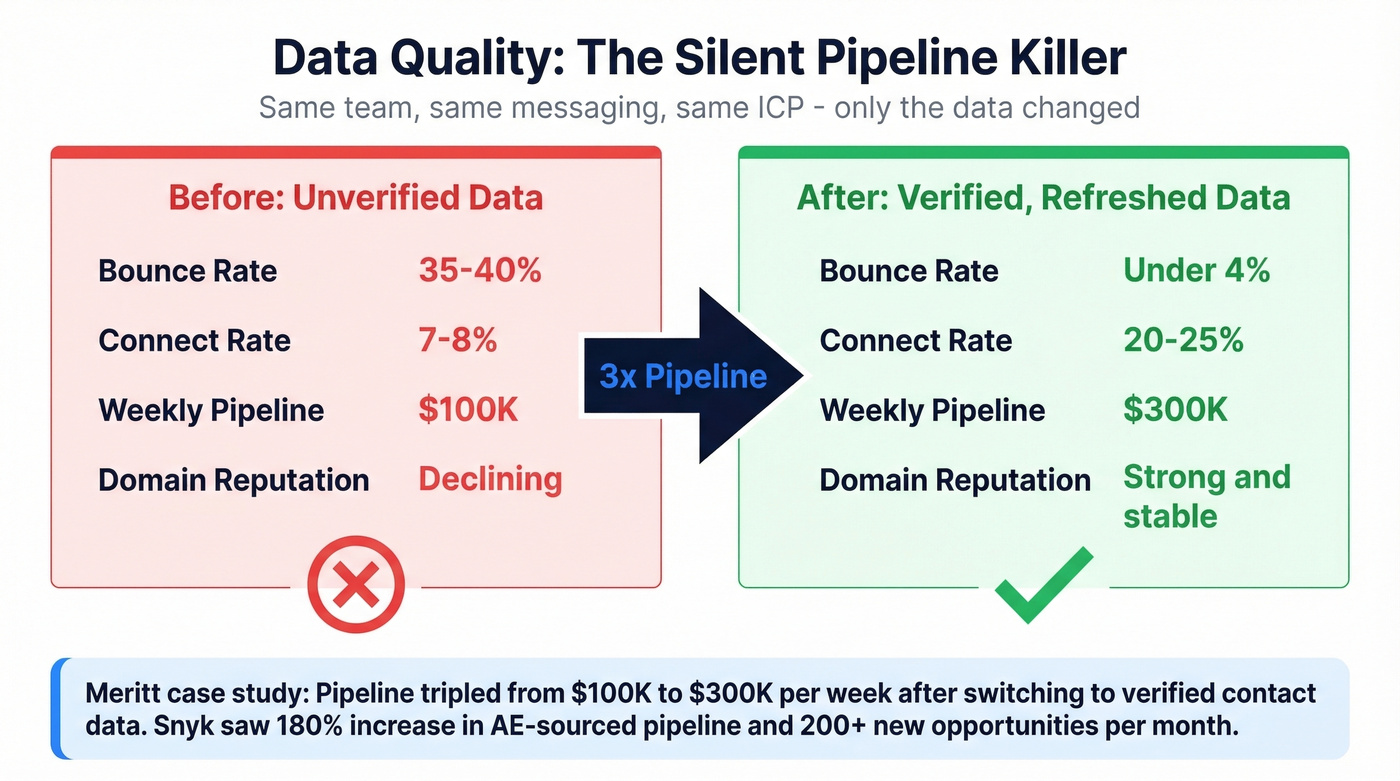
Bad data creates a compounding problem. Bounced emails damage your sender domain reputation. Lower reputation means lower deliverability on every subsequent campaign. Lower deliverability means even your good emails don't land. Meanwhile, you're paying for ad clicks that convert to leads you can't actually reach.
Two case studies make this concrete. Meritt's team was running outbound with a 35% bounce rate. After switching to verified data, bounce rates dropped to under 4%, and pipeline tripled from $100K to $300K per week. Connect rates jumped 3x to 20-25%. Same team, same messaging, same ICP - the only variable was data quality. Snyk saw similar results at scale: 50 AEs prospecting 4-6 hours per week saw bounce rates drop from 35-40% to under 5%, AE-sourced pipeline climbed 180%, and the team generated 200+ new opportunities per month.
Funnel Benchmarks
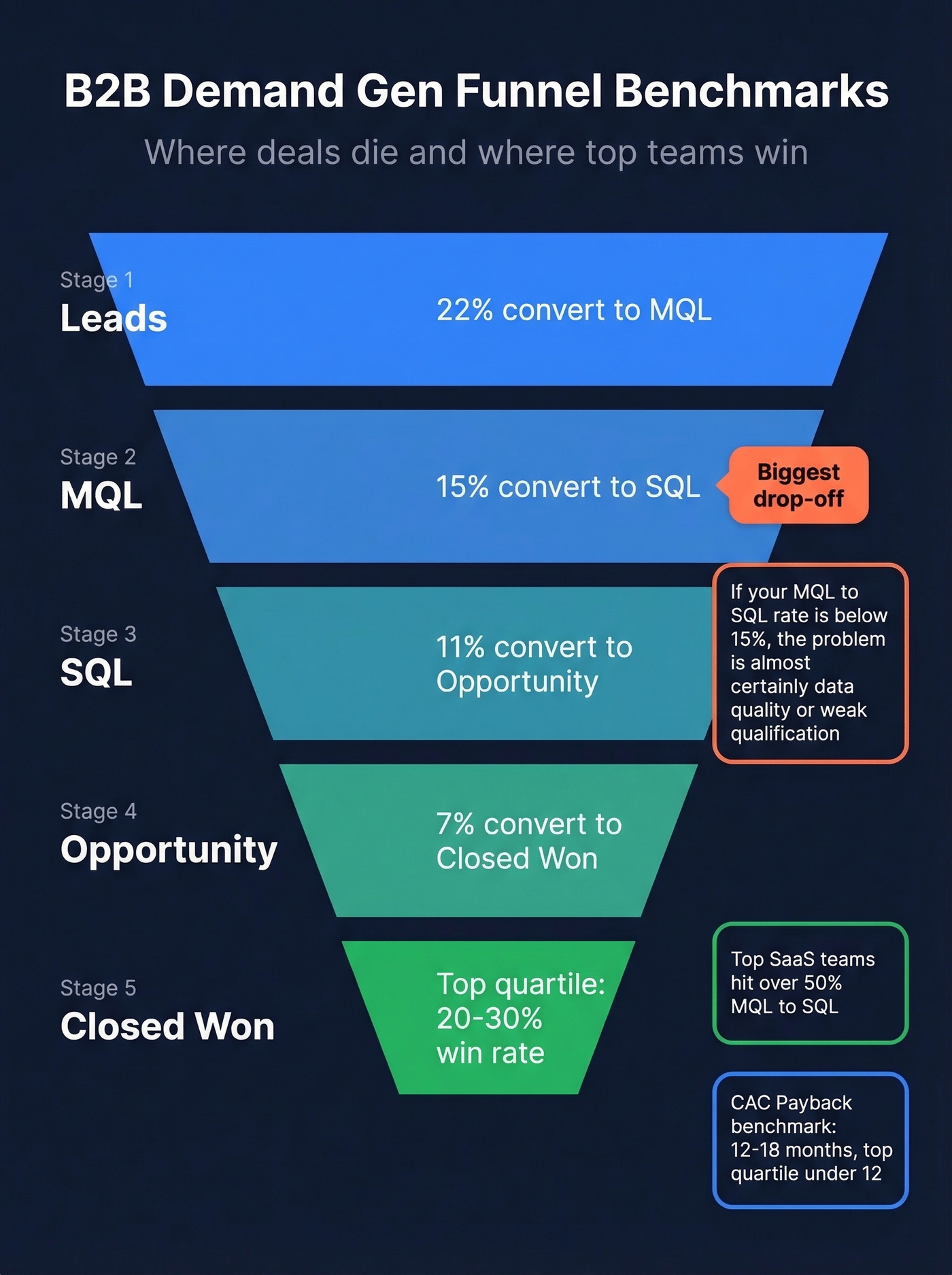
Most demand gen teams can't answer a simple question: "What's our conversion rate at each stage?" Here are the benchmarks that matter:
| Stage | Benchmark | Top Quartile (SaaS) |
|---|---|---|
| Lead to MQL | 22% | - |
| MQL to SQL | 15% | >50% |
| SQL to Opportunity | 11% | - |
| Opp to Closed-Won | 7% | 20-30% win rate |
| CAC Payback | 12-18 months | <12 months |
The biggest drop-off is MQL to SQL. That's where bad data, weak qualification criteria, and misaligned definitions create the most waste. If your MQL to SQL rate is below 15%, the problem is almost certainly one of three things: your MQL definition is too loose, your data is stale, or your SDRs don't have enough context to qualify effectively.
Pipeline velocity is the metric that ties everything together: Pipeline Value x Win Rate / Sales Cycle Length. Most teams focus on pipeline value by adding more leads, but improving win rate through better targeting or shortening cycle length through faster follow-up often delivers faster results.
CPL ranges vary wildly - expect $100 to $700+ depending on whether you're running content syndication, paid search, or ABM programs. The number that matters isn't CPL. It's cost per qualified opportunity. A $500 CPL that converts at 20% to SQL is cheaper than a $100 CPL that converts at 2%.
How to Measure Demand Gen ROI
If your team can't state ROI by channel, you're measuring activity, not impact.
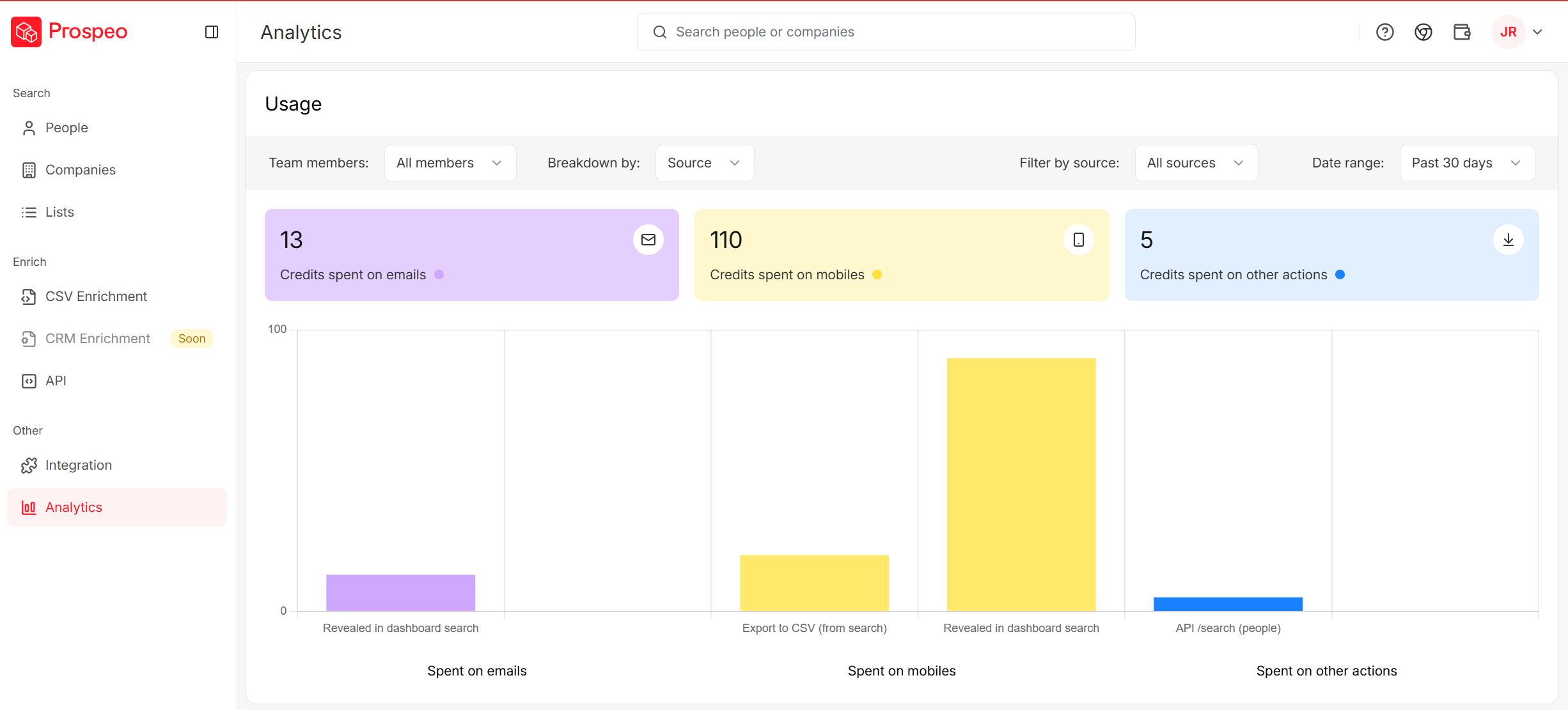
The measurement hierarchy is clear: meetings held matters more than meetings booked, which matters more than leads generated. Work backward from revenue.
Attribution model. Use W-shaped attribution as your baseline. It credits the first touch, the lead creation moment, and the opportunity creation moment - giving you visibility into which channels create awareness, which capture demand, and which convert it. Layer in self-reported attribution on demo forms to capture dark funnel influence that no tracking pixel will ever see.
KPIs that satisfy finance. Pipeline generated value by channel. CAC by channel. Net new ARR attributed to demand gen programs. These are the numbers your CFO cares about. MQLs, content downloads, and webinar registrations are leading indicators at best - never report them as outcomes.
Dashboard cadence. Weekly. Not monthly. By the time you see a monthly report showing MQL to SQL dropped 40%, you've already wasted four weeks of budget. GA4 plus Looker Studio handles this for most teams without additional spend.
W-shaped attribution combined with CRM integrations improves budget efficiency by 22% in most implementations. That's not because the model is magic - it's because it forces teams to connect spend to pipeline instead of hiding behind vanity metrics.
The 2026 Demand Gen Tech Stack
You don't need 10 tools. You need 3-4 that talk to each other. Most teams use 6-8 disconnected marketing tools and spend more time managing integrations than running campaigns.
| Category | Tool | Pricing |
|---|---|---|
| CRM/MAP | HubSpot | Free CRM; paid hubs from ~$800/mo |
| CRM/MAP | Salesforce | From ~$25/user/mo |
| CRM | monday CRM | From ~$12/seat/mo |
| Data & Enrichment | Prospeo | Free tier; ~$0.01/email |
| Data & Enrichment | ZoomInfo | $15-40K/yr |
| Data & Enrichment | Apollo | Free tier; from ~$49/mo |
| Data & Enrichment | Cognism | ~$1,000-3,000/mo |
| Intent/ABM | 6sense | $30-100K+/yr |
| Intent/ABM | Bombora | $25-50K/yr typical; included via Prospeo |
| Outreach | Lemlist | From ~$59/mo/user |
| Outreach | Instantly | From ~$30/mo |
| Analytics | GA4 + Looker Studio | Free |
For the data and enrichment layer, our pick for teams that prioritize accuracy over feature bloat is Prospeo: 300M+ profiles, 143M+ verified emails, intent data across 15,000 topics via Bombora, and native integrations with Salesforce, HubSpot, Smartlead, Instantly, Lemlist, Clay, and Zapier. Self-serve, no contracts, and 90% cheaper than ZoomInfo on a per-lead basis.
ZoomInfo makes sense if you're a large org that needs the full GTM suite under one roof - intent, chat, workflow automation - and can justify $15-40K/year. Skip it if you're under 50 reps. Apollo is solid for SMBs that want a free starting point and don't mind lower email accuracy at 79% vs. 98%. Cognism wins for EMEA-heavy teams that need GDPR-compliant mobile numbers in European markets.
Reaching the Day One shortlist requires hitting the right buyers across the right channels - early. Prospeo gives you 30+ filters including buyer intent powered by Bombora, technographics, job changes, and headcount growth signals so you can target in-market accounts before competitors even know they're buying.
Layer intent data on 300M+ profiles and reach buyers before the shortlist locks.
Mistakes That Kill Pipeline
Scaling before validating. Don't pour budget into a channel until you've proven the ICP + trigger + message combination gets a "tell me more" response. Tools should execute a strategy already proven manually.
MQL obsession. Reporting lead volume to the board is a fast way to lose budget. The measurement hierarchy is meetings held, then opportunities created, then pipeline generated. Everything else is a leading indicator.
Running campaigns on unverified data. Every bounced email damages your domain. Every wrong number wastes rep time. Verify before you send. Always.
Ignoring the dark funnel. "If you can't track it, it doesn't exist" is the mindset that kills demand creation. Add self-reported attribution to every conversion point. You'll be surprised how many deals started with a podcast mention or a Reddit thread.
Tool-first strategy. "We bought 6sense, so now we do ABM" is backwards. Define the strategy, prove it works manually, then buy the tool that scales it.
90-Day Demand Gen Roadmap
Days 1-30: Foundation
- Define your trigger-based ICP combining firmographics, titles, hiring signals, tech changes, funding, and growth moments
- Audit existing data quality - run a bounce test on your current database
- Set up W-shaped attribution plus self-reported attribution on all conversion forms
- Build your initial verified prospect list using signal-based filters
Days 31-60: Launch
- Activate 2-3 demand creation channels: ungated content, community presence in Reddit and relevant Slack groups, SEO/AEO content
- Start intent-based outbound with verified data targeting accounts showing buying signals
- Establish weekly dashboard cadence tracking pipeline generated, MQL to SQL rate, and CAC by channel
Days 61-90: Optimize
- Measure pipeline created, not MQLs - report to leadership in revenue terms
- Diagnose your biggest conversion drop-off and fix the root cause
- Apply stop rules to underperforming sequences
- Double down on the channel producing the lowest cost per qualified opportunity
The teams that execute B2B demand generation with this level of discipline consistently outperform peers spending 3-5x more on tools and media. The advantage isn't budget. It's operational rigor and data quality.
FAQ
What's the difference between demand generation and lead generation?
Lead gen captures known intent through forms, gated content, and demo requests. Demand gen creates preference and awareness so buyers already know and trust you before they enter a buying cycle. You need both, but demand gen determines whether leads convert downstream.
How long does demand generation take to show results?
Expect early pipeline signals within 60-90 days if you start with verified data and intent-based targeting. Full-funnel impact with revenue attribution typically takes 6-9 months, reflecting the 10.1-month average B2B buying cycle.
What's a good demand gen budget for a mid-market company?
Most mid-market B2B companies allocate 5-12% of revenue to total marketing, with demand gen consuming the largest share. CPLs range from $100 to $700+ depending on channel. Start with channels you can measure to pipeline, and expand only into programs where you can prove cost per qualified opportunity.
What tools do I need to start?
At minimum: a CRM like HubSpot or Salesforce, a verified data source for building prospect lists and enriching contacts, and an outreach tool like Lemlist or Instantly. That three-tool stack covers capture and conversion. Add intent data and attribution tooling as you scale past $50K/month in pipeline.