slug: dynamic-dialer
Dynamic Dialer: What It Is, What It Isn't, and What Actually Matters
You just saw "dynamic dialer" on a vendor's feature page and now you're trying to figure out if it's a real category or a marketing term. Short answer: it's mostly marketing. The longer answer will save you from buying the wrong tool.
The Quick Version
- "Dynamic dialer" isn't a standardized term - it's most closely associated with JustCall's Dynamic Dialer feature, which handles real-time campaign list management plus rules that keep your calling sequence current as new leads arrive.
- Pick your dialer type based on team size: power dialer for under 10 reps, predictive or parallel for high-volume call centers.
- Your dialer is only as good as your data. Verified phone numbers matter more than any pacing algorithm.
What Is a Dynamic Dialer?
"Dynamic dialer" isn't an industry-standard category. It's a label that JustCall uses for real-time contact list management during active campaigns - you can add or remove contacts without pausing or restarting the campaign.
JustCall also describes its Dynamic Dialer as a speed-to-lead workflow: new leads get added from your CRM in real time (including via webhooks), and the calling sequence can prioritize newer leads first. Depending on configuration, this setup can run in a power-style (one-by-one) or predictive-style (multiple numbers at once) motion.
The underlying capabilities are useful. Pulling contacts from your CRM in real time, re-prioritizing queues based on lead score or recency, adjusting what gets dialed next on the fly - these solve real problems. But as Babelforce notes, dialer labels are "not very clear or well-defined." They go further, arguing that a dialer is really just one component of an automated task distributor and that the pacing is the least interesting part. The broader market uses predictive, adaptive, smart, or parallel to describe overlapping capabilities.
Here's the thing: "dynamic" describes a feature layer - real-time list management and queue logic - that can sit on top of different pacing modes. It's not a distinct dialing method. Understanding the actual pacing types matters more than chasing a vendor-specific label.
Dialer Types Compared
The real decision for most teams comes down to pacing mode. Here's how they break down, using Vonage's taxonomy and Stakki's throughput benchmarks as reference points.
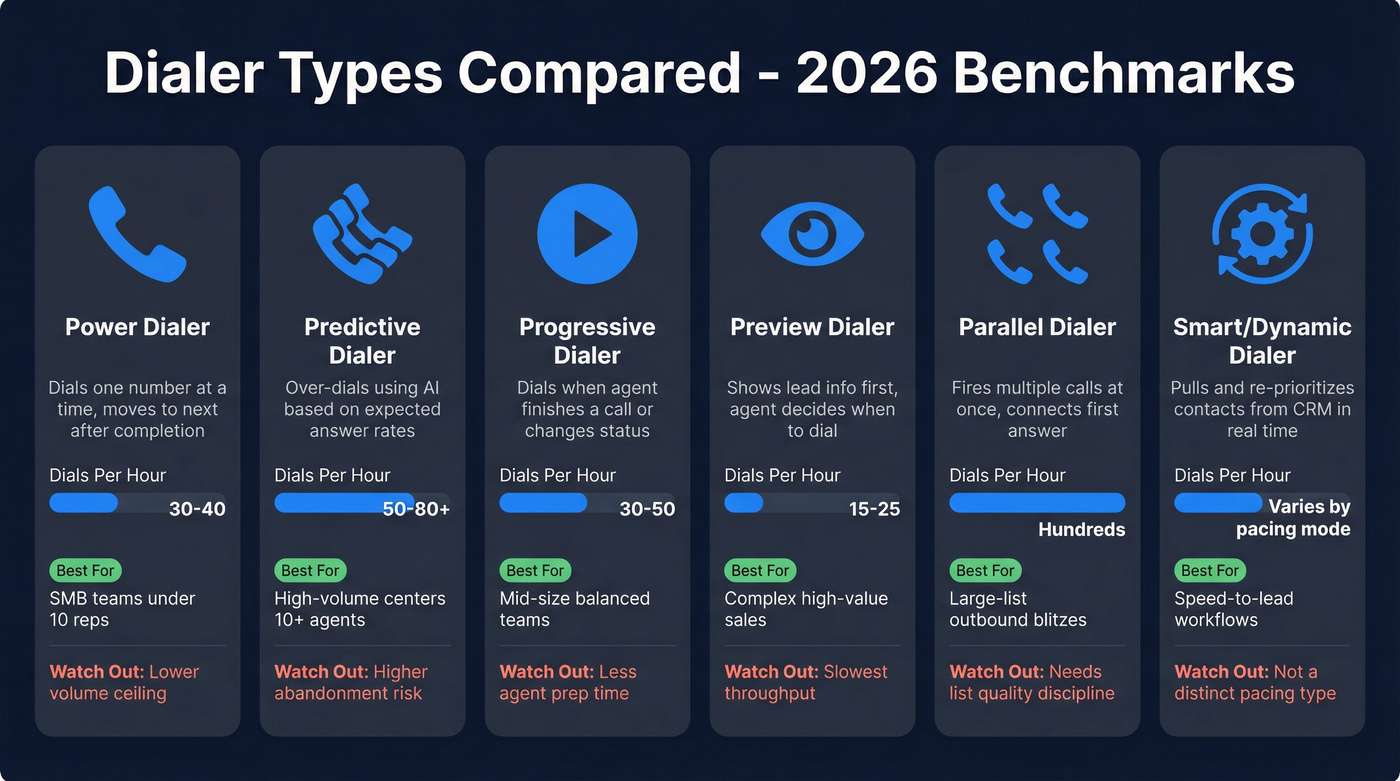
| Type | How It Works | Best For | Dials/Hour | Key Drawback |
|---|---|---|---|---|
| Power | Dials numbers sequentially, moves to next contact after no answer or call completion | SMB teams (<10 reps) | 30-40 (up to 70 optimized) | Lower volume |
| Predictive | Over-dials using AI/ML based on expected answer rates and agent availability | High-volume centers (10+ agents) | 50-80+ | Higher abandonment risk |
| Progressive | Dials when an agent finishes a call or changes status | Mid-size, balanced approach | 30-50 | Less agent prep time |
| Preview | Shows info before dialing; agent marks ready and can skip | Complex/high-value sales | 15-25 | Slowest throughput |
| Parallel | Initiates multiple calls simultaneously, connects the first answered | Large-list outbound blitzes | Hundreds | Operationally intense; list quality and routing discipline matter |
| Smart/Dynamic | Pulls/updates contacts from CRMs or web forms and queues them for calling | Speed-to-lead, event-triggered | Varies by pacing mode | Not a distinct pacing type |
Power vs. predictive is the real fork for most teams. A dynamic dialer determines which contacts get dialed and in what order, but it doesn't change the fundamental pacing mechanics. A power dialer with smart queue management will outperform a predictive dialer fed stale data every single time.
Let's be honest: most sales teams with fewer than 20 reps don't need a predictive dialer at all. A power dialer with clean data and disciplined call blocks will outperform a predictive dialer running on mediocre data - and cost a fraction of the price.
2026 Performance Benchmarks
Here's what to expect from outbound dialing this year, based on SalesHive's B2B benchmarks:
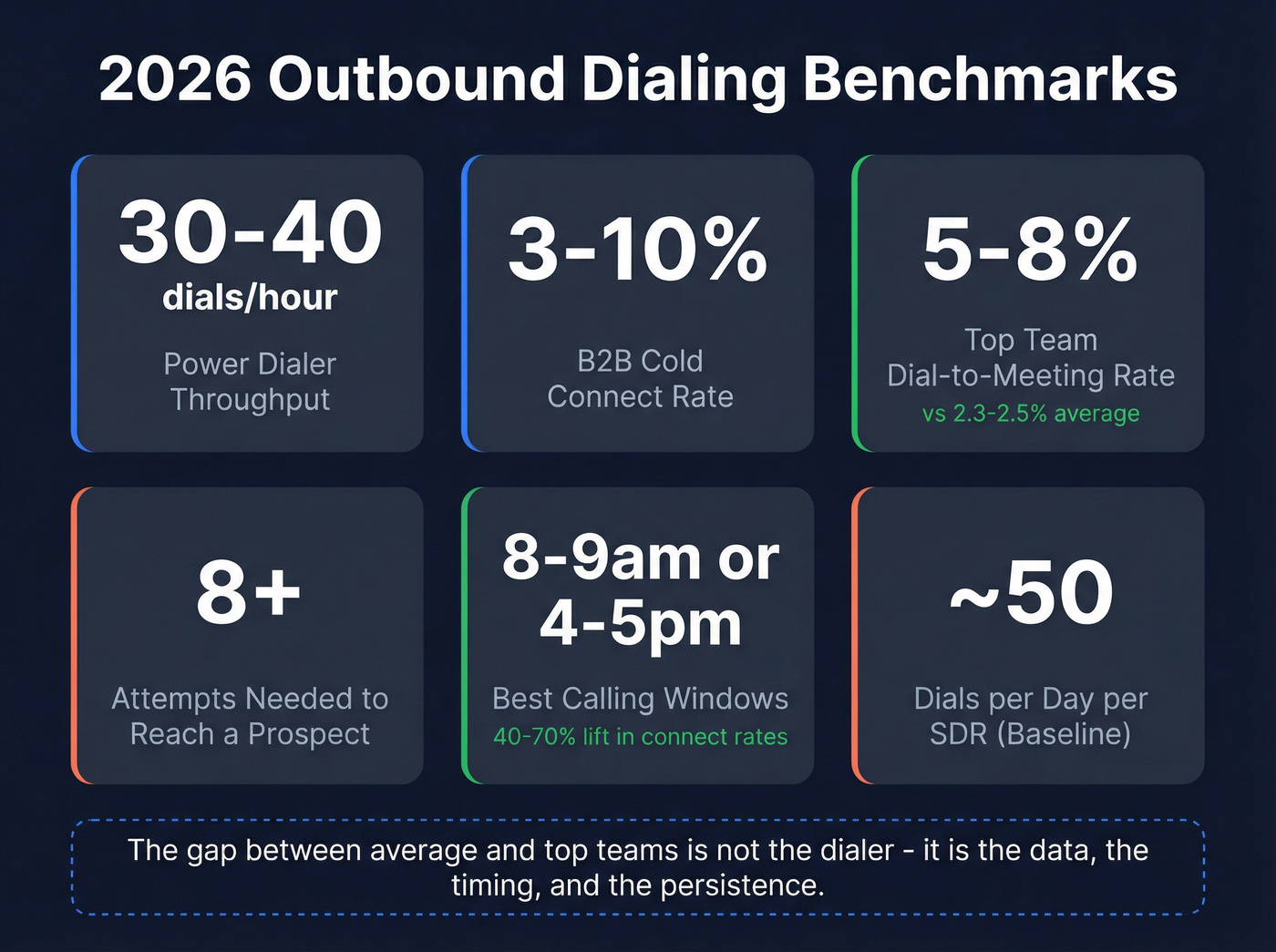
- Baseline throughput: ~20 dials/hour from a properly structured CRM workflow, ~40-50 dials/day per SDR
- With a power dialer: 30-40 dials/hour; parallel dialers push into the hundreds
- Connect rate: 3-10% for B2B cold outbound
- Dial-to-meeting: 2.3-2.5% average, 5-8% for top-performing teams
- Persistence required: 8+ attempts on average to reach a prospect
- Timing windows: Calling at 8-9am or 4-5pm lifts connect rates by 40-70%
The gap between average teams (2.3-2.5% dial-to-meeting) and top teams (5-8%) isn't usually the dialer. It's the data, the timing, and the persistence.

The gap between 2.3% and 8% dial-to-meeting isn't the dialer - it's the data. Prospeo delivers 125M+ verified mobile numbers with a 30% pickup rate, refreshed every 7 days. Stop feeding dead numbers into your power dialer.
Fix your fuel before you upgrade the engine.
Compliance Rules You Can't Ignore
Compliance rules shifted hard in 2025 and they're still tightening. TCPA litigation surged 95% compared to the prior year. The Supreme Court's McLaughlin v. McKesson decision held that district courts aren't bound by FCC interpretations in civil TCPA cases, which means enforcement is becoming less predictable.
The FCC removed 1,200+ voice service providers from the Robocall Mitigation Database in August 2025 for deficient filings, leading to downstream blocking and disconnection. AI-generated voices now require prior express written consent under TCPA. Consent revocation rules took effect in April 2025, with cross-channel effects extending through April 2026. At least 15 states now have mini-TCPA statutes - Texas, Virginia, Connecticut, Georgia, and Maine among them - each adding their own wrinkles.
Beyond TCPA, caller ID reputation management is a growing operational headache for high-volume teams. STIR/SHAKEN attestation helps carriers verify that your caller ID isn't spoofed, but if your numbers get flagged as spam by analytics engines, your connect rates crater regardless of how good your dialer is. Monitor your number reputation the same way you'd monitor email domain reputation.
If you're running outbound at scale with a predictive dialer, compliance isn't optional. It's the cost of staying in business.
Fix Your Data First
Stop obsessing over dialer features. Fix your data.
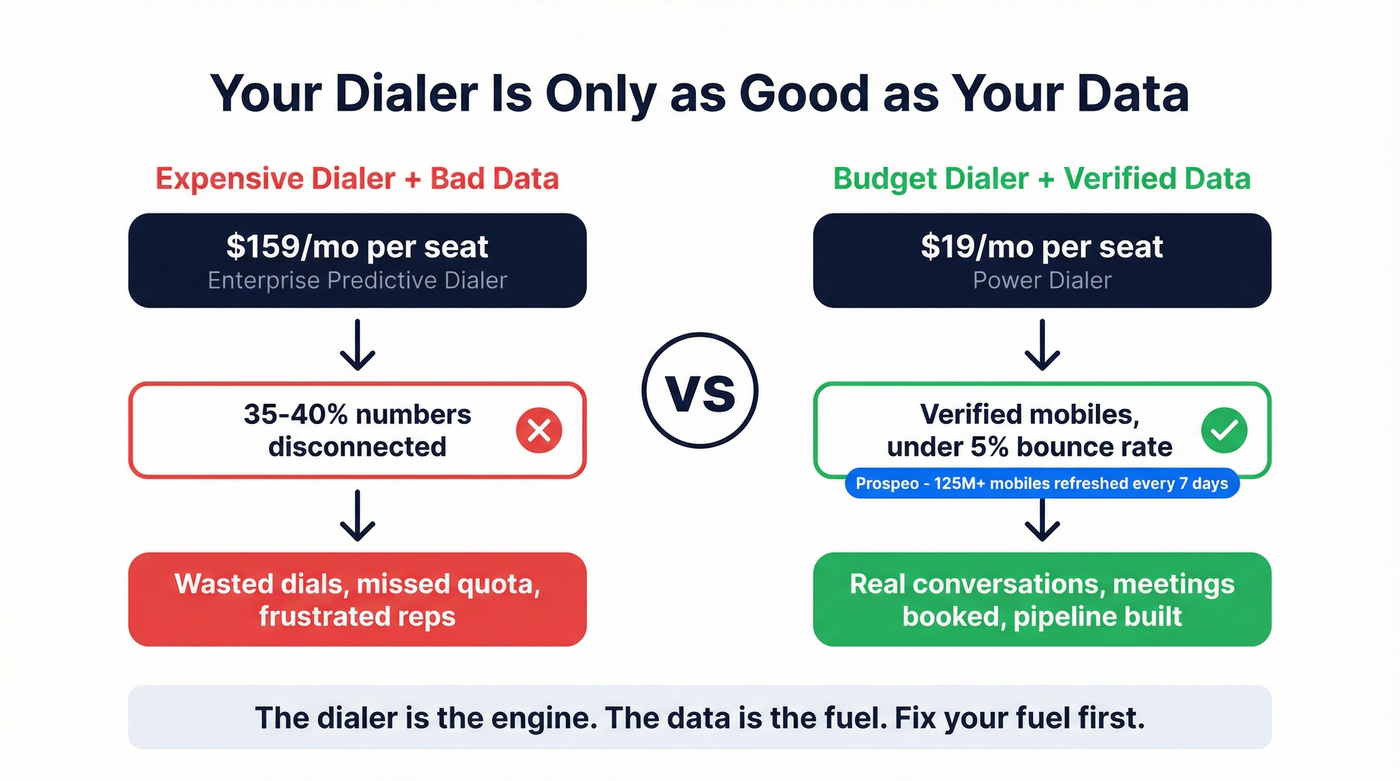
Here's a scenario we've seen play out dozens of times: an SDR team is making 50 dials a day and booking one meeting a week. The manager wants to "upgrade the dialer." But when someone finally audits the data, 35% of the phone numbers are disconnected. No pacing algorithm fixes that.
We've watched teams spend $85-159/user/month on enterprise dialer seats, then feed them garbage data. A $159/month Five9 seat dialing dead numbers will always perform worse than a $19/month CloudTalk seat dialing verified contacts. Always. The dialer is the engine. The data is the fuel.
Prospeo maintains 125M+ verified mobile numbers with a 30% pickup rate and refreshes data every 7 days - compared to the 6-week industry average. One enterprise security company saw bounce rates drop from 35-40% to under 5% after switching to verified mobiles. That's a bigger ROI lift than any pacing algorithm will ever deliver.
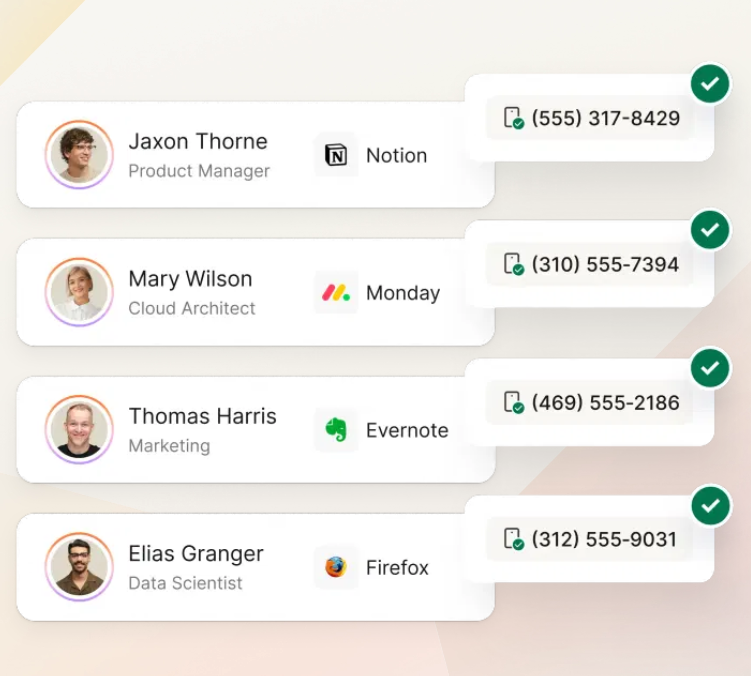
A $159/month dialer seat calling disconnected numbers loses to a $19 seat with verified contacts. Prospeo's 125M+ mobiles are refreshed weekly - not every 6 weeks - so your reps dial real people, not voicemail graveyards.
Verified mobiles at $0.10 each. No contracts. No dead numbers.
Pricing Breakdown
Entry-level SMB dialers start at $15-20/user/month. Enterprise predictive dialers run $85-159/user/month. JustCall includes its Dynamic Dialer in SalesPro (quote-based) and also sells it as part of its Sales Dialer plans with Base and Advanced options. Expect a meaningful jump above their $29 Team tier for SalesPro or a dedicated Sales Dialer package. Watch for add-on costs like Answering Machine Detection, which some vendors charge separately.
| Tool | Starting Price (Annual) | Dynamic/Smart Dialer? |
|---|---|---|
| Dialpad | $15/user/mo | Dialer features vary by plan |
| CloudTalk | $19/user/mo | Yes - power + predictive (parallel up to 10 lines) |
| RingCentral | $20/user/mo | Dialer features vary by plan |
| Nextiva | $20/user/mo | Dialer features vary by plan |
| JustCall | $29/user/mo (SalesPro: custom) | Yes - Dynamic Dialer is a JustCall-branded feature |
| Aircall | $30/license/mo | Dialer features vary by plan |
| Talkdesk | $85/user/mo | Dialer features vary by package |
| PhoneBurner | $124/user/mo | Dialer features vary by plan |
| Orum | ~$100-150/user/mo | Parallel dialer |
| Nooks | ~$100-150/user/mo | Parallel dialer |
| Five9 | $159/user/mo | Predictive/progressive options by package |
The fact that JustCall doesn't publish SalesPro pricing is frustrating, especially since it's a flagship plan for sales-dialer workflows. If you're evaluating it, push for a quote early so you're not wasting time on demos for a plan you can't budget.
How to Pick the Right Dialer
SMB sales team (under 10 reps): Go with a power dialer. CloudTalk at $19/month, JustCall's Team plan at $29/month, or PhoneBurner at $124/month if you want a more polished experience. Prioritize conversation quality and compliance over raw volume.
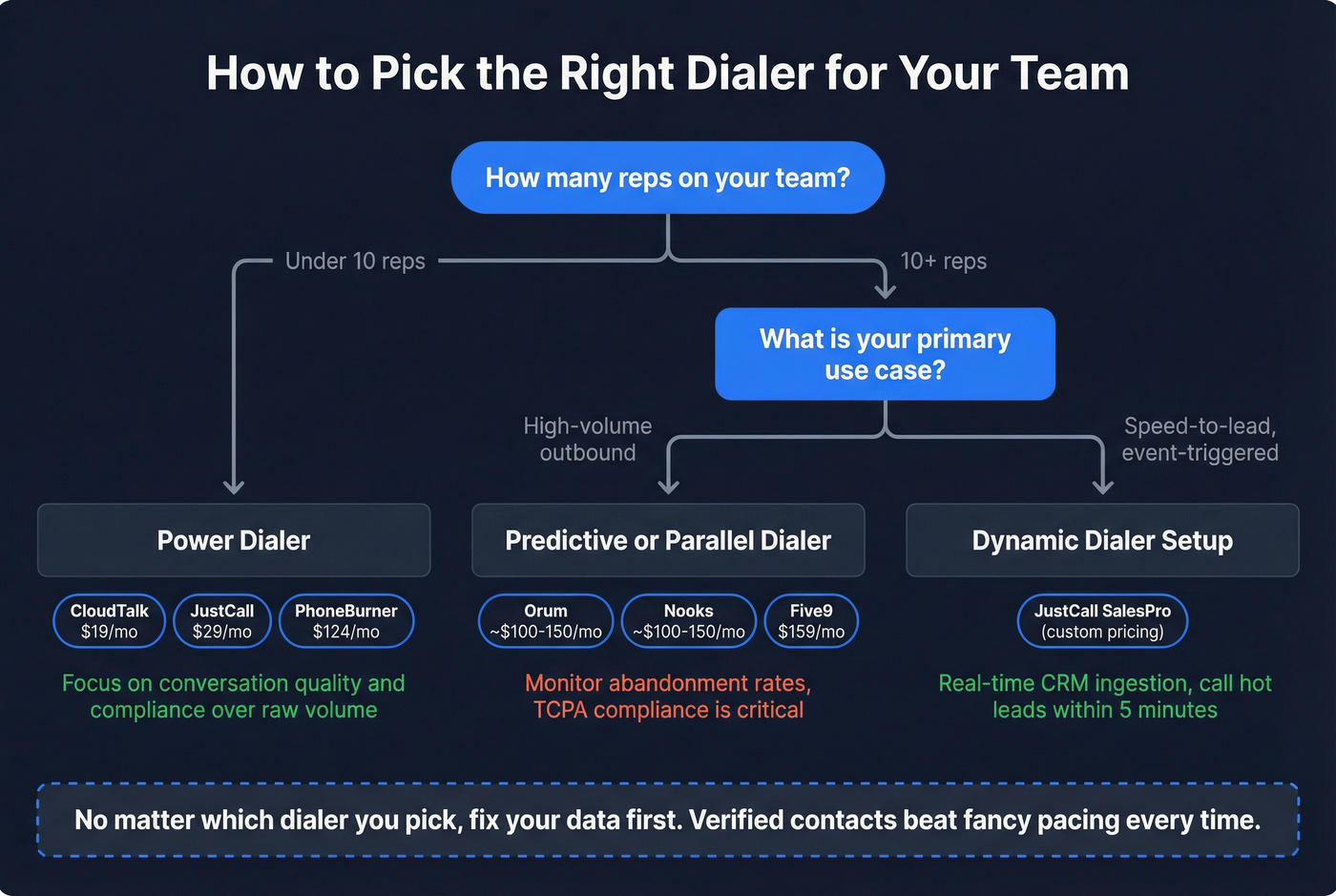
High-volume outbound (10+ agents): Predictive or parallel. Orum (~$100-150/user/month), Nooks (~$100-150/user/month), or Five9 ($159/user/month). Monitor abandonment rates closely and make sure your TCPA compliance is airtight. At this scale, a 1% improvement in connect rate compounds fast across hundreds of daily dials.
Speed-to-lead or event-triggered campaigns: This is where a dynamic dialer setup earns its keep. Real-time CRM list ingestion means hot leads get called within minutes, not hours. Contacting leads within 5 minutes improves conversion, and adaptive queue management makes that possible without manual intervention.
Skip the enterprise parallel dialers if you're a team of 5 reps calling 40 prospects a day. You'll spend more time configuring the tool than actually selling. A simple power dialer paired with verified contact data will get you further, faster.
In our experience, teams that fix their data before upgrading their dialer see 2-3x the ROI of teams that do it the other way around.
FAQ
Is a dynamic dialer the same as a predictive dialer?
No. A predictive dialer is a pacing mode that over-dials multiple numbers based on predicted agent availability. A dynamic dialer - primarily a JustCall-branded feature - refers to real-time list management and lead prioritization on top of any pacing mode. You can run dynamic queue logic with power, predictive, or progressive pacing underneath.
What connect rate should I expect from cold outbound?
For B2B cold outbound in 2026, expect 3-10% connect rates depending on data quality and timing. Teams using verified mobile numbers consistently hit the higher end of that range. If you're below 4%, audit your phone data before blaming the dialer.
How many dials per hour can a sales dialer handle?
Power dialers average 30-40 dials/hour, predictive dialers reach 50-80+, and parallel dialers can push into the hundreds. Raw throughput matters less than data accuracy - dialing 80 disconnected numbers per hour produces zero pipeline.
Do I need a predictive dialer for my sales team?
Most teams under 20 reps don't. A power dialer with clean, verified contact data and disciplined call blocks will outperform a predictive dialer fed stale numbers. Predictive dialers shine at 10+ concurrent agents where statistical over-dialing actually improves efficiency.
The dialer is the engine. Your contact data is the fuel. Get both right.