

Phone Scripts That Don't Sound Like Phone Scripts
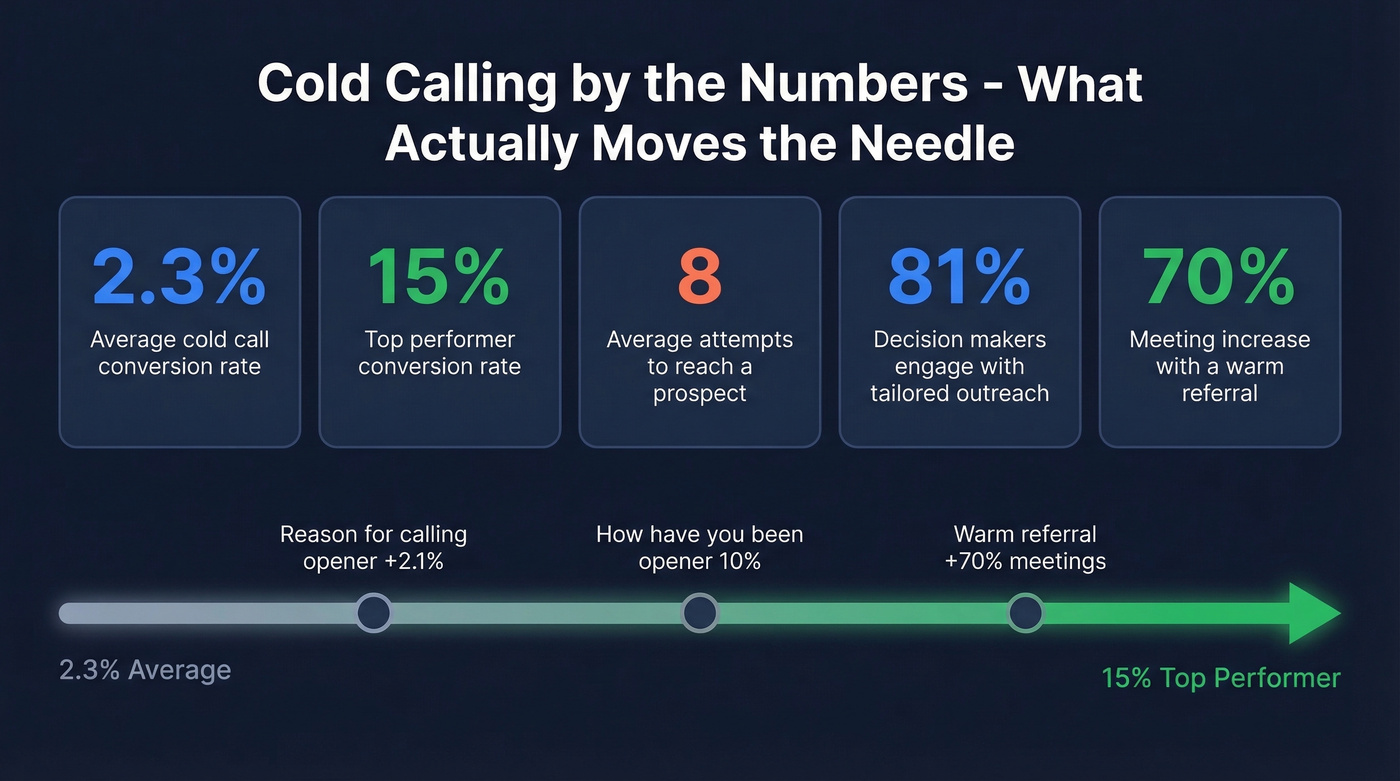
Cold calls convert at 2.3%. Phone scripts should fix that - but most templates floating around are fill-in-the-blank Mad Libs that make reps sound like they're reading a hostage note. There's a Reddit thread where a rep explicitly asks for actual cold calling scripts from well-known sales orgs (Salesforce, AWS, Cisco), not another "Hi [FIRST NAME], I'm calling from [COMPANY]" skeleton.
The script itself only accounts for half the equation. The other half is whether you're calling verified numbers, handling objections with a real framework, and staying on the right side of TCPA. Below: 30+ call scripts organized by scenario, plus the compliance and data quality layers most guides skip.
The Short Version
TL;DR - Cold calling? Start with the "reason for calling" opener - it lifts success rates by 2.1%. Inbound support? Lead with acknowledge, discover, solve - and never say "calm down." Before you dial anything, verify your numbers. The best script in the world can't save a disconnected line.
Why Most Call Scripts Fail
Scripts fail when they're treated as monologues instead of frameworks. Effective scripts are structured yet flexible - the moment a rep reads word-for-word, they lose the conversational rhythm that builds trust. Prospects hear it. Customers feel it.
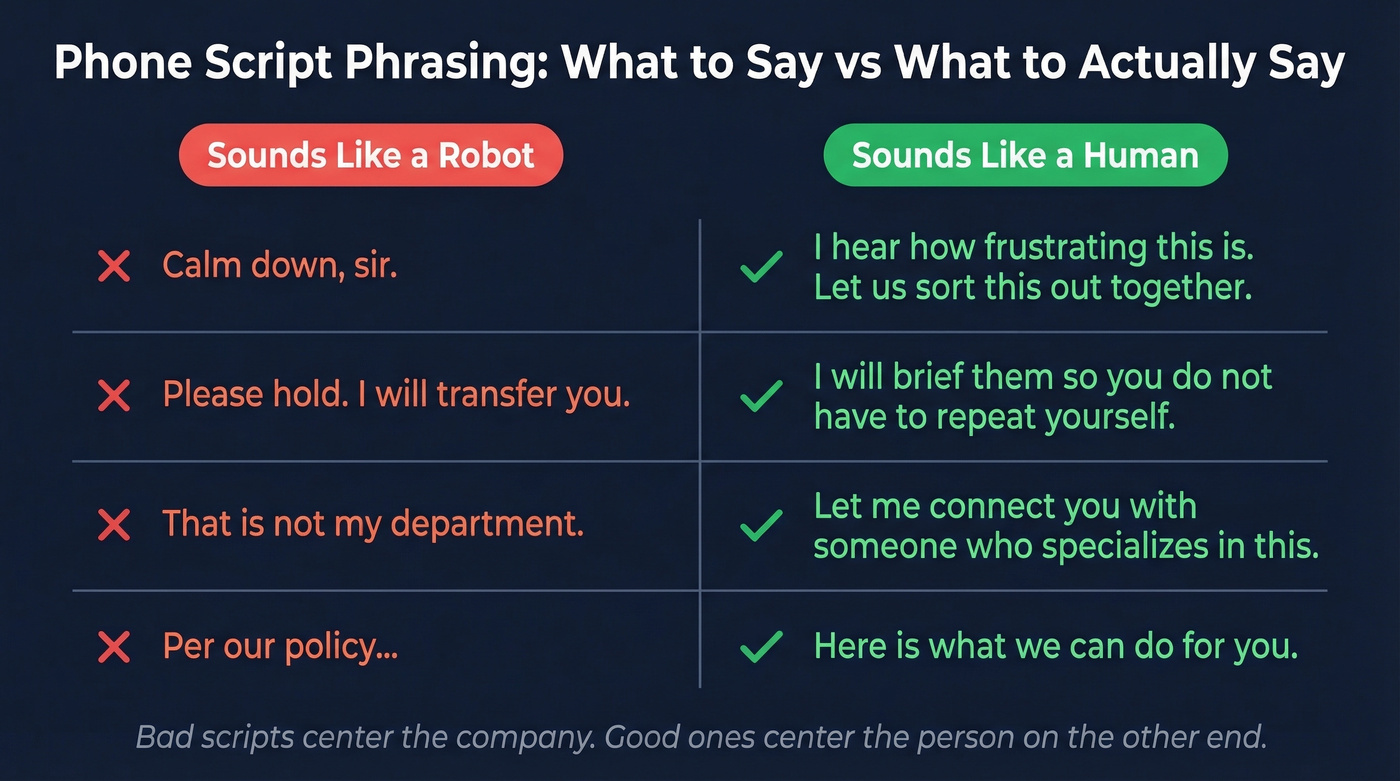
Small phrasing changes create massive perception shifts. Here's what that looks like in practice, drawn from Hiver's analysis:
| Bad Phrasing | Better Alternative |
|---|---|
| "Calm down, sir." | "I hear how frustrating this is. Let's sort this out together." |
| "Please hold. I'll transfer you." | "I'll brief them so you don't have to repeat yourself." |
| "That's not my department." | "Let me connect you with someone who specializes in this." |
| "Per our policy..." | "Here's what we can do for you." |
Bad scripts center the company. Good ones center the person on the other end of the line.
Cold Calling Scripts That Book Meetings
Top-performing cold callers convert up to 15% of conversations into meetings. The gap between 2.3% average and 15% top-performer isn't talent - it's preparation. 81% of decision-makers engage with cold outreach when it's tailored to their company and context, and Cognism's research found that asking prospects how they've been can push success rates to 10.01% - proof that small human touches compound fast.
The "Reason for Calling" Opener
Including a stated reason for calling increases success rates by 2.1%. That sounds small until you realize it compounds across hundreds of dials.
"Hi [Name], this is [Your Name] with [Company]. The reason I'm calling - we've been helping [similar companies/role] solve [specific problem], and I wanted to see if that's on your radar too. Do you have 30 seconds?"
The key is specificity. "Companies like yours" is weak. "Series B SaaS companies scaling their outbound team" is strong. The more precise your reason, the harder it is to dismiss. This opener works across verticals - swap in "mid-size property management firms" for real estate or "regional insurance agencies losing renewals" for insurance and the framework holds just fine.
Gatekeeper Script
Here's what most reps get wrong: they treat gatekeepers as obstacles. They're people doing their job, and the Pipedrive approach works because it respects that.
What not to say: "Can you put me through to the decision-maker?" This immediately signals you're a cold caller and triggers the block reflex.
What to say instead:
"Hi, I'm hoping you can help me. I'm trying to reach [Prospect Name] about [brief context]. I'd feel much better if I knew your name - who am I speaking with?"
Asking for their name shifts the dynamic from adversarial to collaborative. It's disarming because almost nobody does it.
Warm Referral Script
Referencing a shared connection can increase meeting chances by 70% - the single highest-leverage variable in any cold call.
"Hi [Name], [Mutual Connection] suggested I reach out. They mentioned you're dealing with [problem] and thought we might be able to help. I don't want to assume - is that something you're actively working on?"
Voicemail Scripts: First Touch vs. Follow-Up
Keep voicemails under 20 seconds. One reason, one number, one ask. It takes an average of 8 call attempts to reach a prospect, so your voicemail is doing the selling between dials.
| First Touch | Follow-Up | |
|---|---|---|
| Open | "Hi [Name], it's [Your Name] at [Company]." | "Hi [Name], [Your Name] again from [day]." |
| Hook | "We helped [similar company] [specific result]." | "[One new detail or trigger event]." |
| Close | "I'd love 5 minutes to see if that's relevant. My number is [number]." | "If it makes sense to chat, I'm at [number]." |
"No Time" Exit and Callback Script
Most "not interested" responses are actually "not right now." The Zendesk time-box pattern gives prospects an easy out that keeps the door open.
"Totally understand - you're busy. In just three minutes, I can show you why [Company X] cut their [metric] by [number]. Does that sound fair, or should I call back Thursday at 2?"
Always offer a specific callback time. "I'll try again later" is a dead end. "Thursday at 2" is a commitment.
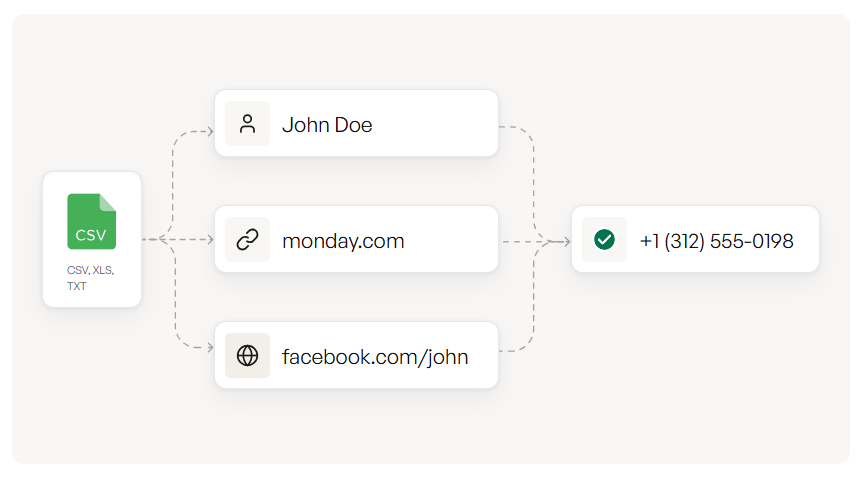
These calling scripts assume verified numbers. If your connect rate is below 15%, the problem isn't your script - it's your data. We've seen teams triple their connect rates just by switching to verified mobile numbers through Prospeo, which maintains 125M+ verified mobiles with a 30% pickup rate across all regions.
Customer Service Phone Scripts
40-60% of customers expect responses within minutes. When they finally reach a human, the script needs to acknowledge the situation, discover the real issue, and solve it.
First-Time Caller Greeting
"Thanks for calling [Company], this is [Name]. I can see this is your first time reaching us - welcome. What can I help you with today?"
Acknowledging it's their first call signals you're paying attention and sets a collaborative tone before they've even stated their problem.
Angry Customer / Complaint Handling
Never tell someone to calm down. Ever.
"I completely understand why you're frustrated, and I'm sorry this happened. Can you walk me through what happened from the beginning? I want to get this right."
Then listen. Actually listen. The biggest mistake in complaint handling is jumping to solutions before the customer feels heard. Summarize what you heard back to them before proposing a fix - it takes ten extra seconds and changes the entire trajectory of the call.
Transfer and Hold Script
Transfers are where customer satisfaction goes to die - unless you handle them right.
"I'm going to connect you with [Name/Department] who specializes in this. I'll brief them on everything we've discussed so you don't have to repeat yourself. Can I place you on a brief hold?"
The phrase that does the heavy lifting is "so you don't have to repeat yourself." It addresses the #1 frustration with transfers before the customer raises it.
Follow-Up / Callback Script
"Hi [Name], this is [Agent] from [Company]. I'm following up on your [issue] from [date]. I wanted to confirm that [resolution] is working as expected. Is everything good on your end?"
Proactive follow-ups are rare enough that they genuinely surprise people. That surprise converts into loyalty.

The best cold call script can't save a disconnected line. Prospeo gives you 125M+ verified mobile numbers with a 30% pickup rate - so every dial reaches a real person. At $0.10 per mobile, you pay only when a number is found.
Stop wasting scripts on dead numbers. Start dialing verified mobiles.
Objection Handling Scripts
The framework that works across every objection: Validate, Isolate, Reframe. Validate the concern so they feel heard. Isolate to confirm it's the real blocker. Reframe to move forward.
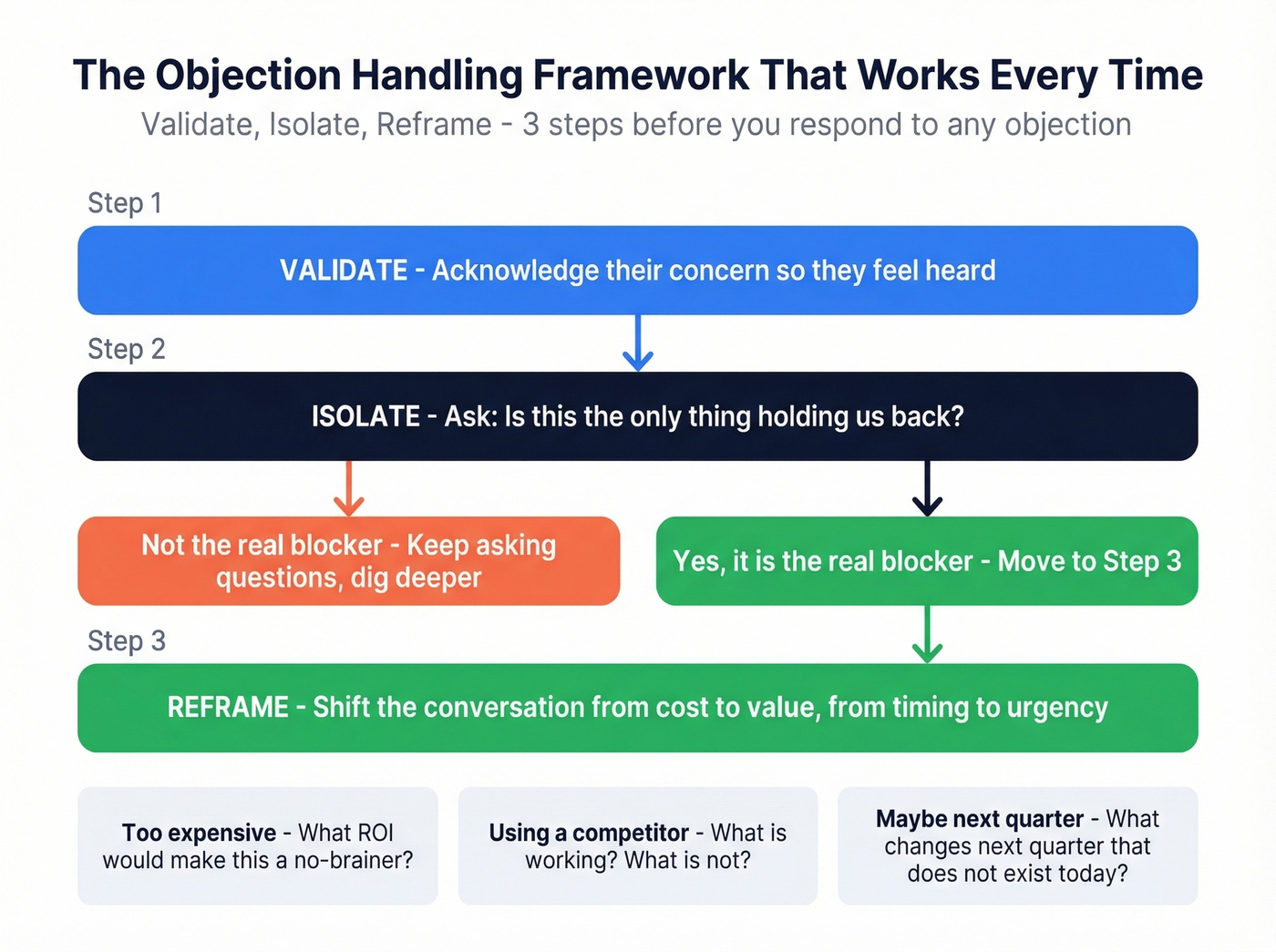
Here's the thing: the "isolate before you answer" step is the most underused technique in sales. Most reps hear "too expensive" and immediately start discounting. But price is rarely the real objection - it's usually a proxy for "I don't see enough value yet." We've watched reps cut their discount rate in half just by adding one question before responding.
"It's too expensive."
"Totally fair - budget matters. Is price the only thing holding us back? [If yes:] What would the ROI need to look like to make this a no-brainer?"
"We're using [Competitor]."
"Good - so you already see the value in solving this. What's working? What's not? Most teams that switch tell us [specific gap]."
"Maybe next quarter."
"Makes sense. What changes next quarter? If [problem] is costing you [X] per month, waiting 90 days means [Y] in lost revenue."
"I need to run this by my boss."
"Of course. What would help you make the case internally? I can send a one-pager with the ROI breakdown."
"Just send me an email."
"Happy to. So I send you something relevant - what's the biggest challenge you're dealing with in [area]?"
"I'm not interested."
"Appreciate the honesty. Is it the timing, or does this genuinely not apply? I'd rather know now than keep following up."
Ghosting / No-Show
"Hey [Name], looks like we missed each other. No worries - I'll try once more [day]. If the timing's off, just let me know and I'll stop reaching out."
Compliance Checklist for 2026
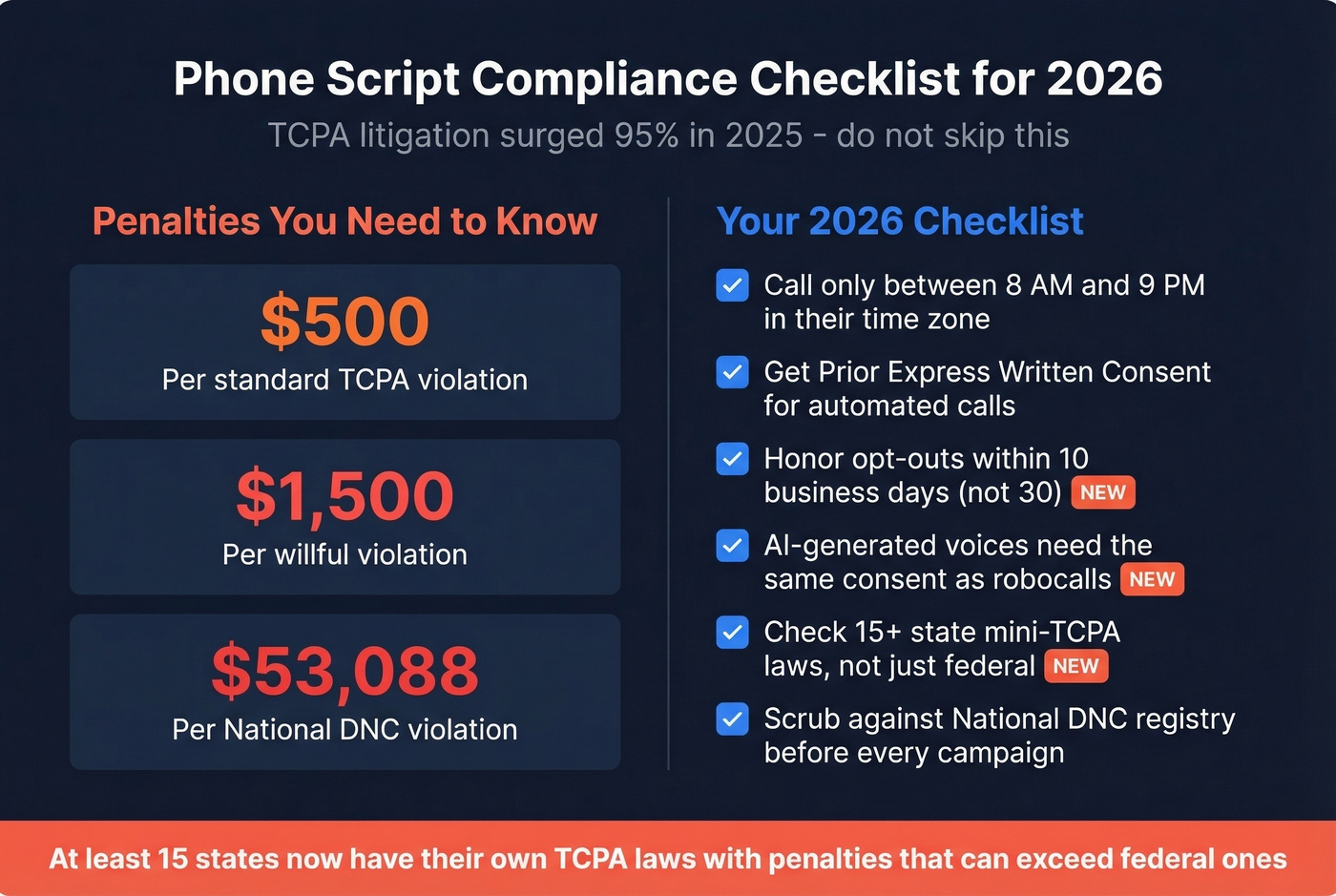
TCPA litigation surged nearly 95% year-over-year in 2025, and at least 15 states now have their own mini-TCPA laws with penalties that can exceed federal ones. Skip this section at your own risk.
Federal TCPA basics:
- $500 per violation, up to $1,500 for willful violations
- Calling hours: 8 AM-9 PM in the recipient's time zone
- Prior Express Written Consent required for automated/prerecorded marketing calls
- National DNC violations: fines up to $53,088 per violation
What changed in 2025-2026:
- Opt-outs must now be honored within 10 business days (down from 30). One confirmation text is allowed.
- The FCC treats AI-generated voices as "artificial voices" - they require the same consent as robocalls.
- The Supreme Court's McLaughlin v. McKesson ruling (June 2025) means district courts aren't bound by FCC interpretations in civil TCPA cases - expect more unpredictable outcomes.
State-level traps:
- Connecticut (SB 1058): calling limited to 9 AM-8 PM local, penalties up to $20,000 per violation
- Virginia (SB 1339, effective January 2026): text opt-outs must be honored for 10 years
- Texas (SB 140): expanded solicitation definitions plus registration, fees, and bond requirements
- Maine (LD 2234): first state to require Reassigned Numbers Database checks before sales calls
Recording consent: Some states require all-party consent for call recording. Disclose recording at the start of the call and follow your state's rules.
How to Build a Script That Converts
Define the goal. Every script gets one objective: book a meeting, resolve a ticket, qualify a lead. One script, one goal. If you can't state the goal in one sentence, you're not ready to write the script.
Research your contact. Build a verified call list filtered by job title, industry, company size, and intent signals. Prospeo's 30+ search filters and real-time verification mean every script you write is aimed at the right person with a working number - and its 7-day data refresh cycle keeps those numbers current while competitors let theirs go stale for weeks.
Structure it. Opening, discovery, value, ask, close. Each section gets 2-3 sentences max. If your script doesn't fit on a single screen with branching prompts, it's too long.
Practice with AI role play. This is the 2026 best practice that's replaced traditional role play for most teams. AI tools simulate objections, vary personas, and give feedback on pacing and tone. It's not perfect, but it's available at 11 PM when your manager isn't.
Test and iterate. A/B test your opener, value prop, and close quarterly. And involve your reps - excluding agents from script creation kills adoption faster than anything.
Common Mistakes to Avoid
Reading word-for-word. Scripts are frameworks, not teleprompters. Practice until the language is yours, then improvise around the structure.
Excluding reps from creation. The people making 80 calls a day know what works. If leadership writes scripts in a vacuum, reps won't use them. We've seen this play out at multiple orgs - the scripts that stick are always co-authored with the team dialing.
Asking for info you already have. "Can I get your account number?" when it's in the CRM is a trust killer. Pull data dynamically so the customer feels known.
Never testing or updating. We've seen teams run the same calling script for two years without a single revision. Markets shift, language evolves, and what worked in Q1 falls flat by Q3.
The cringe voicemail. There's a Reddit thread where someone found this gem in a construction office archive: "Hi, this is Bill Christie's phone; that's my dad; and his customers really like him because he is honest and hard working. Please leave your name, number and YES to his bid after the beep. Thanks and have an awesome day!!" Overly cute, manipulative, and completely wrong for professional contexts. Your voicemail should be 15 seconds: name, reason, number. That's it.
AI Coaching Tools for Live Calls
Static scripts are table stakes now. The real edge in 2026 is AI that coaches reps live, during the call. Only 22% of reps receive regular coaching, and teams using AI coaching report up to a 76% increase in win rates.
Revenue.io Moments is the most feature-rich option - hyper-contextual triggers based on keywords, Salesforce fields, and deal stage, protected by three US patents. Expect custom pricing starting around $75-100/user/month. Balto is built for compliance-heavy industries where real-time guardrails prevent regulatory mistakes, with pricing in a similar range. Dialpad AI makes sense if you're already on their phone system (and if not, compare Dialpad alternatives). Salesken and Cogito round out the field with behavioral coaching on tone, pacing, and talk ratio.
Budget $50-100/user/month for a dedicated coaching layer, scaling up to $1,360-$1,600/user/year plus a platform fee for platforms like Gong that bundle coaching with conversation intelligence.
Teams using Prospeo's verified direct dials book 35% more meetings than Apollo users and 26% more than ZoomInfo. With a 7-day data refresh cycle, your call lists never go stale - so your scripts actually reach decision-makers.
Triple your connect rate before you rewrite a single script.
FAQ
Do phone scripts actually work?
Yes - a stated reason for calling lifts success rates by 2.1%, and top performers using structured frameworks convert 15% of conversations into meetings. The key is treating scripts as flexible frameworks, not rigid monologues.
How long should a call script be?
Cold call scripts should cover 30-60 seconds of talk time. Customer service scripts can run longer, but keep each branch to 2-3 sentences so agents navigate without putting callers on hold.
How do I avoid sounding robotic?
Practice with AI role play until the language feels natural, then improvise around the structure. The goal is internalizing the flow so you never look at the script during the call.
Are cold calls legal in 2026?
Yes, but TCPA compliance is mandatory. Check the National DNC registry, respect calling hours (8 AM-9 PM in the recipient's time zone), and get written consent for automated messages. At least 15 states have stricter mini-TCPA laws with penalties up to $20,000 per violation.
What's the best way to build a verified call list?
Use a B2B data platform with real-time number verification, intent filters, and direct dials. Look for providers that refresh data weekly rather than monthly - stale numbers are the fastest way to burn through a script library without booking a single meeting.