

6sense vs Metadata: Which One Fits Your Stack?
6sense and Metadata.io both live in the ABM ecosystem, but they do fundamentally different jobs. One tells you who to talk to. The other optimizes how much you spend reaching them. If you're evaluating 6sense vs Metadata, that's the core distinction - and picking the wrong one wastes a $55K+ annual contract. We've watched teams do exactly that, and the recovery isn't pretty.
30-Second Verdict
| Dimension | 6sense | Metadata.io | Prospeo |
|---|---|---|---|
| Core job | Intent + account orchestration | Paid campaign automation | Verified contact data |
| G2 rating | ~4.4/5 | 4.6/5, 299 reviews | - |
| TrustRadius | 8.5/10 | 8.5/10 | - |
| Median contract | ~$55,211/yr | ~$60,000/yr | ~$0.01/email, free tier available |
| Implementation | 4-8 weeks + $5K-$50K | Days, not weeks | Self-serve, same day |
| Best for | Account prioritization | $50K+/mo ad optimization | Verified emails + direct dials |
| Biggest weakness | Data accuracy complaints; complex onboarding | Needs massive ad budget to work | Not an ABM/campaign platform |
Choose 6sense if you have a defined target account list and need intent signals to align sales and marketing. Budget $55K-$130K/yr plus implementation. Choose Metadata if you're spending $50K+/month on paid campaigns and need automated multivariate testing with spend-to-pipeline attribution. Budget ~$60K/yr median. Skip both if your team is under 20 people, your ad budget is under $20K/month, or your real bottleneck is finding verified contact data for outbound.
They Solve Different Problems
6sense is an intent-and-orchestration platform. It identifies which accounts are actively researching solutions, scores them, and helps sales prioritize who to call today. It's the "who should we talk to" engine.
Metadata is a paid-campaign automation engine. It runs multivariate ad testing across channels, optimizes spend allocation, and ties campaign dollars to pipeline. Metadata positions itself as a "Marketing OS" - their argument being that traditional ABM platforms obsess over engagement metrics while ignoring whether campaigns actually generate revenue. Teleport's VP of Growth captured it well after switching from Terminus: they "realized what we were missing" once they could finally tie campaigns to actual revenue.
Here's the thing: most teams buying either of these tools have a $50K+ data problem masquerading as a $100K+ platform problem. If your SDRs are bouncing emails and guessing at org charts, no amount of intent scoring or campaign optimization fixes that.
What It Actually Costs
Neither tool publishes pricing. Frustrating for a category where median contracts run five figures.
| 6sense | Metadata.io | |
|---|---|---|
| Median contract | $55K/yr | $60K/yr |
| Range | $35K-$130K+ | $30K-$105K |
| Entry point | Free tier at 50 credits/mo | ~$24K/yr |
| Implementation | $5K-$50K | Minimal |
| Contract length | 12-24 months | 12+ months |
Metadata's module pricing breaks down roughly as MetaMatch at ~$1,000/user/month, Spotlight at ~$1,000/user/month, Demandhub at ~$250/user/month, and an Agency tier at ~$3,600/user/month. Enterprise packages can hit $10,000/user/month.
Negotiation tips: 6sense buyers report 15-37% discounts by signing end-of-quarter with competitive pressure. Metadata buyers save 14% on average through multi-year commits and case study participation. For 6sense, know that credits don't roll over - negotiate your credit allotment carefully or you're leaving money on the table.
Where 6sense Wins
Use this if you need to align sales and marketing around a shared account list. 6sense's Bombora Surge intent topics tell SDRs which accounts are actively researching your category, and the daily prioritization view gives reps a focused call list instead of a spreadsheet they'll never open.
It's particularly strong for re-engagement. When an account that went dark six months ago starts researching again, 6sense surfaces that signal automatically - and in our experience, those "back from the dead" accounts close at a noticeably higher rate because the relationship already exists.
Skip this if you're running a high-volume inbound motion or you don't have a dedicated ops person to manage the platform. Without an admin who lives in the tool, you'll end up paying enterprise prices for a glorified lead score.

6sense intent signals are only useful if your SDRs can reach the buying committee. Prospeo fills that gap with 143M+ verified emails at 98% accuracy and 125M+ direct dials - at $0.01/email instead of $55K/year. No implementation timeline, no dedicated admin required.
Stop paying for intent signals your team can't act on.
Where Metadata Wins
Gainsight's numbers tell the story better than any feature list: $6M in pipeline influenced, ~$100K saved annually, and 70% of manual execution removed. Campaign creation dropped from hours to minutes.
Metadata's real value is spend-to-pipeline attribution - the ability to walk into a CFO meeting and show exactly which campaign dollars turned into pipeline. That's the feature that gets renewals signed. The consensus on r/marketing threads tends to agree: if you can't prove ROI on your ad spend, you're first on the chopping block when budgets tighten.
Use it if your bottleneck is manual campaign operations and you're spending $50K+/month on paid. Skip it if your ad budget is under that threshold; the optimization engine needs volume to reach statistical significance, and below $50K/month you're basically paying for a fancy dashboard.
Where Each Falls Short
6sense Limitations
Data accuracy is the recurring complaint. One reviewer noted ~90% of targeted companies showed no interest after two months on the platform. That's a painful hit rate when you're paying $55K+ annually.
Onboarding is heavy: WebTag installation, CRM/MAP/SEP integration, SSO configuration, credit distribution, taxonomy setup. TrustRadius practitioners describe the training as "too fast, too complex." Plan for a 4-8 week implementation timeline at minimum. We've seen it stretch to 10+ weeks for teams without a dedicated admin, and by that point, the sales team has already lost patience and gone back to their old workflow.
Metadata Limitations
The $50K+/month ad budget threshold isn't a suggestion - it's a practical requirement. Below that, you won't generate enough data for statistically meaningful optimization.
Workflow limitations bite too: you can't edit ads after launch, can't add new ads to existing campaigns, and you're limited to a single conversion event per landing page. For teams used to the flexibility of running campaigns natively in ad platforms, these constraints feel restrictive. TrustRadius reviewers also note that Google search ads work through the platform but aren't more feature-rich than running them natively, which raises the question of what you're actually paying for on that channel.
The Gap Neither Tool Fills
Neither 6sense nor Metadata is a contact data provider. When 6sense flags an account as in-market, your SDRs still need verified emails and direct dials to reach the buying committee. When Metadata drives a lead into your CRM, someone has to enrich that record before outbound sequences work.
That's where Prospeo fits. With 143M+ verified emails, 125M+ verified mobile numbers, and a 7-day data refresh cycle, it fills the contact data layer that sits beneath both platforms. It also tracks 15,000 intent topics via Bombora, so you can layer buying signals with verified contact data without adding another intent tool. Starts free with 75 emails/month, no contracts, self-serve setup the same day.
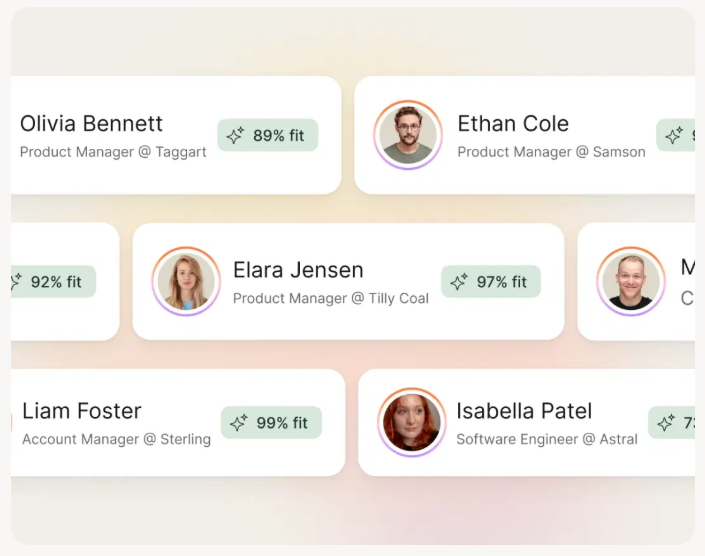
Neither 6sense nor Metadata solves your contact data problem. When an account lights up as in-market, your reps need verified emails and mobile numbers - not another dashboard. Prospeo delivers 98% email accuracy on a 7-day refresh cycle, so the data is current when the intent signal fires.
Turn account-level signals into direct conversations for $0.01 per lead.
Decision Framework
Choose 6sense if you have a defined target account list, need sales-marketing alignment on account scoring, can invest in a 4-8 week implementation with a dedicated admin, and have $55K+/yr in budget before ad spend.
Choose Metadata if you're spending $50K+/month on paid campaigns, your bottleneck is manual campaign ops rather than account identification, and you want spend-to-pipeline attribution that proves marketing ROI.
For teams under 20 or with ad budgets under $20K/month, neither platform makes sense yet. Start with a solid contact data foundation and scale into ABM tooling once the outbound motion is generating consistent pipeline.
FAQ
Can you use 6sense and Metadata together?
Yes - they sit in different parts of the funnel. 6sense identifies in-market accounts; Metadata automates paid campaigns targeting them. Some enterprise teams run both, though the combined cost north of ~$115K/yr before ad spend limits this to well-funded marketing orgs with dedicated ops.
What's the minimum budget for each?
6sense starts at ~$35K/yr for basic packages; the free tier caps at 50 credits/month. Metadata starts around $24K/yr, but practitioners consistently say you need $50K+/month in ad spend for meaningful optimization results.
What if my real problem is contact data, not ABM?
Neither platform is a contact data provider. If your SDRs are bouncing emails and hitting voicemail, you need a dedicated data layer first. Prospeo delivers 98% email accuracy, verified mobiles with a 30% pickup rate, and weekly data refresh - starting free at 75 emails/month. Pair it with either ABM tool once your outbound foundation is solid.