

The Best Time to Cold Call B2B Prospects in 2026
The best time to cold call B2B prospects isn't a single magic hour. It depends on what you're measuring. One study tracks connection rate. Another measures demo conversion. A third looks at meetings booked. The confusion isn't random - it's baked into how these studies define success.
Once you normalize for what actually matters - conversations that lead to meetings - the data converges more than you'd expect.
Quick version:
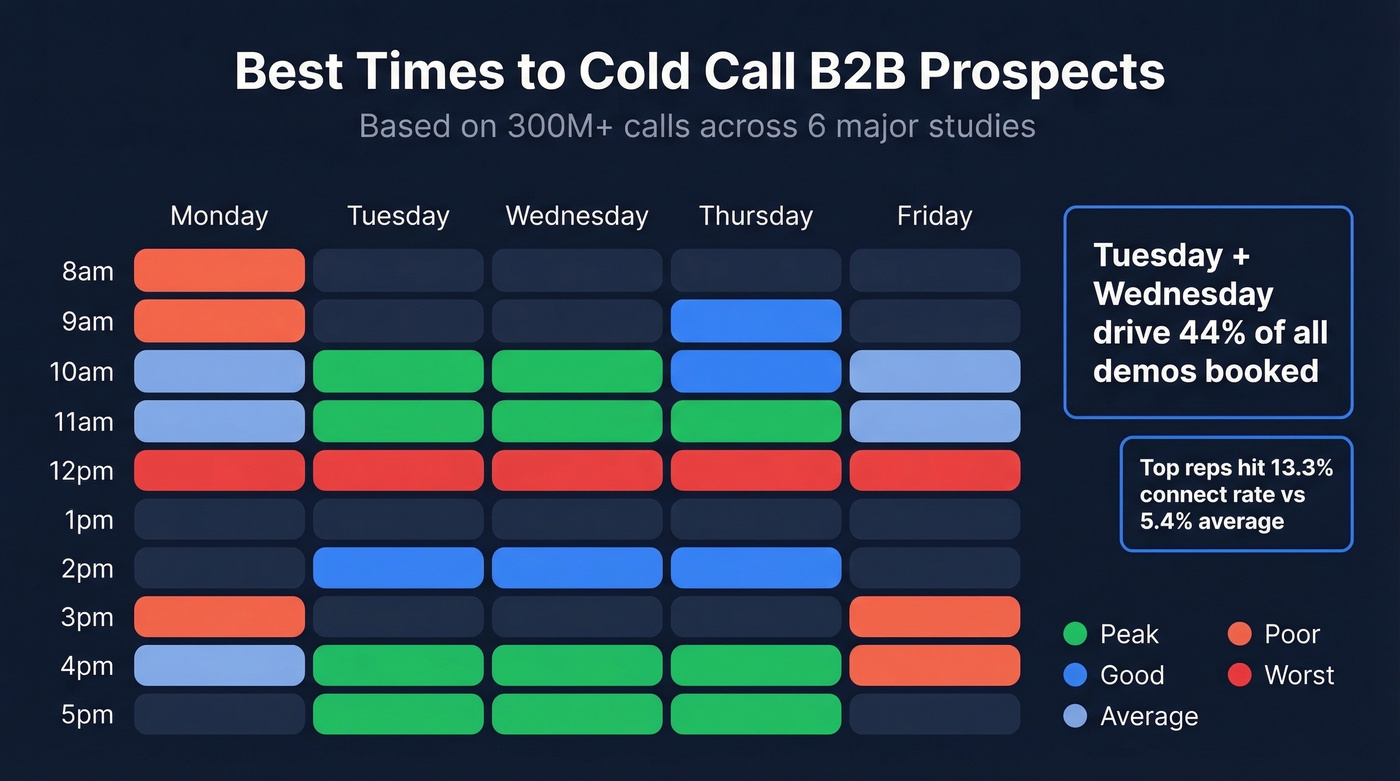
- Best hours: 10-11am and 4-5pm local time
- Best days: Tuesday and Wednesday
- Worst windows: Monday morning, Friday afternoon, 12-1pm lunch
- Pro tip: Call 5 minutes before the :30 and :00 marks
- Hidden variable: Your data quality matters more than your schedule
What 300M+ Calls Actually Show
We synthesized six major studies to find the pattern. Here's what they show:
| Study | Sample Size | Best Time of Day | Best Day | Key Metric |
|---|---|---|---|---|
| Gong | 300M+ cold calls | - | - | Connect rate benchmarks |
| Gong (timing study) | 100,000 connected calls | 10-11am, 4-5pm | - | Connection rate |
| ZoomInfo | 1.4M calls | 5 min before :30/:00 | Tue, Wed | Demo conversion |
| Cognism/WHAM | 2026 report | 10-11am (next best: 2-3pm) | Tuesday | Talk time / meetings |
| Revenue.io | 90-day internal | 4-5pm | Mid-week | Connection rate |
| InsideSales/MIT | Millions | 4-6pm | Mid-week | Contact rate |
| CallHippo | Aggregated | 8-9am, 4-5pm | Wed, Thu | Productivity |
Two daily peaks - late morning and late afternoon - plus mid-week dominance from Tuesday through Thursday show up across nearly every dataset. That's the signal worth paying attention to.
The 300M-call dataset puts the average connect rate at 5.4%, with top-quartile reps hitting 13.3%. That gap isn't just technique. Timing discipline and data quality are two of the biggest levers separating those groups.
The 1.4M-call analysis adds a useful nuance: Tuesday and Wednesday together drive 44% of all demos booked. If your territory includes EMEA, lean harder into Wednesday - it outperforms other days in that region by a meaningful margin.
Block your highest-priority dials for 10-11am and 4-5pm, Tuesday through Thursday. That's your 80/20.
Timing by Role
Generic timing advice breaks down when you're calling a CEO versus a mid-level manager.
| Target Role | Primary Window | Secondary Window | Why |
|---|---|---|---|
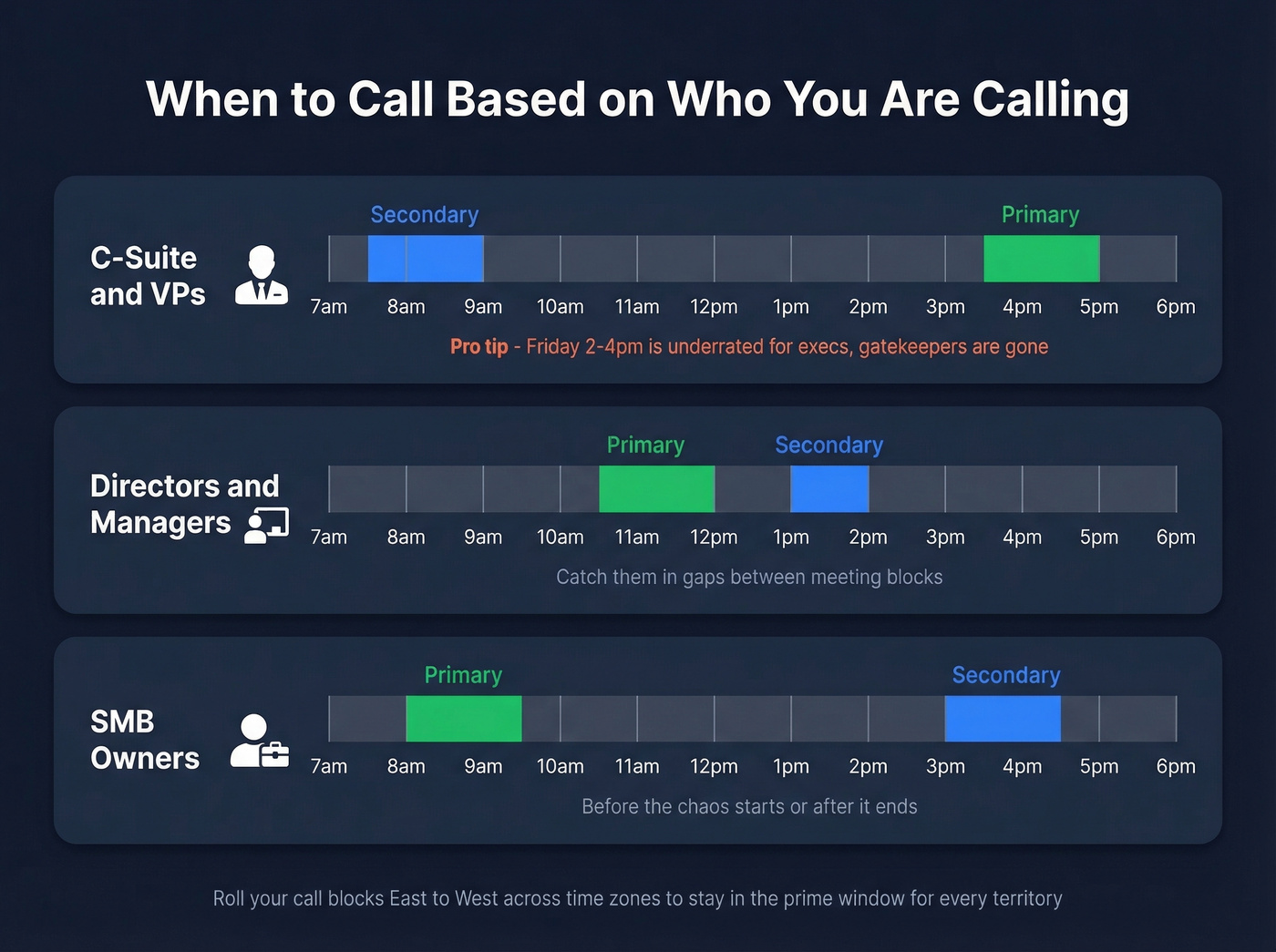
| C-suite / VP | 3:30-5:00pm | 7:30-9:00am | Easier to catch outside assistant-heavy hours |
| Directors / Managers | 10:30am-12:00pm | 1:30-3:00pm | More likely to have short gaps between meeting blocks |
| SMB Owners | 8:00-9:30am | After 4:00pm | Before the day gets chaotic, or after the rush |
Here's the thing: Friday afternoon actually works for executives. Gatekeepers are gone, meeting calendars thin out, and roughly 50% of execs are more open to calls on Fridays. Friday is the worst day overall, but for C-suite specifically, the 2-4pm window is underrated.
If you're calling across time zones, roll your call blocks East to West. Start with ET prospects at 10am, then shift to CT, MT, and PT as the morning progresses. This keeps you in the prime window for every territory without burning your energy on off-peak dials.
The 5-Minute Window Hack
This is the single most actionable tactic in this entire article.
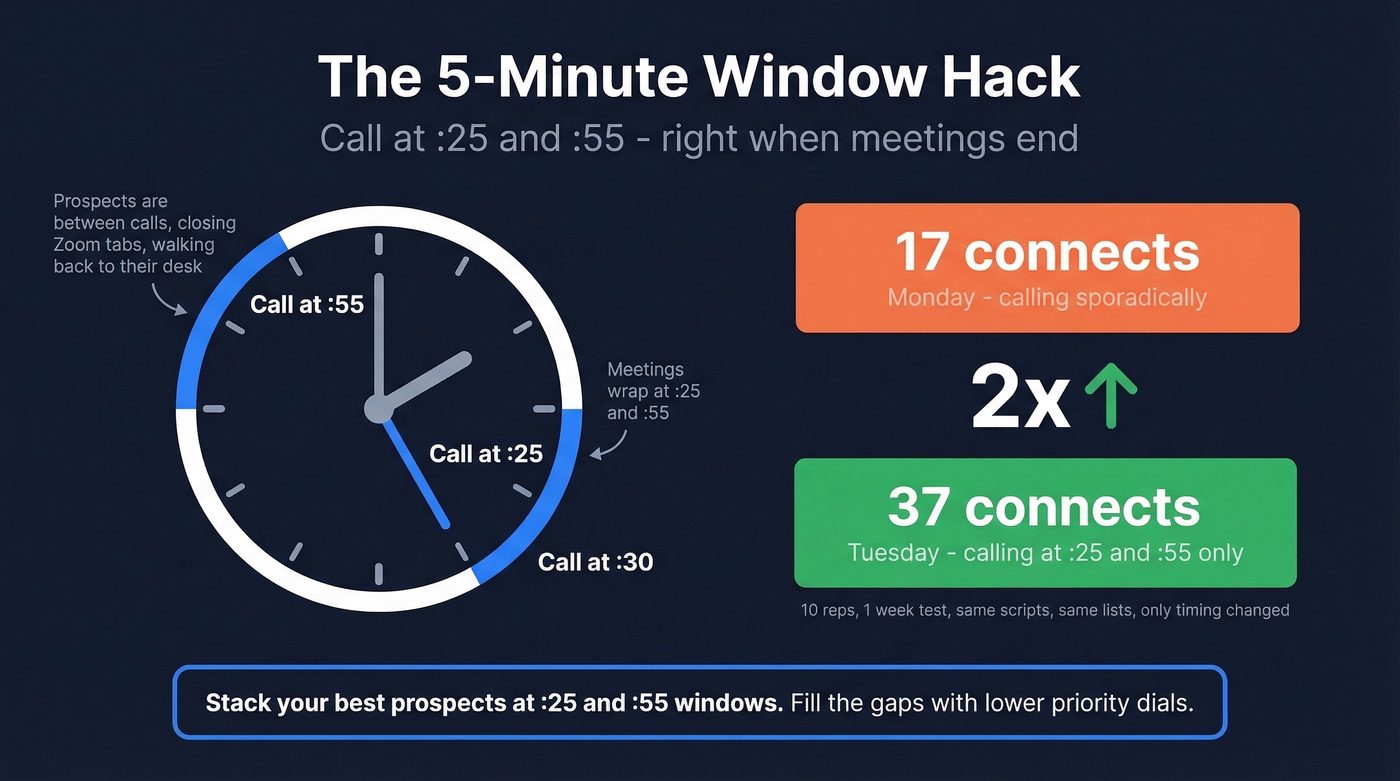
Meetings often wrap at :25 and :55 - five minutes before the half-hour and hour marks. That transition window, when someone's closing a Zoom tab or walking back to their desk, is when pickup rates spike. A ReachDesk SDR team tested this with 10 reps over one week. They went from 17 connects on Monday calling sporadically to 37 connects on Tuesday calling exclusively at :25 and :55 windows. That's a 2x improvement from timing alone, with no change in script, list, or rep skill.
Stack your best prospects at those windows and fill the gaps with lower-priority dials.

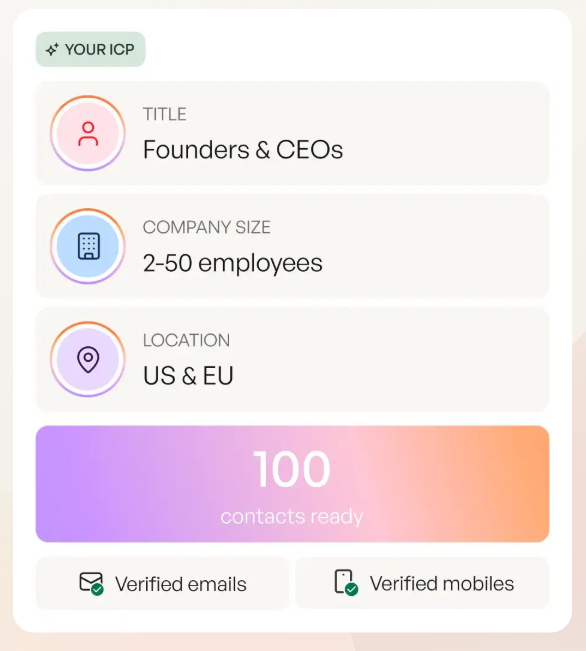
The 5-minute window hack doubles connects - but only if the number is live. 22% of B2B phone data decays every year. Prospeo's 125M+ verified mobiles refresh every 7 days, delivering a 30% pickup rate vs. the 12% industry average. Your timing strategy finally works when every dial reaches a real person.
Stop wasting your best call windows on disconnected numbers.
Worst Times to Call
Avoid these and you'll eliminate a chunk of wasted dials:
- Monday morning - prospects are triaging inboxes and planning the week. You're interrupting their only quiet planning time, and they'll resent it.
- 12-1pm lunch - the single worst intraday window across every major study.
- Friday afternoon - except for executives. For everyone else, it's checkout mode.
- Before 8am or after 9pm - TCPA restricts residential calls outside these hours, and even B2B prospects don't appreciate it.
Skip the "spray and pray" approach of dialing through lunch because your manager wants activity metrics. Those dials don't convert - they just pad your numbers.
The Hidden Variable: Data Quality
Let's be honest. Your call timing matters less than your data quality. You can nail every tactic in this article and still get crushed by bad phone numbers.
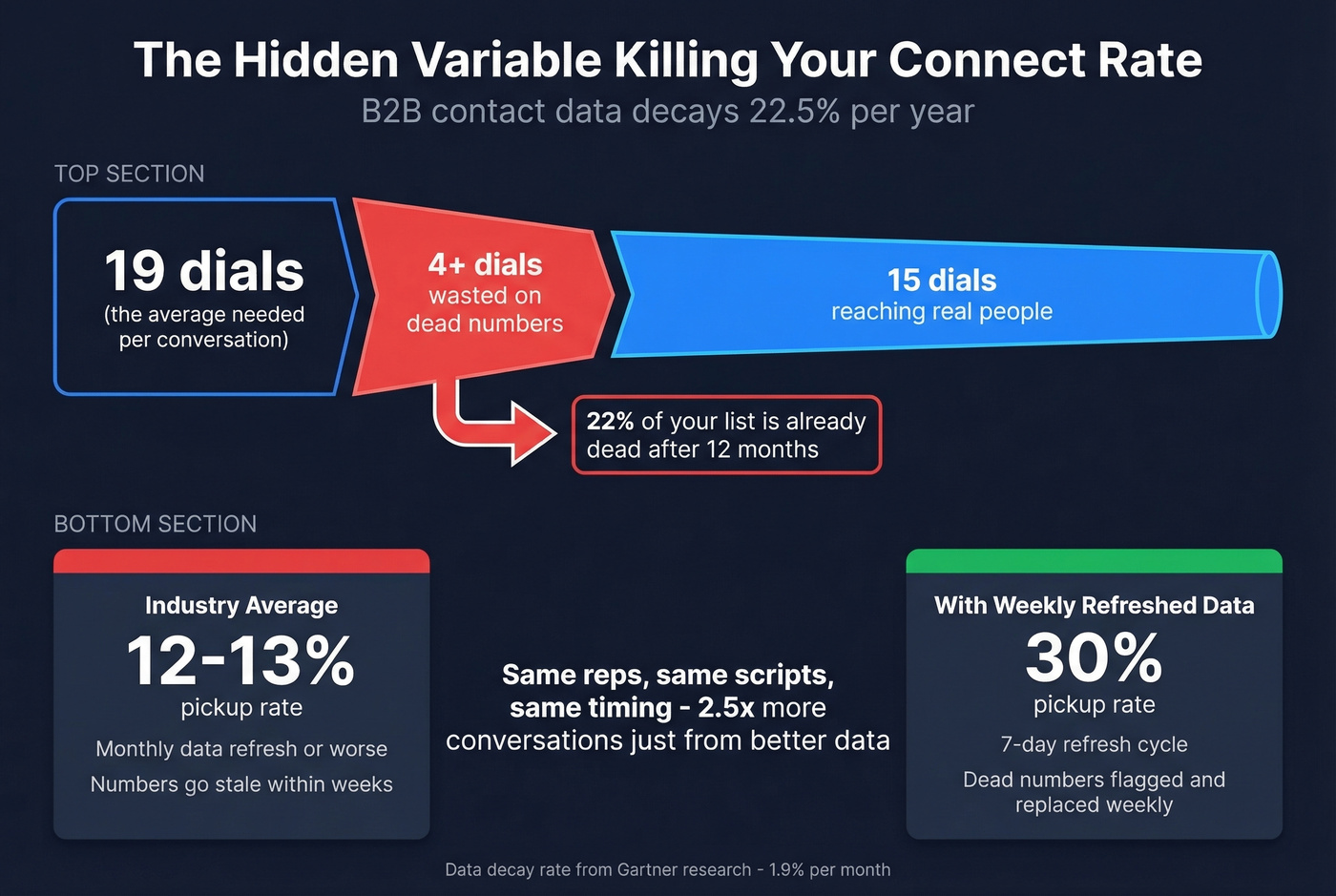
B2B contact data decays about 1.9% per month - that's 22.5% annually, according to Gartner's research on data decay. In our experience, this is the variable most teams underestimate because it's invisible. You don't see the dead numbers; you just see low connect rates and blame your timing or your script.
The math is brutal. The average rep needs 19 dials to get one conversation. If 22% of those numbers are dead, you're burning 4+ dials on disconnected lines before your timing strategy even gets a chance to work. We've seen teams double their connect rates just by switching to a provider with weekly data refreshes - before changing anything else about their process.
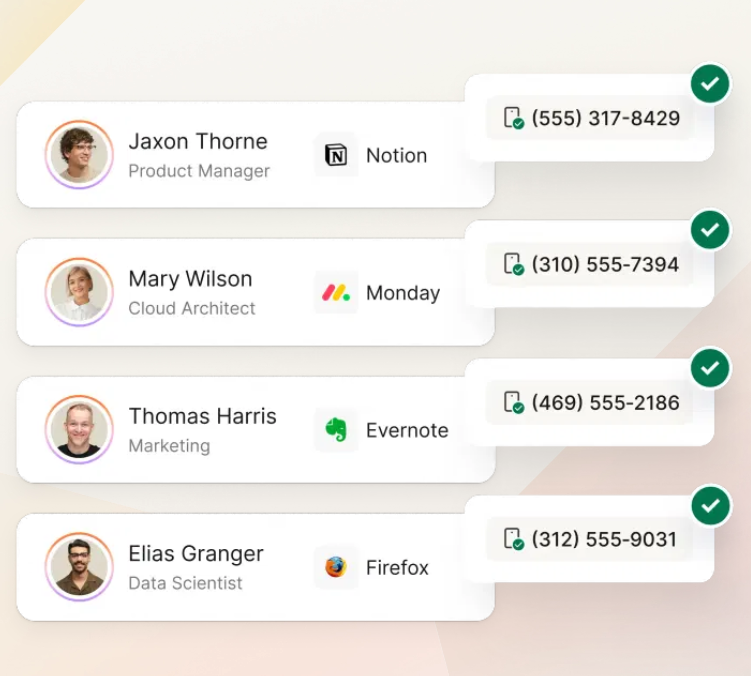
Prospeo's database covers 125M+ verified mobile numbers with a 30% pickup rate, compared to the 12-13% industry average. The 7-day data refresh cycle means stale numbers get flagged and replaced weekly, so your timing investment compounds instead of leaking through dead contacts. If you're evaluating vendors, start with a shortlist of sales prospecting databases and compare against B2B company data providers.
You just optimized your call blocks for 10-11am and 4-5pm. Now make sure every dial counts. Prospeo gives you verified direct dials at $0.01/lead - 90% cheaper than ZoomInfo - with weekly data refreshes that eliminate the dead numbers killing your connect rate.
Turn your peak calling hours into peak pipeline hours.
Find Your Own Best Window
The studies give you a starting point. Your own data gives you the answer.
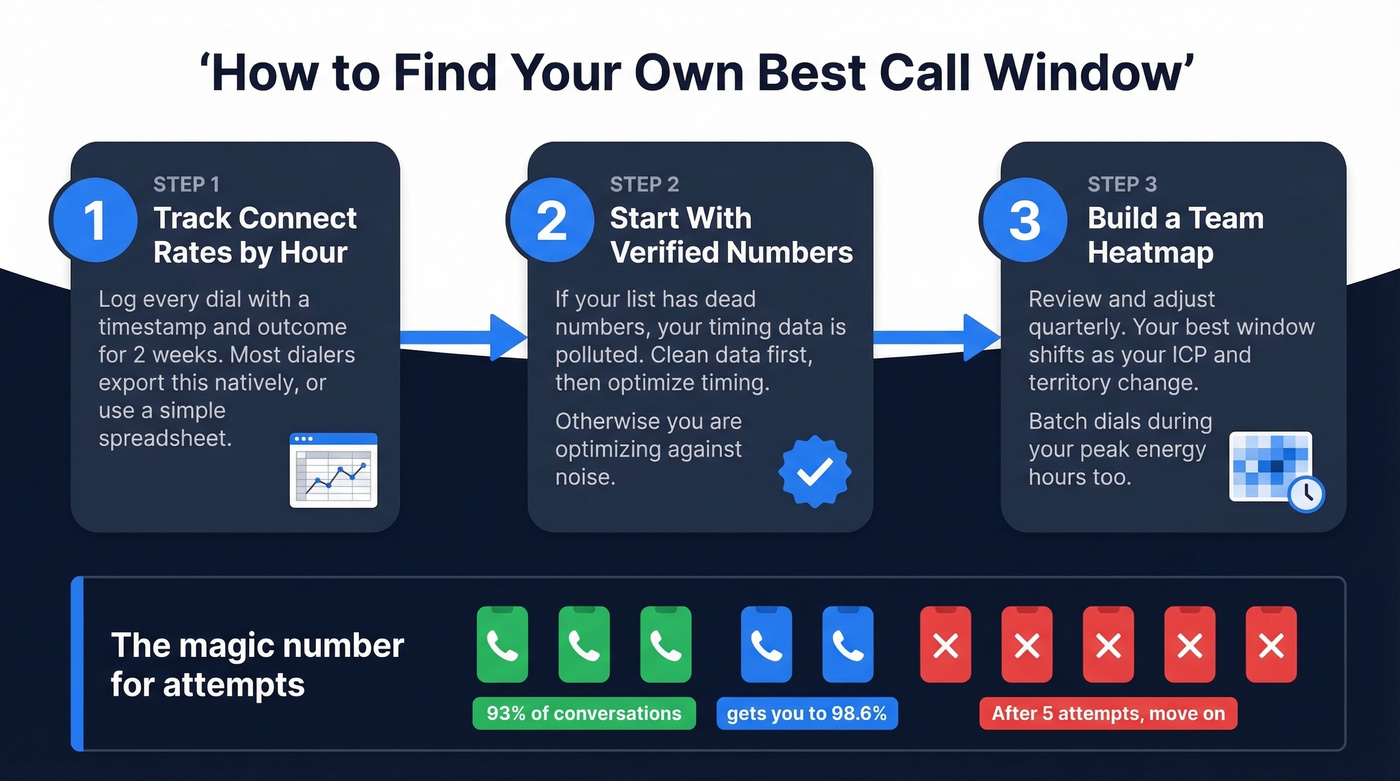
- Track connect rates by hour for two weeks. Log every dial with a timestamp and outcome. Most dialers export this natively - if yours doesn't, a simple spreadsheet works. (If you're building a repeatable outbound motion, a documented cold calling system helps.)
- Start with verified numbers so your timing data isn't polluted by dead contacts. Otherwise you're optimizing against noise. If you're also running email alongside calls, pair this with the best time to send cold emails so your touches stack.
- Build a team heatmap and adjust quarterly. Your best window will shift as your ICP and territory change. Batch your dials during your peak energy hours, too - calling when you're sharpest matters almost as much as calling when prospects pick up.
One more data point worth knowing: 3 attempts capture 93% of total conversations, and 5 attempts get you to 98.6%. After five tries at different windows, move on. The consensus on r/sales backs this up - most experienced SDRs say anything past five touches on the phone is wasted effort better spent on new prospects. If you need a broader playbook beyond timing, use these sales prospecting techniques to keep pipeline moving.
FAQ
How many cold call attempts before giving up?
Three attempts capture 93% of conversations; five get you to 98.6%. After five well-timed attempts across different days and windows, the return drops to near zero. Move on and revisit next quarter.
Does B2B cold calling still work in 2026?
Yes. The 300M-call dataset shows cold calling nearly doubles email reply rates - 3.44% vs 1.81% - even when you don't connect live. Success rates are tightening year over year, which makes timing and data quality even more critical than they were two years ago.
Why are my connect rates low even at peak hours?
Almost certainly a data quality problem. B2B contact data decays 22.5% per year, meaning a six-month-old list has roughly one in eight numbers already dead. Look for a provider with weekly data refreshes - that single change often has more impact than any timing optimization.