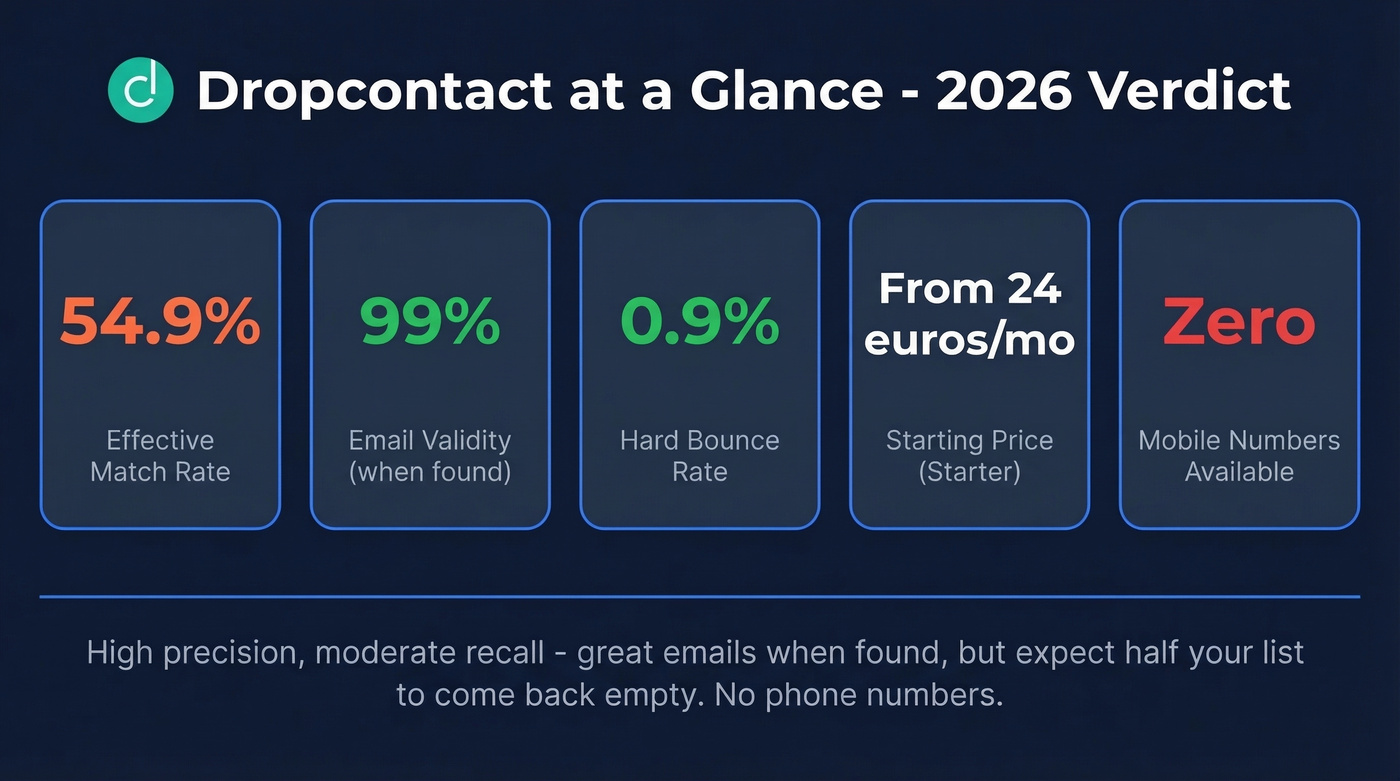
Dropcontact Review 2026: Pricing, Pros, Cons & Alternatives
You just opened the Dropcontact pricing page and realized you can't figure out what you'll actually pay. The credit tiers shift, the CRM plan is a separate subscription, and nobody tells you the effective cost per found email. We've spent the last few weeks pulling apart every plan, testing match rates, and reading through every G2 and Capterra review so you don't have to.
30-Second Verdict
Pricing Breakdown
Dropcontact offers 50 free credits to test, then two self-serve plans - Starter and Growth - spanning 10 credit tiers from 500 to 150,000 credits/month. Enterprise kicks in at 200,000 credits/month. Annual billing saves 20%.
| Detail | Starter | Growth |
|---|---|---|
| Starting price | €24/mo (entry tier) | Higher, scales with credits |
| Mid-tier anchor | €79/mo | €120/mo |
| Pay on success | ✅ | ✅ |
| Credit rollover | ❌ | ✅ |
| Company enrichment | ❌ | ✅ |
| LinkedIn enrichment (no login) | ❌ | ✅ |
Starter includes email finding, native validation, catch-all verification, API and MCP access, and file enrichment. Growth adds credit carryover, company data enrichment, job cleaning, LinkedIn enrichment without requiring a login, and company change detection.
Here's the thing most people miss: the CRM integration plan is a completely separate subscription. If you want Dropcontact enriching records inside HubSpot or Pipedrive automatically, that starts around €39/user/month and scales with usage - sitting on top of your Email Finder credits. We've seen this catch teams off guard more than once.
Your effective cost per found email depends on your match rate. Dropcontact's own benchmark puts effective enrichment at 54.9% effective enrichment overall, so a "1 credit per lookup" plan effectively becomes ~1.8 credits per found email once you account for misses and catch-all domains.
Pros
- GDPR-compliant by design - purely algorithmic with SMTP verification, no stored database. Built GDPR-first, not GDPR-retrofitted.
- 99% validity on standard emails - their docs target 99% validity for standard emails and 90% for catch-all domains. When it finds an email, it's usually deliverable.
- Pay-on-success model - credits get re-credited when an email isn't found, so you're not burning budget on misses.
- Exceptional in France - a SalesDorado field test reported roughly 94% enrichment with under 1.5% bounce rate for French contacts.
- Easy to use - "ease of use" appears in 7 separate G2 reviews, and setup genuinely takes minutes.
- Responsive support - flagged positively in 6 G2 reviews, notable for a tool at this price point.

Dropcontact's 54.9% match rate means half your list comes back empty - and you still get zero mobile numbers. Prospeo delivers 98% email accuracy across 143M+ verified addresses plus 125M+ direct dials, all refreshed every 7 days. Starting at ~$0.01/email with a free tier.
Stop choosing between accuracy and coverage. Get both.
Cons
Email-first scope, no personal mobile direct dials. Dropcontact isn't a "phones + emails" platform. It doesn't provide personal mobile numbers (a deliberate GDPR-driven choice). It can sometimes return business landlines, but that's not what you're buying it for. If mobiles are a must, start with a B2B phone number workflow instead of trying to bolt it on later.
Match rate reality. Dropcontact's benchmark across 20,000 contacts shows a 54.9% effective enrichment rate, and their support docs cite 50-80% depending on market and input quality. For every 1,000 contacts, expect ~500-800 found emails. Outside Western Europe, performance drops further.
A few more friction points worth knowing:
- CRM integration is a separate subscription - not included in Email Finder plans. If you're enriching inside your CRM, read this guide on enrich CRM data without breaking fields.
- HubSpot integration lacks selective enrichment - you can't enrich just one list. Capterra reviews flag this repeatedly.
- No pay-as-you-go option - you commit to a monthly credit tier. Under 500 lookups/month, the economics don't work.
- Loading times can lag - reviewers mention slow processing on larger batches.

Match Rate vs Accuracy
This distinction trips people up constantly. Dropcontact's "99% email accuracy" refers to the validity of emails it actually finds - not the percentage of contacts it finds emails for. Their February 2026 benchmark tested 20,000 contacts (9,800 US, 9,700 Europe, 500 rest of world) and reported 54.9% effective enrichment with just 0.9% hard bounces.
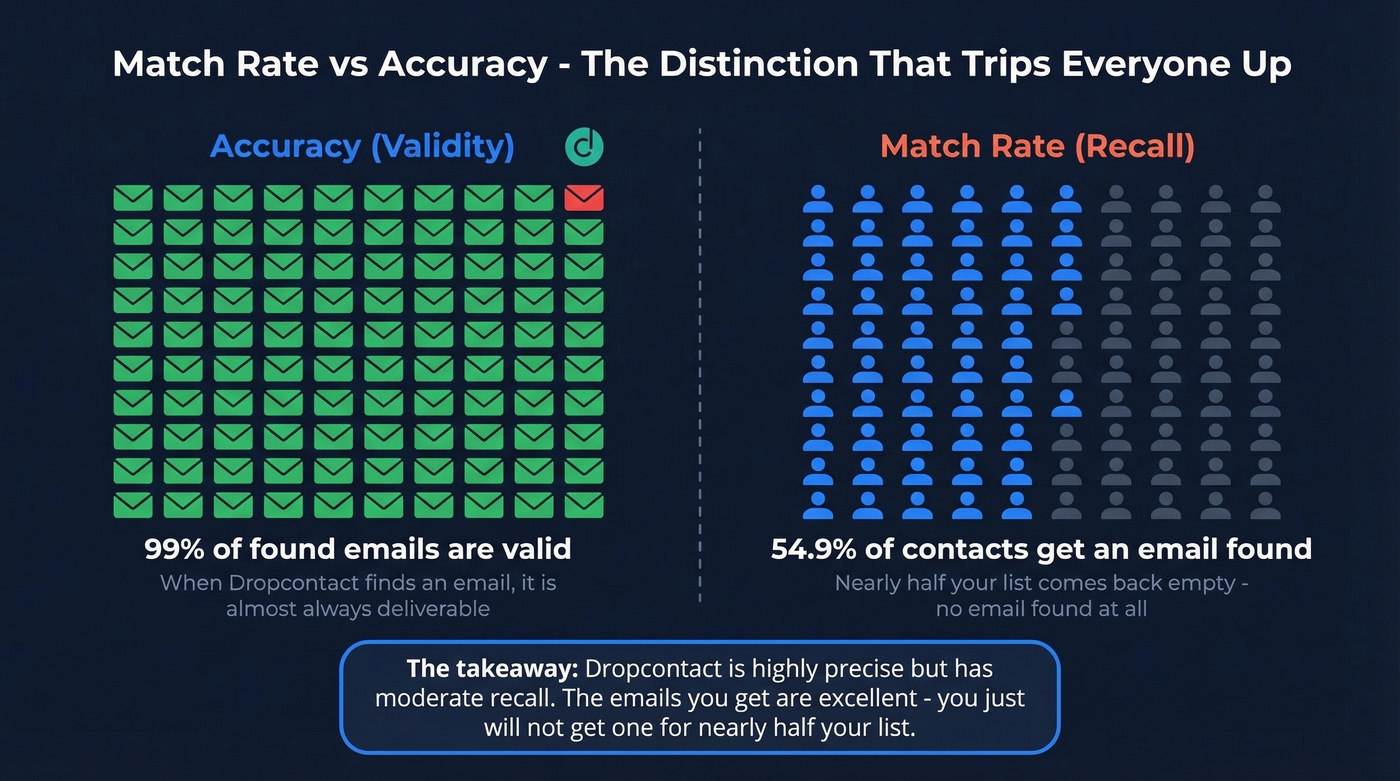
The emails you get are excellent. You just won't get one for nearly half your list.
That's the fundamental tradeoff with algorithmic tools: high precision, lower recall. Database-backed platforms typically find more contacts but bounce more often. In our experience testing enrichment tools head-to-head, this pattern holds almost without exception - the question is always which side of that tradeoff matters more for your workflow. If you're optimizing for deliverability, pair this with B2B cold email best practices and a proper email deliverability audit.
Who Should Use Dropcontact
Use it if you're a GDPR-conscious European team doing email-only outreach to 1,000+ contacts/month in Western Europe, especially if French company enrichment (SIREN, NAF codes) matters to you.
Skip it if you need mobile numbers, your prospects are primarily US-based, you want intent data, or you're doing fewer than 500 lookups/month. At that volume, you're paying for credits you won't use.
Let's be honest: Dropcontact is the best tool in a category most teams shouldn't limit themselves to. Email-only enrichment made sense in 2020. In 2026, if your SDRs aren't also calling direct dials, you're leaving pipeline on the table - build a multichannel sales strategy instead.
Dropcontact doesn't generate much discussion on Reddit - most detailed user feedback lives on G2 and Capterra, where it holds steady at 4.6-4.7/5.
Alternatives Worth Considering
| Tool | Starting Price | Email DB | Mobiles | Best For |
|---|---|---|---|---|
| Prospeo | Free tier available (~$39/mo paid) | 143M+ verified | 125M+ | Accuracy + mobiles, GDPR compliant |
| Hunter.io | €49/mo | 107M+ email addresses | ❌ | Email-only, transparent pricing |
| Lusha | $37/mo | Smaller | ✅ (limited) | Quick phone lookups |
| Apollo.io | Free tier available (~$49/mo paid) | 275M+ | ✅ | All-in-one sequencing |
| RocketReach | ~$53/mo | 700M+ | ✅ | Broad coverage |
Prospeo
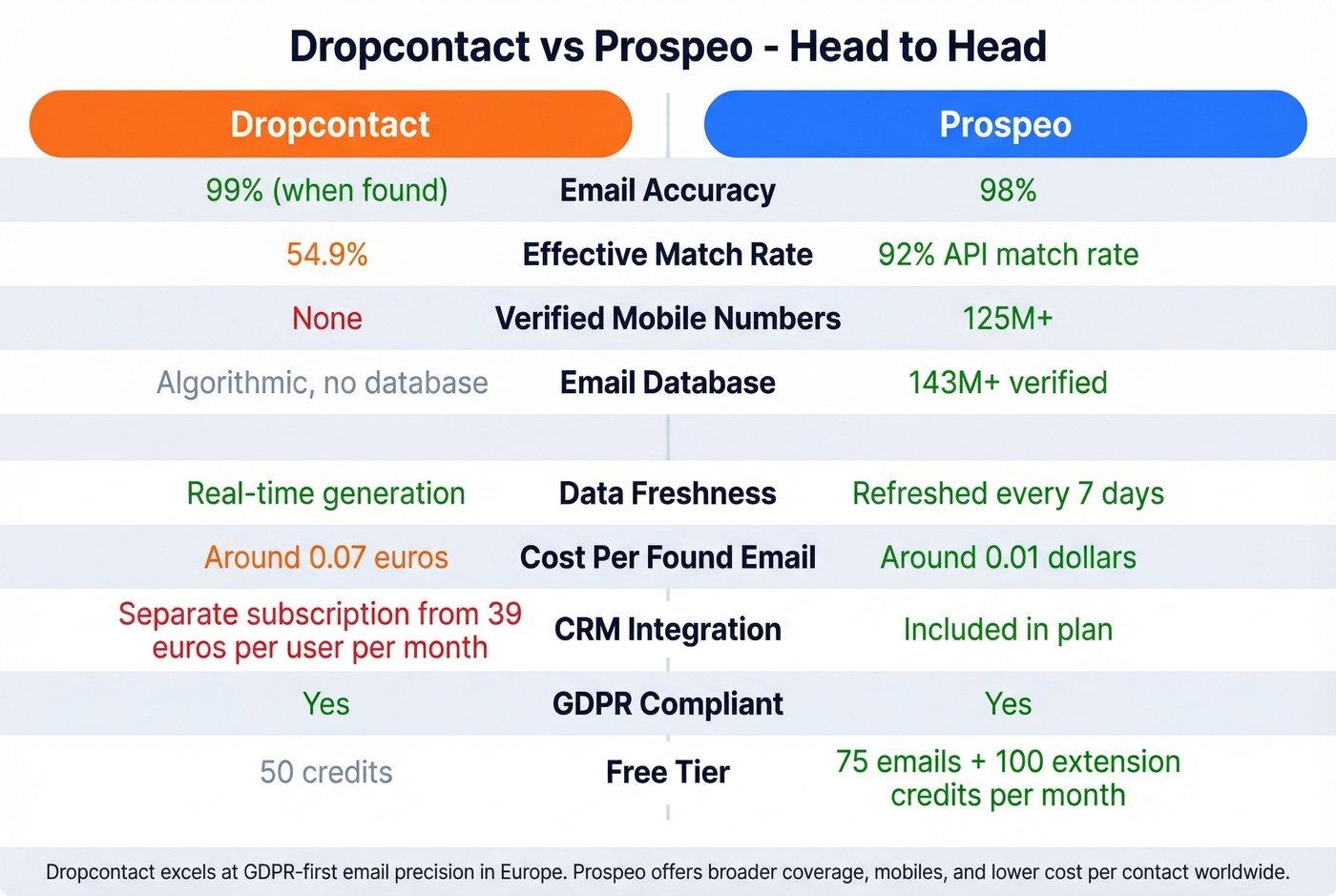
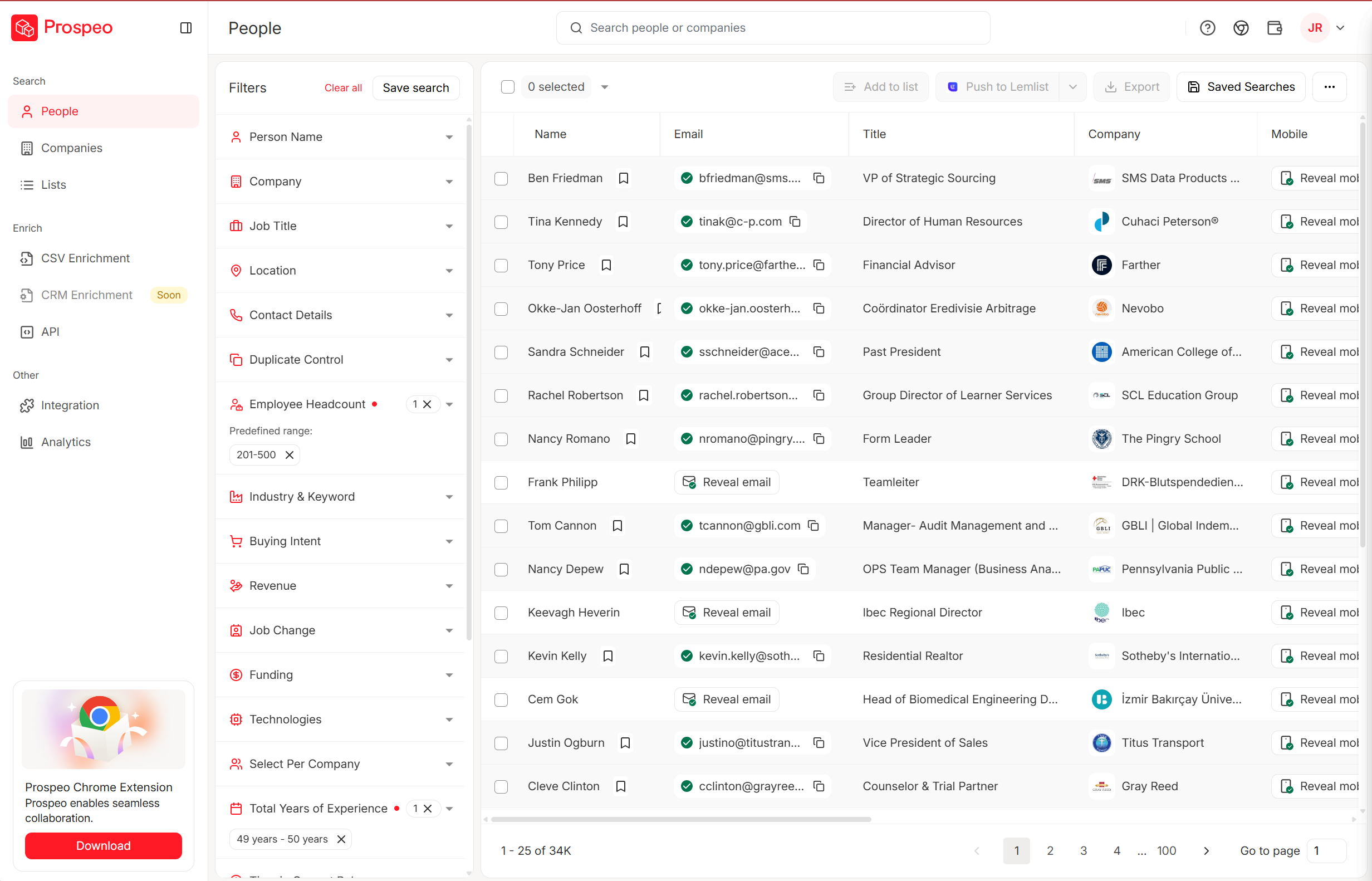
Prospeo covers 300M+ professional profiles with 98% email accuracy and 125M+ verified mobile numbers - the combination Dropcontact can't offer. Data refreshes every 7 days versus the industry-average 6 weeks, which means you're not emailing people who changed jobs two months ago. The free tier gives you 75 verified emails plus 100 Chrome extension credits monthly, and paid plans run roughly $0.01 per email. For teams that need both emails and direct dials without stitching together multiple tools, it's the cleaner path. If you're comparing platforms broadly, start with our roundup of the best sales intelligence tool options.
Hunter.io
Hunter starts at €49/mo for 500 searches and 1,000 verifications. Email-only like Dropcontact but with transparent, predictable pricing and a free plan offering 25 searches. A solid budget pick for pure email finding if you don't need enrichment beyond addresses. For more options in this category, see our tested list of the best email prospecting tool picks.
Lusha
Lusha starts at $37/mo with 4,800 emails/year on the base plan plus 480 phone numbers/year. Reasonable if you need occasional phone lookups alongside email without committing to a larger platform, though the annual phone credit cap feels tight for active outbound teams.
Apollo.io
Apollo's free tier is generous, and paid plans start around $49/mo with access to 275M+ contacts. It bundles sequencing, a dialer, and enrichment into one platform. The tradeoff is data accuracy - we've consistently seen higher bounce rates from Apollo compared to tools that specialize in verification. If you're evaluating similar stacks, compare against other Apollo.io alternatives.
RocketReach
RocketReach claims 700M+ profiles and starts around $53/mo. Broad coverage, decent for one-off lookups, but the data quality can be inconsistent on less common roles and smaller companies. If you're considering it, our deep dive on RocketReach Reviews breaks down what users report at scale.
Paying €39/user/month extra just for CRM enrichment? Prospeo includes native Salesforce, HubSpot, and 8+ integrations with no separate subscription. 92% API match rate, 50+ data points per contact, and 125M+ verified mobiles Dropcontact doesn't offer.
Emails, mobiles, and CRM enrichment - one platform, one price.
FAQ
Is Dropcontact GDPR compliant?
Yes. It generates emails algorithmically in real time without storing a personal database, making it one of the few enrichment tools built GDPR-first. No pre-built contact lists means no consent issues around data storage.
Does Dropcontact provide phone numbers?
Not personal mobile numbers or direct dials. It can return business landlines in some cases, but it's fundamentally an email enrichment tool. For verified mobiles, Prospeo (125M+ numbers, 30% pickup rate) or Lusha are better fits.
What's the real match rate?
Expect verified emails for 50-80% of contacts depending on market and input quality. Dropcontact's own benchmark across 20,000 contacts shows 54.9% effective enrichment with a 0.9% hard bounce rate - high precision, moderate recall.
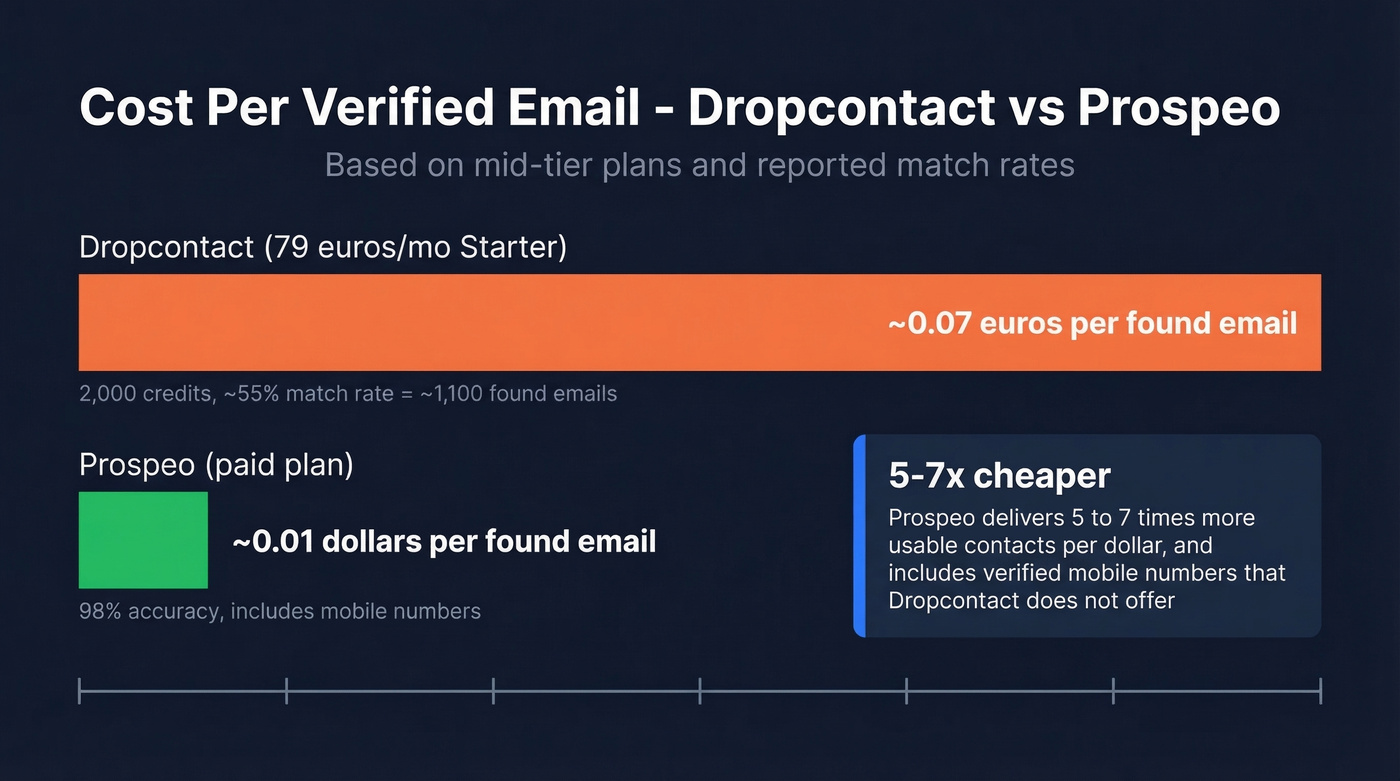
How does Dropcontact compare on cost per lead?
At the €79/mo Starter tier (mid-range), you get roughly 2,000 credits. With a ~55% match rate, that's about 1,100 found emails - roughly €0.07 per verified email. Prospeo's paid plans deliver found emails at ~$0.01 each with 98% accuracy, making it 5-7x cheaper per usable contact.