

The Best Go-to-Market Tools for 2026: What Actually Moves Pipeline
A RevOps lead posted on Reddit last year about an annual audit that uncovered $56,000 in spend across 25 tools. He canceled 20 of them. The five that survived were A-Leads, Strawberry, Sendpilot, Instantly.ai, and Loom - everything else was overlap, shelfware, or a solution to a problem nobody actually had. Forrester projects global tech spend hitting $5.6T in 2026, up 7.8% year-over-year. Budgets are growing, but so is CFO scrutiny. The era of buying a go-to-market tool because it demos well is over.
Here's what actually deserves a line item.
Our Picks (TL;DR)
| Tool | Best For | Starting Price | Verdict |
|---|---|---|---|
| Prospeo | Data accuracy & prospecting | Free (75 emails/mo) | 98% accuracy, 7-day refresh, no contract |
| Apollo.io | All-in-one for startups | Free tier available | Built-in sequencing + large DB. Fastest ramp. |
| HubSpot | CRM & marketing automation | Free CRM | Scales seed to enterprise. Largest integration library. |
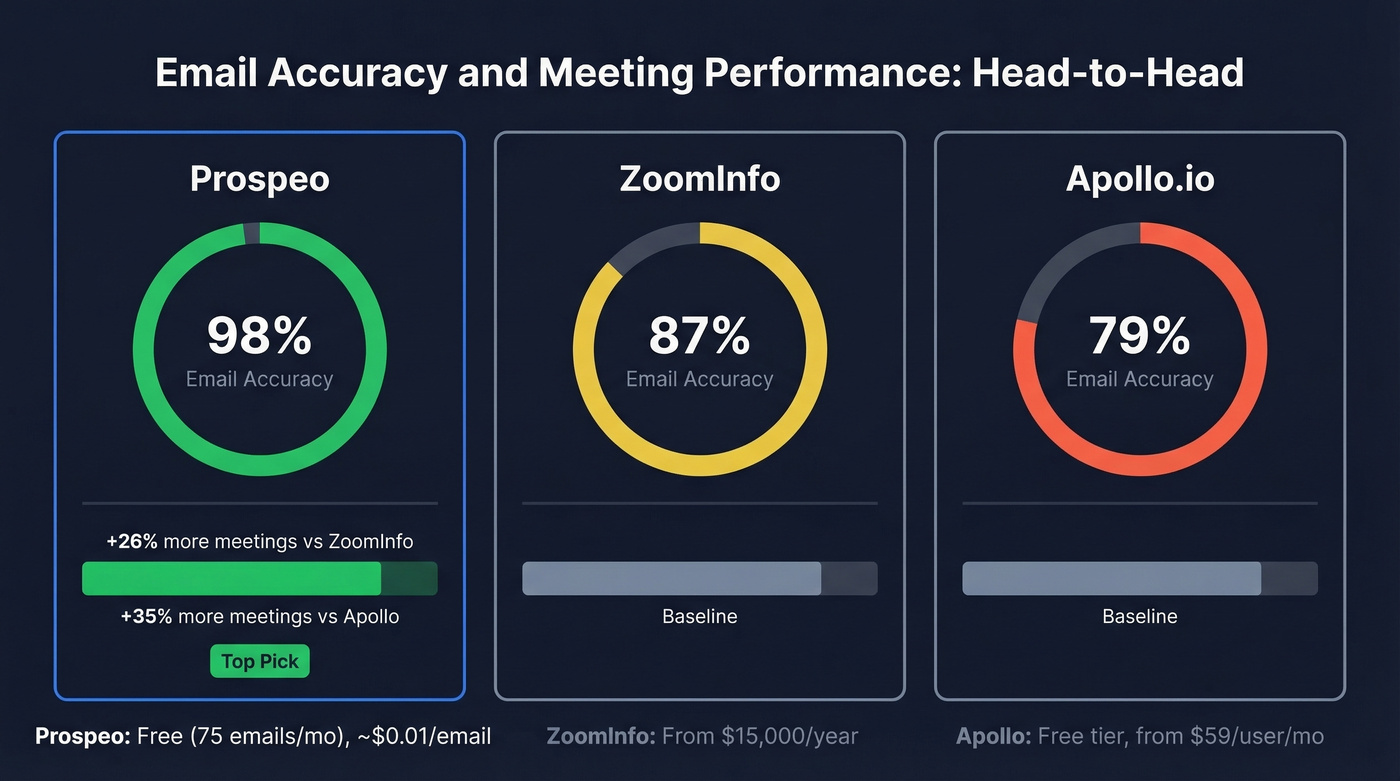
Prospeo earns the top spot because your outreach tool, your sequences, and your ABM campaigns are all downstream of data quality. In head-to-head testing, Prospeo's 98% email accuracy beats ZoomInfo at 87% and Apollo at 79%, and teams using Prospeo book 26% more meetings than ZoomInfo users and 35% more than Apollo users. The free tier gives you 75 verified emails per month to test before committing a dollar.
Why GTM Stacks Look Different in 2026
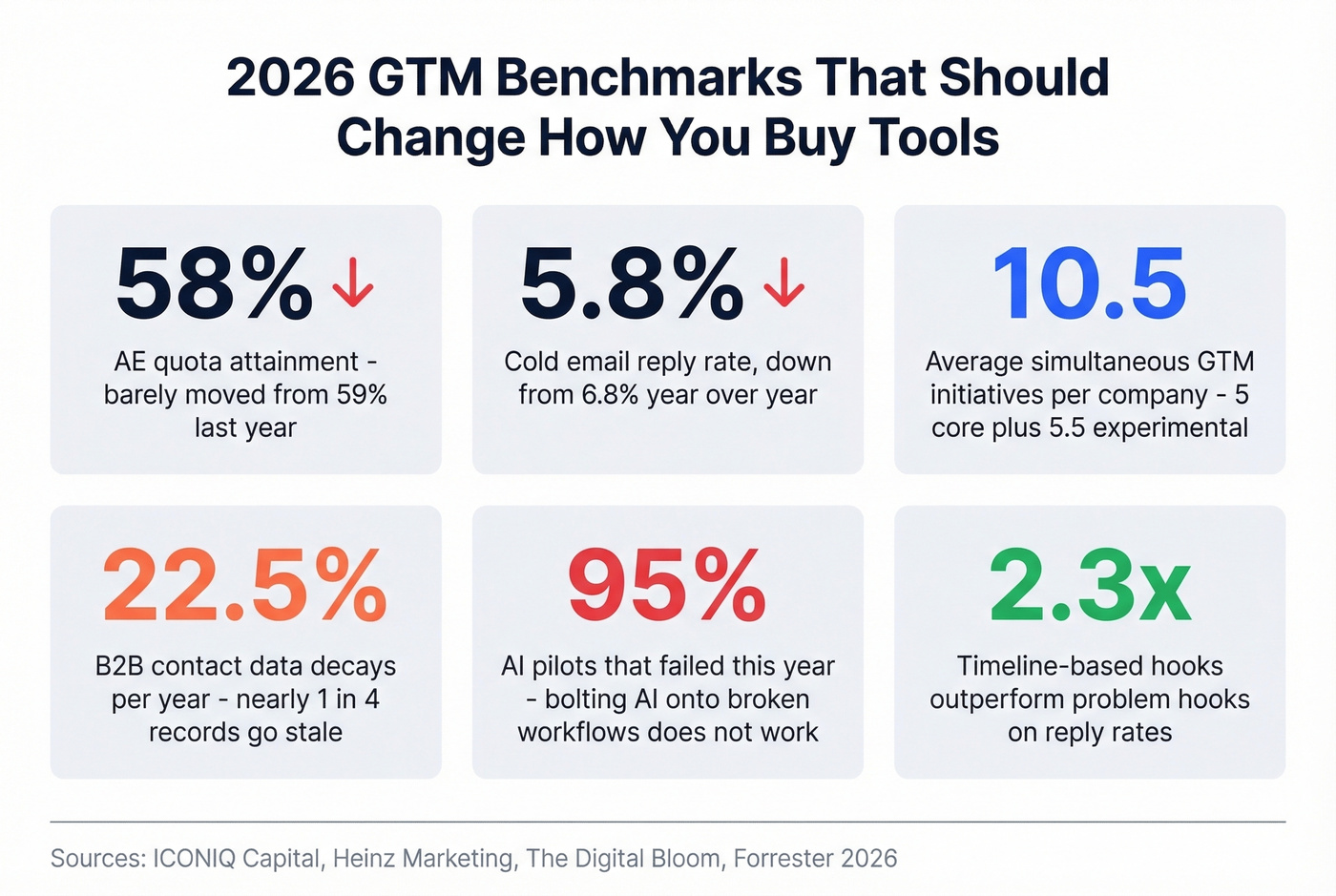
The average software company now runs 10.5 simultaneous GTM initiatives - five core channels plus 5.5 experimental motions. That's not strategy. That's chaos.
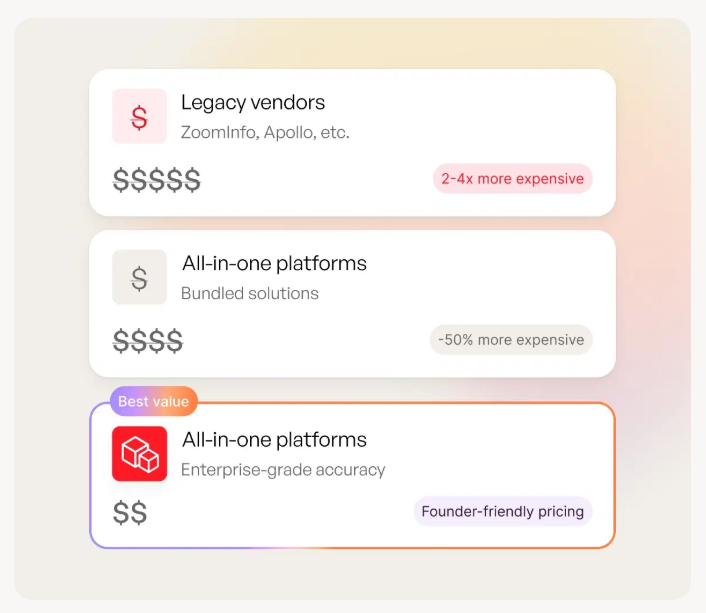
Three patterns are reshaping how teams buy GTM software. Category consolidation means suites are absorbing adjacent features, so one vendor now covers 60-80% of a workflow that used to require three. Platform-first decision-making has teams picking an operating system like HubSpot or Salesforce and building around it. And vendor rationalization drives fewer invoices, fewer security reviews, fewer integrations to maintain. Heinz Marketing's 2026 analysis frames this as the inevitable correction after the 2020-2023 growth era.
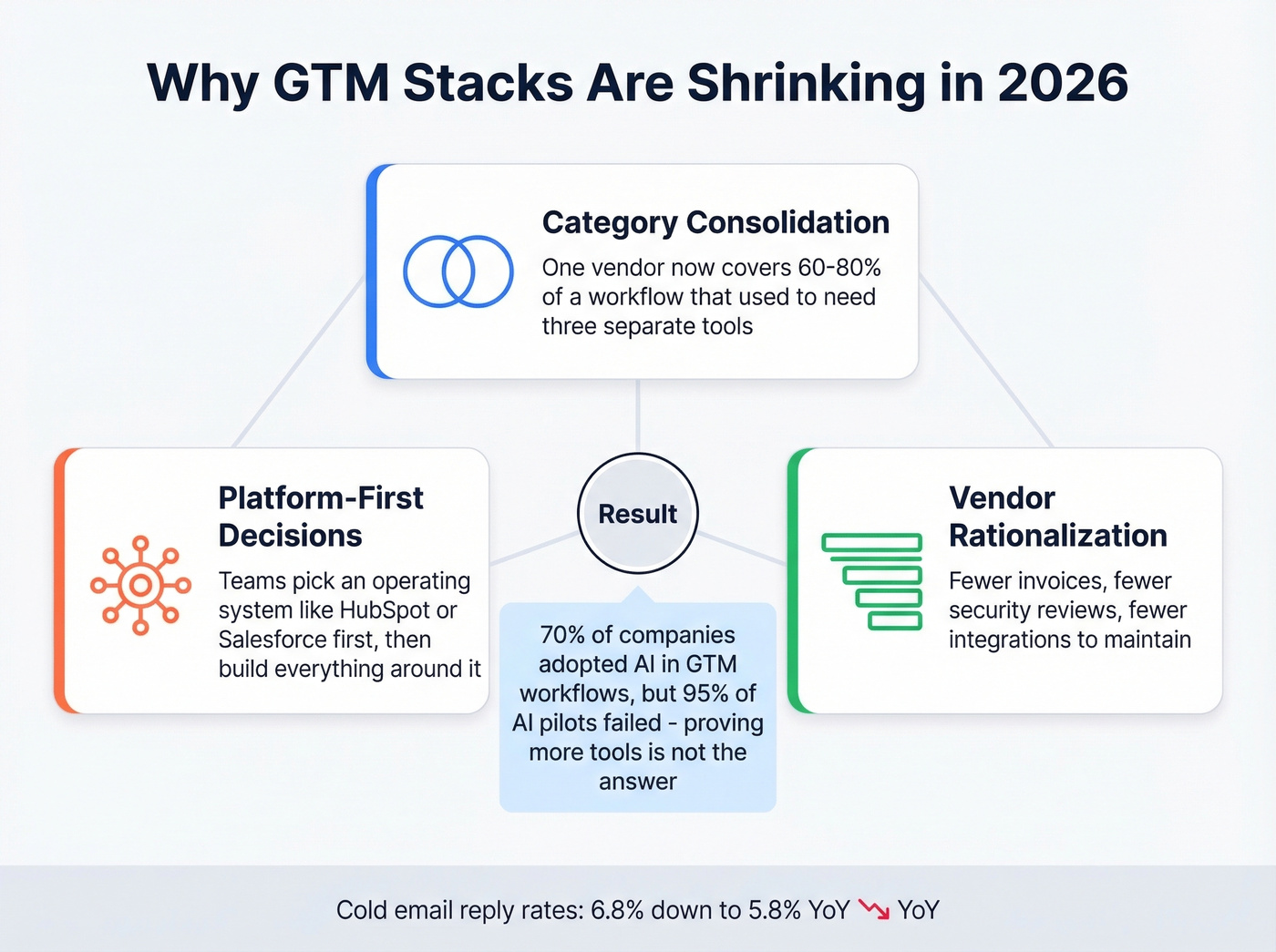
The numbers back it up. About 70% of companies report moderate or full AI adoption in GTM workflows, yet 95% of AI pilots failed this year - proof that bolting AI onto broken workflows doesn't fix them. Cold email reply rates slid from 6.8% to 5.8% year-over-year. Blasting more emails with more tools isn't working. The shift is toward orchestration over automation - fewer, smarter touches powered by better data.
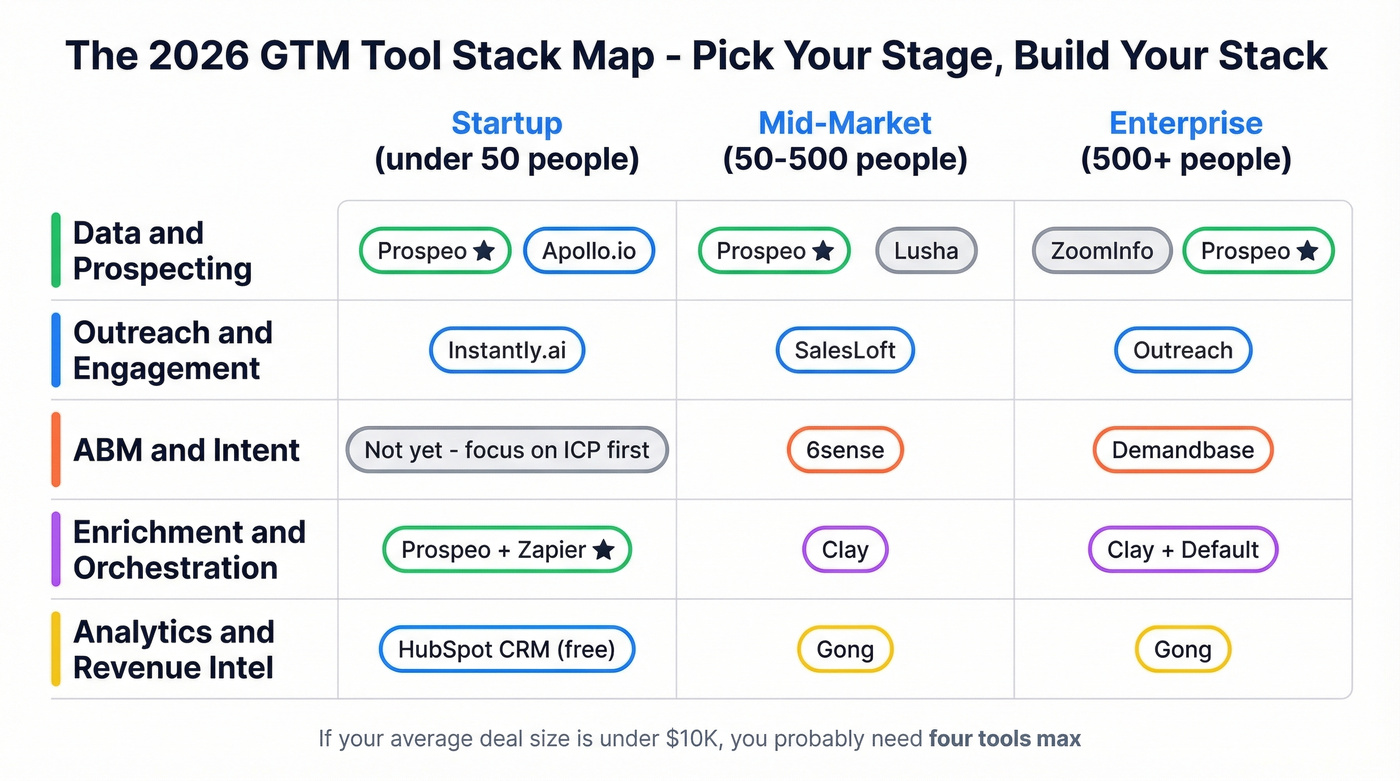
Here's the thing: if your average deal size is under $10K, you probably don't need more than four tools. Most teams are over-tooled and under-orchestrated. The companies winning right now aren't the ones with the biggest stacks - they're the ones where every tool actually talks to every other tool.
Best Go-to-Market Tools by Category
B2B Data & Prospecting
Every sequence, every ABM play, every enrichment workflow starts with contact data. B2B data decays at roughly 22.5% per year - people change jobs, companies rebrand, emails go stale. If your data layer isn't refreshing constantly, everything downstream suffers.
Prospeo
Use this if you care about deliverability more than database size and you've been burned by bounced emails from other providers.
Prospeo's database covers 300M+ professional profiles, 143M+ verified emails, and 125M+ verified mobile numbers with a 30% pickup rate. Snyk's team of 50 AEs saw bounce rates drop from 35-40% to under 5% after switching, with AE-sourced pipeline jumping 180% and 200+ new opportunities per month. That's what happens when reps stop wasting time on dead contacts.
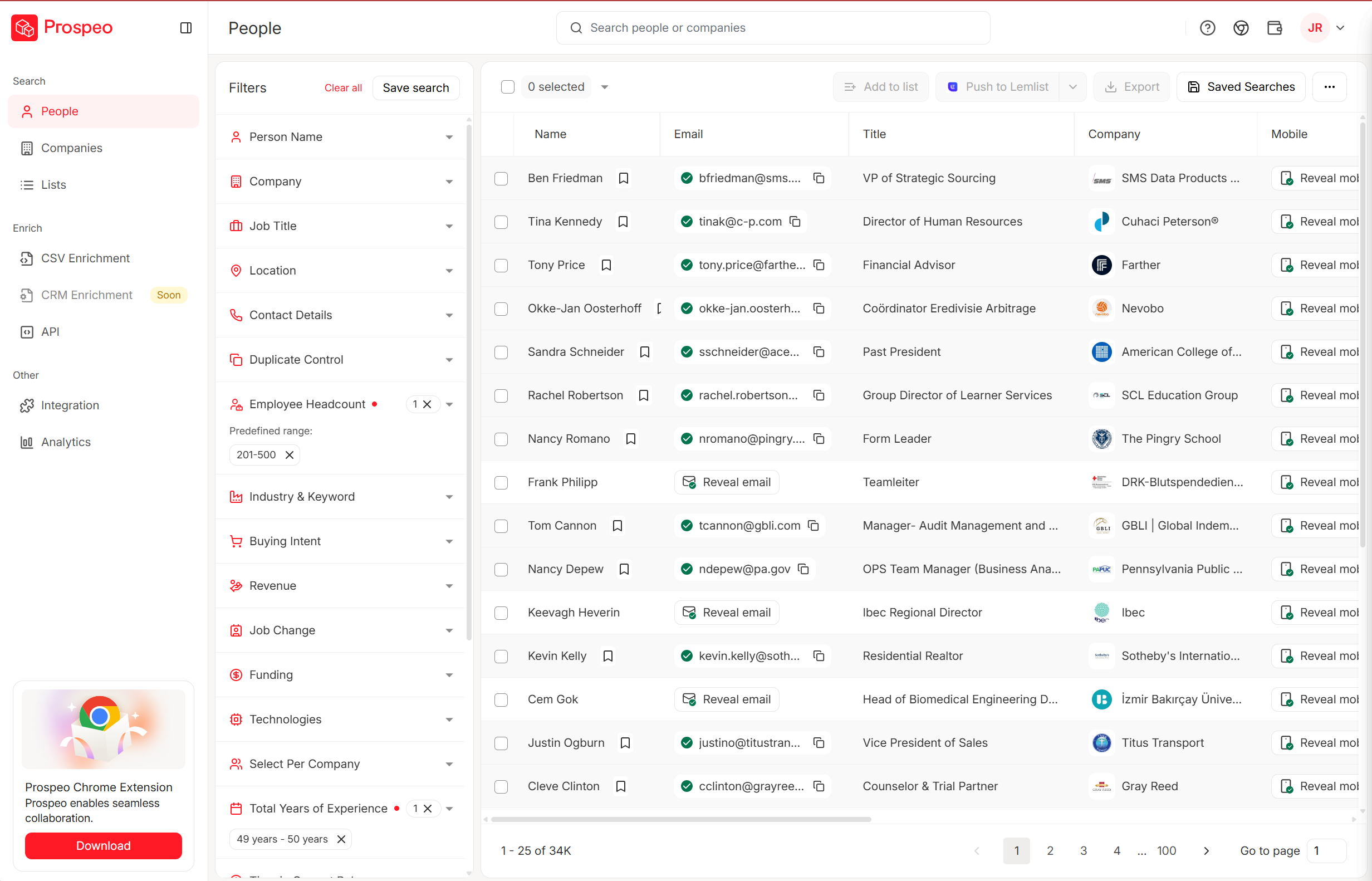
The 7-day data refresh cycle is the real differentiator - the industry average sits around six weeks. Prospeo also includes intent data tracking 15,000 topics via Bombora, 30+ search filters covering buyer intent, technographics, job changes, and funding signals, plus native integrations with Salesforce, HubSpot, Smartlead, Instantly, Lemlist, Clay, Zapier, Make, and n8n. The Chrome extension with 40K+ users lets reps find verified contacts directly from company websites and CRM records. GDPR compliant with opt-out enforcement and DPAs available - a requirement for any team prospecting into European markets.
Pricing is transparent and self-serve: free tier with 75 emails per month, paid plans at roughly $0.01 per email, no annual contracts. That's about 90% cheaper per lead than ZoomInfo.
Apollo.io
Apollo is the obvious starting point for most SMB teams. The free tier includes 50 AI credits and up to 2 sequences - enough to validate whether outbound works for your business before spending anything. The database is large, the UI is intuitive, and built-in sequencing means you don't need a separate outreach tool on day one.
The key tradeoff: accuracy degrades outside US markets, and credits don't roll over between billing cycles. That credit expiration catches teams off guard.
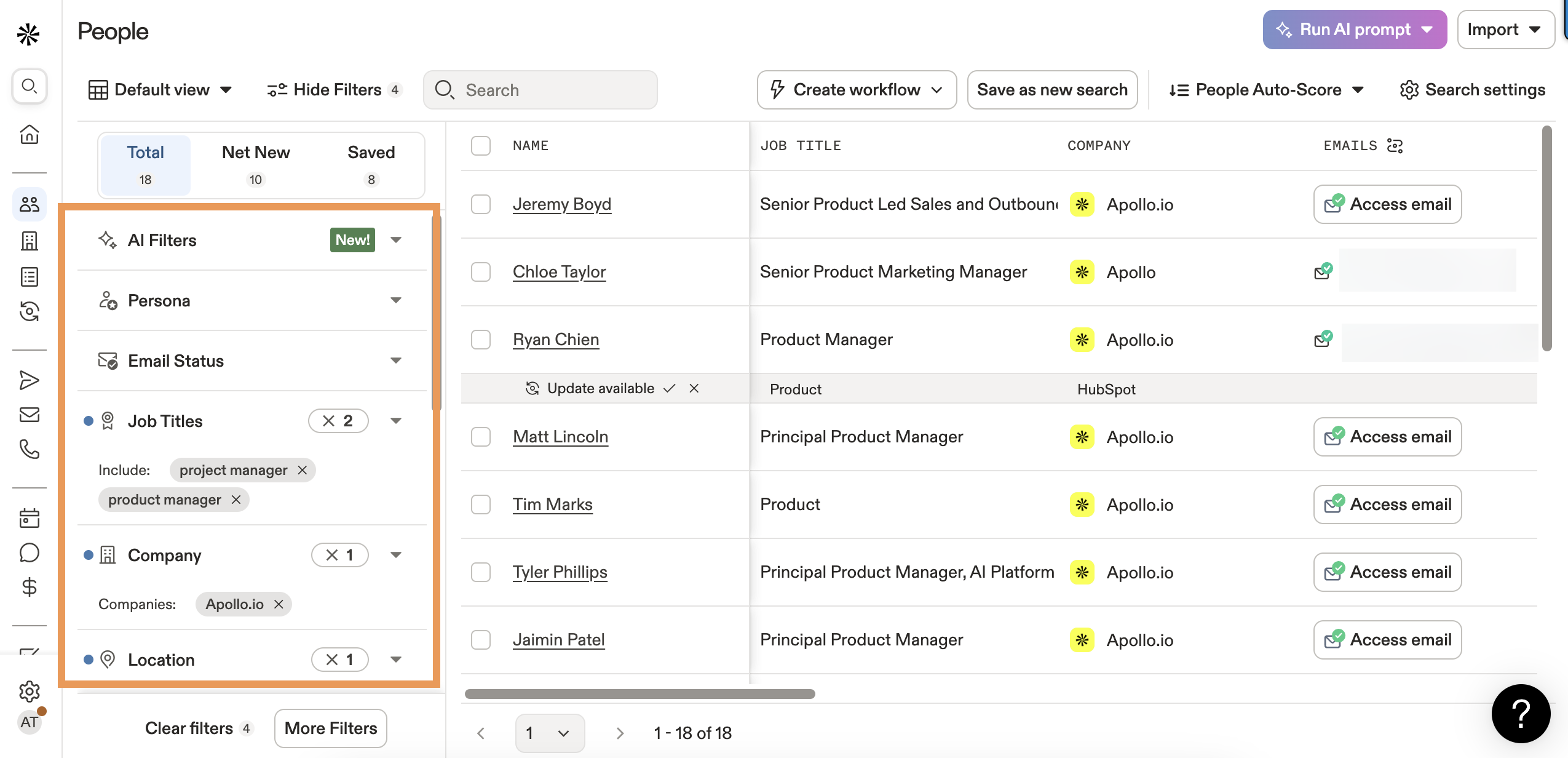
Pricing: Free -> Basic from $59/user/month -> Professional from $99/user/month -> Organization from $149/user/month, with a minimum of 3 seats on Organization (typically annual-only). Expect real-world spend of $50-$100/user/month once you factor in credit overages.
For a 10-person startup, Apollo is the right call. For a 200-person sales org selling into Fortune 500s, it's not.
ZoomInfo
Use this if you're an enterprise team selling into North America with budget for a platform commitment. Skip this if you're a startup, you sell internationally, or you don't want to negotiate a multi-year contract.
ZoomInfo's database runs 100M+ business professionals and 14M+ company profiles, with technographics, org charts, and intent data via Bombora. It's one of the deepest GTM data platforms available - and the most expensive.
Pricing starts at $15,000/year for Professional, $24,000+ for Advanced, and $40,000+ for Elite. Real spend often lands closer to $50,000 annually once you add extra credits and add-ons like NeverBounce verification and global data. The auto-renewal windows are the other pain point - you've got 60-90 days to cancel or you're locked in for another year, and 20% increases are a common complaint on r/sales.
ZoomInfo is genuinely excellent if you can afford it and you'll actually use the full platform. Most teams can't and don't.
Lusha
Quick-lookup tool with a free tier and paid plans from ~$49/mo per user. Credit-based model works for individual reps doing ad-hoc research, but it doesn't scale for systematic outbound.
Outreach & Sales Engagement
Cold email reply rates dropped to 5.8%, and timeline-based hooks outperform problem hooks 2.3x on reply rates. The tool matters less than the messaging and the data feeding it - but you still need a reliable sending engine.
Outreach
The enterprise standard. Multi-channel sequences, AI-assisted email writing, robust analytics, and deep Salesforce integration make it the default for teams with 20+ reps. Pricing runs ~$100-$130/user/month on annual contracts. Where Outreach earns its price: pipeline visibility and manager-level coaching workflows. Where it frustrates: steep learning curve and mandatory annual billing.
Instantly.ai
The scrappy alternative that's taken over SMB outbound. Growth plan at $30/mo and higher tiers around $77/mo - both with unlimited email accounts. That unlimited sending infrastructure is the draw: rotate across dozens of domains without per-seat costs eating your budget.
It won't replace Outreach for enterprise teams. But for agencies and startups running high-volume cold email, it's the best value in the category.
SalesLoft
Sits between Outreach and Instantly on both price (~$75-$125/user/mo) and complexity. Solid for mid-market teams that need structured cadences without Outreach's full platform weight. Worth evaluating before signing a multi-year deal elsewhere.
ABM & Intent Data
Demandbase
The ABM platform for companies that have already figured out their ICP and want to run coordinated account-based campaigns across ads, web personalization, and sales alerts. Pricing runs $30K-$100K+/year depending on modules and account volume. Don't bother if you're under 50 employees or $10M ARR.
6sense
Competes directly with Demandbase on predictive analytics and account identification at ~$30K-$80K+/year. The platform's strength is identifying anonymous buying signals before prospects fill out a form. Skip it unless you have a dedicated ABM team to operationalize the data.
Enrichment & Orchestration
Clay
Clay is the most powerful enrichment tool on the market - and the most divisive. Its waterfall enrichment approach pulls from 150+ data providers, improving email find rates from roughly 40% to 78%. For technical operators who think in workflows, it's a game-changer. For everyone else, it's a headache.
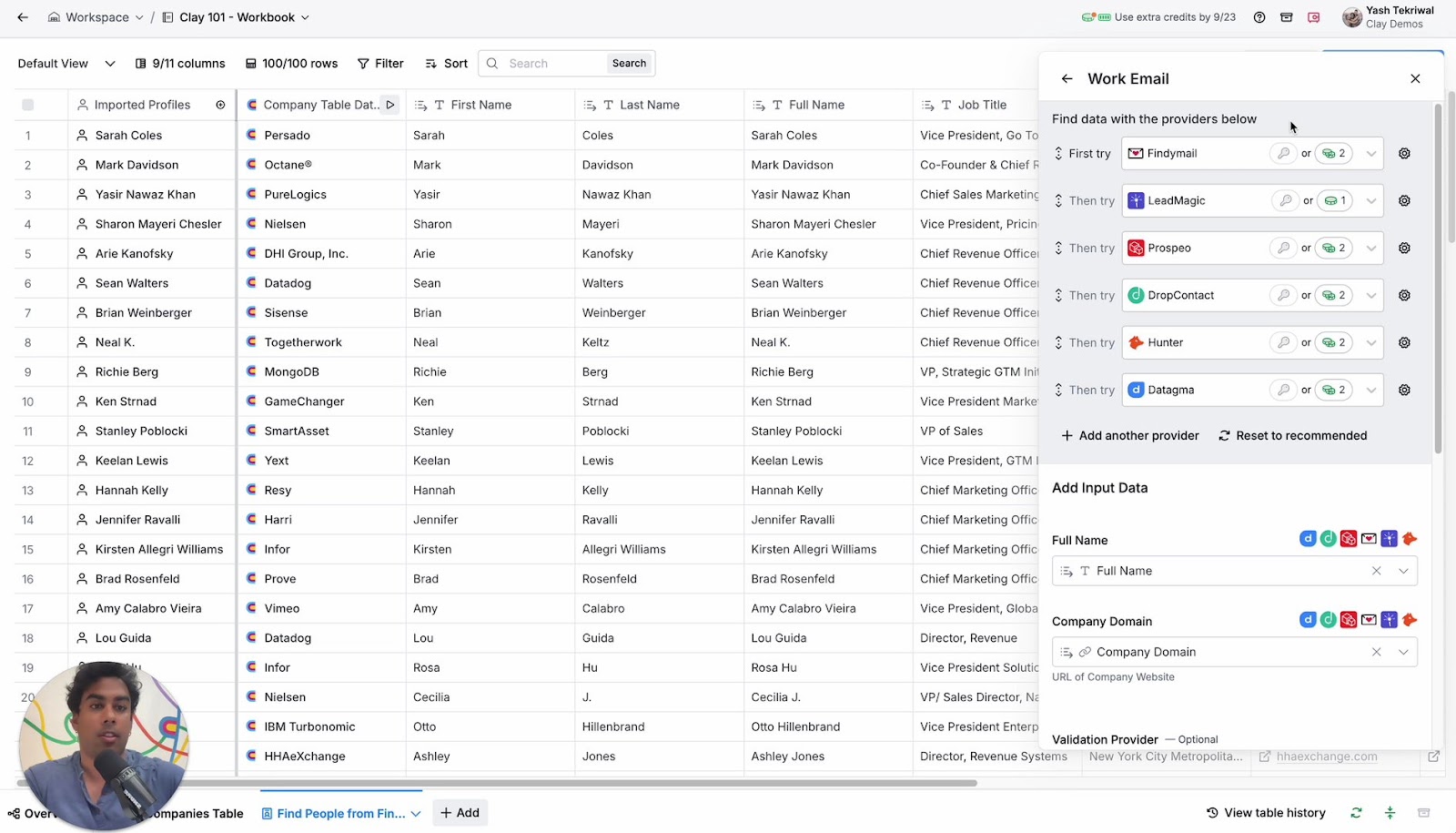
Subscription pricing runs $185-$495/month, but real TCO includes $1,500-$3,000/year in credit top-ups, $1,200-$2,400/year for dependent tools, and often consultant support. Realistic annual spend for a small team: $4K-$10K. One Reddit user described it as "tedious, time consuming, and overall not that helpful" after testing. That's not universal - plenty of GTM engineers swear by it - but it captures the adoption friction perfectly. If you don't have someone who thinks like an engineer on your RevOps team, you'll build half a workflow and abandon it.
Default
Inbound orchestration platform that unifies routing, enrichment, and scheduling to reduce speed-to-lead. Growth plan starts at $500/month with 20K enrichment credits per year, and website intent tracking is a $600/month add-on. Purpose-built for teams where inbound leads are leaking between form submission and rep response. If your problem is outbound, look elsewhere.
Analytics & Revenue Intelligence
AE quota attainment sits at 58% - barely changed from 59% the year before. Revenue intelligence tools exist because most teams can't explain why deals are stalling until it's too late.
Gong
Conversation intelligence that records, transcribes, and analyzes sales calls. The real value isn't call recording - it's pattern recognition across your entire pipeline. Which talk tracks correlate with closed deals? Where do reps lose momentum? Pricing runs ~$100-$150/user/month with minimum seat requirements, typically 10+. Not cheap, but the teams that use it well never go back.
Clari
Revenue forecasting and pipeline management for enterprise sales orgs at ~$50K-$100K+/year. This is a VP of Sales tool, not a rep tool. Worth it if your board demands forecast accuracy and you can't deliver it from Salesforce alone.
HockeyStack
Attribution and analytics platform connecting marketing spend to pipeline. Pricing is custom. Best for marketing teams that need to prove ROI across channels - still maturing compared to Clari and Gong, but the multi-touch attribution is strong.
CRM & Marketing Automation
HubSpot
HubSpot's free CRM is the best starting point for any company under 100 employees. It's genuinely free, genuinely useful, and the upgrade path is clear: Marketing Hub Starter from around $20/month, Professional from around $890/month. The integration library is unmatched - virtually every GTM tool connects to HubSpot natively.
Where HubSpot gets expensive is the jump from Starter to Professional tiers, especially on the marketing side. But the CRM itself remains the best free option available, and the sales tools are solid enough that many Series A companies never outgrow them.
Salesforce
The enterprise default. If you're above 200 employees or selling into organizations that expect Salesforce integration, you don't really have a choice. But let's be honest: "CRM is where data goes to die" is a line we've heard from multiple RevOps leaders, and it's usually about Salesforce. The platform is powerful but demands constant maintenance, clean data hygiene, and dedicated admin resources. Pricing starts around $25/user/month for Essentials but enterprise deployments run $150-$300/user/month with add-ons.

That Reddit audit killed 20 tools but kept the data layer alive - because everything downstream depends on it. Prospeo delivers 98% email accuracy on a 7-day refresh cycle, 30+ filters including intent and technographics, and native integrations with the tools already in your stack. At $0.01/email with no contract, it's the leanest line item in your GTM budget.
Stop over-tooling. Start with data that actually connects you to buyers.
GTM Tool Pricing Comparison
Most B2B data vendors still won't publish pricing. Here's what you'll actually pay:
| Tool | Starting Price | Model | Contract? |
|---|---|---|---|
| Apollo.io | Free | Per-user + credits | No (monthly) |
| ZoomInfo | ~$15K/yr | Annual + credits | Yes (1-3 yr) |
| Lusha | Free | Per-user + credits | No |
| Outreach | ~$100/user/mo | Per-seat, annual | Yes |
| Instantly.ai | $30/mo | Flat rate | No |
| Salesloft | ~$75/user/mo | Per-seat, annual | Yes |
| Demandbase | ~$30K/yr | Platform fee | Yes |
| 6sense | ~$30K/yr | Platform fee | Yes |
| Clay | $185/mo | Subscription + credits | No |
| Default | $500/mo | Flat + add-ons | No |
| Gong | ~$100/user/mo | Per-seat, annual | Yes |
| Clari | ~$50K/yr | Platform fee | Yes |
| HockeyStack | Custom | Platform fee | Custom |
| HubSpot | Free CRM | Tiered | No (free tier) |
Choosing the Right GTM Tools by Stage
You don't need 25 tools. You need five that actually move the needle.
Series A ($1K-$3K/mo): Add Gong for conversation intelligence and upgrade to Outreach or Salesloft for structured engagement. Five tools total. Gong pays for itself when you can identify why deals stall and coach reps on patterns that close.
Growth / Enterprise ($5K-$15K/mo): Layer in Demandbase or 6sense for ABM, Clay for orchestration, and Clari for forecasting. Seven to eight tools. At this stage, you're coordinating across multiple teams and channels - a unified data layer becomes essential for keeping information flowing between systems without manual handoffs that eat your ops team's week.
GTM Tool Mistakes That Waste Budget
Tool sprawl. The $56K/25-tool story isn't unusual. Audit quarterly, not annually.
Buying enterprise tools at startup stage. A 5-person team on ZoomInfo is paying $15K+ for features they'll never touch. Start smaller and upgrade when you've earned the complexity.
Ignoring data quality. This one drives us crazy. Spending $30K on outreach infrastructure while running a double-digit bounce rate is lighting money on fire. Fix the data first. (If you're troubleshooting bounces, start with bounce rate and then work through an email deliverability guide.)
Annual contracts before validation. Never sign an annual deal until you've run a 30-day pilot. The tools that push hardest for annual commitments are usually the ones with the highest churn.
No integration strategy. Tools that don't talk to each other create data silos, duplicate records, and manual work that eats your ops team alive. Before buying anything, ask: can it pass data to our CRM without a manual export? Is it used by at least two people weekly? Could we cancel it tomorrow without breaking a workflow? If the answer to any of those is no, you've found your next cut. (If you're mapping your stack, use a simple lead generation workflow and a sequence management checklist.)
B2B data decays 22.5% per year, but most providers only refresh every six weeks. Prospeo refreshes every 7 days across 300M+ profiles - which is why Snyk's 50 AEs saw bounce rates drop from 35-40% to under 5% and pipeline jump 180%. The free tier gives you 75 verified emails to prove it before you spend a dollar.
Test 75 verified emails free and see what fresh data does to your pipeline.
FAQ
What's the best free go-to-market tool?
Apollo.io offers the most complete free tier for prospecting and outreach combined. HubSpot's free CRM is the best no-cost pipeline manager. Prospeo gives you 75 free verified emails per month at 98% accuracy - the strongest free data option. All three work well together.
How many GTM tools does a team actually need?
Four to six covers most companies through Series B. The average org runs 10.5 simultaneous GTM initiatives, and that fragmentation is exactly why pipeline velocity stalls. Pick one tool per core function and resist adding more until you've maxed out what you have.
Is ZoomInfo worth it for small teams?
No. The minimum contract starts around $15K/year, and real spend often hits $50K with add-ons. Teams under 20 reps get better ROI from Prospeo's free tier or Apollo's free plan - both offer transparent pricing without multi-year lock-in.
What should I buy first - outreach or data?
Data. Always data. A perfectly crafted cold email sequence sent to a 15% bounce-rate list will tank your domain reputation before you book a single meeting. Start with a verified data provider, then layer on a sending engine.
What are the most important go-to-market tools for early-stage teams?
A verified data provider, a sending engine, and a free CRM cover 90% of what a seed-stage team needs. Prospeo, Instantly.ai, and HubSpot free CRM form the leanest effective stack - you can run outbound, track deals, and iterate on messaging for under $200 a month.