

The RevOps Flywheel: From Concept to Operating Manual
The CMO is celebrating a record MQL quarter. The CRO says pipeline is actually down. CS is flagging churn nobody saw coming. Three teams, three dashboards, three versions of reality - and this is exactly the silo problem the RevOps flywheel was built to solve.
The shift is structural. Gartner projects that by 2026, 75% of high-growth companies will operate with a revenue operations model, and Forrester found that 86% of decision-makers already call RevOps vital to hitting growth targets. Companies with a formal RevOps function report 36% higher revenue growth than those without one. The flywheel replaces the linear funnel with a compounding growth loop across Attract, Engage, and Delight - and to build one, you need three things on day one: a data audit, a weekly pipeline meeting, and one north star metric.
What Is the Revenue Operations Flywheel?
HubSpot popularized the flywheel model in 2018. The core argument: funnels lose the energy you put into them once you reach the bottom, while flywheels store and release it. Customer momentum compounds instead of resetting each quarter.
The framework has three momentum variables. Speed is how fast you move prospects and customers through stages. Friction is anything that slows them down. Size is the quality and volume of customers feeding the wheel. These map to three stages: Attract pulls the right buyers in through content, ads, and referrals. Engage converts interest into pipeline through personalization and multichannel selling. Delight turns customers into advocates through proactive support and expansion.
Here's the thing: the flywheel vs funnel difference isn't cosmetic. Funnels treat customers as an output. Flywheels treat them as an input - happy customers generate referrals, case studies, and expansion revenue that spin the wheel faster. 6sense research shows buyers don't engage sellers until they're 70% through their journey, and 81% have already chosen a vendor before first contact. Your existing customers are your most powerful growth engine, whether you've built the system to capture that energy or not.
Force vs. Friction
Every flywheel boils down to one question: are you adding more force or creating more friction?
| Forces (speed the wheel) | Friction (slow the wheel) |
|---|---|
| Inbound content + SEO | Team silos and misaligned KPIs |
| Freemium or free trial | Manual handoffs between stages |
| Referral programs | Confusing pricing or fees |
| Proactive customer support | Stale CRM data |
| Frictionless selling process | No single source of truth |
Not all friction is bad. Qualification gates - like requiring a discovery call before a demo - are strategic friction that improves deal quality by filtering low-fit prospects. The friction you want to kill is the unintentional kind: broken handoffs, duplicate records, and reps wasting time on contacts who left the company six months ago.

You just read it: stale CRM data is flywheel friction. Prospeo's bulk enrichment returns 50+ data points per contact at a 92% match rate - on a 7-day refresh cycle. That's the data audit from Day 1, done in minutes instead of weeks.
Kill the friction before you build the flywheel.
How to Build a RevOps Flywheel (30-60-90 Days)
This is where most flywheel content falls apart. Lots of theory, zero timeline. Here's a phased plan based on Nektar's flywheel launch framework - their five-step checklist (Systems, Process/SLAs, People, Enablement, Measurement) maps cleanly to these three phases.
Days 1-30: Foundation
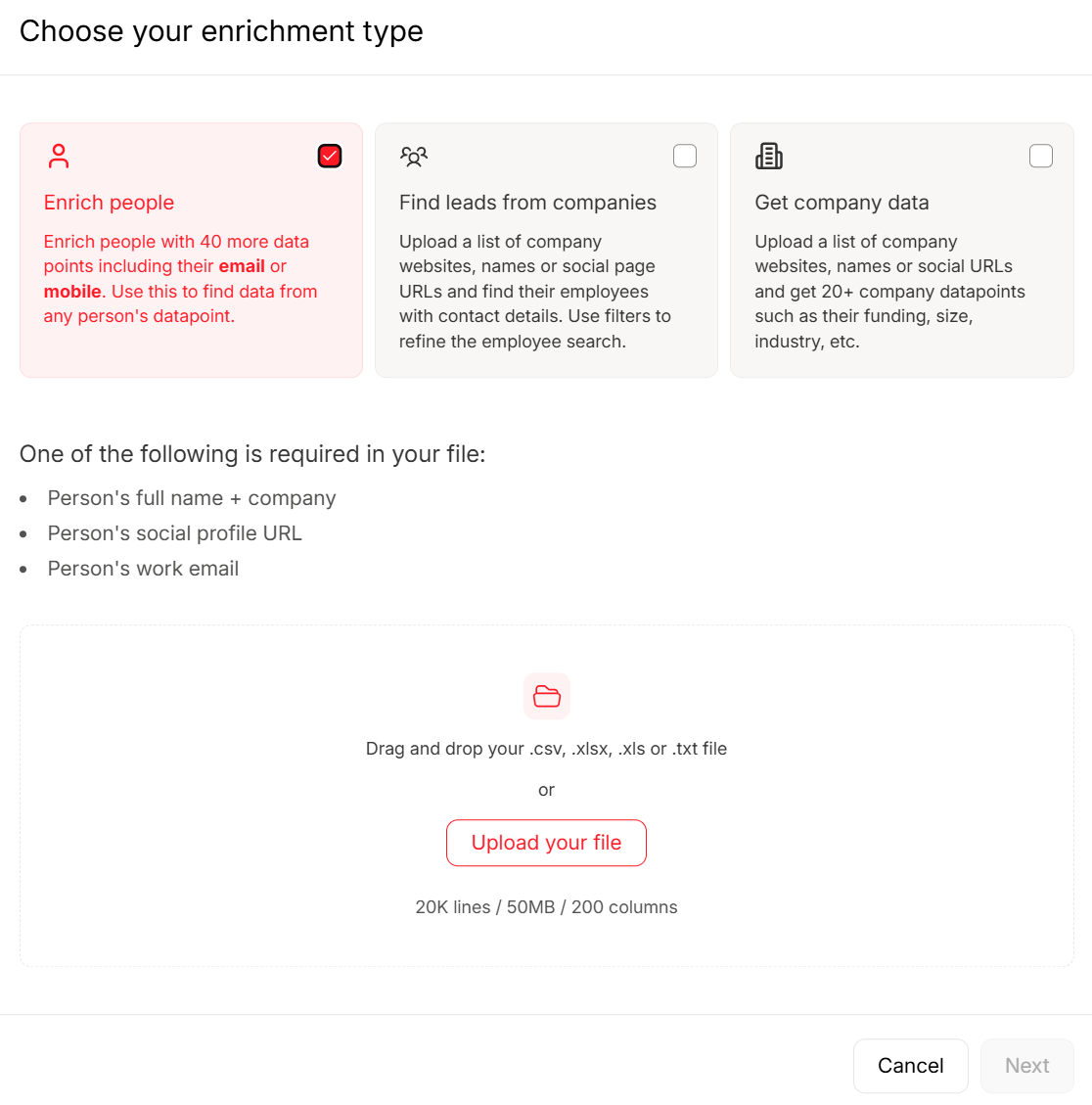
Start with a data audit. Export your CRM contacts and run them through an enrichment tool. Most teams discover a meaningful chunk of their database is stale. You can't build a GTM flywheel on rotten data.
Next, map every tool in your stack to a flywheel stage. If three tools overlap in Engage and nothing covers Delight, you've found your first gap. Then get marketing, sales, and CS into a room to agree on a one-page ICP document - firmographics, technographics, buying signals. If they can't agree, you've found your first friction source.
Get an executive sponsor. Without one, RevOps becomes a project, not an operating model.
Days 31-60: Operating Rhythm
Weekly pipeline meeting. Three questions, every week: What happened? Why did it happen? What are we doing about it? Keep it to 30 minutes and a focused set of RevOps metrics.
Set SLAs between teams. Marketing-to-sales handoff time. Sales-to-CS onboarding kickoff. Write them down, measure them, review them weekly. These SLAs are the connective tissue between flywheel stages - without them, you just have three departments running in parallel.
Pick one north star metric. Pipeline velocity is a strong default. Don't try to fix everything at once.
Days 61-90: Iterate and Expand
Track your assumptions - which SLAs are holding, which metrics moved, where the flywheel stalled. Start with one segment or one team, prove the model, then roll it out. BCG research shows RevOps-oriented B2B companies report 20% improvement in sales productivity and 30% reduction in GTM expenses. Those numbers don't materialize in 90 days, but you should see early signals.
In our experience, teams that skip the data audit in Phase 1 spend twice as long in Phase 2 debugging bad numbers. We've seen ops leads burn an entire quarter reconciling marketing and sales databases that should've been cleaned on day one.
Metrics That Matter
Most revenue operations teams drown in dashboards. The fix: one north star metric per quarter, and 1-2 KPIs per flywheel stage to diagnose bottlenecks.
| Metric | Definition | Benchmark | Stage |
|---|---|---|---|
| Pipeline velocity | Opps x size x win% / cycle length | Varies by ACV | All |
| Lead response time | Minutes to first contact | <5 min = 100x more likely to connect vs 30 min | Engage |
| Net revenue retention | (Starting ARR + Expansion - Contraction - Churn) / Starting ARR | 101-106% median, 120%+ top quartile | Delight |
| Close rate | Won / (Won + Lost) | 15-30% typical B2B SaaS | Engage |
| Email bounce rate | Invalid / total sent | <2% strong; >5% signals a data quality problem | Attract/Engage |
If your bounce rate is above 5%, your pipeline metrics are inflated with ghost contacts. Prospeo delivers 98% email accuracy on a 7-day refresh cycle - that's the baseline for trustworthy pipeline data.

Let's be honest: if your average deal size is under $10k, you probably don't need a 15-metric dashboard. Teams under $1M ARR should focus on clean tracking, conversations, and close rate. Between $5M and $20M, pipeline velocity and NRR become the metrics that actually drive a repeatable growth loop.
What Kills Flywheel Momentum
The most common objection from ops teams we've talked to: "This is just a rebranded funnel with better marketing." It's not - but proving that requires shared metrics and cross-functional ownership, not just a new diagram on a slide deck.
Here's what actually stalls the wheel:
No executive sponsor. Without C-suite backing, RevOps becomes a reporting function. Full stop.
Treating RevOps as tech-only. Buying dashboards isn't RevOps. Process alignment and change management are the hard parts, and they're the parts nobody wants to do. The consensus on r/RevOps is pretty clear: tool sprawl without process discipline makes things worse, not better.
Scaling before stabilizing. Pilot with one team, prove the model, then expand. Skip this and you'll spend six months explaining why the numbers look different in every department's version of the dashboard.
Inconsistent data sources. If marketing and sales pull from different databases, you have two competing fictions, not a single source of truth. This is the most common friction point we see, and it's the easiest to fix - run your CRM through enrichment, deduplicate, and enforce a single record standard.
Abandoning too early. Flywheel momentum compounds over quarters, not weeks. If leadership expects results in 30 days, reset that expectation before you start.
A bounce rate above 5% means your pipeline metrics are lying to you. Prospeo delivers 98% email accuracy at $0.01 per lead - so every metric in your RevOps dashboard reflects real buyers, not ghost contacts.
Accurate data is the force that spins your flywheel faster.
FAQ
What is a RevOps flywheel and how does it differ from a funnel?
A funnel is linear - energy dissipates at the bottom and you start over each quarter. The revenue operations flywheel compounds momentum because existing customers drive referrals, expansion, and advocacy. It requires cross-functional alignment and shared metrics, not siloed handoffs.
When should a company formalize RevOps?
Most companies formalize revenue operations between $5M and $20M ARR, but shared metrics, clean data, and a weekly pipeline cadence work at any stage. Even a two-person startup benefits from eliminating silos before they calcify.
What's the fastest way to reduce flywheel friction?
Audit your CRM data. Stale contacts silently drag down every metric - pipeline velocity, conversion rates, forecast accuracy. An enrichment tool like Prospeo can verify and enrich your entire contact database in hours, returning 50+ data points per record and eliminating the dead records that create invisible friction.