

What Is Gated Content? The Honest, Data-Backed Guide
Your marketing team gated an ebook last quarter. You got 200 downloads. Sales followed up on all of them. Three responded. One was a student doing research.
If you're wondering whether the "gate everything" playbook still works, the data says it doesn't - at least not the way it used to. But killing your gates entirely isn't the answer either.
The Quick Version
Gated content is any digital asset - ebook, white paper, webinar recording, template, report, demo - that lives behind a form. Visitors trade contact info for access. It's been the backbone of lead generation for over a decade.
Does it still work? Yes, but with serious caveats. The average person waits 39 hours between registering and actually consuming your content. 66% of those leads won't be ready to buy for over a year. And when one B2B company ungated everything, they saw +265% demo requests and 41x marketing-sourced revenue.
The answer isn't "gate" or "don't gate." It's knowing when each approach wins and building a strategy that doesn't depend on form fills for data quality.
Gated Content Defined
Gated content is any piece of content that requires a visitor to submit personal information - typically through a form - before they can access it. The exchange is simple: you give me your name and email, I give you the ebook.
Common gated formats include white papers, industry reports, webinar recordings, templates, calculators, product demos, and research datasets. If someone's willing to fill out a form, they're signaling interest. That interest becomes a lead, enters your CRM, and triggers a nurture sequence.
The model worked beautifully when content was scarce. Content isn't scarce anymore, and buyers know it.
The State of Content Gating in 2026
The trend line isn't subtle. Analysis across 100+ B2B marketing teams shows webinar registrations down 12.7% overall, with the median company down 42% and the bottom quartile cratering 70.2%. Ebook downloads have slipped 5% for mature programs. Industry report downloads are down 26.3%.
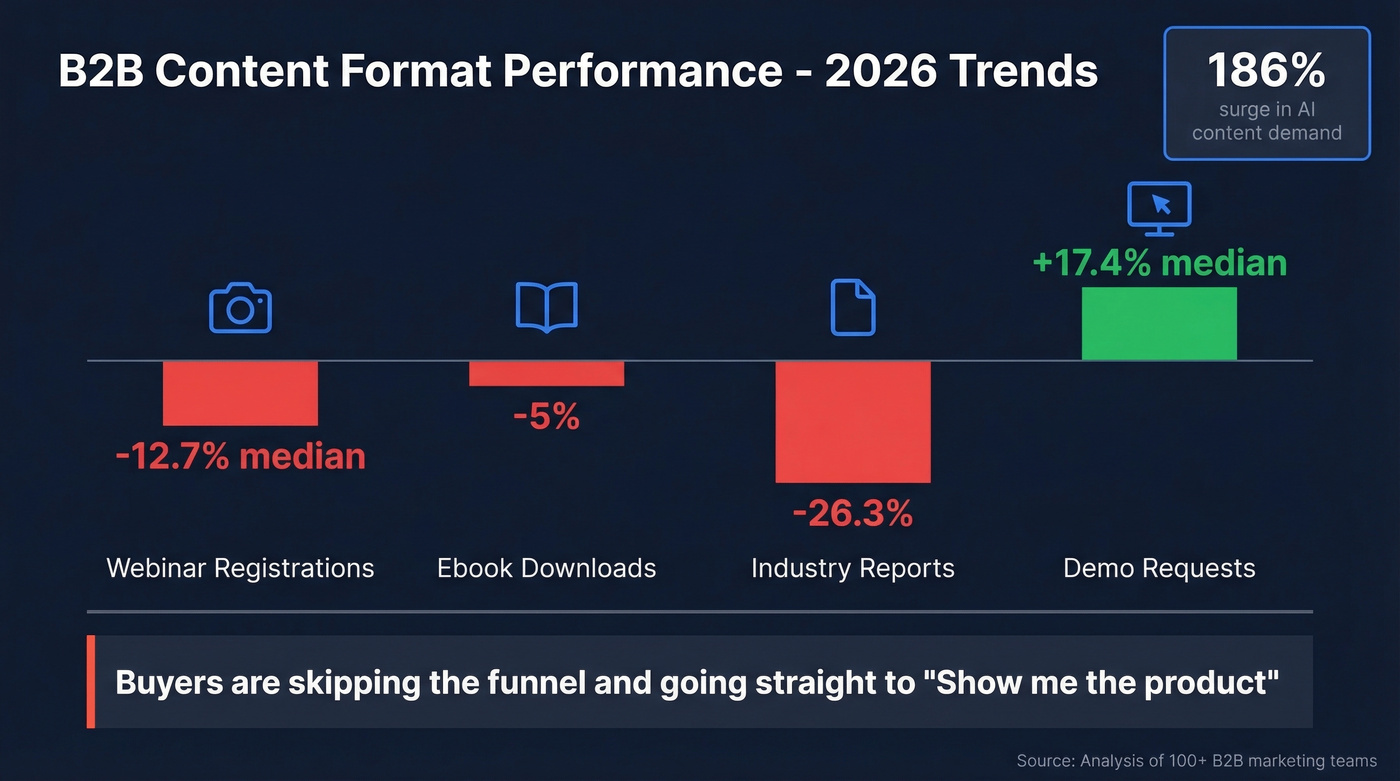
Demo requests, though? Up 17.4% at the median, with 63% of organizations seeing growth. Buyers aren't disengaging - they're skipping the middle of the funnel and going straight to "show me the product." Campaign objectives are shifting away from lead-gen and toward awareness and engagement.
AI-related content demand surged 186% recently, which tells you what topics are worth gating if you have original data. Downloads still peak in October, so Q4 remains the window for your highest-value gated campaigns.
The pattern is clear: generic gated assets are dying. High-intent, high-value content behind a form still works, but the bar for "worth a form fill" keeps rising.
Here's the thing: if your average deal size is under $10k, you probably don't need gates at all. The cost of nurturing low-intent leads through a sales cycle will eat your margin. Ungate everything, build an audience, and let demo requests come to you.
Gated vs. Ungated: When to Use Each
| Dimension | Gated | Ungated |
|---|---|---|
| SEO impact | Invisible to crawlers | Fully indexable |
| Lead capture | Direct form fills | Indirect (intent signals) |
| Reach | Limited to form fillers | Maximum distribution |
| Trust building | Can feel transactional | Builds authority freely |
| AI visibility | Hidden from AI search | Cited in AI Overviews |
| Cost per lead | Higher, but trackable | Lower, harder to attribute |
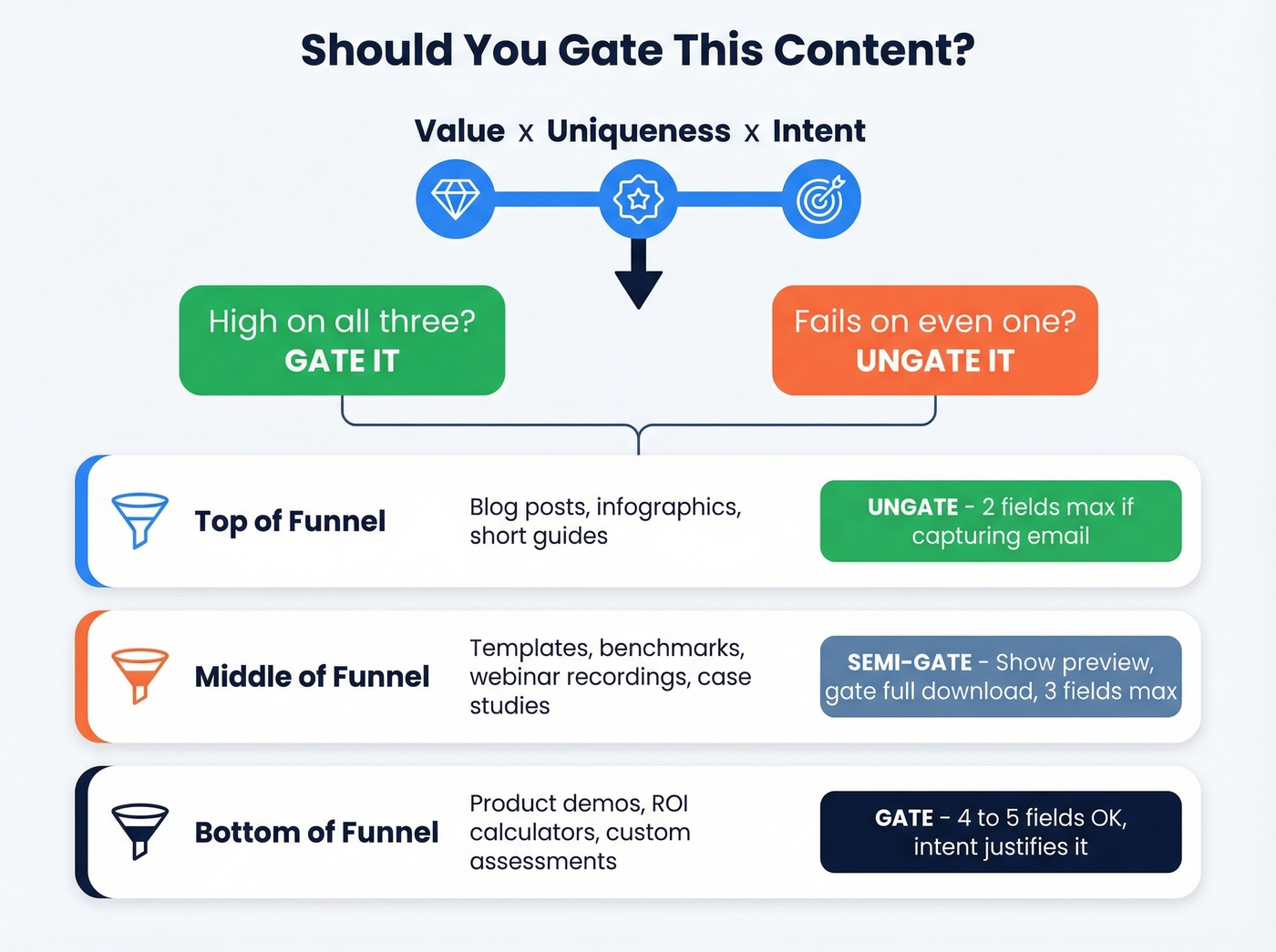
Here's how we decide: Value x Uniqueness x Intent. Content that scores high on all three - genuinely valuable, impossible to find elsewhere, consumed by people with buying intent - deserves a gate. Anything that fails on even one dimension should be ungated.
Top of funnel: Blog posts, infographics, short guides. Ungate everything. Use a newsletter opt-in if you must capture emails - not a form wall. Two fields maximum.
Middle of funnel: Templates, benchmarks, webinar recordings. Semi-gate with a preview. Show the key findings, gate the full download. Three fields maximum. Case study lead magnets work especially well here because prospects evaluating solutions want proof of results, and they'll trade an email for a detailed customer story with real numbers.
Bottom of funnel: Product demos, ROI calculators, custom assessments. Gate these - the intent justifies it. Four to five fields are acceptable because the visitor is already evaluating solutions.
Conversion Benchmarks
What does "normal" actually look like? WordStream's benchmarks put the average landing page conversion rate at 2.35%. The top 25% hit 5.31%. The top 10% reach 11.45%.
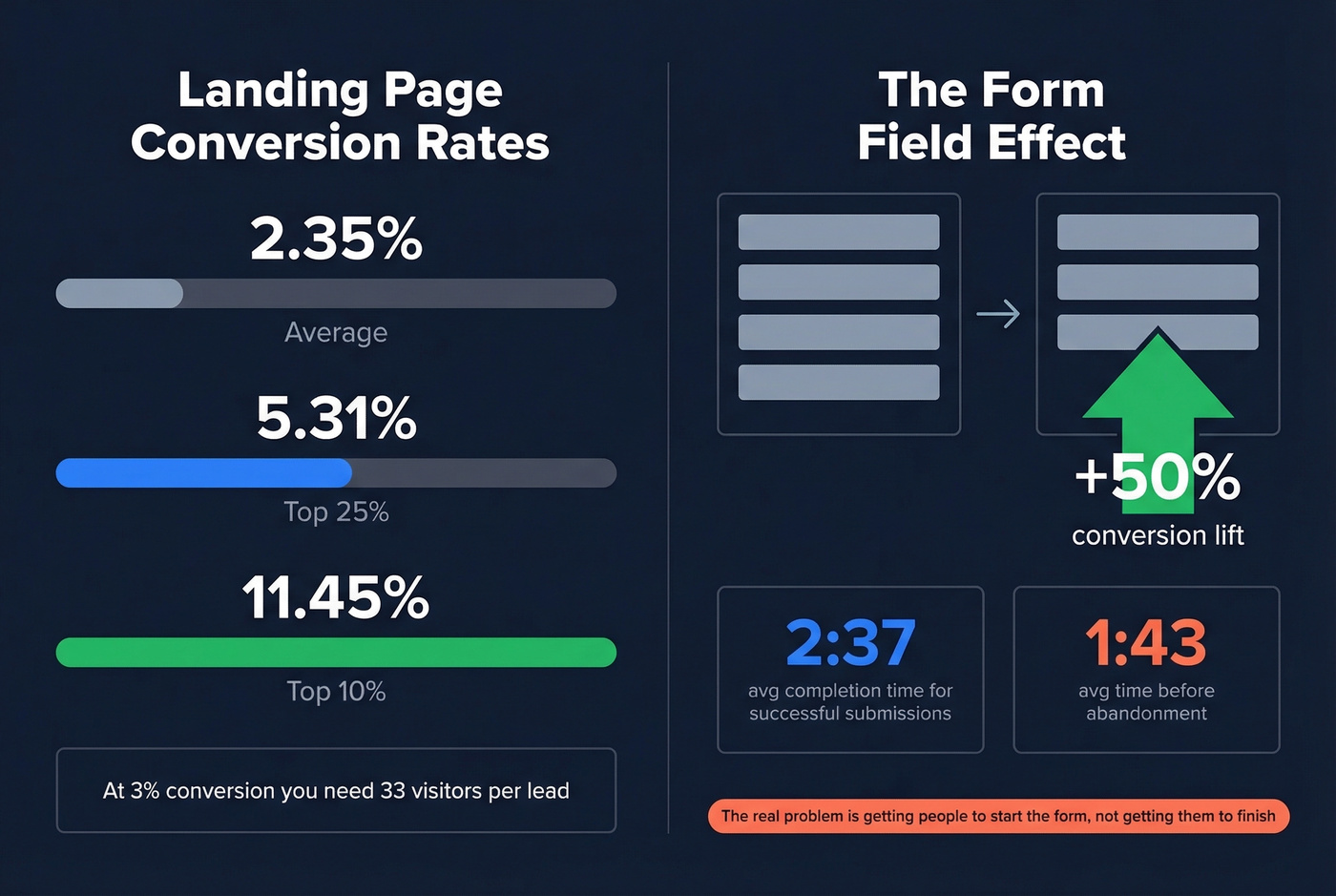
At a 3% conversion rate, you need roughly 33 visitors to generate one lead. That math gets expensive fast if you're running paid traffic to a gated asset.
Form length is the single biggest lever. Reducing from 4 fields to 3 can increase conversions by up to 50%. That's not a marginal improvement - it's the difference between a campaign that works and one that doesn't.
The behavioral data tells the same story. About 68% of page viewers initiate a form, but only 66% complete it. The gap isn't huge, which means the real problem is getting people to start, not getting them to finish. Average completion time runs 2:37 for successful submissions versus 1:43 for abandoned ones. People who bail do it fast.

You just read that cutting form fields from 4 to 3 lifts conversions 50%. Now imagine cutting to 2 fields and still getting richer data. Prospeo enrichment returns 50+ data points per contact at a 92% match rate - job title, company size, tech stack, and verified email - from just a name and domain.
Replace long forms with two fields and Prospeo enrichment.
Best Practices That Actually Convert
Keep Forms Ruthlessly Short
Three fields maximum for top-of-funnel content. Name, work email, and maybe company. Every additional field costs you conversions, and the data you're collecting in fields four through seven is usually wrong anyway - people abbreviate job titles, misspell company names, and enter fake phone numbers.
Use enrichment tools to fill in the rest automatically. A two-field form paired with enrichment returns 50+ data points per contact - better data than you'll ever get from a seven-field form. You don't need to interrogate prospects when technology handles it.
Time Your Follow-Up to the 39-Hour Gap
Most marketing automation fires a follow-up email within minutes of a form submission. That's a mistake. Registrants wait an average of 39 hours before consuming the content. Your "thanks for downloading - want a demo?" email arrives before they've even opened the PDF.
Space your first follow-up 36-48 hours after download. Reference the content. Ask a question related to the topic. Don't pitch. (If you need copy, start from proven sales follow-up templates.)
Progressive Profiling Over Long Forms
Collect minimal information at first - name and email - then request additional fields on subsequent interactions. Second visit? Ask for company name. Third? Job title. Each interaction builds the profile without creating a wall of fields on day one.
A/B Test Everything
Run the same asset gated and ungated for 30 days and compare pipeline contribution, not just lead volume. We've seen teams discover that ungated content generates fewer "leads" but more actual pipeline. Every form submission should flow directly into your CRM with enrichment data attached - not a spreadsheet someone checks once a week.
Landing Page Design Matters
Remove navigation links from your gated landing pages. One CTA, one action. Put your value proposition above the fold and make the exchange crystal clear: "Get the 2026 benchmark report - 47 pages of original research from 500+ B2B companies." Vague promises like "download our resource" convert terribly.
The AI Search Problem
89% of B2B buyers now use generative AI during their purchasing process. ChatGPT, Google's AI Overviews, Microsoft Copilot - none of them can fill out forms. If your best research is locked behind a gate, it's invisible to the tools your buyers are actually using to make decisions.
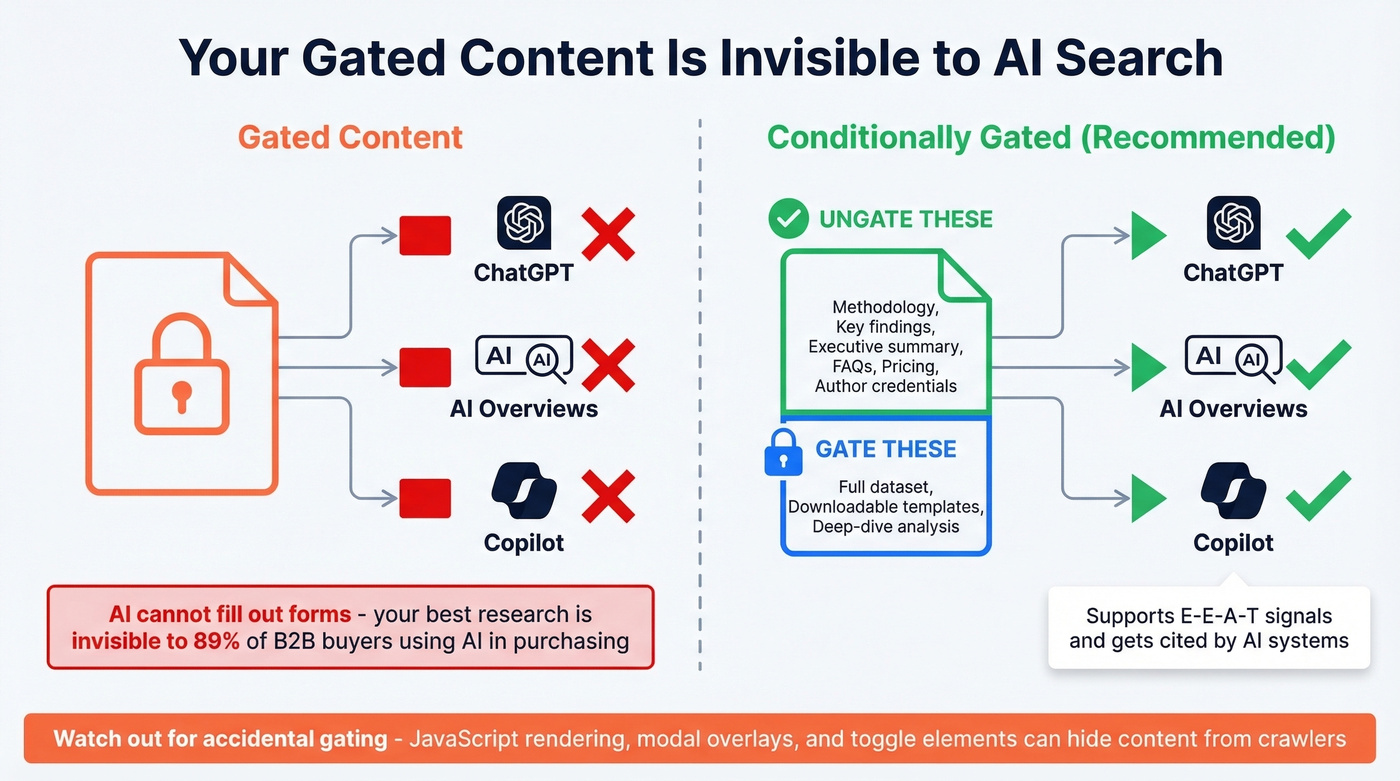
Search Engine Land's framework lays out what should always be ungated for AI and SEO visibility: summaries, abstracts, FAQs, definitions, pricing information, and author credentials. These elements support E-E-A-T signals and give AI systems something to cite.
The "conditionally gated" approach works best. Ungate your methodology, key findings, and executive summary. Gate the full dataset, the downloadable template, or the deep-dive analysis. You get SEO and AI visibility while still capturing leads.
One warning that catches teams off guard: accidental gating. JavaScript-rendered content, modal overlays, and toggle elements can hide content from crawlers even when you didn't intend to gate it. Test whether Google and AI crawlers can actually see your content.
Privacy Compliance Checklist
Gated content forms collect personal data. Compliance isn't optional.
GDPR (EU data): Consent must be freely given, specific, informed, and unambiguous. Pre-checked boxes are a violation. Under Article 7(4), if content access is conditional on consent for unnecessary processing, that consent may not qualify as "freely given." Fines reach EUR 20M.
CCPA/state laws (US): Provide a "Do Not Sell or Share" option where applicable. Honor Global Privacy Control browser signals. 20+ US states now have privacy laws on the books.
Your form needs: A clear purpose statement, a separate unchecked consent checkbox, a link to your privacy policy, an easy unsubscribe mechanism, and separate opt-ins for marketing emails and content access. Never bundle them.
What Happens When You Remove the Gate
Let's look at two real cases.
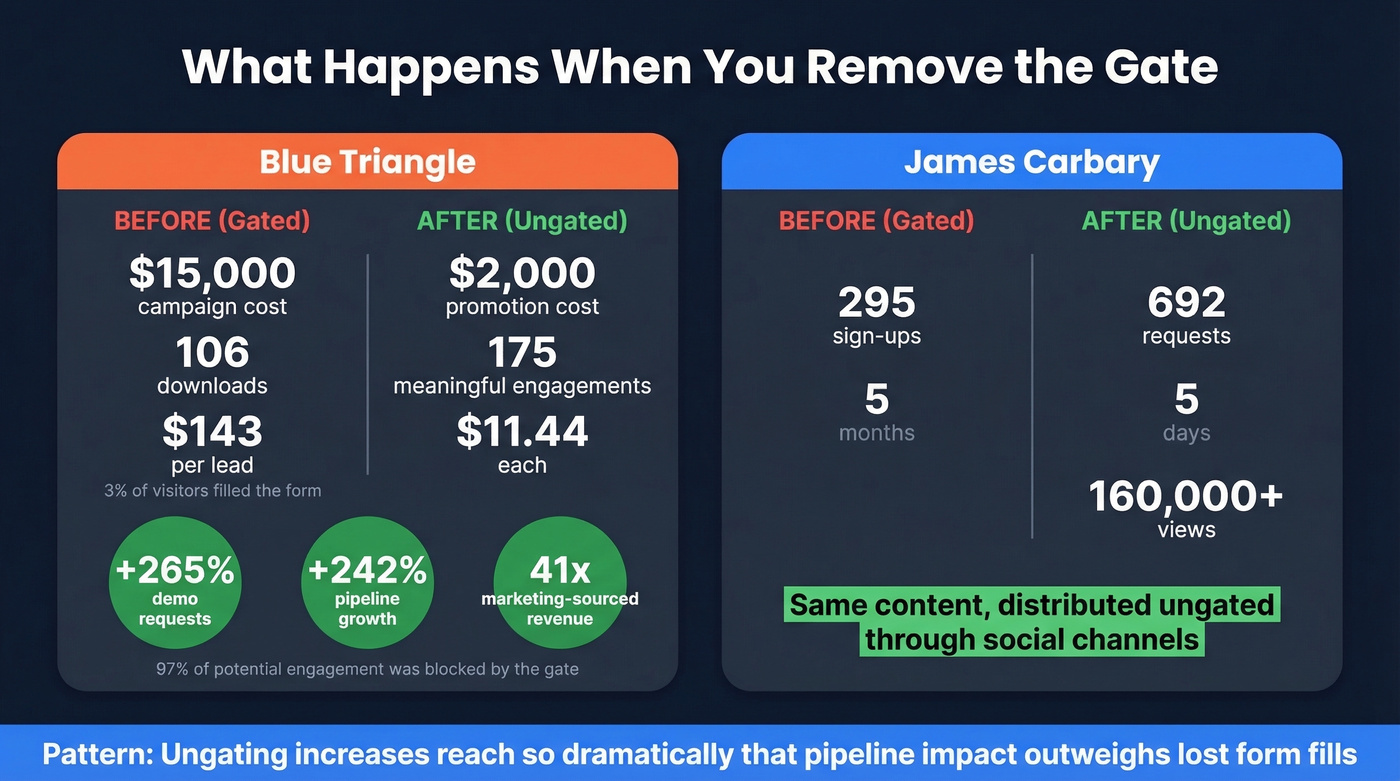
Blue Triangle ungated all content in Q2 2023. Before: a $15,000 campaign over five weeks produced 106 downloads at $143 per lead. After ungating one ebook: $2,000 in promotion generated 175 meaningful engagements at $11.44 each. Over the following year: +265% demo requests, +242% pipeline growth, and 41x marketing-sourced revenue. Only about 3% of their 3,400 landing page visitors had filled the form - meaning 97% of potential engagement was blocked by the gate.
James Carbary ran a different experiment. His gated opt-in collected 295 sign-ups in five months. He distributed the same content ungated through social channels. Result: 692 requests in five days, with the post reaching 160,000+ views.
These aren't edge cases. They represent a pattern: ungating increases reach so dramatically that pipeline impact outweighs the loss of form-fill leads. Skip the gate if your content isn't genuinely exclusive or if your primary goal is brand awareness rather than lead capture.
Hybrid Approaches and Data Quality
The consensus on r/seogrowth and in practitioner communities is converging on hybrid models. Semi-gated content - where you show a meaningful preview and gate the full version - outperforms both hard gates and fully open content for most B2B teams.
Behavioral triggers are replacing form walls. Gate triggered after 50% scroll depth. Exit-intent overlays. Time-on-page thresholds. Comment-gating on social platforms - "comment 'report' and I'll DM you the link" - generates engagement and leads simultaneously without a traditional form. Another hybrid play: ungate the content, cookie the visitor, then retarget them with a gated offer once they've demonstrated repeat engagement.
When building lead magnets for B2B audiences, consider what actually justifies a gate: original research reports, proprietary benchmark data, interactive ROI calculators, and detailed implementation playbooks consistently outperform generic ebooks. If the reader can find the same insights in a blog post, the gate will fail. (This is also where solid lead scoring keeps your pipeline clean.)
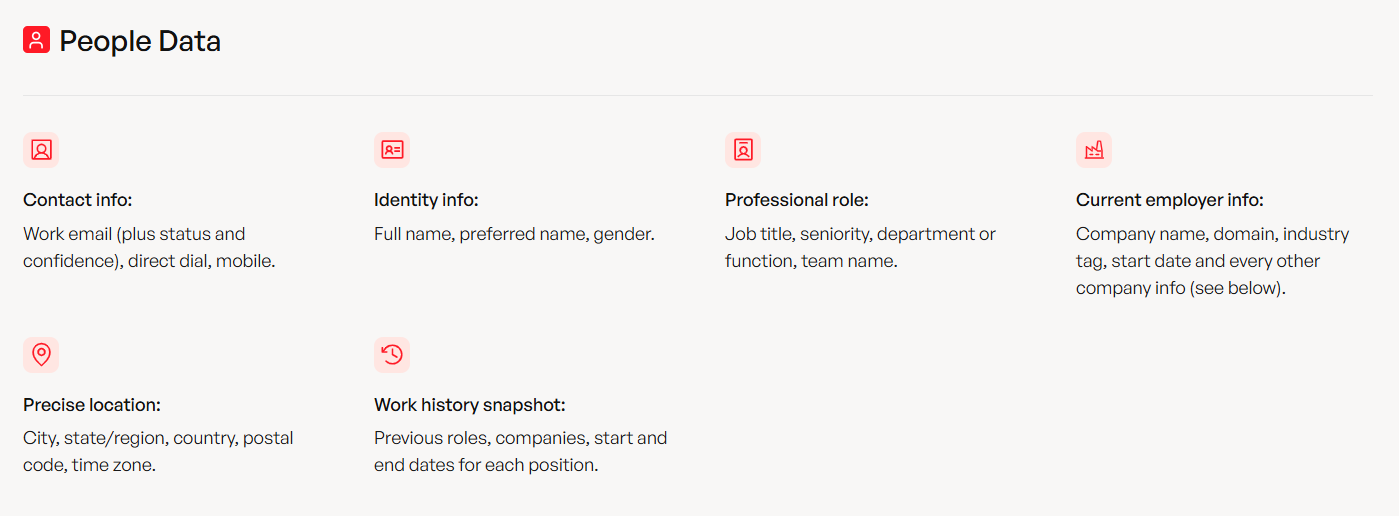
Here's a frustration we hear constantly from sales teams: the leads coming through gated forms are garbage. People enter fake emails, typos, and disposable addresses. Your CRM fills up with contacts you can't reach. Real-time email verification catches invalid addresses before they enter your system and enriches each submission with job title, company, phone, and intent signals. A two-field form becomes a complete prospect profile at roughly $0.01 per lead - and the records actually work when sales picks up the phone.
If you're building lists instead of gating assets, start with a stack of free lead generation tools and graduate to a dedicated sales prospecting database once you’ve proven ROI.
Gated content captures emails. But 66% of those leads won't buy for over a year - and half the contact data from long forms is wrong. Prospeo gives you 300M+ profiles with 98% verified emails, refreshed every 7 days, at $0.01 per lead. Skip the form fields. Build lists of in-market buyers directly.
Stop gating for bad data when verified contacts cost a penny each.
FAQ
Is gated content bad for SEO?
Fully gated content can't be crawled by search engines or cited by AI systems like ChatGPT and Google AI Overviews. Use partial gating instead: ungate summaries, key findings, and definitions for indexing, then gate the full download. This preserves SEO value while still capturing leads.
How many form fields should I use?
Two to three for top-of-funnel assets - name and work email at minimum. Reducing from 4 to 3 fields can boost conversions by up to 50%. Use enrichment tools to fill in job title, company, phone, and intent data automatically rather than asking for it on the form.
What's the average conversion rate for gated content?
The average landing page conversion rate is 2.35%, while the top 25% hit 5.31% and the top 10% reach 11.45%. If you're below 2%, your form is too long, your value proposition is unclear, or the content isn't worth the exchange.
Does gated content still work in 2026?
It works for high-value, unique assets behind short forms - original research, proprietary benchmarks, and interactive tools. But performance is declining: webinar registrations are down 42% at the median and ebook downloads are slipping. Hybrid approaches that preview content before gating outperform hard gates across nearly every metric.
How do I measure ROI of gated vs. ungated content?
Compare pipeline contribution, not lead volume. Track demo requests, qualified opportunities, and revenue sourced from each approach over 90 days. Many teams find ungated content generates fewer "leads" but more actual revenue because it reaches a wider audience and builds trust before the sales conversation starts.