

How to Break Into B2B Sales: The 30-Day System That Actually Works
A hiring manager posted an entry-level remote SDR role last year. 500 applicants. Fewer than 15% included a professional profile link on their resume. Only six sent a connection request. Only four DMed the hiring manager with a real introduction. Those four were "incredibly sharp" - and the hiring manager expected to hire from that group.
If you want to break into B2B sales, treat your job search like a sales process. Prospect your way in. The bar to get noticed is shockingly low, but the people who land the role treat every application like an outbound campaign.
Three Fastest Paths In
- SDR/BDR at a high-volume outbound org with structured training and a real ramp program. Best foundation, period.
- SDR at a company whose product you can explain in one sentence. Simpler messaging means faster reps.
- CSM or support role, then internal SDR transfer. Get in the building first, move laterally.
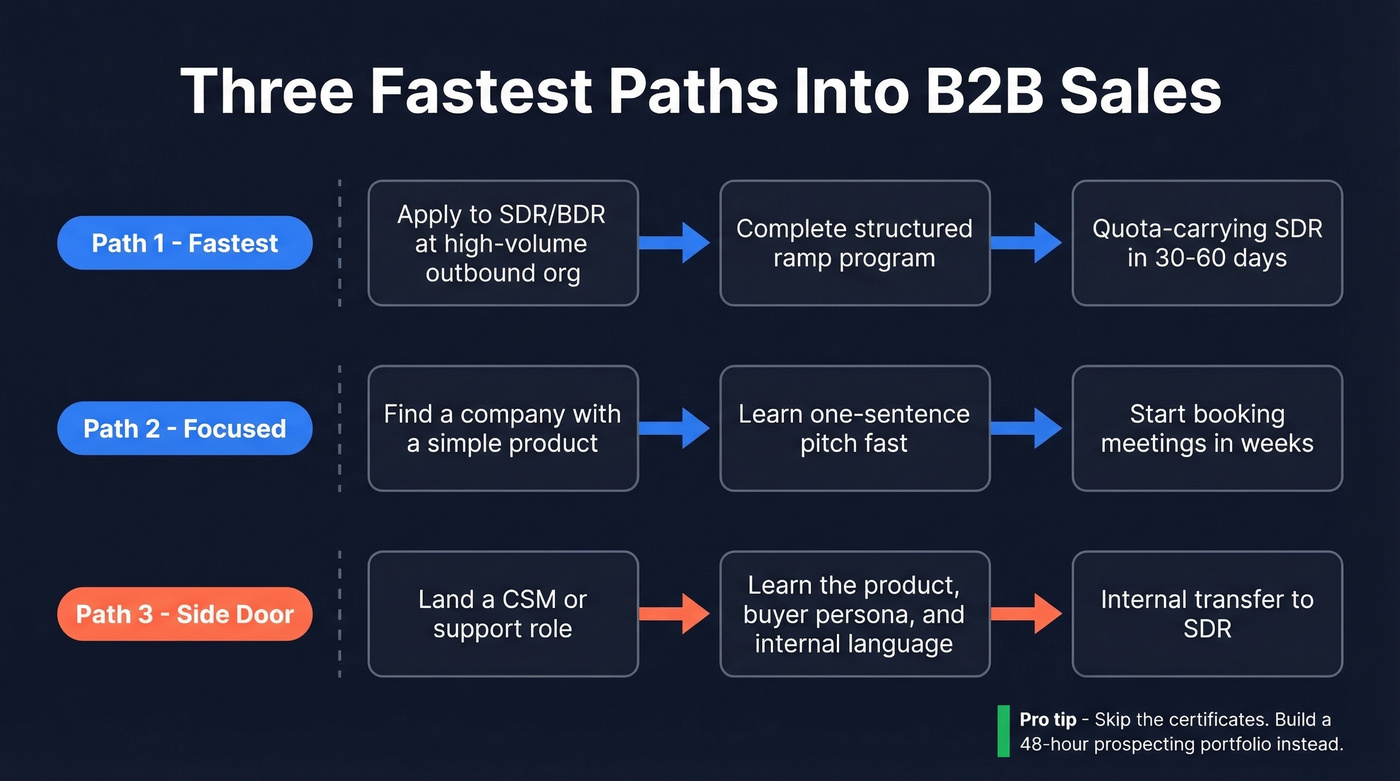
And the contrarian take most career advice won't give you: stop collecting certificates. Build a 48-hour prospecting portfolio - a target account list, a real outreach sequence, a mock cold call recording - and bring it to interviews. That portfolio will outperform any badge every single time.
What B2B Sales Actually Is
B2B sales means selling products or services to other businesses. The mechanics are nothing like consumer sales, and the complexity is exactly why the role pays well.
| B2B | B2C | |
|---|---|---|
| Sales cycle | Weeks to months | Minutes to days |
| Deal size | $10k-$1M+ | $10-$1k |
| Buyer type | Committee (6-10 people) | Individual |
A typical B2B purchase takes 11-12 months, with complex multinational deals stretching to 16 months. The CFO has final approval in 79% of deals. Around 86% of purchases stall before a final decision. And 70-80% of the buying process now happens before a prospect ever talks to a rep - which means the SDR's job is to interrupt that self-serve journey with enough value to earn a conversation.
AI can draft emails and summarize calls. But navigating a buying committee with competing agendas across a year-long cycle? That stays human. It's also why B2B sales techniques keep evolving - the complexity demands it.
Which Role to Target
SDR/BDR is the clearest on-ramp. You'll research accounts, write cold emails, make cold calls, qualify inbound leads, and book meetings for account executives. The BLS tracks roughly 149,900 openings per year (2023-2033) for manufacturing and wholesale sales representatives, and SDR/BDR roles make up a growing share.
Junior AE works if you have closing experience from a previous career - real estate, car sales, retail management. It's a stretch for true beginners, but smaller companies that need full-cycle reps will take the bet.
Can't land an SDR role directly? A CSM or support role gets you in the building. You'll learn the product, the buyer persona, and the internal language. From there, an internal transfer to SDR is one of the most common moves in the industry. If you can't land SaaS at all, sell a commodity product first. The lack of differentiation forces you to develop pure selling skills faster than any training program.
Skills That Matter in 2026
Companies post "entry-level" and then silently grade you on CRM hygiene and sequencing fluency. Here's the scorecard they won't publish:
AI fluency and data literacy. This wasn't on the scorecard two years ago. Now it's table stakes. Hiring managers expect SDRs to discuss [prompt engineering](https://en.wikipedia.org/wiki/Prompt_engineering), data analysis, and AI-assisted workflows. You don't need to code - you need to show you can use AI tools to research accounts, personalize outreach, and analyze pipeline data.
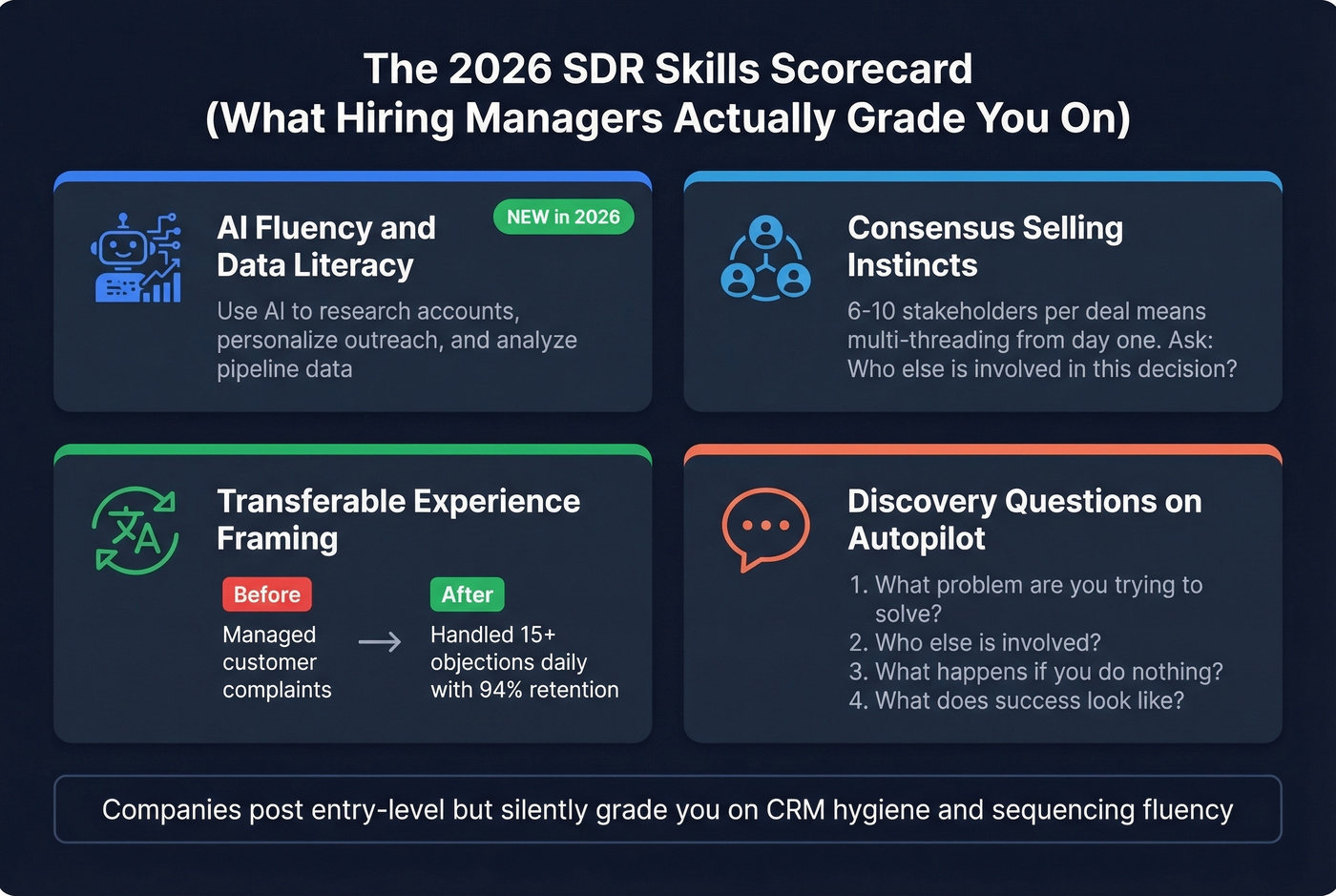
Consensus selling instincts. With 6-10 stakeholders in every deal, you need to think about multi-threading from day one. "Who else is involved in this decision?" should be second nature.
Transferable experience framing. Retail, hospitality, fundraising, customer service - all of it counts if you frame it right. Objection handling at a retail counter is objection handling. Upselling a hotel room upgrade is upselling. Hitting a monthly target at a restaurant is quota attainment. Here's what the reframe looks like on a resume:
- Before: "Managed customer complaints at Nordstrom." → After: "Handled 15+ objections daily, maintaining 94% customer retention rate."
- Before: "Sold gym memberships and personal training packages." → After: "Ran full-cycle sales process from cold outreach to close, averaging 22 new accounts/month against a 15-account quota."
- Before: "Waited tables at a high-volume restaurant." → After: "Upsold premium menu items to 40+ customers nightly, increasing average check size by 18%."
Discovery questions you can recite cold. Memorize these four - they'll carry you through your first 90 days: "What problem are you trying to solve?" "Who else is involved?" "What happens if you do nothing?" "What does success look like?"

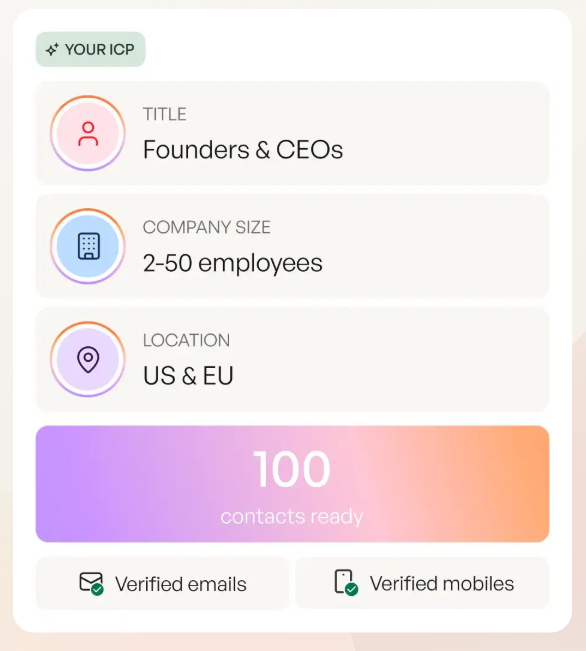
Your portfolio project needs real data. Prospeo's free tier gives you 75 verified emails and 100 Chrome extension credits per month - enough to build a 10-account target list with verified decision-maker contacts that actually land in inboxes.
Show hiring managers you prospect with 98% accurate data from day one.
The 30-Day Break-In Plan
Week 1 - Skill Sprint
Five focused days on free courses that map directly to what hiring managers test for. Don't spend a month here - speed matters more than depth at this stage.
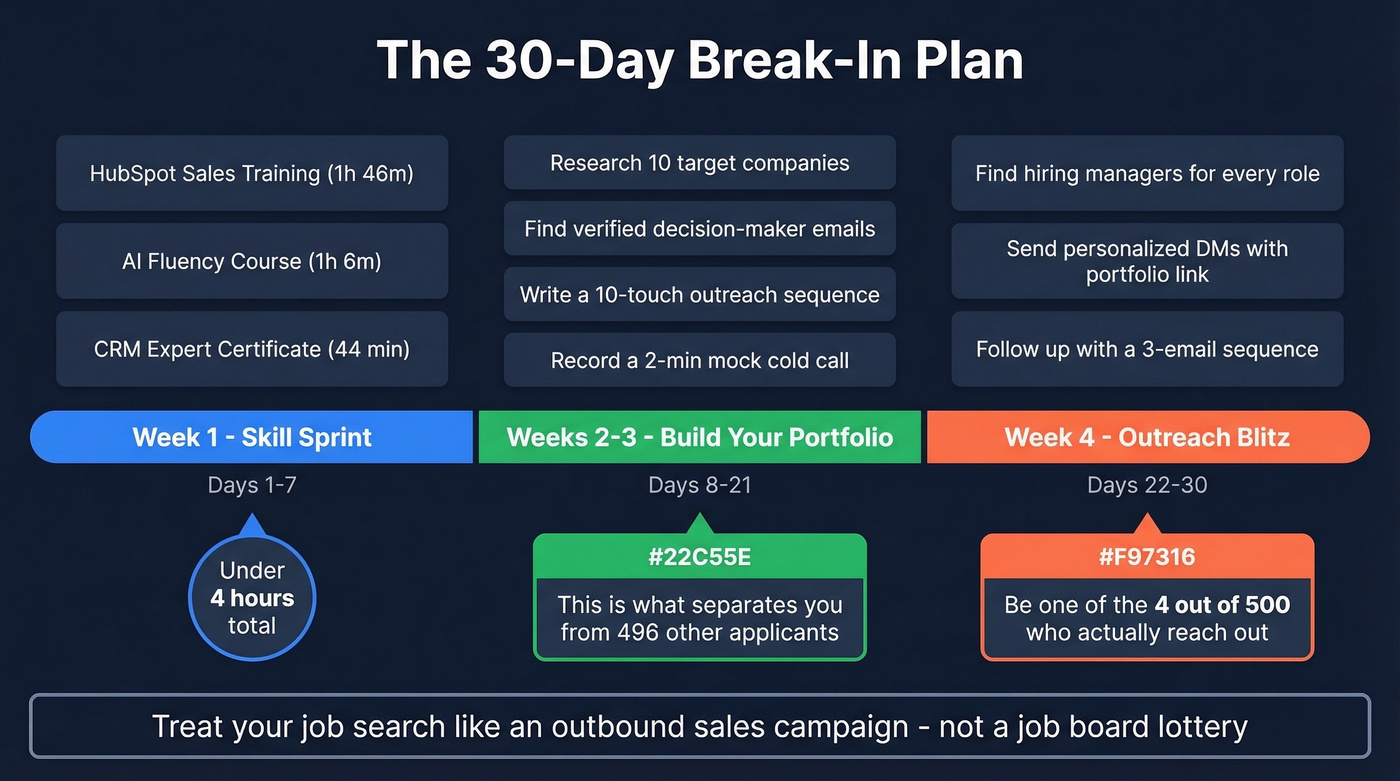
- HubSpot Sales Training - 1h 46m. Prospecting, qualifying, and closing fundamentals.
- Anthropic AI Fluency Course - 1h 6m. Practical AI tool usage. Mention this in interviews and you'll stand out.
- OnePageCRM Sales CRM Expert Certificate - 44 minutes. CRM vocabulary so you don't look blank when someone mentions pipeline stages.
That's under four hours of coursework. Spend the rest of Week 1 reading your target companies' case studies and blog posts. Know their product, their buyer, and their competitors.
Weeks 2-3 - Build Your Portfolio
This is the piece that separates you from the other 496 applicants. We've seen career switchers from retail land SDR roles in under 30 days using this exact approach - the portfolio project is the single highest-ROI activity for getting into the industry.
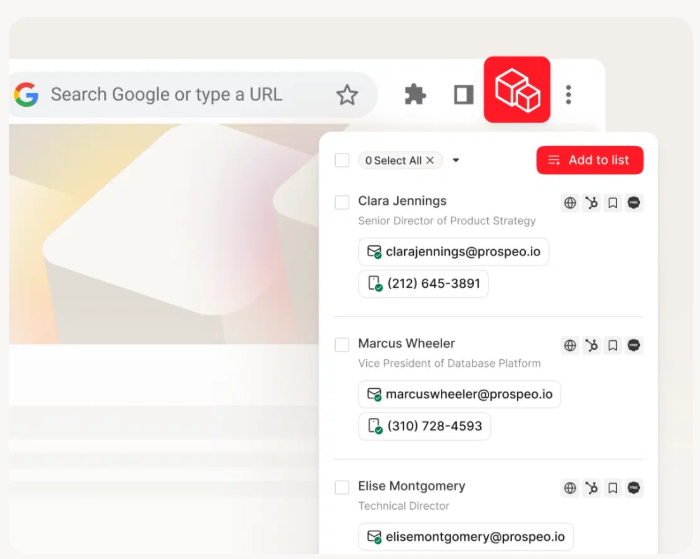
Pick 10 target companies you'd actually want to sell to. Research each one: headcount, funding stage, tech stack, recent news. Build a contact list of the decision-makers you'd reach out to at each company. Use Prospeo's free tier to find verified emails for your targets - 75 verified emails per month at 98% accuracy, plus 100 Chrome extension credits. Practicing outreach on bad data teaches you nothing except frustration.
Now write a 10-touch outreach sequence with specific timing:
| Day | Action |
|---|---|
| 1 | Personalized email |
| 3 | Call + voicemail |
| 5 | Social touch |
| 8 | Value-add email |
| 12 | Call |
| 15 | Social touch |
| 18 | Follow-up email |
| 22 | Call |
| 25 | Final email |
| 30 | Break-up email |
Personalize each email to a real person at a real company. Record yourself doing a 2-minute mock cold call - opening, value prop, objection handle, ask for the meeting. Put it all in a Google Doc or Notion page. That's your brag book.
Week 4 - Outreach Blitz
Now treat your job search like an outbound campaign. Remember the 500-applicant story - only 4 people DMed the hiring manager. Be one of the four.
Find the hiring manager for every role you're applying to. Send a message like this:
"Hi [Name], I saw you're hiring for the SDR role at [Company]. I put together a prospecting portfolio targeting [their ICP] - 10 accounts, a full outreach sequence, and a mock cold call recording. Would love 5 minutes to walk you through it. [Portfolio link]"
Follow up with a 3-email sequence: intro with your portfolio link, a value-add follow-up sharing a relevant insight about their market, and a polite break-up email.
Look, mass applying on job boards is laziness disguised as effort. Ten targeted, personalized outreach attempts will outperform 200 one-click applications every time.
Hot take: If you can get a hiring manager's direct line, call them. Ask for Accounts Receivable first - it often gets you transferred faster. Most candidates are too scared to pick up the phone, which is ironic when they're applying for a job that requires picking up the phone.
Interview Prep
Behavioral questions ("tell me about a time...") are weak predictors of sales performance. Research from Adam Grant at Wharton supports what most sales leaders already know: situational and hypothetical questions reveal more about how a candidate thinks on their feet.
Here's what you'll actually face:
| Question | What It Tests | How to Nail It |
|---|---|---|
| "Sell me a rotten apple" | Persuasion under pressure | Reframe the flaw as a feature |
| "First call with a qualified lead?" | Sales process instinct | Open with research, ask discovery |
| "What tools have you used?" | Tooling readiness | Name specifics: HubSpot, Salesforce, Outreach |
| "How do you use AI and data?" | 2026 relevance | Describe a real workflow |
| "Who do you owe your success to?" | Coachability | Credit mentors and teammates |
Prepare a 60-second answer for each. Practice out loud, not just in your head. The candidates who rehearse situational prompts sound dramatically more polished than those who wing it.
Salary, OTE, and Promotion Reality
Let's be honest about the money. OTE is marketing. Base pay is reality. Plan your finances around base plus partial variable.
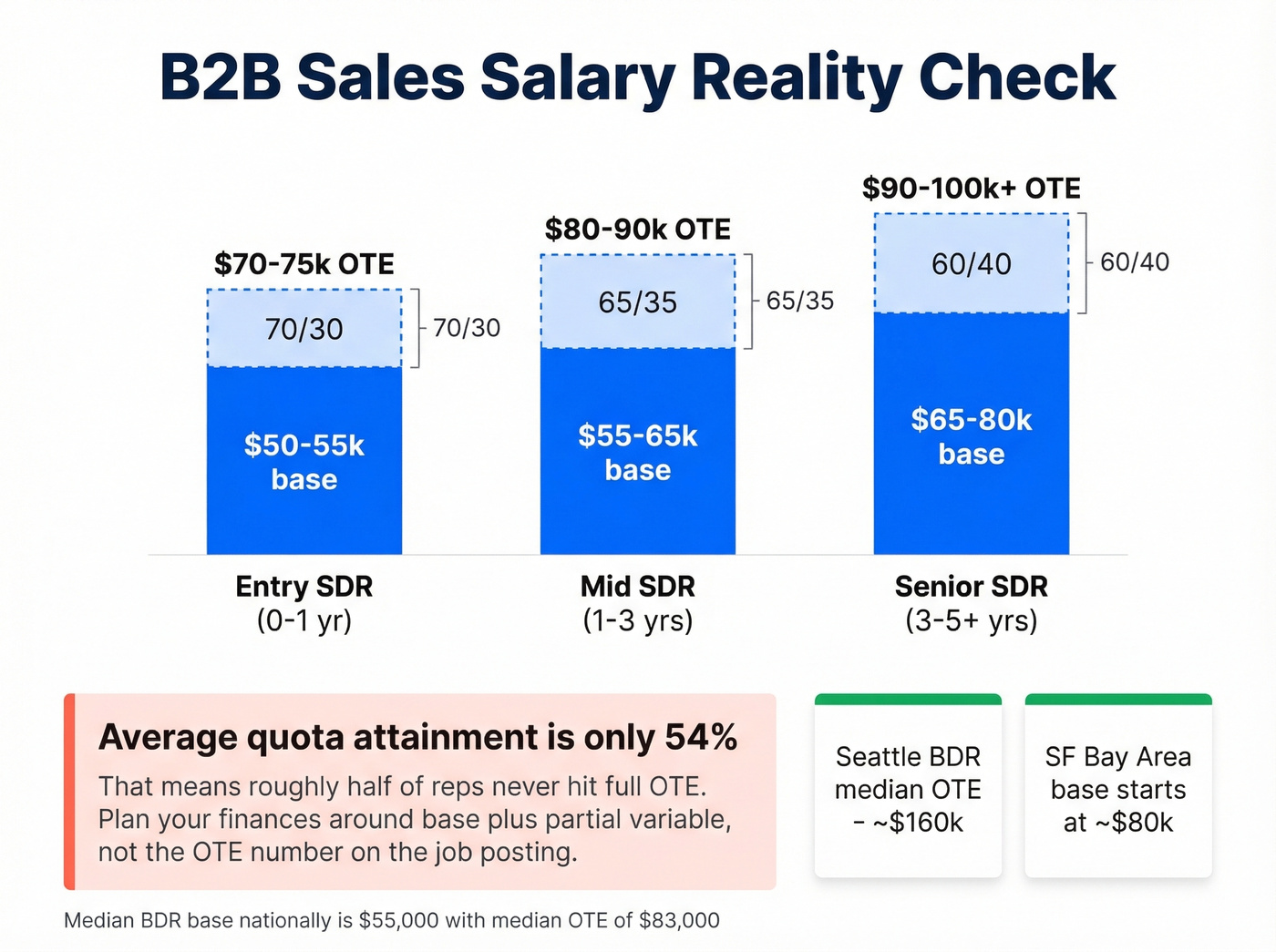
| Level | Base | OTE | Split | Timeline |
|---|---|---|---|---|
| Entry (0-1 yr) | ~$50-55k | $70-75k | 70/30 | - |
| Mid (1-3 yrs) | ~$55-65k | $80-90k | 65/35 | 12-16 months |
| Senior (3-5+ yrs) | ~$65-80k | $90-100k+ | 60/40 | 24-36 months |
The median BDR base is $55,000 with a median OTE of $83,000. Location matters: Seattle BDRs pull a median OTE of ~$160k, and SF Bay Area base salaries start around $80k.
Here's the number nobody talks about: average quota attainment is 54%. That means roughly half of reps aren't hitting full OTE. Factor that into your financial planning.
Entry-level SDRs typically earn $150-$200 per booked meeting. Senior reps earn 1-4% of contract value. The promotion timeline from SDR to AE has stretched post-pandemic - from roughly 12 months to 15-16 months on average. The baseline for making a promotion case: 12-18 months in seat plus 90%+ quota attainment for two straight quarters.
First 90 Days on the Job
A new SaaS BDR posted on r/sales after three weeks in seat: 1,700+ calls, 3,000 emails, 7-8 actual conversations, zero meetings booked. Their manager said they were "doing great." They felt like they were failing.
Week 3 with zero meetings isn't failure - it's the ramp. Connect rates on cold calls hover in the low single digits. The emotional dip is real, and almost every new SDR goes through it.
First 2 weeks: Onboarding, product training, shadowing calls. Your only job is to absorb. Month 1: Activity ramp. You're dialing, emailing, and iterating on messaging. Track leading indicators - calls made, emails sent, reply rates - not just meetings booked. Months 2-3: Pipeline consistency. Get call reviews weekly from your manager or a senior rep. This is where coachability compounds.
If you're tracking activity and iterating on messaging, the meetings come. The reps who flame out are the ones who stop adjusting after week two.
Career Paths After SDR
The SDR role isn't a destination - it's a launchpad. Most reps reach six figures within 2-4 years.
| Path | Timeline | Total Comp | Best If You... |
|---|---|---|---|
| SDR → AE | 12-18 months | $120k-$180k OTE | Love closing |
| SDR → CSM | 15-20 months | $80k-$110k | Prefer relationships |
| SDR → RevOps | 18-24 months | $90k-$130k | Geek out on data |
| AE → Enterprise | 3-5 years | $200k+ | Want the biggest deals |
The AE path is the most common and the highest-ceiling option. But RevOps is increasingly attractive - the blend of sales knowledge and technical fluency commands premium compensation and growing demand. Sales experience paired with go-to-market strategy knowledge gives you a real edge in RevOps, where understanding pipeline mechanics matters as much as the data itself.
If you want to go deeper on day-to-day execution, start with SDR best practices and a simple outbound sales motion.
The four applicants who DM'd the hiring manager won because they did what SDRs do - they prospected. Prospeo finds verified emails and direct dials from any company website or professional profile in one click. No guessing, no bounces, no wasted reps.
Prospect your way into your first SDR role with data that actually connects.
FAQ
Do you need a degree to get into B2B sales?
No. While 83% of current SDRs hold a bachelor's degree, it isn't a hard requirement. Hiring managers prioritize coachability, activity discipline, and proof you can prospect. A portfolio showing real outreach work outweighs a diploma in almost every interview.
How long does it take to make six figures?
Most reps reach six figures within 2-4 years. The typical SDR-to-AE promotion takes 12-18 months, and mid-market AE OTE runs $120k-$180k. High performers at fast-growing companies can get there in under two years.
What tools should a new SDR learn first?
Start with CRM basics - Salesforce or HubSpot, whichever your target companies use. Learn a sequencing tool like Outreach or Salesloft conceptually. For prospecting data, Prospeo's free tier lets you practice building real contact lists without paying enterprise prices. AI fluency for account research and email personalization is increasingly expected too.
How do you get B2B sales experience with no background?
Create it yourself. Build a prospecting portfolio with real target accounts and outreach sequences, volunteer for customer-facing work at your current job, and reframe transferable skills from retail, hospitality, or support roles. Even cold-emailing potential clients for a side project counts as hands-on pipeline experience that hiring managers respect.