

LeadGenius vs Apollo.io: Which B2B Data Tool Fits Your Team?
If you're weighing LeadGenius vs Apollo.io, the comparison barely exists online for a reason: these tools serve fundamentally different buyers. Apollo is a self-serve database you can search and export from in minutes. LeadGenius is a managed research service that delivers custom lists over days or weeks.
Here's our take after testing both: if your average deal size is under $10k and you're not running true ABM, LeadGenius is overkill. You'll pay enterprise prices for a workflow your team won't fully use.
30-Second Verdict
Pick Apollo.io if you need leads today, want built-in sequencing, and you're disciplined about verifying data before you send.
Pick LeadGenius if you're enterprise, selling into APAC/EMEA buying committees, and you can wait for custom research that typically starts around $18k/year.
Head-to-Head Comparison
| Dimension | Apollo.io | LeadGenius |
|---|---|---|
| Data model | Self-serve database | Managed, human-verified |
| Database size | 275M+ contacts | Built per campaign |
| Delivery speed | Instant | Days to weeks |
| Pricing | Free-$119/user/mo | ~$18k-$30k/yr (Starter), ~$50k-$80k/yr (Pro), ~$120k+/yr (Enterprise) |
| G2 rating | 4.7/5 (9,514 reviews) | 4.3/5 (14 reviews) |
| Built-in outreach | Yes | No |
| Integrations | 73+ | 1 listed |
| Compliance | Standard | GDPR/CCPA plus broader privacy framework |
| Per-contact cost | Cheap volume | Custom fit |
| Best for | SMB/mid-market outbound | Enterprise ABM, global/APAC |
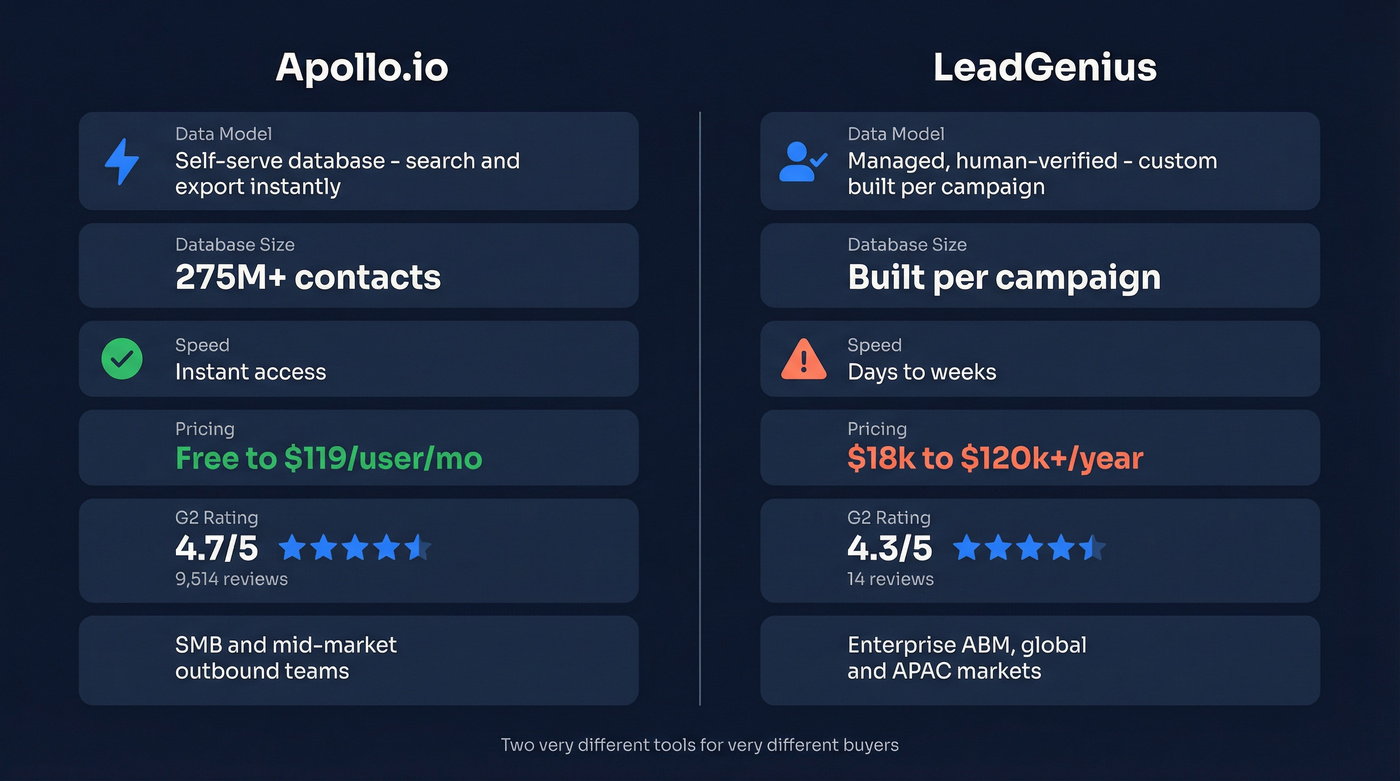
That review-count gap isn't a gotcha. It's market reality: Apollo is mass-market self-serve; LeadGenius is a high-touch enterprise service with a tiny buyer pool.
Where Apollo Wins
Apollo is the fastest path from "new ICP idea" to "contacts in a sequence." If you're a solo rep or a small SDR team, that speed matters more than almost anything else.
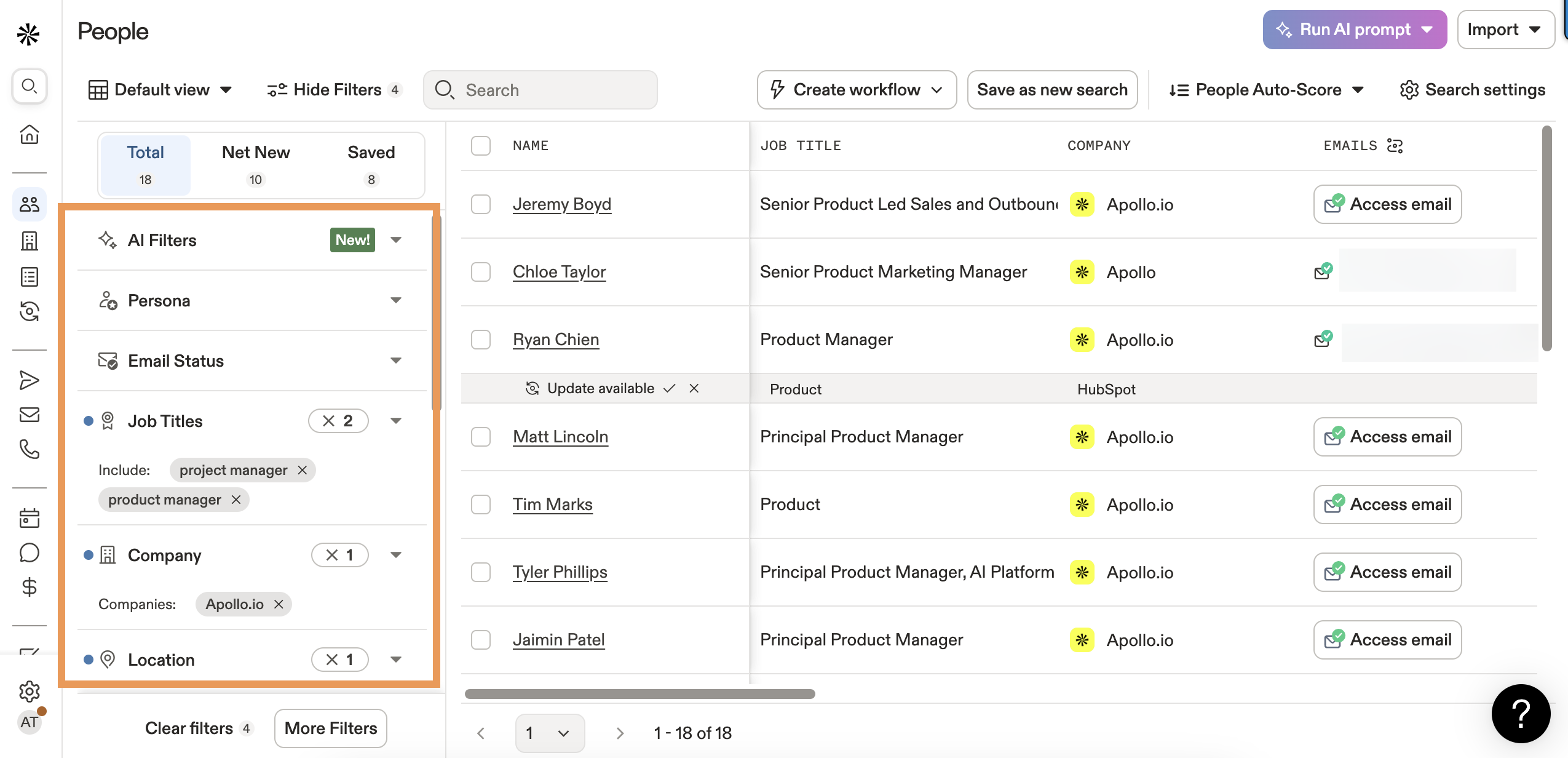
The free tier is legitimately useful for testing outbound, and the product experience is built around doing everything in one place: search, filter, export, sequence, and iterate. We also like Apollo when a team is still figuring out its messaging - being able to pull a fresh list in minutes keeps momentum high instead of stalling out while you wait for a vendor to deliver a batch.
Skip Apollo if your deliverability is fragile. Without a verification step before sending, you're gambling with your domain. If you want the benchmarks and fixes, start with this email deliverability guide.
Where LeadGenius Wins
LeadGenius is for teams that need coverage and precision where standard databases get thin - especially in APJ. Their benchmark against ZoomInfo and Cognism across 13 APJ markets showed 20%+ more reachable contacts in 12 of them.
The reason is simple: LeadGenius doesn't rely on the same recycled sources. It pulls from local-language forums, job boards, GitHub, and StackOverflow to map practitioners and buying committees in markets where titles, companies, and org charts don't resolve cleanly. You're also paying for the human layer: researchers verify contacts, map committees, and add behavioral intelligence using DISC and Big Five profiling. In late 2025, LeadGenius moved toward cents-per-record campaign pricing, which makes the spend feel more tied to deliverables.
Skip LeadGenius if you need to iterate fast. When targeting is off, "days to weeks" is a painful feedback loop that kills campaign velocity.
If you're building lists for ABM, it helps to start with an Ideal Customer Profile that’s actually scoreable.

Apollo's 32-38% bounce rates torch domains. LeadGenius's week-long turnaround kills momentum. Prospeo gives you 300M+ profiles with 98% email accuracy on a 7-day refresh cycle - self-serve speed without the deliverability risk. Teams switching from Apollo book 35% more meetings.
Stop choosing between speed and accuracy. Get both at $0.01/email.
Pricing Breakdown
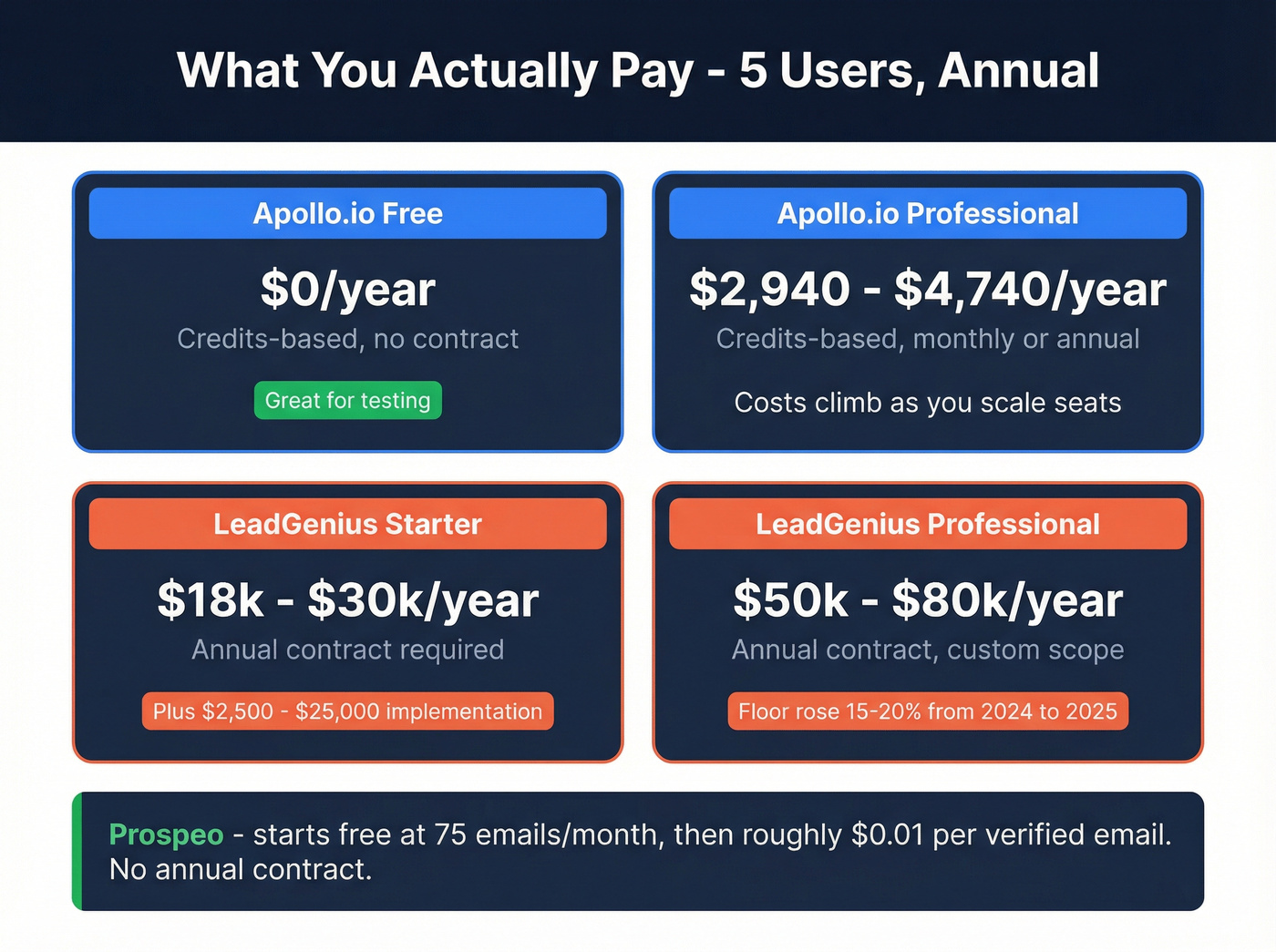
Here's the thing: Apollo charges like software (seats + credits). LeadGenius charges like a service (campaigns + annual commitments), and implementation fees push the real cost up significantly.
If you’re comparing vendors in this category, this roundup of sales prospecting databases can help you sanity-check pricing and data models.
| Apollo Free | Apollo Professional | LeadGenius Starter | LeadGenius Professional | |
|---|---|---|---|---|
| Annual (5 users) | $0 | ~$2,940-$4,740 | ~$18k-$30k | ~$50k-$80k |
| Per-contact cost | Credits-based | Credits-based | ~$3-$8 | ~$15-$25 |
| Contract | None | Monthly/annual | Annual | Annual |
LeadGenius commonly lands around ~$22,000/year for smaller scopes, before add-ons. Implementation fees can add another $2,500-$25,000 depending on tier.
Also worth knowing: LeadGenius's floor rose roughly 15-20% from 2024 to 2025, moving from about $15k to $18k. If you're price-sensitive, that trend line matters. Apollo is the opposite: low-friction entry, then costs climb as you scale seats and usage.
The Accuracy Problem
Let's be honest - this is where both tools have real weaknesses.
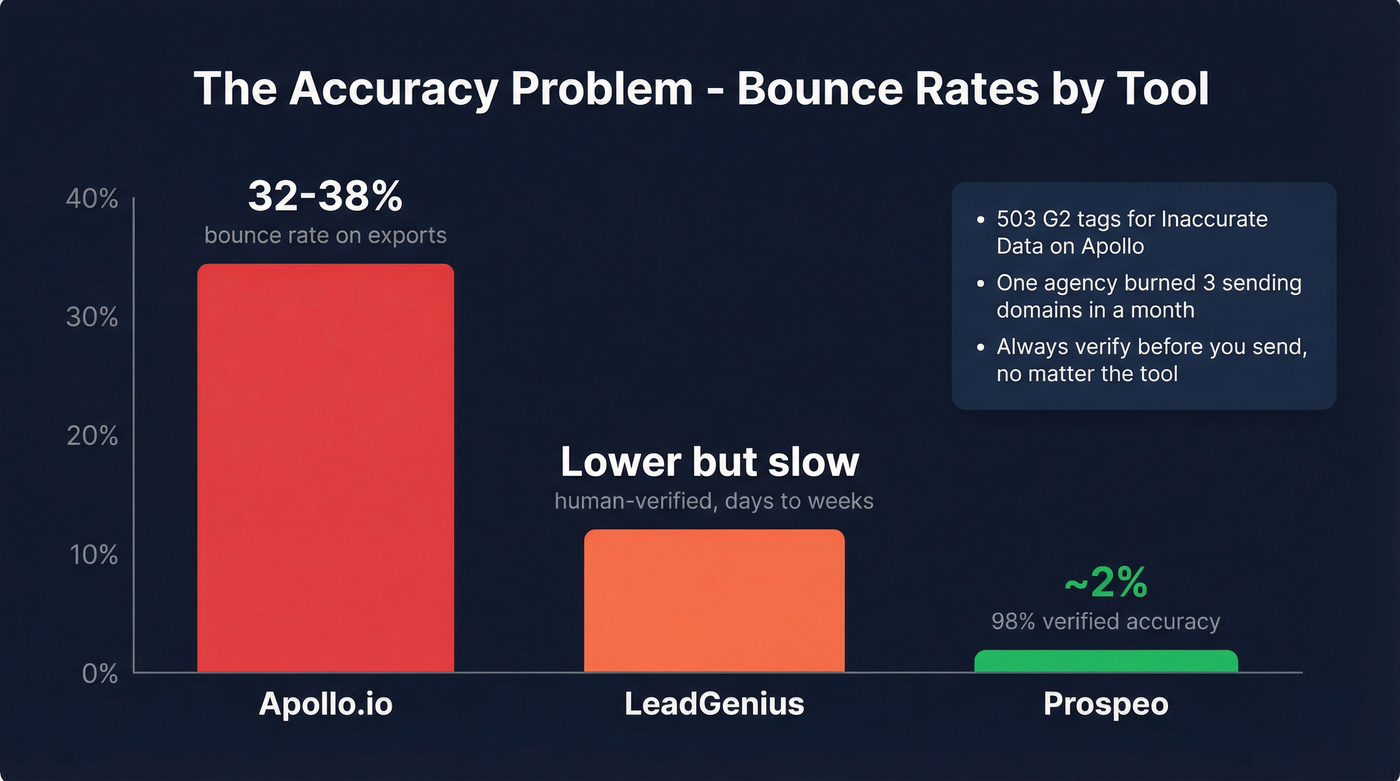
Apollo's biggest downside is data cleanliness at scale. A practitioner test shared on Reddit found 32-38% bounce rates on Apollo exports when verified through NeverBounce, and "Inaccurate Data" is a top complaint tag on Apollo's G2 profile with 503 tags.
LeadGenius is cleaner because humans verify, but it's not magic. When a batch misses the mark, you can't self-serve a quick replacement list - you're back in the queue.
We've seen teams torch sender reputation in a single week by sequencing unverified database exports. One agency we spoke with burned through three sending domains in a month before adding a verification layer. If you care about deliverability, verification isn't optional regardless of which tool you pick. (If you want the numbers and thresholds, see email bounce rate benchmarks.)

A Third Option Worth Considering
Prospeo fits the gap between these two approaches. You get self-serve speed with 300M+ professional profiles and 143M+ verified emails, all refreshed on a 7-day cycle - compared to the 4-6 week industry average most databases run on.
The proprietary 5-step verification catches the bad addresses that slip through typical database exports: spam traps, honeypots, catch-all domains. Teams switching from Apollo report 35% more meetings booked, largely because fewer emails bounce and more land in primary inboxes. Pricing starts free at 75 verified emails/month, and paid usage lands around ~$0.01 per email - a fraction of what either Apollo at scale or LeadGenius charges.
If you’re evaluating verification vendors specifically, compare options in these Bouncer alternatives (and related tools).
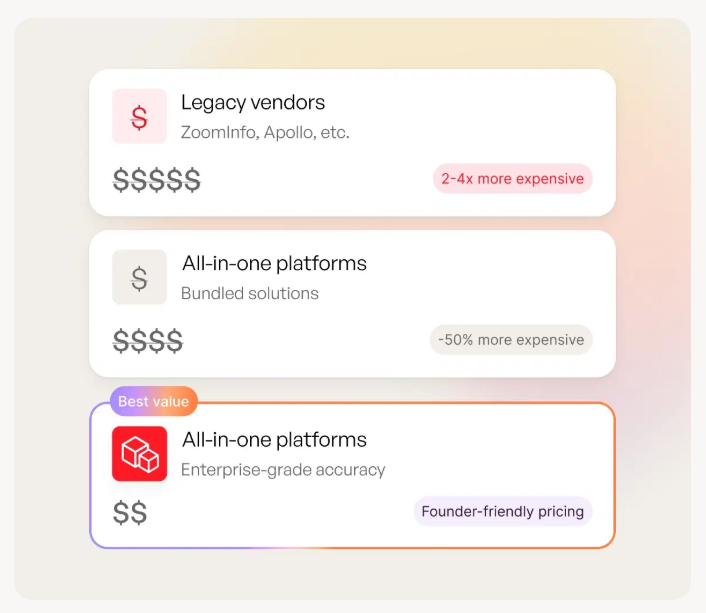
Both LeadGenius and Apollo force a tradeoff: pay enterprise prices for clean data, or gamble your sender reputation on cheap exports. Prospeo's 5-step verification catches spam traps, honeypots, and catch-all domains before they hit your sequences - no annual contract, no sales call required.
Verify before you send. Your domain reputation depends on it.
Which Tool Should You Pick?
Pick Apollo.io if you want an all-in-one workflow (data + sequencing) and you're disciplined about verifying before you send.
If you’re tightening your outbound process end-to-end, it’s worth standardizing sequence management so list quality issues don’t cascade into deliverability issues.
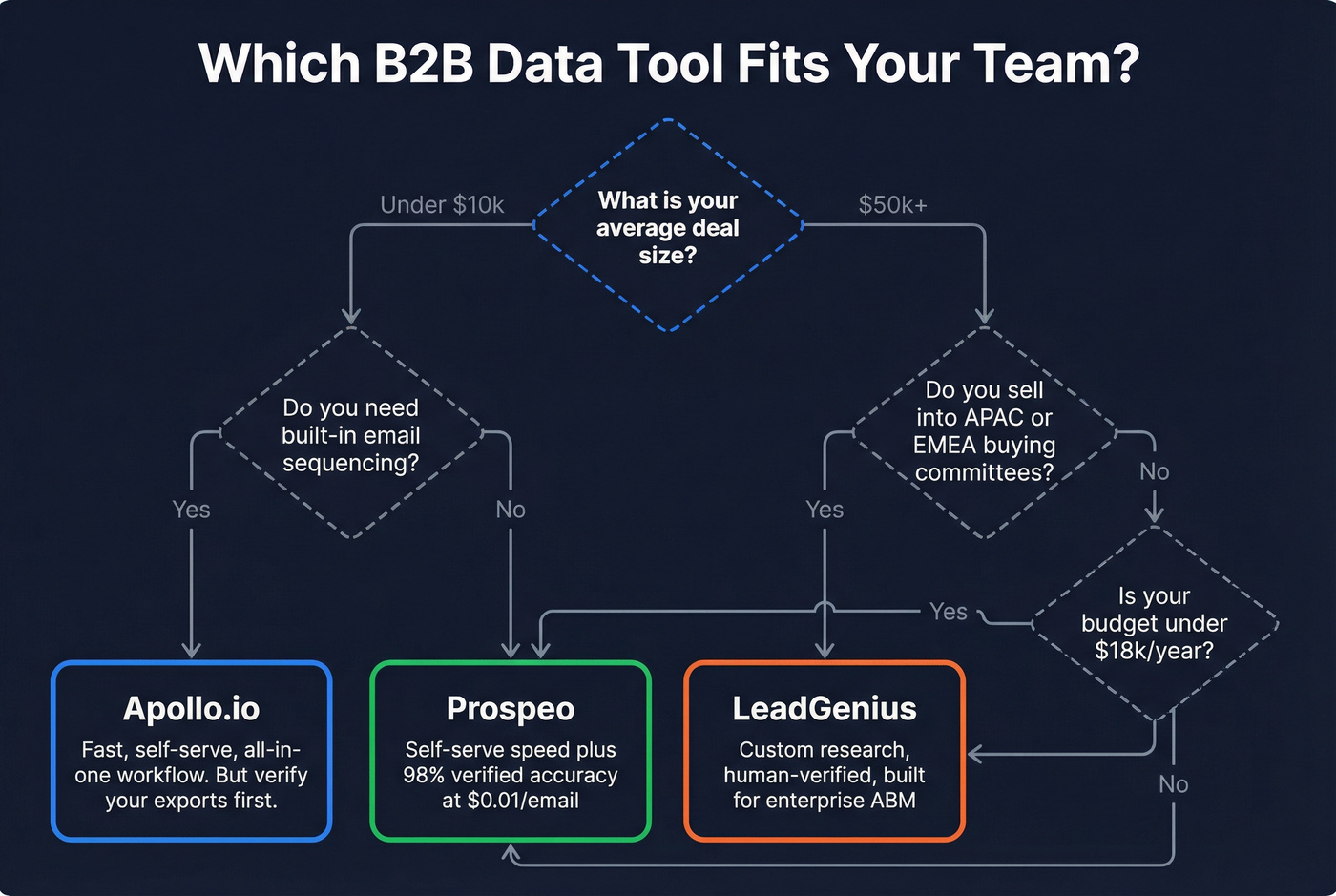
Pick LeadGenius if you're running enterprise ABM, need buying-committee maps in APAC/EMEA, and can afford a service motion with slower iteration.
For most teams comparing LeadGenius vs Apollo.io, neither one nails the middle ground: self-serve speed with genuinely clean data at a reasonable price. That's where Prospeo sits, and it's worth a look before you commit to either end of the spectrum. If you’re building a broader system, map it to a repeatable lead generation workflow.
FAQ
Is LeadGenius or Apollo.io better for small teams?
Apollo.io, without question. Small teams win on speed and iteration - you can pull a list, sequence it, and adjust targeting in the same afternoon. LeadGenius is priced and structured for enterprise programs with $50k+ budgets that can absorb multi-day turnaround times.
How accurate is Apollo.io data in 2026?
Expect to verify everything before sending. A Reddit practitioner test found 32-38% bounce rates on Apollo exports checked through NeverBounce, and "Inaccurate Data" carries 503 complaint tags on Apollo's G2 profile. Always run exports through a verification layer first.
What if both feel wrong for my team?
You're not alone - the consensus on r/coldemail is that most teams need a verification step no matter which database they use. Prospeo delivers 98% verified email accuracy on a 7-day refresh cycle, starting free at 75 verified emails per month. It gives you Apollo-like self-serve speed without the bounce-rate risk, and without LeadGenius's enterprise pricing or turnaround delays.