

Telemarketing B2B Lead Generation: The 2026 Playbook
Two hundred dials. Eight connects. One meeting. Your rep stares at the dashboard, and you stare at the cost-per-meeting math wondering if the channel is broken. The fix is almost never "hire better reps" or "try a new script." It's upstream, in the list - and that's where telemarketing B2B lead generation campaigns succeed or fail.
Cognism's State of Cold Calling report backs this up. Based on 204,000+ cold calls and 27,000+ conversations, it shows exactly where campaigns break down - and it's rarely the reps or the scripts. Let's get into it.
What You Need (Quick Version)
- Verified direct dials are the #1 ROI lever. With verified mobiles, top teams connect in ~8 dials instead of 18. Everything else is optimization on top of this.
- Compliance isn't optional. Scrub your lists against the National DNC Registry every 31 days. TCPA penalties run $500-$1,500 per violation.
- Expect ~40-45 calls per booked meeting. Average conversion rates across large datasets land at 2.3%. Top performers hit 4-5%.
- Budget $10K+/month per in-house rep, or $3K-$8K outsourced. Fully loaded in-house SDR costs run $9,800-$14,200/month.
- Multichannel lifts results 287% vs phone alone. Call + email + social isn't optional anymore - it's the baseline.
Does B2B Telemarketing Still Work?
Yes, but the bar is higher than it was five years ago.
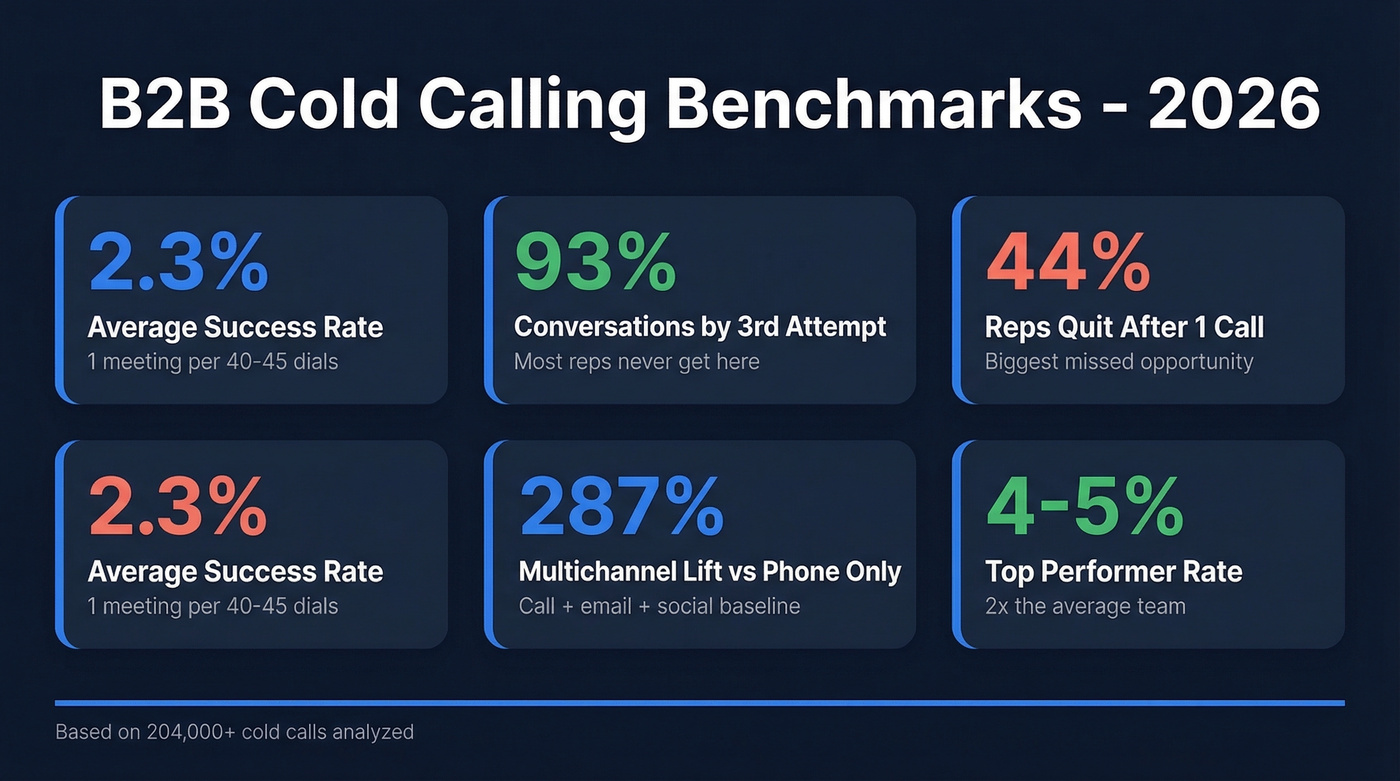
Cognism's data shows a 2.3% average cold calling success rate. That sounds low until you realize it translates to roughly one meeting per 40-45 dials - and that's the average, including teams calling switchboards with stale data. The more interesting finding: 93% of conversations happen by the third call attempt. By the fifth, you've hit 98%. Most reps never get there because 44% give up after a single attempt.
Here's the thing: digital channels are saturated. The average decision-maker's inbox is a warzone. A well-timed phone call cuts through in a way that email sequence #47 simply can't. The sales intelligence market is projected to hit $10.25B by 2032 - the infrastructure around outbound is growing, not shrinking. And telemarketing isn't just cold calling. It drives qualification at the top of the funnel, appointment setting in the middle, and retention at the bottom. When you combine calls with email and social touches, results jump 287% compared to phone alone.
Compliance First - TCPA, DNC, and State Laws
Before you dial a single number, get this right. The penalties aren't theoretical.
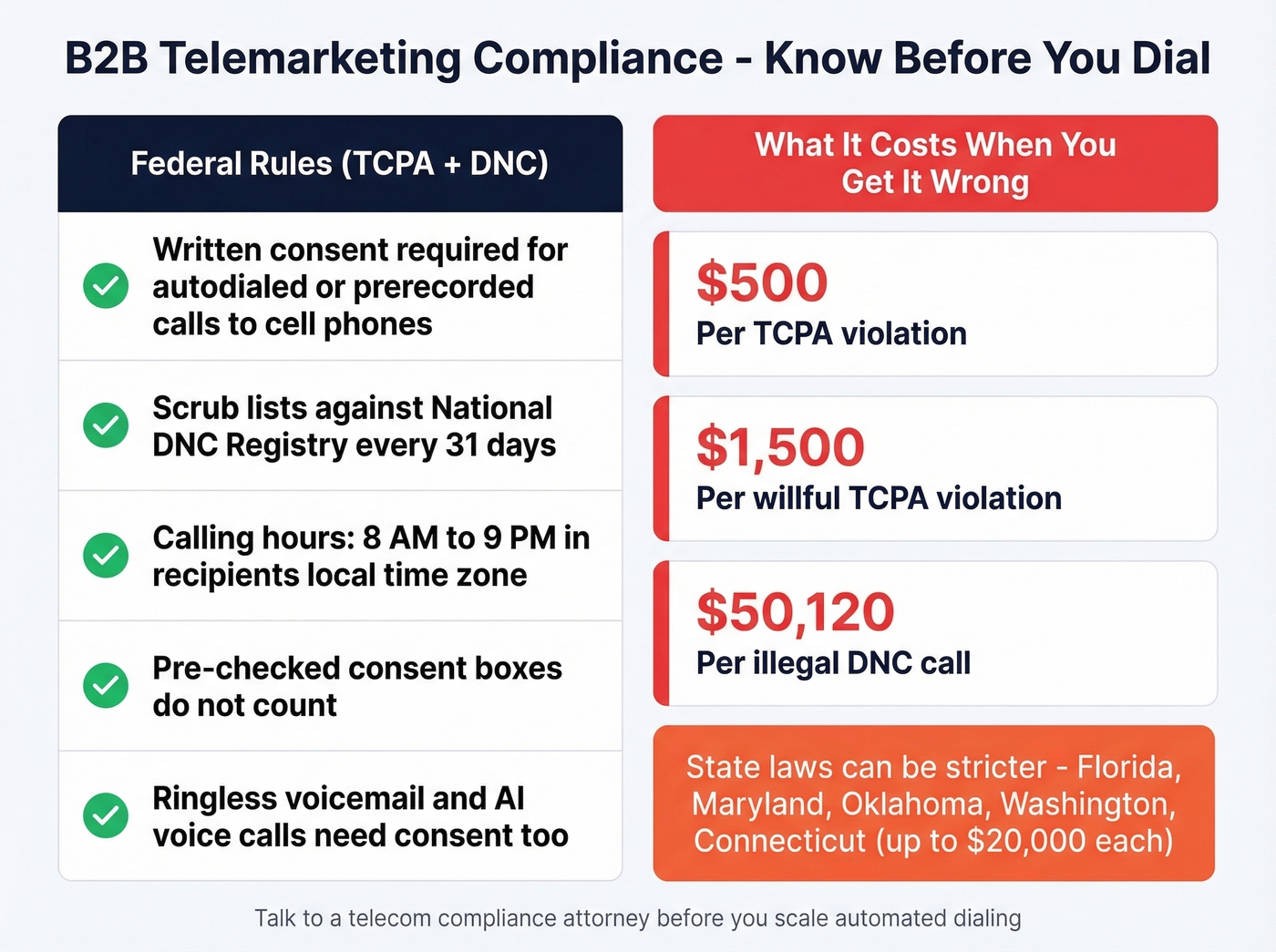
Federal baseline (TCPA + National DNC):
- Autodialed or prerecorded marketing calls/texts to cell phones require prior express written consent - even if the number is used for business
- Pre-checked consent boxes don't count
- An established business relationship isn't a substitute for written consent when using automated/prerecorded outreach to cell phones
- Calling hours: 8 AM to 9 PM in the recipient's local time zone
- Scrub your lists against the National DNC Registry every 31 days - this is a legal requirement
- Ringless voicemail and AI voice calls are treated as prerecorded messages and require consent
What it costs when you get it wrong: TCPA violations run $500 per violation, up to $1,500 per willful violation. DNC violations can hit $50,120 per illegal call. These are per-call penalties. A 500-number campaign with bad compliance can generate six-figure exposure overnight.
State mini-TCPA laws to watch: Florida, Maryland, Oklahoma, and Washington have enacted stricter telemarketing laws that close traditional B2B loopholes. Florida's rules are particularly aggressive - don't assume "it's a business number" protects you there. Connecticut violations can run up to $20,000 each. If you're running any kind of automated dialing, talk to a telecom compliance attorney before you scale. The federal rules are the floor, not the ceiling.
Your Data Is the Campaign
Every other variable - scripts, timing, rep talent - is downstream of data quality. This is the section that matters most.
B2B contact data decays at 2-3% per month. After six months, roughly 12-18% of your list is wrong. The average B2B data provider delivers about 50% accuracy, 91% of CRM data is incomplete, and poor data quality costs the average organization $12.9M per year. That's not a data problem - it's a campaign-killing problem.
When we've audited underperforming campaigns, the diagnosis is the same about 80% of the time: the list is garbage. Reps burn hours dialing disconnected numbers, reaching the wrong person, or hitting switchboards instead of direct lines. If your connect rate is 3% instead of 8%, you need nearly three times as many dials to hit the same meeting count. Fix the list first. Always.

The fix starts with choosing the right data provider. Here's how the major players compare for telemarketing specifically:
| Provider | Verified Mobiles | Email Accuracy | Data Refresh | Starting Price |
|---|---|---|---|---|
| Prospeo | 125M+ (30% pickup) | 98% | 7 days | Free tier; ~$0.01/email |
| ZoomInfo | Large database | ~87% | ~6 weeks | ~$15,000/year |
| Apollo | Large database | ~79% | ~6 weeks | Free tier; $49/user/mo |
| Lusha | Moderate database | ~85% | Weeks | ~$22/user/mo |
For phone-heavy outbound, the pickup-rate reality is what matters. A 30% mobile pickup rate means roughly one in three dials reaches a live person - the difference between a productive afternoon and a demoralizing one. Cognism is another strong option for GDPR-compliant European data, but its custom pricing and sales-led model put it in a different category.
If you're comparing vendors, start with sales prospecting databases and narrow down based on refresh rate and verification.
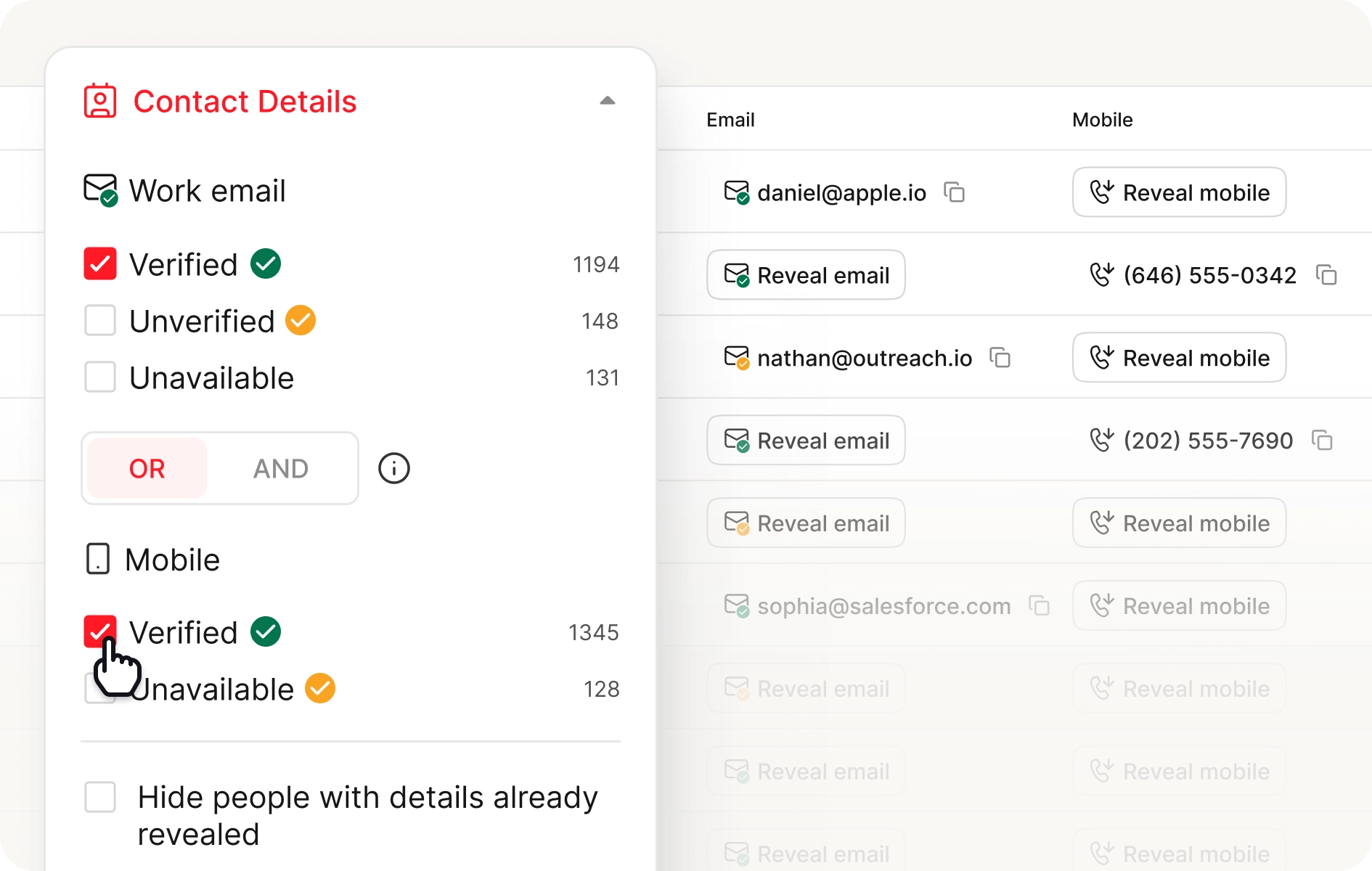
A 7-day data refresh cycle is the other differentiator that matters for phone campaigns. When the industry average sits around 6 weeks, you're calling numbers that have been stale for over a month. Meritt, a Prospeo customer, saw their connect rate triple to 20-25% and their bounce rate drop from 35% to under 4% after switching providers. That's not a marginal improvement - it's a fundamentally different campaign.
If you need to improve list quality without rebuilding everything, data enrichment services can help fill gaps and refresh records.
Essential Tools - Dialers and Tech Stack
Once your data is clean, you need a dialer that keeps reps moving without creating compliance risk.

Power dialers auto-advance through a list sequentially - one call at a time, no dropped calls. This is the safest option for most B2B teams. Parallel dialers call multiple numbers simultaneously and connect the first person who picks up, dropping the rest. Faster, but the dropped calls annoy prospects and can trigger compliance flags. Predictive dialers use algorithms to dial ahead of rep availability - built for high-volume call centers, and misconfigured ones create abandoned-call rates that get you in trouble. Unless you have a compliance team reviewing your setup, stick with power dialing.
| Dialer | Entry Price | Mid Tier | Top Tier | Key Strength |
|---|---|---|---|---|
| RingCentral | $20/user/mo | $25/user/mo | $35/user/mo | All-in-one comms |
| CloudTalk | $25/user/mo | $30/user/mo | $50/user/mo | International calling |
| Aircall | $30/user/mo (3-min) | $50/user/mo | Custom | CRM integrations |
Most solid dialers land in the $25-$50/user/month range. The non-negotiable features: power dialing, local presence (displaying a local area code), call recording, CRM integration, and built-in DNC scrubbing. Local presence alone can meaningfully improve connect rates - people answer local numbers.
If you're evaluating calling platforms, compare options like Dialpad alternatives before you commit.
Budget $600-$1,000/month per rep for the full tool stack: dialer + CRM + data provider + engagement platform. If you're building the stack from scratch, start with a shortlist of SDR tools.

Your reps don't have a calling problem - they have a data problem. Prospeo's 125M+ verified mobile numbers deliver a 30% pickup rate, refreshed every 7 days instead of the 6-week industry average. Meritt tripled their connect rate to 20-25% after switching.
Connect in 8 dials instead of 18 - start with numbers that actually ring.
The Telemarketing B2B Lead Generation Process
Here's the six-step process that separates productive outbound calling from expensive noise.
Define Your ICP
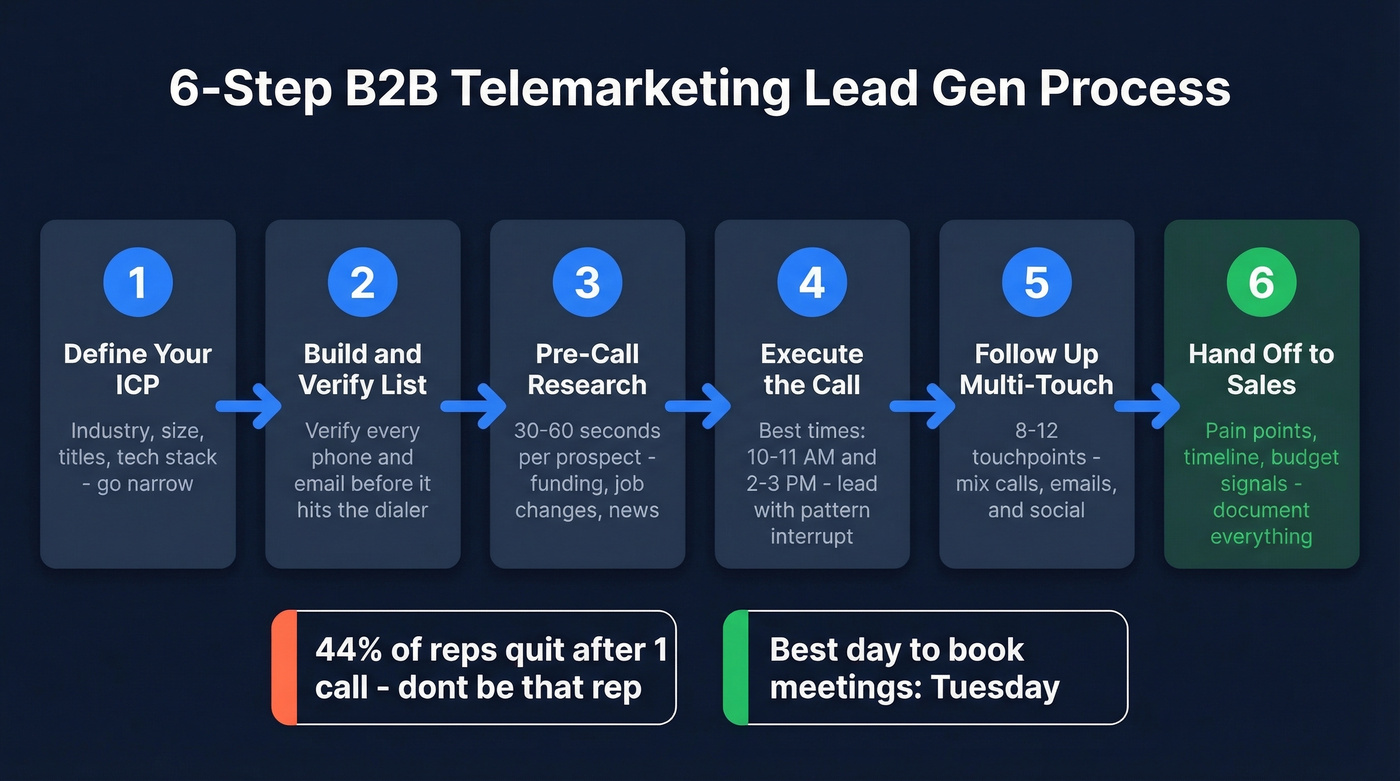
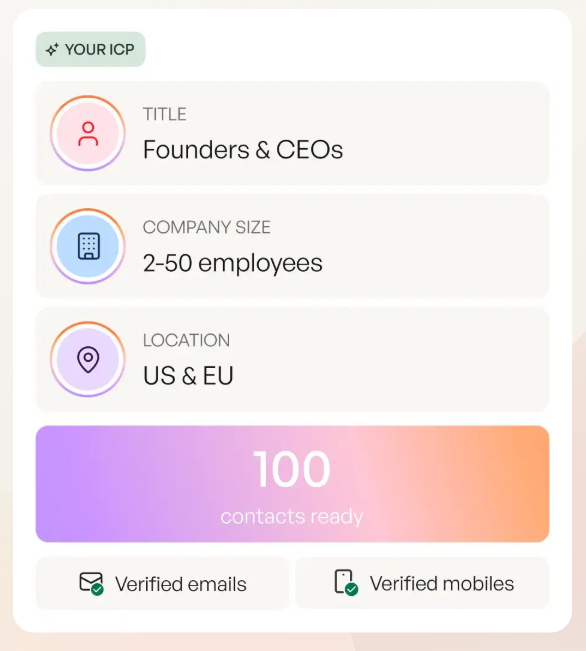
Start narrow. Industry, company size, revenue range, tech stack, and the specific titles you're targeting. "VP of Sales at B2B SaaS companies with 50-200 employees using Salesforce" is an ICP. "Decision-makers at mid-market companies" is not. In our experience, teams that skip this step waste 30-40% of their dial time on prospects who were never going to buy.
If you want a structured way to document this, use an ideal customer profile template and scoring rubric.
Build and Verify Your List
Pull contacts matching your ICP from your data provider, then verify every phone number and email before it enters your dialer. Unverified lists waste a huge chunk of your reps' time on wrong numbers and bounced emails. This is where most teams cut corners - and where most campaigns fail.
If you're also running cold email alongside calls, use email deliverability best practices so bounces don't tank your domain.
Pre-Call Research
Spend 30-60 seconds per prospect before dialing. Check for recent funding, job changes, tech stack signals, or company news. A single relevant detail in your opener transforms a cold call into a warm one. Skip this if you're running a high-volume play against a very well-defined ICP where personalization adds minimal lift - but for enterprise targets, it's non-negotiable.
To systematize this, build a lightweight workflow for tracking sales triggers.
Execute the Call
Best times to call: 10-11 AM and 2-3 PM in the prospect's time zone, with a strong secondary window at 4-5 PM. Best day: Tuesday for booking meetings. Lead with a pattern interrupt or permission-based opener. Keep your value prop under 30 seconds. Ask questions. Listen.
If your team needs a repeatable framework, build a cold calling system that standardizes attempts, voicemails, and follow-ups.
Follow Up (Multi-Touch)
44% of reps give up after one call, but success typically requires 8-12 touchpoints. Mix calls with emails and social touches. A voicemail followed by an email referencing the voicemail is dramatically more effective than either alone.
For the email side, keep a set of sales follow-up templates so reps don't reinvent copy every day.
Hand Off to Sales
When a meeting is booked, include the prospect's pain points, timeline, budget signals, and any objections raised. A sloppy handoff wastes the meeting and demoralizes the AE. Document everything in your CRM immediately - not at the end of the day.
Scripts and Openers That Work
Openers That Get Past "Not Interested"
The first 10 seconds determine whether you get a conversation or a click. Three openers consistently outperform the standard "Hi, this is [name] from [company]":
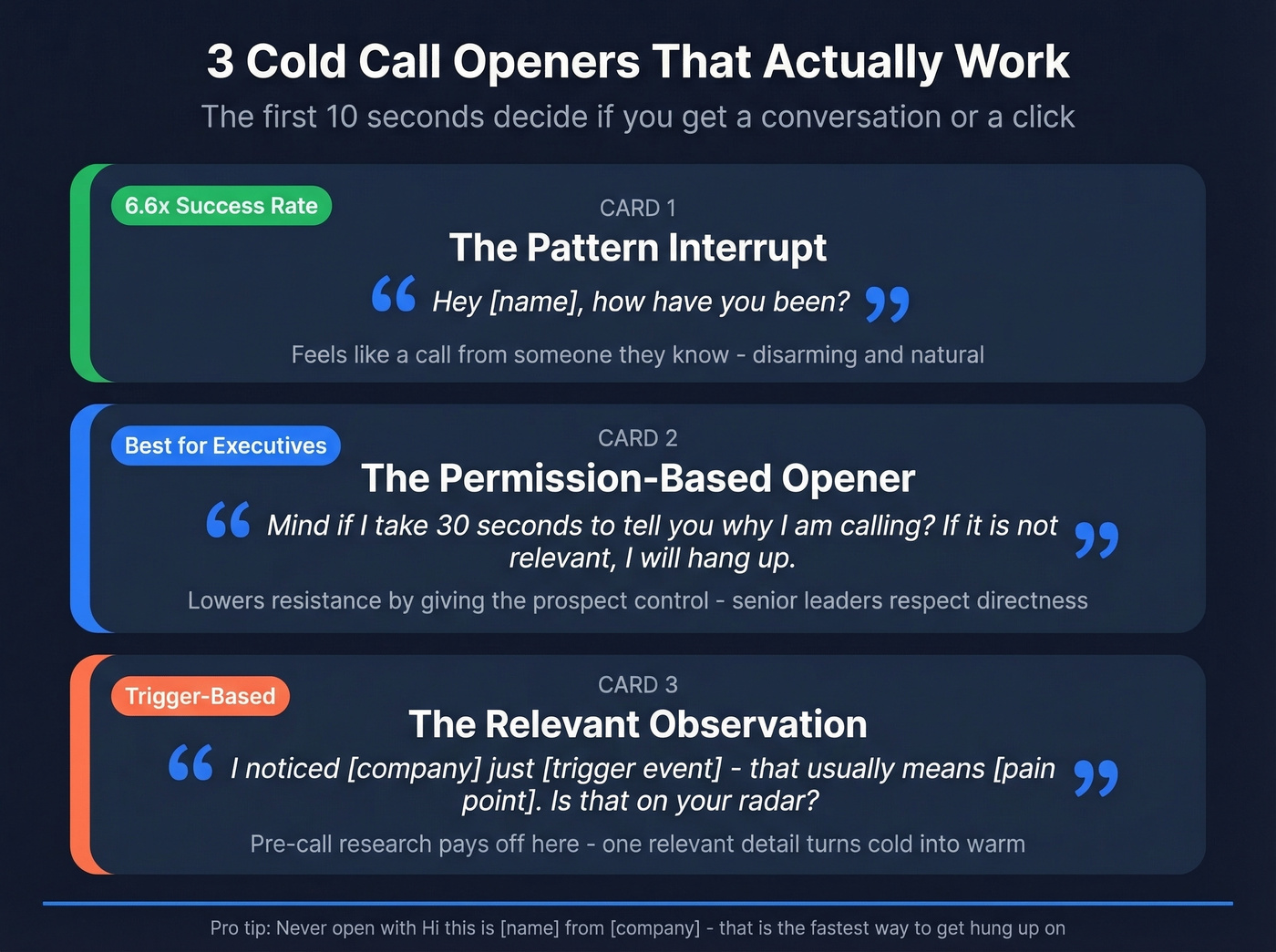
The pattern interrupt: "Hey [name], how've you been?" This feels like a call from someone they know. It's disarming and delivers a 6.6x higher success rate than a standard intro.
The permission-based opener: "Mind if I take 30 seconds to tell you why I'm calling? If it's not relevant, I'll hang up." This lowers resistance by giving the prospect control. Works especially well with senior executives who respect directness.
The tactical apology: "I know I'm calling out of the blue - I saw [specific trigger event] and thought it was worth a quick call." The apology acknowledges the interruption, and the research detail proves you're not just dialing down a list.
The reason statement - "The reason for my call is..." - delivers a 2.1x lift over jumping straight into a pitch. We've tested all three openers across different verticals, and the permission-based approach wins most consistently for cold outreach to C-suite targets.
A Complete Cold Call Script
"Hey [name], this is [your name] with [company]. Mind if I take 30 seconds?
[Pause - wait for permission]
The reason I'm calling - I noticed [trigger: hiring SDRs / new funding / expanded into new market]. We help [similar companies] [specific outcome: cut ramp time by 40% / increase pipeline by 3x]. Thought it was worth a quick conversation.
Is that something you're thinking about right now, or is the timing off?"
Your value prop must be outcome-driven and deliverable in under 30 seconds. "We're a leading provider of innovative solutions" gets you hung up on. "We helped [competitor name] book 40% more meetings last quarter" gets you a question.
Handling the Four Objection Types
Most objections fall into four buckets:
- Budget ("We don't have the budget"): Pivot to outcomes - "If we could [specific result], would that change the conversation?"
- Timing ("Not a good time"): Book the follow-up before you hang up and send context via email.
- Need ("We're all set"): Ask about a specific pain point - curiosity beats pushback.
- Authority ("I'm not the right person"): Get the name and ask for an intro or permission to mention the conversation.
Objection handling is listening and reframing, not arguing. The moment you push, you lose.
Benchmarks - What Good Looks Like
Here's what the data says across large-sample studies:
| Metric | Average | Top Performers |
|---|---|---|
| Connect rate | 5.5% | 8-10% |
| Conversion rate | 2.3% | 4-5% |
| Calls per meeting | 40-45 | 20-25 |
| Cost per meeting | $500-$1,000 | $250-$375 |
| Attempts to connect | 3 | 1-2 (with direct dials) |
Regional success rates vary: UK teams hit about 8%, Europe averages 6%, and the US sits around 6%. These are cold calling numbers. Warm calling - inbound follow-up, re-engagement - converts at 15-30%, and retention calls hit 30-40%.
The gap between average and top performers almost always comes down to data quality and persistence. If you're below a 3% connect rate, don't retrain your reps - fix your list.
One strong opinion from our team: if your average deal size is under $15K, you probably don't need ZoomInfo-level data infrastructure. A focused provider with verified mobiles and a tight ICP will outperform an enterprise platform you're using at 15% of its capacity. The consensus on r/sales tends to agree - threads about data providers consistently favor accuracy over database size.
In-House vs Outsourced - The Real Math
Your CFO wants to know: should we hire SDRs or outsource?
In-house, fully loaded: Base salary runs $55K-$65K. Add a 25-30% burden rate and you're at roughly $78K/year in real base cost. Layer on the tool stack at $600-$1,000/month per rep, management overhead, and training - and you're looking at $9,800-$14,200/month per productive SDR. Before they book a single meeting. The kicker: it takes 3-4 months to hire, onboard, and ramp a new SDR, and average tenure is about 14 months. So you're spending 3-4 months ramping someone who'll stay for roughly a year of productive work.
Outsourced: Retainer models run $3,000-$8,000/month. Pay-per-meeting models charge $175-$350 per held meeting. Time to first pipeline: 2-4 weeks instead of 3-4 months.
| Model | Monthly Cost | Time to Pipeline | Cost per Meeting | Best For |
|---|---|---|---|---|
| In-house (ramp) | $9,800-$14,200 | 3-4 months | $1,500-$2,000 | Long-term control |
| In-house (steady) | $9,800-$14,200 | Active | ~$1,000 | Established teams |
| Outsourced (retainer) | $3,000-$8,000 | 2-4 weeks | $375-$500 | Speed to pipeline |
| Pay-per-meeting | Variable | Immediate | ~$250 | Testing the channel |
Outsource if you need pipeline within 30 days or want to test the channel before committing headcount. Build in-house if you're committed for 12+ months and want full control over messaging, training, and data. Many teams start outsourced, prove the channel, then bring it in-house - that's a perfectly rational path.
Telemarketing + Email + Social - The Multichannel Edge
Phone-only campaigns leave money on the table. That 287% lift from multichannel is the difference between a mediocre program and a great one.
When to call: High-value accounts, warm leads who've engaged with content, prospects who opened your email three times but didn't reply. The phone is your highest-intent, highest-effort channel - use it where it matters most.
When to email: First touches at scale, follow-ups after voicemails, nurture sequences for "not now" prospects. Email is your volume play - verify your list before the first send so bad addresses don't torch your sender reputation.
When to combine: Always, for your top-tier accounts. Call first, leave a voicemail if needed, email within the hour referencing the call, then add a social touch the next day. Telemarketing's unique strength is real-time qualification. You learn more in a 90-second conversation than in 10 email exchanges. Use calls to gather intel - budget cycle, current vendor, pain points - and feed that back into your email sequences to make every follow-up sharper.
Mistakes That Kill Telemarketing ROI
We've seen every one of these sink a campaign:
- No clear ICP. Calling "anyone who might buy" is the fastest way to burn budget.
- Dirty or outdated data. If your data is more than 90 days old and unverified, you're wasting a huge chunk of your dials.
- No multichannel support. Phone-only campaigns underperform by nearly 3x compared to call + email + social.
- Rigid scripts. Scripts are frameworks, not screenplays. Reps who sound like they're reading lose prospects in five seconds.
- Quitting after one attempt. 44% of reps give up after one call. Success comes after 8-12 touchpoints.
- Tracking activity, not pipeline. Dial count is a vanity metric. Meetings booked and pipeline generated are what matter.
- No objection handling training. Roleplay weekly. Reps who can't handle "we're all set" will never get past it.
- Ignoring compliance. One TCPA class action can cost more than your entire annual telemarketing budget.
At $0.01 per email and 10 credits per verified mobile, Prospeo costs 90% less than ZoomInfo while delivering 98% email accuracy and 30% mobile pickup. That's the difference between $10K/month in wasted rep time and a full pipeline.
Stop paying enterprise prices for stale switchboard numbers.
FAQ
Is B2B cold calling legal in 2026?
Yes, manual B2B cold calling is legal in the US. Autodialed or prerecorded calls to cell phones require prior express written consent under TCPA. Scrub against the National DNC Registry every 31 days and check state-level laws in Florida, Maryland, Oklahoma, and Washington before dialing.
How many cold calls should an SDR make per day?
Aim for 60-80 dials per day with a power dialer. Quality beats volume - 60 calls to verified direct dials outperform 150 calls to switchboards. Top teams average 20-25 dials per booked meeting with clean data.
What's a good connect rate for B2B telemarketing?
Average is 5.5% across large datasets. Top teams using verified mobile numbers hit 8-10%. If you're consistently below 3%, the problem is almost always data quality - fix the list before retraining reps.
Should I outsource or build an in-house team?
Outsource for speed to pipeline at $3K-$8K/month with meetings starting in 2-4 weeks. Build in-house for long-term control at $10K+/month per rep fully loaded. Many teams start outsourced, prove ROI, then hire - that's the lowest-risk path.
What data provider works best for telemarketing?
You need verified mobile numbers with high pickup rates, not just emails. Look for providers with a 7-day data refresh cycle - the industry average of 6 weeks means you're calling stale numbers. A free tier lets you test before committing budget, which is the smart move before locking into any annual contract.