

Virtual Sales Platform: What It Is and Which One You Actually Need
Your VP just dropped "find us a virtual sales platform" into Slack with zero context. The problem: that term mixes CRMs, deal rooms, video conferencing tools, and AI bots into one incoherent pile. Meanwhile, 61% of B2B buyers prefer a completely rep-free buying experience, and your team still can't agree on what tool to buy.
Here's the thing: you probably don't need a single all-in-one platform. You need two or three tools that actually work together. Let's figure out which ones.
Quick Recommendation
- Complex enterprise deals (6+ stakeholders, $50K+ ACV) - Dock or GetAccept
- SMB or startup needing a clean deal room - Trumpet or Aligned
- Before any of the above - make sure your contact data is accurate. Prospeo handles that.
What Is a Virtual Sales Platform?
Gartner defines the core concept - digital sales rooms - as "private, persistent microsites that connect buying and selling teams." In practice, the term is an umbrella covering at least five distinct tool categories. It means whatever the vendor selling it wants it to mean, which is why the buying process feels so confusing. Your job isn't to find one monolithic solution. It's to figure out which category you actually need.
Why Remote Selling Tools Matter in 2026
The buying process has fundamentally shifted. According to 6sense's 2026 Buyer Experience Report, average B2B sales cycles compressed from 11.3 months to 10.1 months in a single year. First contact shifted from 69% to 61% of the buyer journey - roughly six to seven weeks earlier than before. The pre-contact favorite wins about 80% of the time, and 95% of winning vendors are already on the buyer's Day One shortlist.
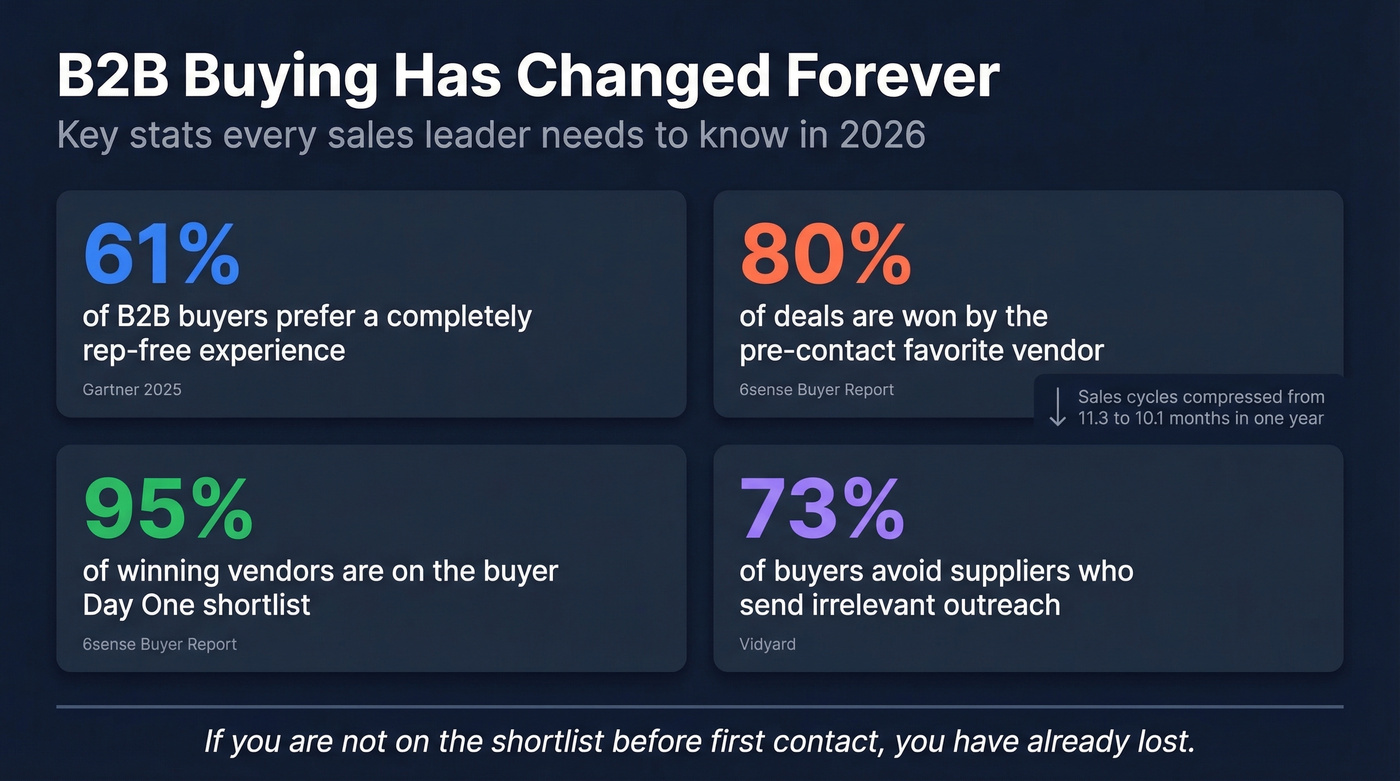
Only 15-25% of B2B buyers want to interact with reps in person at all, and 73% actively avoid suppliers who send irrelevant outreach. The digital sales room market sits at roughly $5B in 2026, projected to hit $7.9B by 2031. This isn't a trend. It's the new default.
The 5 Types of Virtual Sales Platforms
Digital Sales Rooms (DSRs)
Purpose-built deal rooms - one link per opportunity, with content, mutual action plans, e-signatures, and buyer engagement tracking. Dock, Trumpet, Aligned, and GetAccept all live here. This category gets the most hype right now, and for complex deals with multiple stakeholders and long sales cycles, it genuinely deserves it. We've tested several of these, and the difference between a shared Google Drive link and a proper DSR becomes obvious once you're juggling six-plus decision-makers across a 90-day cycle.
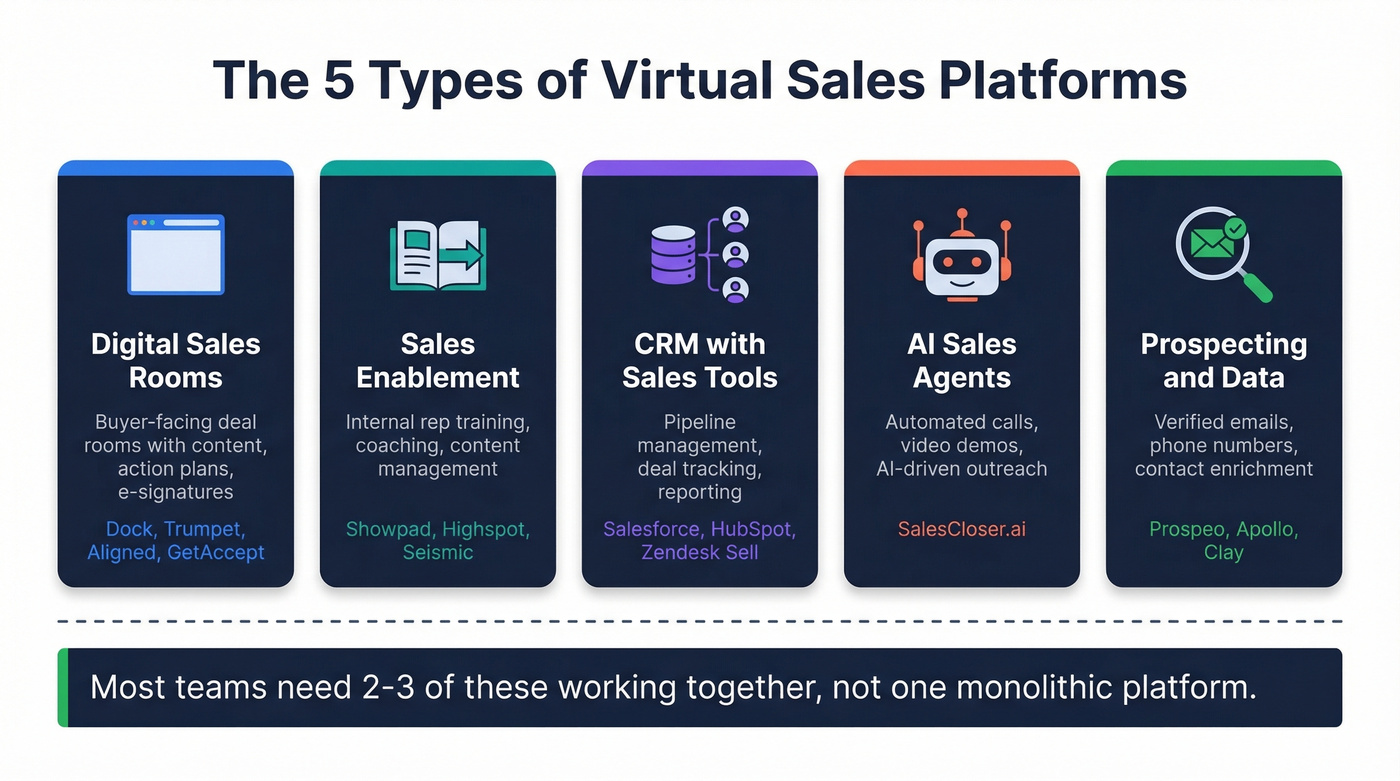
Dock stands out for enterprise use with its free tier and $350/month paid plan, while GetAccept bundles proposal and contract workflows into the deal room experience. Trumpet and Aligned are lighter-weight options that work well for teams under 20 reps who don't need the full enterprise stack.
Sales Enablement Platforms
Skip this category if your problem is "buyers can't find our content." These are internal-facing: content management, rep training, coaching. Showpad, Highspot, and Seismic help your reps sell better but don't face the buyer directly the way a deal room does. Some vendors bundle both, which muddies the water even further.
CRM with Sales Tools
Salesforce, HubSpot, Zendesk Sell. The foundation most teams already have. We've seen plenty of 15-person teams spend months evaluating deal rooms when the real answer was "configure HubSpot properly." If that sounds familiar, start there before adding another tool to the stack - see a few examples of a CRM to sanity-check what you already own.
AI Sales Agents
SalesCloser.ai is the most visible player, automating voice calls and video demos. It carries a 3.4/5 on Trustpilot with recurring complaints about unexpected billing and cancellation friction. This category is the least proven and the most overpromised - tread carefully.
Prospecting & Data Platforms
No deal room matters if the emails in your CRM bounce. Prospeo, Apollo, and Clay provide verified contact data that feeds everything downstream. This is the category teams skip first and regret most. If you're comparing options, start with data enrichment and sales prospecting techniques that fit your motion.

Every virtual sales platform in your stack is only as good as the contact data feeding it. Prospeo delivers 98% email accuracy and 125M+ verified mobile numbers with a 7-day refresh cycle - so your deal rooms, sequences, and CRM workflows actually reach real buyers.
Stop sending proposals to dead inboxes. Start with verified data.
Pricing at a Glance
| Tool | Type | Starting Price | Notes |
|---|---|---|---|
| Dock | Deal Room | Free / $350/mo | Premium $1,000/mo billed annually |
| GetAccept | Deal Room | $25/user/mo | Pro at $49/user, min 5 seats |
| Trumpet | Deal Room | ~$20-50/user/mo | SMB-friendly |
| Aligned | Deal Room | ~$25-55/user/mo | Lightweight |
| Zendesk Sell | CRM | $19/mo | Basic CRM tier |
| Showpad | Enablement | Not public | Enterprise pricing, requires sales call |
| SalesCloser.ai | AI Agent | ~$200-500/mo | No public pricing page |
| Prospeo | Data Platform | Free / $0.01/email | No contract required |
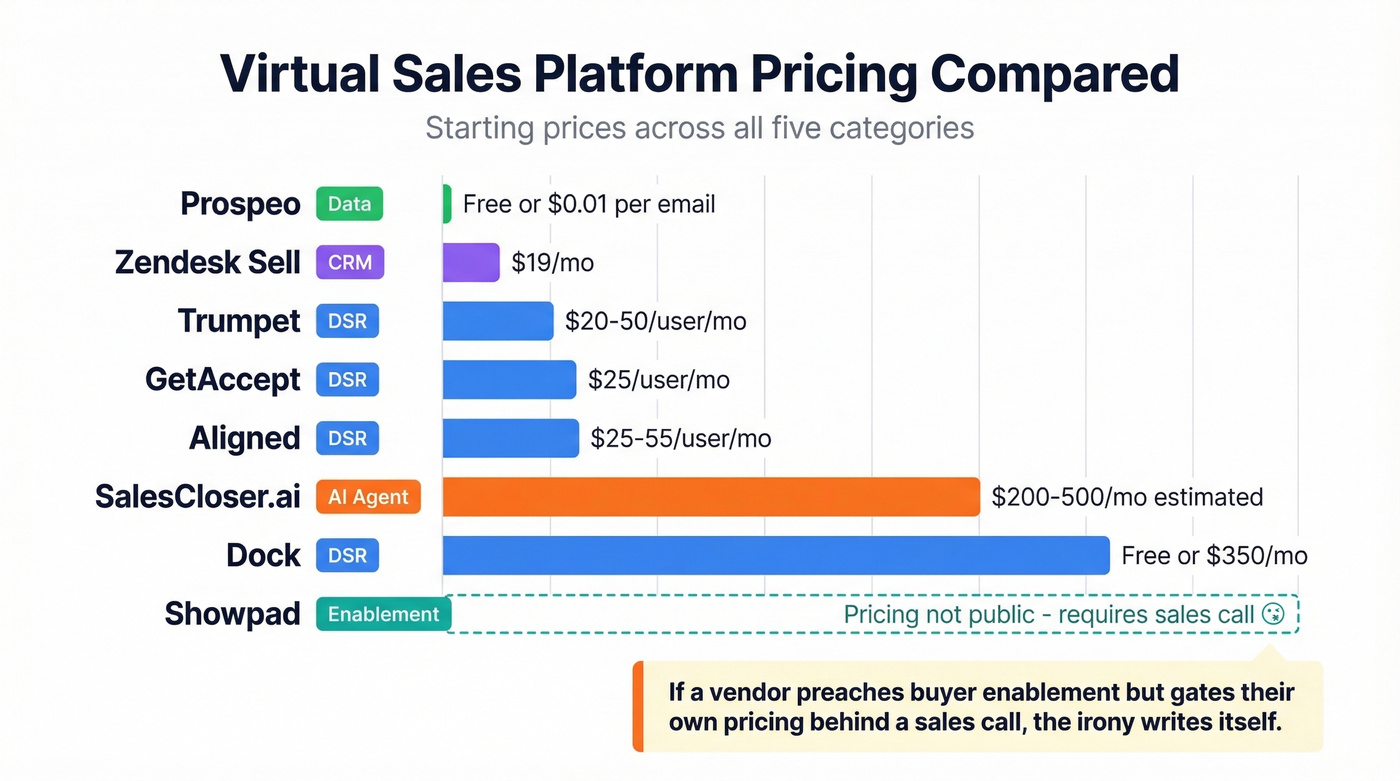
If a vendor preaches "buyer enablement" but gates their own pricing behind a sales call, the irony writes itself.
How to Choose the Right One
Use deal complexity as your guide.
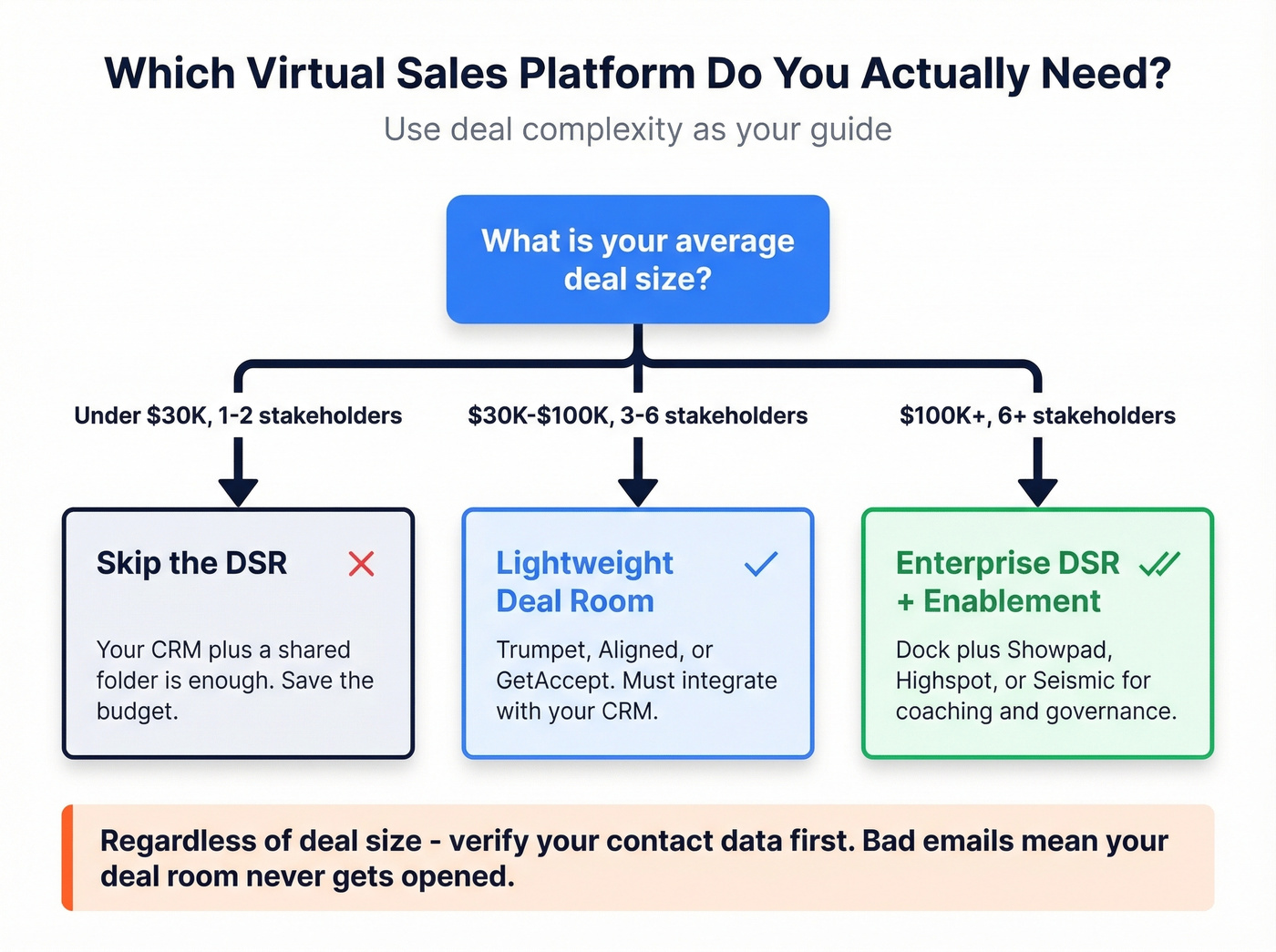
Under $30K, fewer than 3 stakeholders. Your CRM plus a shared folder handles this. Skip the DSR entirely and save the budget.
$30K-$100K, 3-6 stakeholders. A lightweight deal room like Trumpet, Aligned, or GetAccept pays for itself by keeping multi-threaded deals organized. Make sure it integrates with your CRM - that's non-negotiable.
$100K+ enterprise, 6+ stakeholders. Dock plus a real enablement layer like Showpad, Highspot, or Seismic if you need internal coaching, content governance, and playbooks at scale.
Regardless of deal size, verify your contact data first. Sellers already spend only 30% of their time actually selling, and average quota attainment sits at 47%. Bad data makes both numbers worse. If you're seeing issues, start by checking your email bounce rate and tightening your email deliverability.
There's legitimate skepticism on Reddit about whether dedicated deal rooms are worth it at all. If your deals close in two calls, they're not. Save the budget.
Cross-Border Teams Need Extra Scrutiny
For teams selling across regions, the decision gets harder. A global virtual sales platform needs to handle multi-currency proposals, localized content, and compliance with regulations like GDPR. GetAccept and Dock already support multi-language deal rooms, which matters when you're running sales engagement in Europe alongside North American pipelines. If you're focused on European markets, verify that your DSR vendor stores data in EU-compliant infrastructure - not all of them do, and the fines aren't theoretical anymore.
The Foundation Most Teams Skip
Before you spend $350/month on a deal room, ask whether the emails in your CRM are even real. If your bounce rate is above 5%, buyers can't engage with a microsite they never received. We've seen bounce rates above 15% kill entire outbound campaigns before a single deal room gets opened.
Prospeo's 98% email accuracy and 7-day refresh cycle fix this upstream. One example: Meritt went from a 35% bounce rate to under 4%, and their pipeline tripled from $100K to $300K per week. The fanciest virtual sales platform in the world is useless if your data is rotten at the source. If you need a process, start with lead enrichment and a clean lead generation workflow.
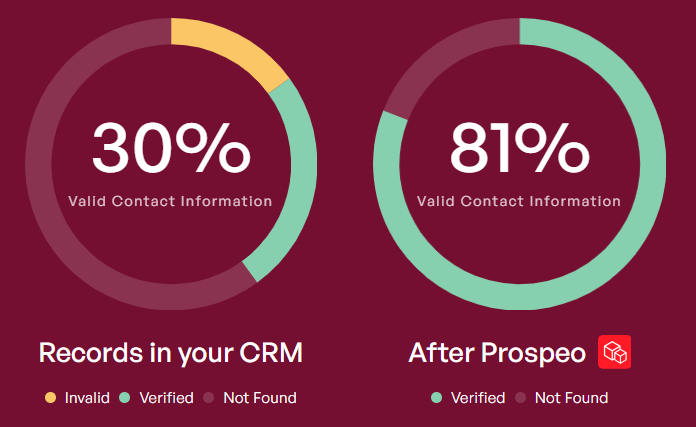
Sellers spend just 30% of their time selling. Bad data makes it worse. At $0.01 per email with no contracts, Prospeo gives your reps accurate contacts before they ever open a deal room - so every Dock link, every Trumpet page, every GetAccept proposal lands with the right person.
Your deal room won't close deals if the buyer never sees it.
FAQ
What's the difference between a digital sales room and a sales enablement platform?
A digital sales room is a buyer-facing microsite tied to a specific deal. A sales enablement platform is internal - content management, training, and coaching for reps. Showpad bundles both, but most vendors specialize in one or the other.
Do small teams actually need a dedicated deal room?
No. If deals involve fewer than three stakeholders and close under $30K, a CRM plus a shared folder handles it. DSRs pay off when you hit six-plus stakeholders and sales cycles stretch beyond 60 days.
How does contact data quality affect virtual selling?
More than most teams realize. If 20-30% of your emails bounce, your deal rooms never get opened and pipeline stalls. Fix the data upstream before investing in anything downstream - it's the single highest-ROI move you can make.