

Stop Writing "Dear Sir or Madam" - Here's What to Say Instead
You're staring at a blank email. It's a cover letter to careers@company.com, you don't know who's reading it, and your fingers default to "Dear Sir or Madam" before your brain catches up. That greeting makes you sound like you're faxing a letter in 1997. Trust the instinct telling you something's off.
Here's the thing: the problem isn't formality. As etiquette expert Jacqueline Whitmore notes on Robert Half, "You can hardly be wrong going too formal. But you can be dead wrong going too casual." The real problem is that "Dear Sir or Madam" signals you didn't bother looking up who you're writing to. The greeting question is really a research question.
The Email Greeting Hierarchy
If you're in a rush, here's the ranking from best to worst:
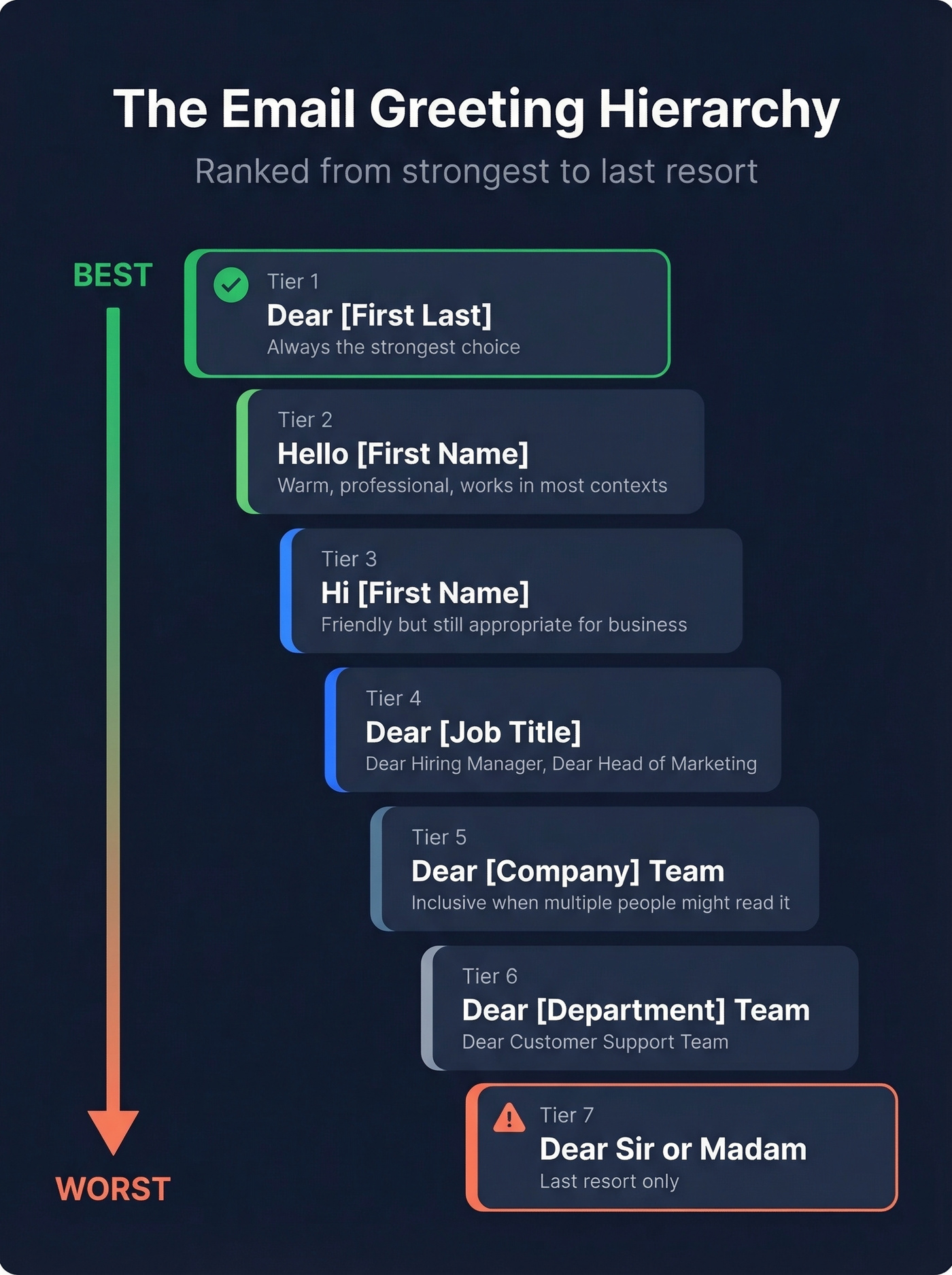
- Dear [First Last] - always the strongest choice
- Hello [First Name] - warm, professional, works in most contexts
- Hi [First Name] - friendly but still appropriate for business
- Dear [Job Title] - "Dear Hiring Manager," "Dear Head of Marketing"
- Dear [Company Name] Team - inclusive when multiple people might read it
- Dear [Department] Team - "Dear Customer Support Team"
- Dear Sir or Madam - last resort only
The best greeting is always the person's name. Everything else is a compromise - and in 2026, finding that name takes about a minute.
Why This Salutation Hurts You
Three reasons this greeting works against you.
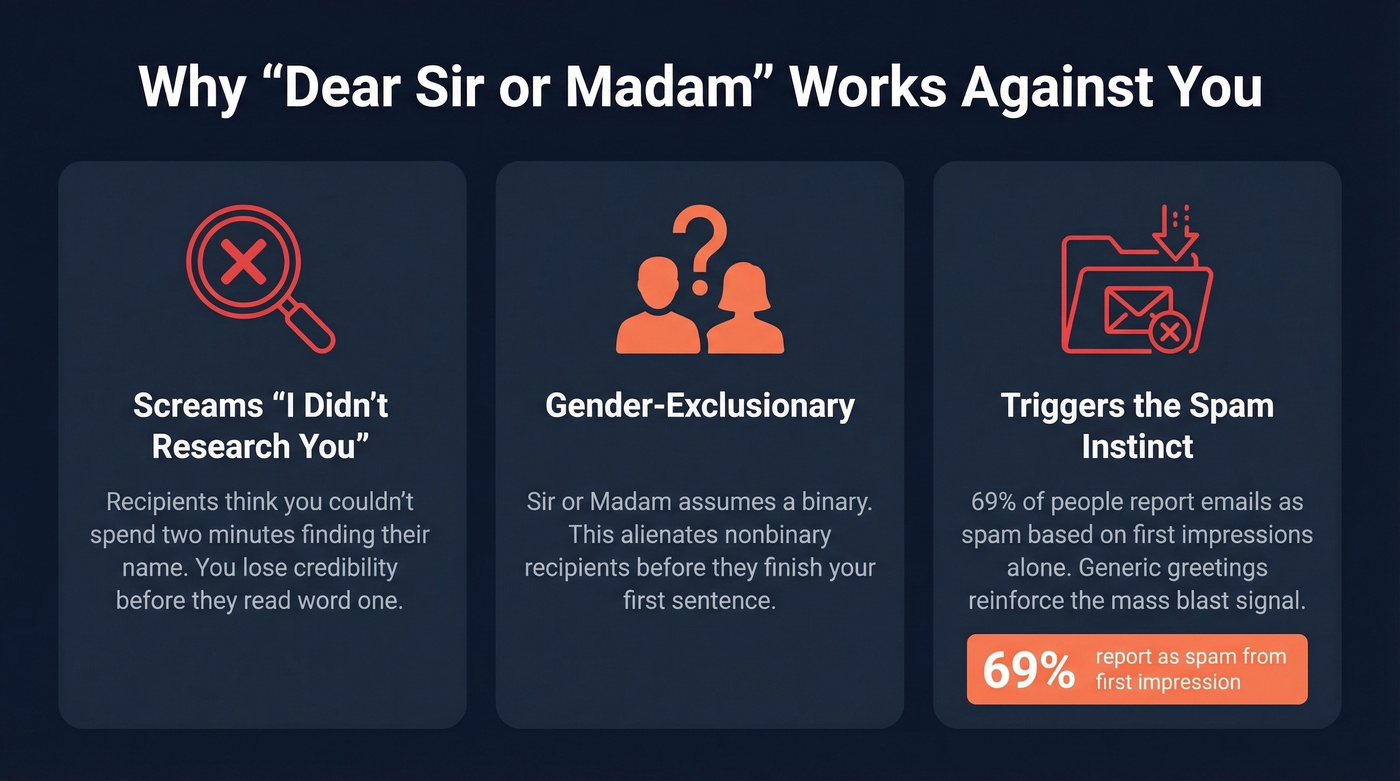
First, it screams "I didn't research you." Recipients read "Dear Sir or Madam" and think: this person couldn't spend two minutes finding my name. As one poster in a UK AskUK thread put it bluntly: "I hate stuff that comes to me as Dear Sir or Madam." That's the reaction you're fighting before they've read a single word of your actual message.
Second, it's gender-exclusionary. "Sir or Madam" assumes a binary, and that assumption alienates nonbinary recipients before they've finished your first sentence.
Third, generic greetings trigger the spam instinct. 69% of people report emails as spam based on the subject line alone - and a generic salutation reinforces that same "mass blast" signal in the body.

Better Alternatives, Ranked
| Greeting | Formality | Best For | Example |
|---|---|---|---|
| Dear [First Last] | High | Any professional email | Dear Sarah Chen |
| Hello [Name] | Medium-high | Business inquiries | Hello Marcus |
| Hi [Name] | Medium | Warm outreach, peers | Hi Priya |
| Dear [Job Title] | High | Unknown name, known role | Dear Hiring Manager |
| Dear [Company] Team | Medium-high | Multiple readers | Dear Stripe Team |
| Dear [Dept] Team | Medium | Department requests | Dear Support Team |
| To Whom It May Concern | High | Legal, formal complaints | - |
| Dear Sir or Madam | High | Absolute last resort | - |
"To Whom It May Concern" and "Dear Sir or Madam" aren't interchangeable, though people treat them that way. The latter addresses a person whose name you don't know. "To Whom It May Concern" addresses whoever handles a specific matter - it's better suited for formal complaints, reference letters, and legal correspondence. Neither is great for everyday email.
One suggestion from r/resumes that we've found useful: "Dear [Company Name]" as an all-inclusive alternative when you genuinely don't know whether HR, the hiring manager, or someone else will read your message. It reads as more personal than "To Whom It May Concern" without guessing at a name.

The best email greeting is always a name - and finding it shouldn't take more than a few seconds. Prospeo's email finder searches 300M+ professional profiles with 98% accuracy and real-time verification, so every email you send starts with the right name and lands in the right inbox.
Turn every "Dear Sir or Madam" into a name that gets replies.
Which Greeting for Which Situation
Job Applications
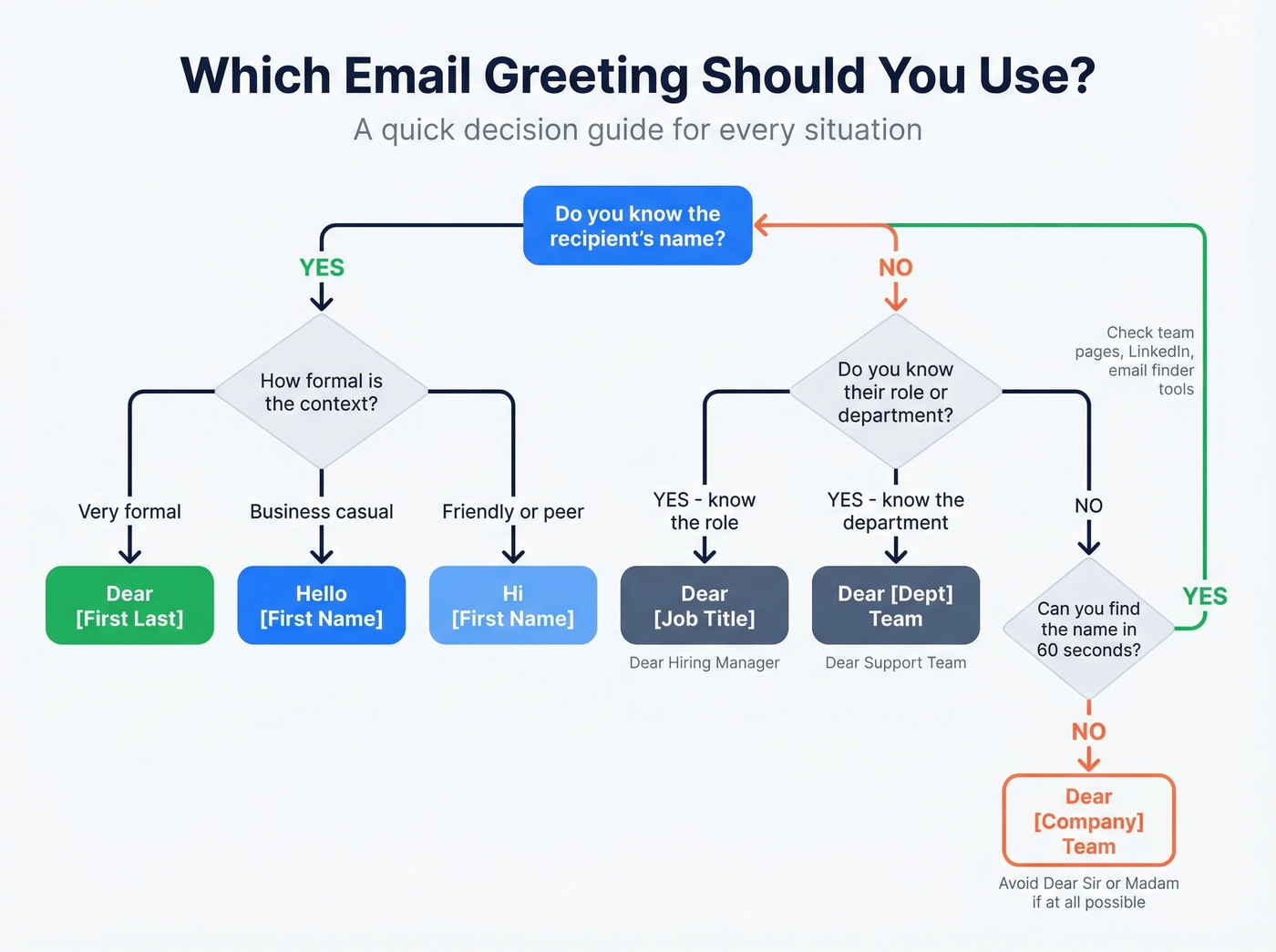
"Dear Hiring Manager" is the safe default when the posting doesn't name a contact. If you can find the recruiter's name through the job listing or company page, use it. Subject line personalization lifts open rates 22-36% - and that personalization effect starts with the greeting, not the subject line.
If you're also tightening the rest of your outreach, keep a swipe file of follow-up templates so your second touch is as strong as your first.
Sales and Cold Outreach
"Hello [First Name]" or "Hi [First Name]" - always. Generic greetings in cold email are a death sentence. We've seen cold emails with named greetings consistently outperform generic ones by double-digit percentages, typically 10-20% higher reply rates. If you don't know the name, you haven't done enough research to send the email.
Look, if your average deal size is under $5k, you probably can't afford not to personalize. The smaller the deal, the more volume you need, and the more each reply rate percentage point matters. A generic salutation at scale is just burning your domain reputation for nothing.
If you're building a repeatable outbound motion, these sales prospecting techniques pair well with named greetings.
Customer Complaints
"Dear [Department] Team" works well - "Dear Billing Team" or "Dear Customer Support Team." It's formal enough to signal seriousness without the stuffiness of a fully impersonal greeting.
If you're sending a lot of support or escalation emails, it also helps to understand email copywriting basics so your message stays clear under pressure.
Academic Emails
"Dear Professor [Last Name]" - no shortcuts. Academics care about titles. If you're unsure whether someone holds a doctorate, "Dear Dr. [Last Name]" is safer than "Hi [First Name]." Getting this wrong can tank your credibility with faculty before you've made your ask.
General Business Inquiries
"Dear [Company Name] Team" or "Hello" followed by the department. When you're emailing info@company.com about a partnership, "Dear Acme Partnerships Team" shows you've at least identified the right function.
If you're stuck on what to write after the greeting, borrow structure from these emails that get responses.
How to Find the Right Name in 60 Seconds
The greeting problem disappears the moment you find a name. And it's rarely as hard as people think.
Check the company's About or Team page. Most companies list leadership and department heads. Thirty seconds of scrolling often gets you a name. Infer the email format. If you find one employee's email listed anywhere - press releases, blog posts, conference bios - you now know the company's naming convention. Apply it to the person you need. Check job postings. Companies hiring for the role you're targeting often list the recruiter's name or email in the posting itself. Try trade association directories. Board pages, member directories, and industry association sites surface contacts that don't appear on the company's own website.
Those four steps handle most situations. But when you're doing this at scale - dozens or hundreds of contacts per week - manual research breaks down fast. That's where an email finder tool earns its keep. Prospeo's email finder pulls from 300M+ professional profiles with 98% email accuracy and real-time verification built in, so you're not just personalizing - you're ensuring the email actually arrives. For cold outreach where average response rates sit around 7-10%, verified data is the difference between landing in the inbox and landing in spam.
If you're doing name-to-address matching at scale, this name to email guide can help you systematize it.
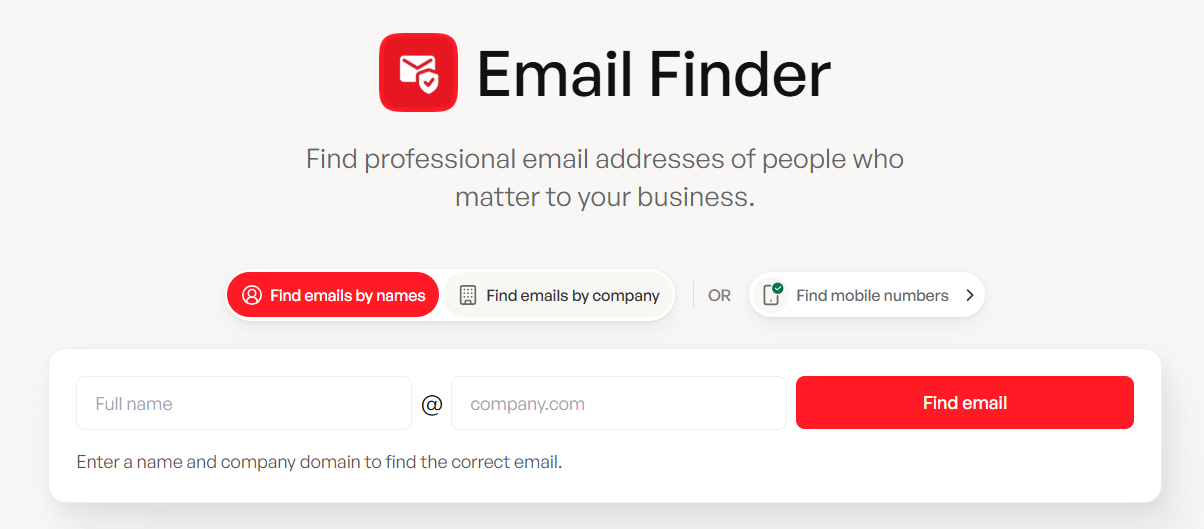
Generic greetings kill reply rates. Personalized ones lift them by double digits. But manual name research doesn't scale past a dozen emails a day. Prospeo gives you verified contact names, emails, and 50+ data points per prospect - at $0.01 per email, with a 98% accuracy guarantee.
Stop guessing salutations. Start sending emails that open with the right name.
UK vs US vs International Conventions
Email norms vary more than most people realize.
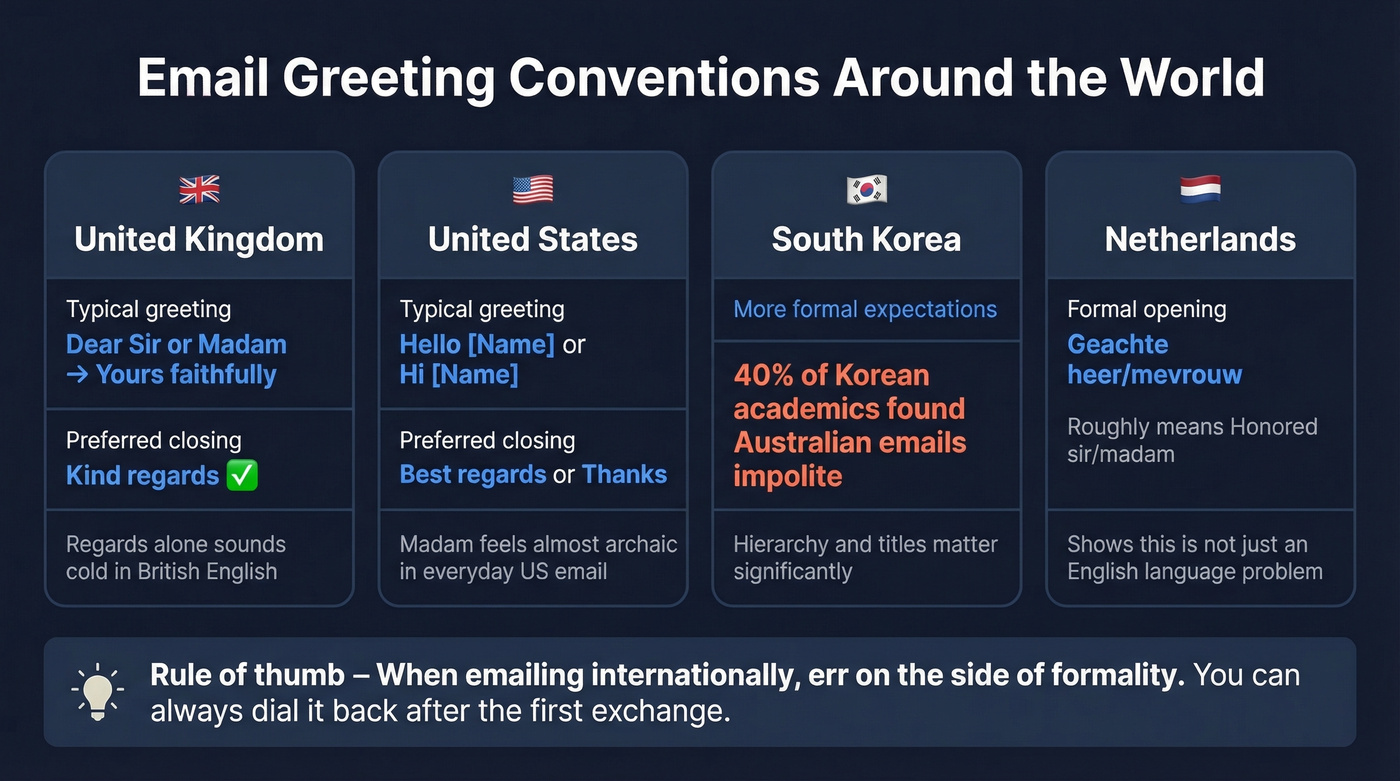
In the UK, "Dear Sir or Madam" is traditionally paired with "Yours faithfully" in formal letters. "Regards" alone sounds cold in British English - "Kind regards" is the safe default. US business email skews more casual. "Hello [Name]" or "Hi [Name]" dominates, and "Madam" feels almost archaic in everyday correspondence.
Cross-cultural gaps can trip you up in surprising ways. A study comparing Korean and Australian academics found 40% of Koreans perceived Australian emails as impolite, versus 28% the other way around - proof that "professional" means different things in different cultures. In Nigeria, religious sign-offs like "Stay blessed" are common in professional email and can confuse international recipients unfamiliar with the convention. In Dutch, you'll see formal openings like "Geachte heer/mevrouw" (roughly "Honored sir/madam"), which shows this isn't just an English-language problem.
When emailing internationally, err on the side of formality. You can always dial it back after the first exchange.
Punctuation and Closing Pairings
A few quick formatting notes that trip people up:
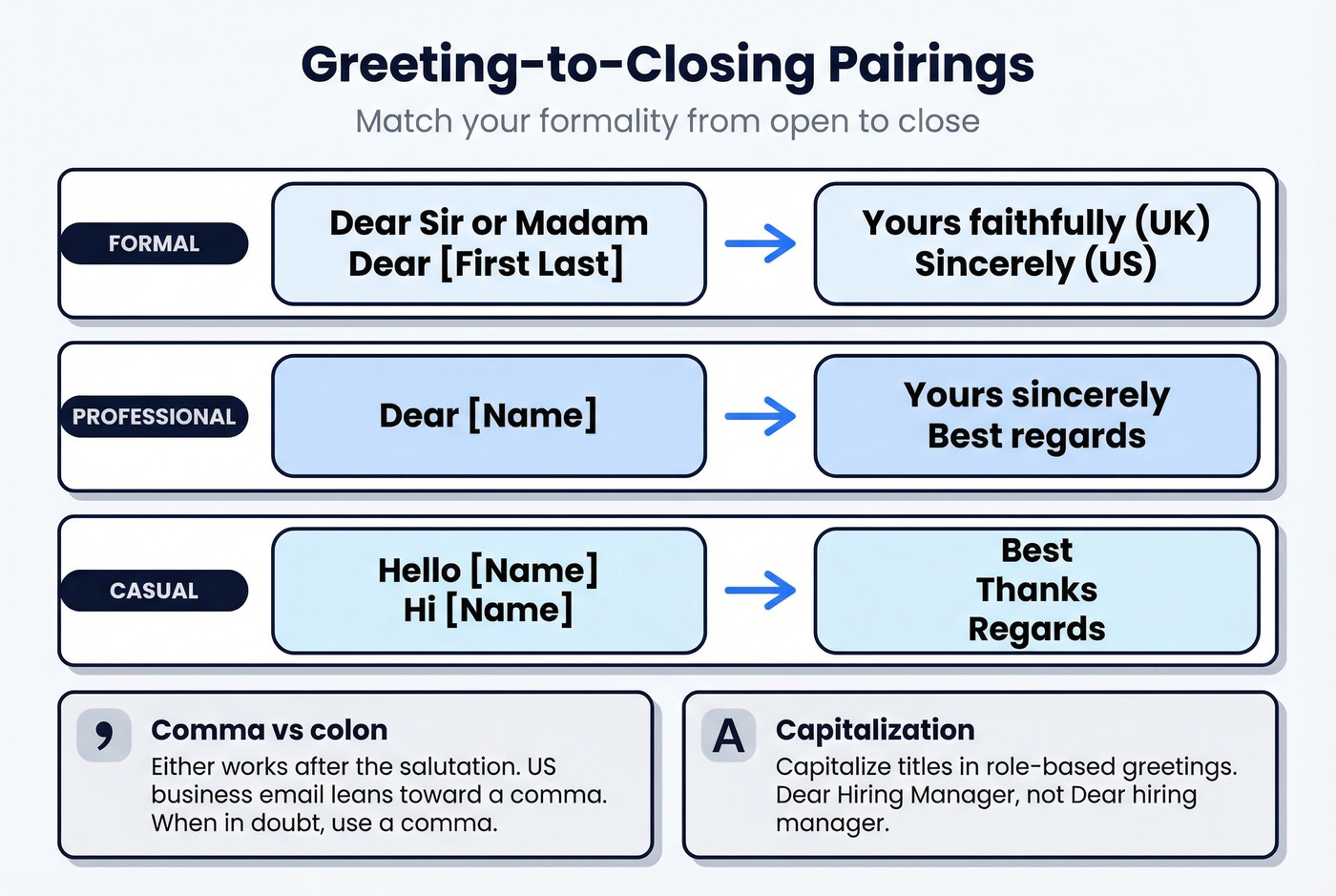
Comma vs colon. Either works after the salutation. US business email leans toward a comma; formal letters sometimes use a colon. When in doubt, comma.
Capitalization. Capitalize the title in role-based greetings - "Dear Hiring Manager," not "Dear hiring manager."
Greeting-to-closing pairings:
- Dear Sir or Madam → Yours faithfully (UK) / Sincerely (US)
- Dear [Name] → Yours sincerely / Best regards
- Hello/Hi [Name] → Best / Thanks / Regards
Let's be honest - most people overthink the closing. Match the formality of your opening and you'll be fine.
FAQ
Is "Dear Sir or Madam" rude?
Not rude, but impersonal. Recipients interpret it as "you didn't research who I am." In 2026, with names findable in seconds via company websites and email finder tools, it signals laziness more than politeness.
What's the best alternative for a cover letter?
"Dear Hiring Manager" is the strongest replacement when you can't find a specific name. It's role-specific, gender-neutral, and shows you've at least identified the function you're writing to.
What's the difference between "Dear Sir or Madam" and "To Whom It May Concern"?
"Dear Sir or Madam" addresses a specific person whose name you don't know. "To Whom It May Concern" addresses whoever handles a particular matter - it's better suited for formal complaints, reference letters, and legal correspondence. Neither is ideal for everyday business email.
Can I skip the greeting entirely?
For ongoing threads or internal messages, yes - nobody expects "Dear Sarah" on reply number twelve. For first-contact emails - job applications, sales outreach, vendor inquiries - always include a greeting. Skipping it reads as abrupt.
How do I find someone's email when the company doesn't list contacts?
Check team pages, infer the email format from other employees' listed addresses, or use an email finder to pull verified addresses. The free tier covers 75 lookups per month - enough to personalize every important email you send.