

Does Cold Calling Work in 2026? What 300M Calls Actually Show
A BDR on r/sales described his week: ~1,500 dials, 7 actual conversations. That's roughly 0.47% of dials turning into live pitches, selling cybersecurity to IT professionals who screen every unknown number. His conclusion? The phone is dead.
But his data tells a different story. He wasn't failing because the channel is broken - he was failing because his phone numbers were garbage. So does cold calling work, or is it a relic? Let's look at what 300 million calls actually reveal.
The Short Answer
Yes, cold calling works in 2026 - but only if your data is clean and your timing isn't random. Three levers separate SDRs who book 18 meetings a month from those who book 2: verified mobile numbers (not main lines), Tuesday-Wednesday mornings between 9am and noon, and call-then-email sequencing. Most reps fail because they're burning hours dialing switchboards and voicemail boxes, not because prospects hate the phone.
What 300 Million Calls Reveal
Gong analyzed 300M+ cold calls and the gap between average reps and top performers is staggering. It's not a slight edge. It's a completely different job.
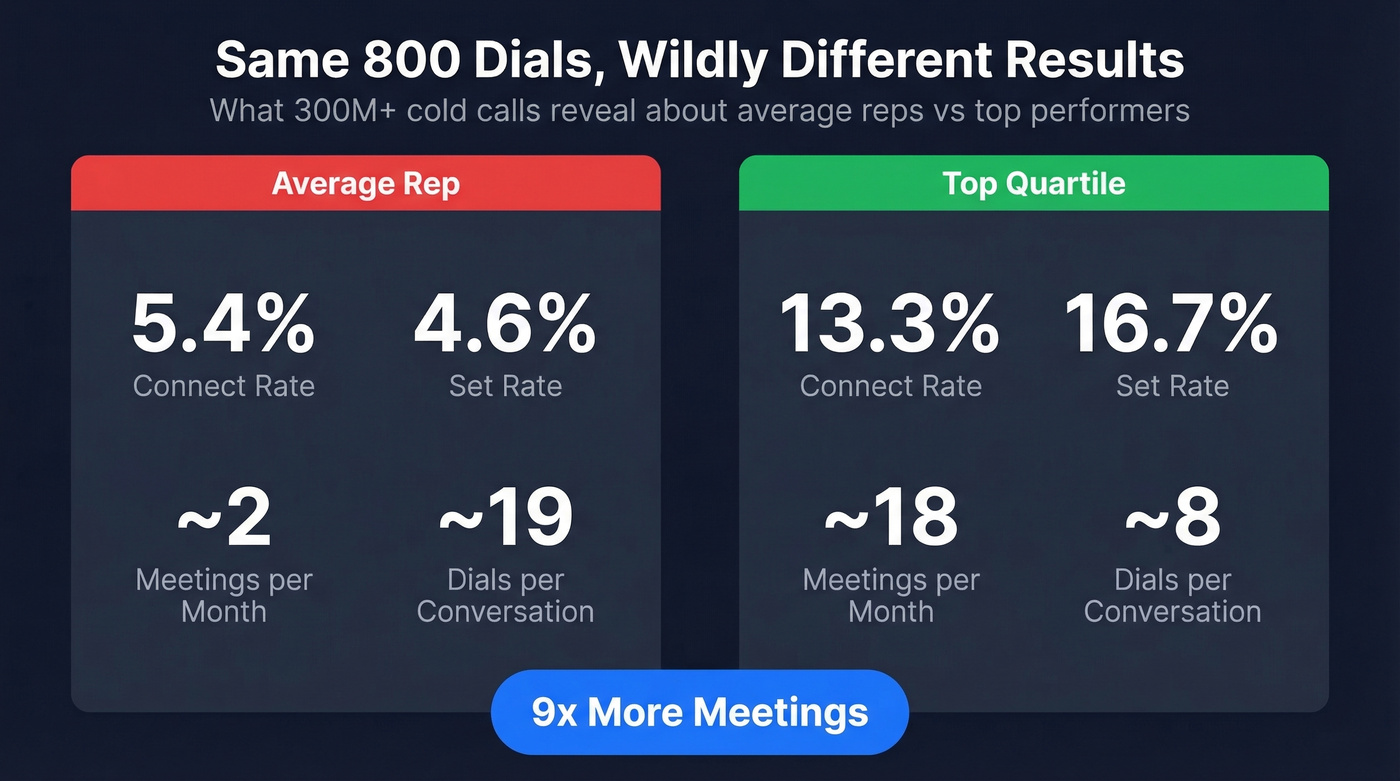
| Metric | Average Rep | Top Quartile |
|---|---|---|
| Connect rate | 5.4% | 13.3% |
| Set rate | 4.6% | 16.7% |
| Meetings/mo (800 dials) | ~2 | ~18 |
| Dials per conversation | ~19 | ~8 |
The funnel math is brutal. An average SDR making 800 dials per month connects on about 43 calls, then books roughly 2 meetings from those conversations. A top-quartile rep, same 800 dials, connects on 106 calls and books 18 meetings. Same effort, 9x the output.
Cognism's latest data puts the average cold-calling success rate at 2.3%, down from 4.82% the prior year. That sounds grim - until you check buyer preference. 49% of buyers prefer to be contacted through a cold call. Among C-level executives and VPs, that number jumps to 57%. And RAIN Group found that 82% of buyers will accept a meeting with a seller who proactively reaches out.
The channel isn't dying. The execution is getting lazier.
Organizations that abandoned cold calling experienced 42% less growth than those that kept it. Meanwhile, 80% of cold calls go to voicemail. That single stat explains most of the "is cold calling dead" narrative. If four out of five dials hit a recording, of course your connect rate is terrible. The real question is whether that's an inherent problem with outbound calling - or a data problem you can fix.
Here's the thing: in a world obsessed with AI-generated email sequences, cold calling is the last truly human sales skill. AI can write your emails. It can't build rapport in the first 30 seconds of a live conversation. That's exactly why executives still pick up the phone - and why the reps who master it will own the next decade.
Why Most Reps Fail at It
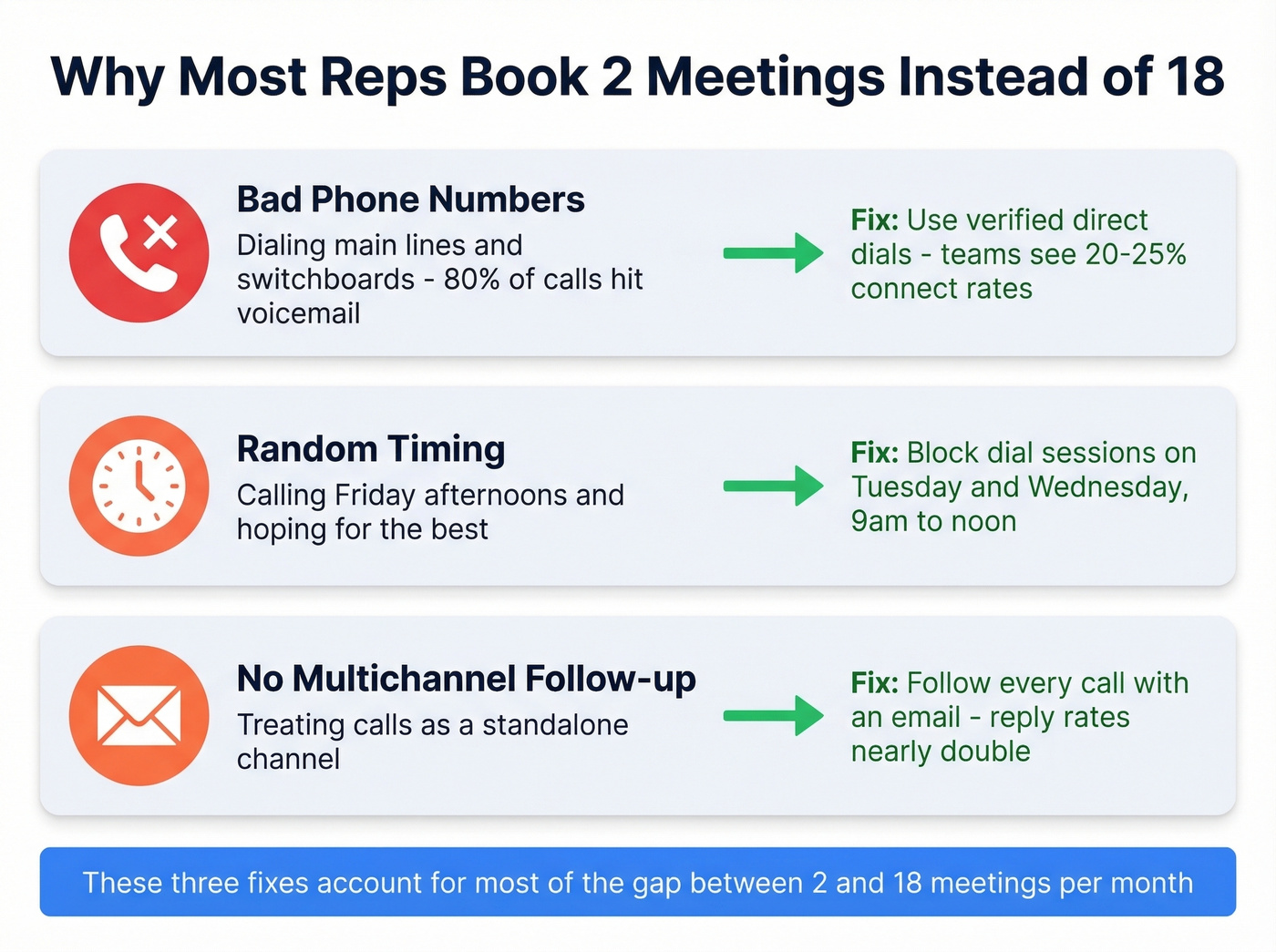
People who claim cold calling doesn't work are usually diagnosing the wrong problem. Three fixable mistakes account for most of the gap between 2 meetings a month and 18.
Bad phone numbers
This is the big one. Reps dialing main company lines or unverified numbers are fighting gatekeepers and auto-attendants before they even get a chance to pitch. If your connect rate is below 5%, your list quality is the first thing to fix.
When Meritt switched to Prospeo's verified direct dials, their connect rate tripled to 20-25% - compared to a 5.4% average in Gong's dataset. That kind of jump doesn't come from better scripts or more confidence. It comes from dialing numbers that actually ring on someone's desk.
If you're rebuilding your outbound list from scratch, start with data enrichment so you’re not dialing stale records.
Random timing
Calling at 2pm on a Friday is a waste of everyone's time. Tuesday and Wednesday mornings between 9am and noon have the highest connect rates, and calling during optimal windows lifts connect rates 40-70% compared to random dialing. We've seen teams that block-schedule their dial sessions around these windows get results within the first week - no script changes, no coaching, just better timing.
If you want a repeatable workflow, build a simple cold calling system around fixed call blocks and list hygiene.
No multichannel follow-up
Cold calling nearly doubles email reply rate - 3.44% versus 1.81% - even when the call itself goes to voicemail. That stat deserves more attention than it gets. A voicemail followed by an email is worth more than either alone. Reps who treat calling as a standalone channel instead of a sequence trigger are working harder for worse results.
To tighten the sequence, keep a set of sales follow-up templates ready for “voicemail + email” moments, and track your follow-up email reply rate by persona.

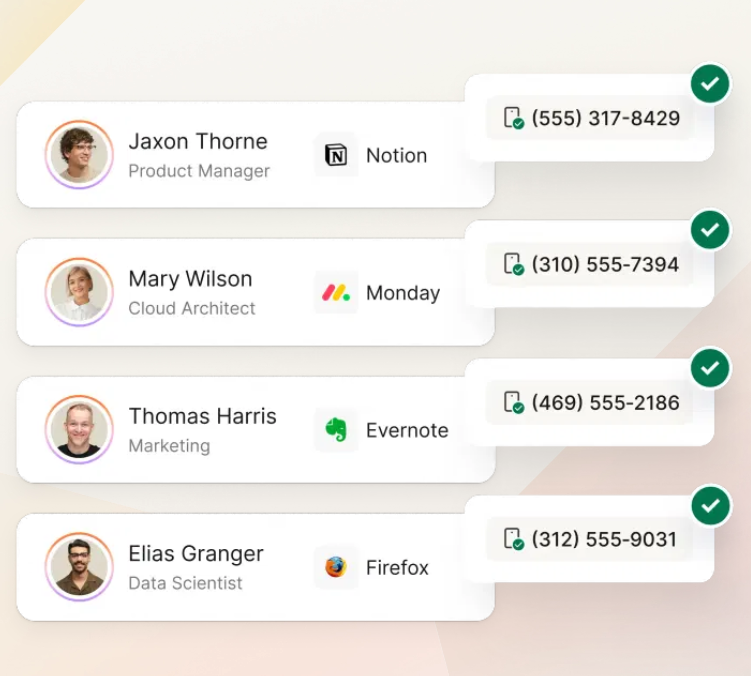
Meritt tripled their connect rate to 20-25% by switching to Prospeo's verified direct dials. With 125M+ verified mobile numbers and a 30% pickup rate, you stop burning dials on switchboards and start reaching the actual human. At $0.01 per lead, fixing your list costs less than one wasted hour of dialing.
Same 800 dials, 9x the meetings. The only difference is the numbers you're dialing.
Cold Calling vs Email and Social
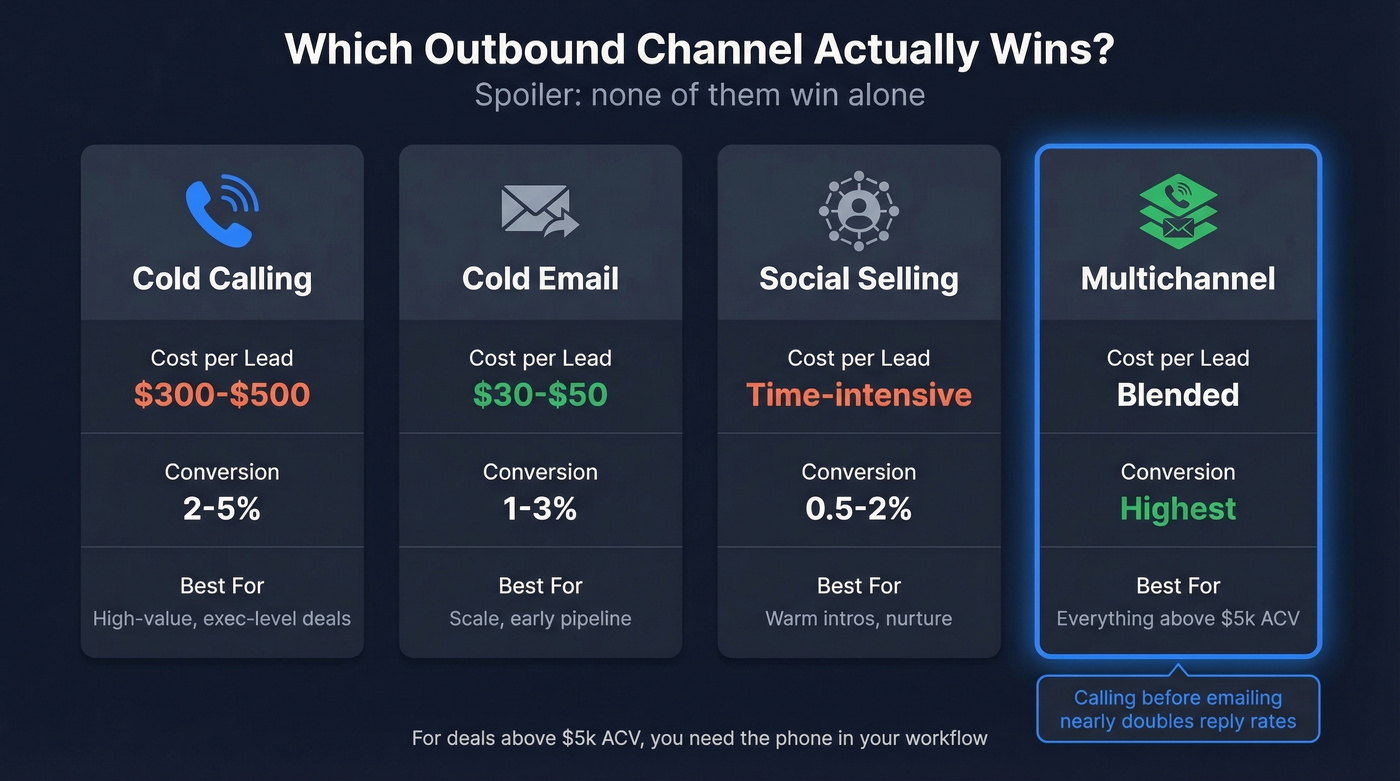
No single channel wins in isolation.
| Channel | Cost/Lead | Conversion | Best For |
|---|---|---|---|
| Cold calling | $300-$500 | 2-5% | High-value, exec-level |
| Cold email | $30-$50 | 1-3% | Scale, early pipeline |
| Social selling | Time-intensive | 0.5-2% | Warm intros, nurture |
| Multichannel | Blended | Highest | Everything above $5k ACV |
The multichannel row is the only one that matters. Gong's analysis shows calling before emailing nearly doubles reply rates. The teams we've seen consistently hit quota aren't choosing between channels - they're sequencing all three. If your average deal size is above $5k, you need the phone in your workflow. Period.
If you’re leaning on email for scale, pair calling with a structured B2B cold email sequence and solid sequence management.
For teams outsourcing, qualified meeting costs through cold calling typically run $75-$300 per appointment - expensive in isolation, but competitive when you factor in the deal sizes it unlocks.
Compliance in 60 Seconds
Cold calling legally in 2026 means knowing a few non-negotiable rules:
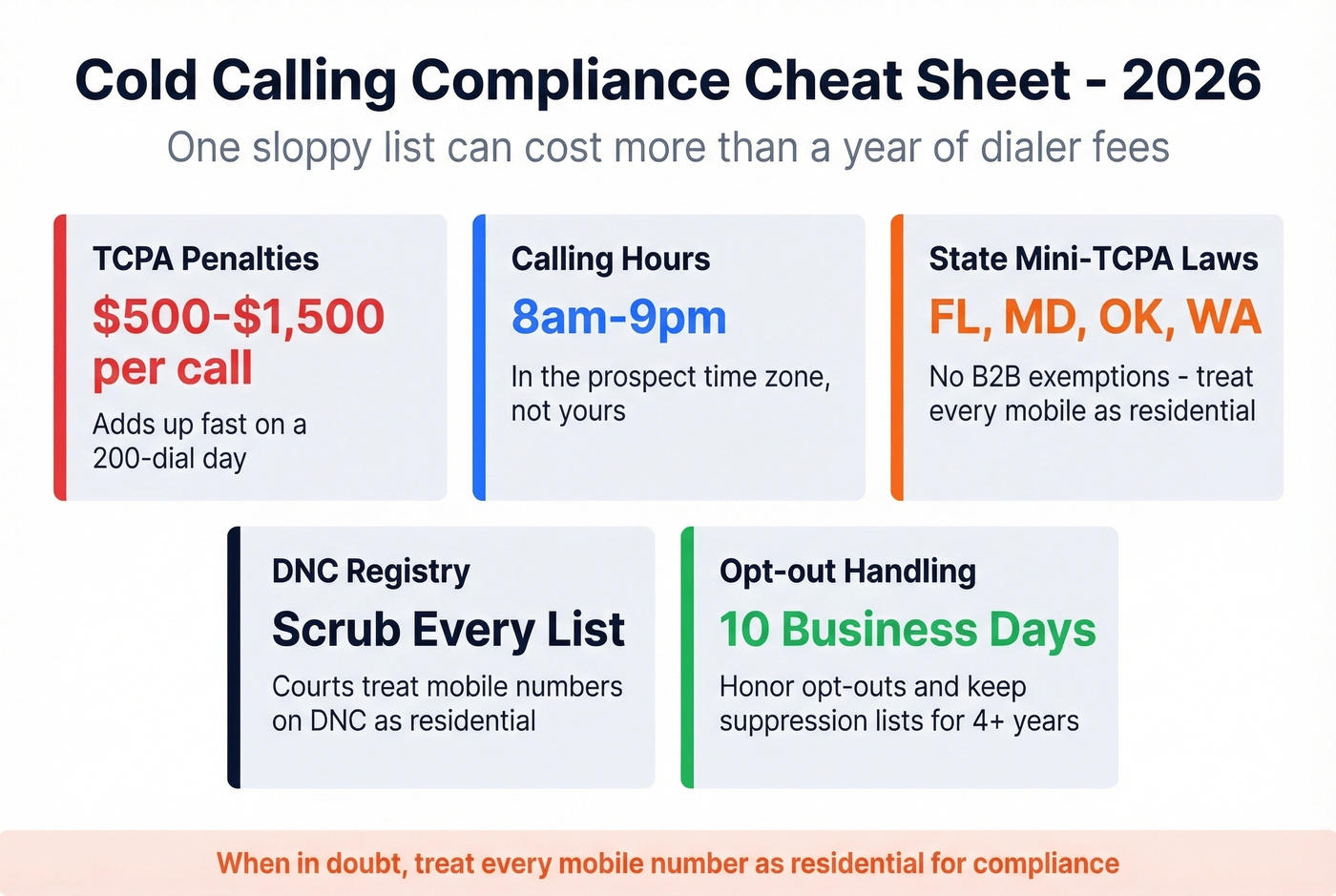
- TCPA penalties run $500-$1,500 per call for violations. That adds up fast on a 200-dial day.
- Calling hours are 8am-9pm in the prospect's local time zone. Not yours - theirs.
- State mini-TCPA laws in Florida, Maryland, Oklahoma, and Washington offer no B2B exemptions. Treat every mobile number as residential for compliance purposes.
- Scrub lists against the National DNC registry. Courts treat mobile numbers on the DNC as residential regardless of business use.
- Honor opt-outs within 10 business days and maintain suppression lists for at least 4 years.
One sloppy list can cost more than a year of dialer fees.
What to Do Next
Pull your last 500 dials and check how many were verified mobile numbers. That single number tells you everything about why your connect rate looks the way it does.
If fewer than half were direct dials, your problem isn't the phone - it's the list. Fix the data, block your dials into Tuesday-Wednesday mornings, and follow every call with an email. The 300M-call dataset proves the math works: same 800 dials, 9x the meetings. The only variable is whether you're dialing numbers that ring on someone's desk or disappear into a switchboard.
If you need a broader playbook beyond calling, pull ideas from these sales prospecting techniques and standardize them in your 30-60-90 day plan.
So does cold calling work? The data is unambiguous - it works when the inputs are right.
80% of cold calls go to voicemail because reps are dialing the wrong numbers. Prospeo's 125M+ verified mobiles are refreshed every 7 days - not the 6-week industry average - so you're calling numbers that actually ring on someone's desk. That's how teams hit 13%+ connect rates instead of the 5.4% average.
Stop blaming the channel. Fix the data and watch your pipeline triple.
FAQ
What's a good cold calling conversion rate?
Top-quartile reps convert at 13-17% from connect to meeting, while average reps sit around 2-5%. If you're below 5%, focus on data quality and timing before rewriting your script. The 300M-call dataset shows the gap is mostly upstream - who you're dialing and when, not what you're saying.
Is cold calling still effective in 2026?
Yes. Buyers - especially C-level executives - still prefer the phone over email and social outreach, and organizations that kept cold calling grew 42% more than those that dropped it. Effectiveness depends almost entirely on list quality and timing, not the channel itself.
Is cold calling better than cold email?
Neither wins alone. Cold calling converts at 2-5% but costs $300-500 per lead; cold email converts at 1-3% at a fraction of the cost. The real winner is multichannel: calling before emailing nearly doubles reply rates. Use both in a coordinated sequence for the best results.
How do you get better phone numbers for cold calling?
Use a B2B data platform with verified mobile numbers instead of main company lines. Direct dials bypass gatekeepers entirely and are the single biggest lever for improving results. Look for providers that refresh data weekly - stale numbers are the fastest way to tank your connect rate.