

How to Write a Follow Up Email After a First Meeting That Gets Replies
You nailed the meeting. Good energy, real conversation, maybe even a handshake on next steps. Then three days pass, no one emails, and the momentum dies.
A strong follow up email after a first meeting closes that gap - and most people either skip it entirely or send something so generic it gets archived on sight.
What You Need (Quick Version)
- Send within 24 hours, reference something specific from the conversation, and propose a concrete next step.
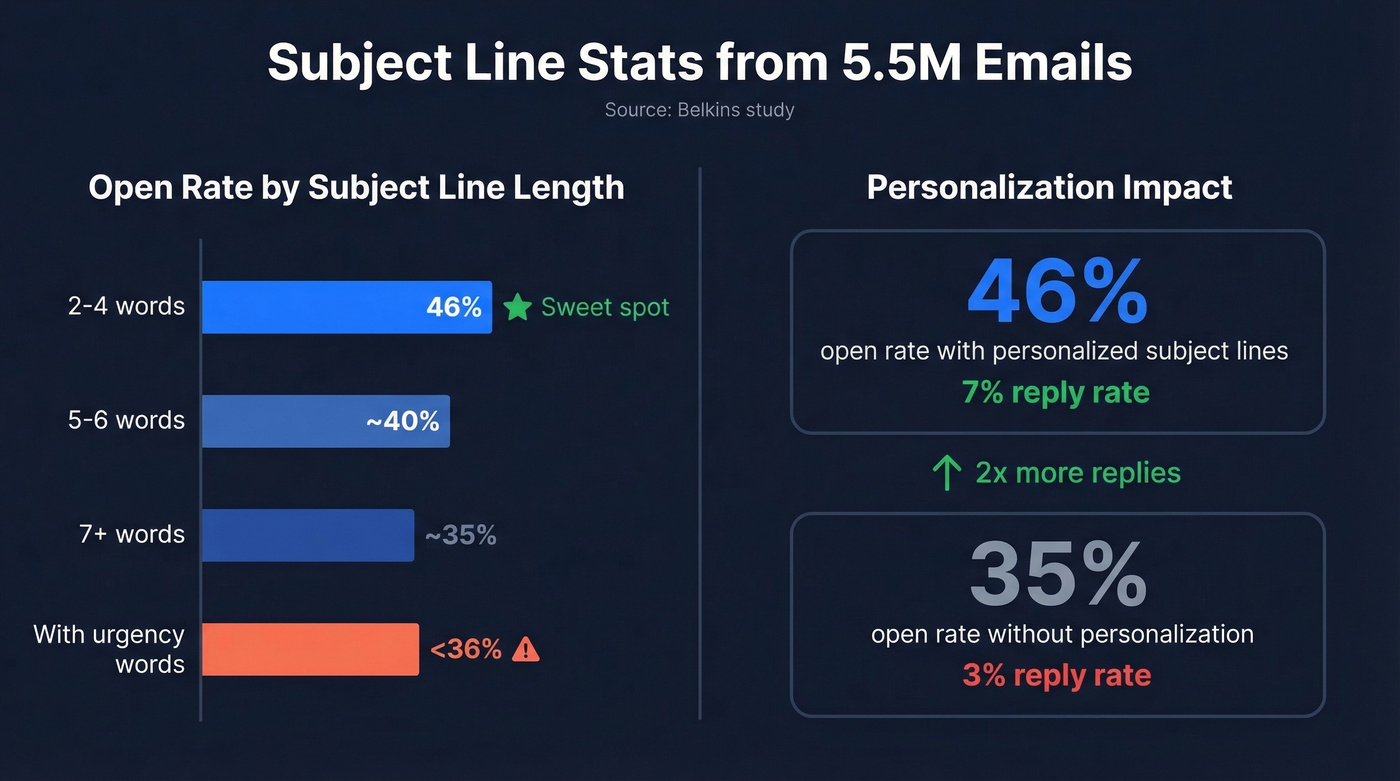
- Keep the subject line to 2-4 words - that length averages a 46% open rate - and personalize it (personalized subject lines average 46% opens vs. 35% without). If you want more options, pull from proven email subject lines.
- Every follow-up must add something new: a resource, a question, a scheduling proposal. "Just checking in" gets deleted. (Here are better ways to say it: Just checking in.)
Why the Follow-Up Matters More Than the Meeting
Here's the thing: 48% of salespeople never follow up. That's half your competition doing nothing. A post-meeting email isn't just polite - it's a written record that locks in what was discussed, who's doing what, and when you're meeting again. Without it, you're trusting memory. Memory is unreliable.
The meeting itself is overrated. We've seen mediocre meetings rescued by a sharp, timely follow-up, and brilliant meetings die because nobody bothered to send one. The email is the real deliverable. If you want more examples beyond this post, use these sales follow-up templates.
Anatomy of a Great Post-Meeting Email
Every strong follow-up hits the same five-part structure. Deviate from it and you'll either ramble or forget something critical.
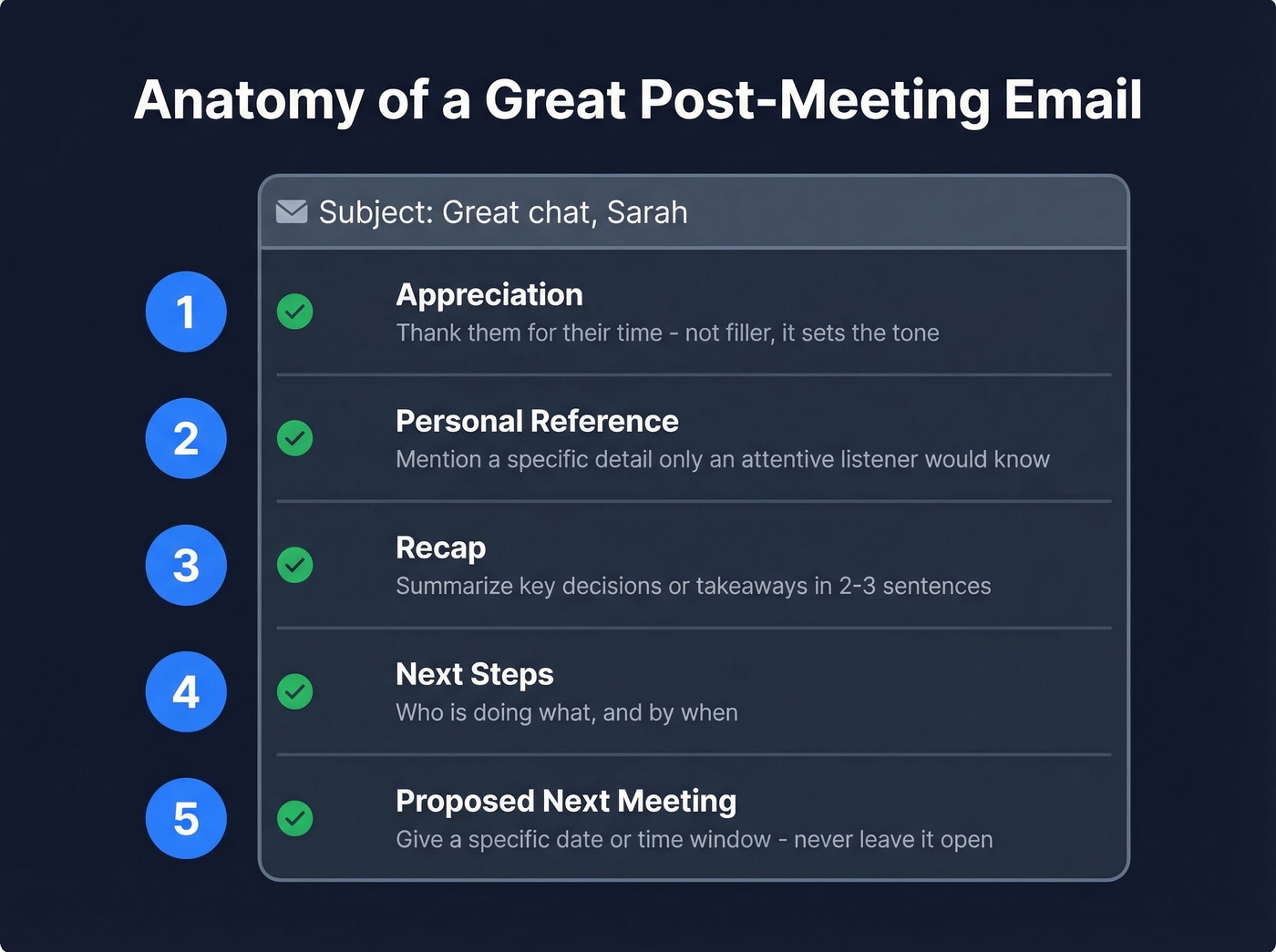
- Appreciation - Thank them for their time. This isn't filler. Employees who feel appreciated are 47% more likely to say their leaders care about building a human workplace, and the same psychology applies to external contacts.
- Personal reference - Mention something specific from the conversation. A detail only someone who was actually paying attention would know. (More on doing this well: personalized outreach.)
- Recap - Summarize the key decisions or takeaways in 2-3 sentences.
- Next steps - Who's doing what, and by when.
- Proposed next meeting - Give a specific date or time window. Don't leave it open-ended.
Hit all five and you're already doing what most people don't: making the meeting actionable. One more thing - draft the skeleton of your follow-up before the meeting. You'll fill in specifics faster and send sooner.
5 Templates You Can Copy Now
Sales Prospect Meeting
Subject line: Great chat, [Name]
Hi [Name],
Thanks for making time today - really enjoyed hearing how your team handles [specific challenge discussed]. The [stat/detail they mentioned] stuck with me.
Quick recap: we talked about [solution area] and how it could help with [their goal]. I'll send over [resource/case study] by end of day.
Does [specific day] at [time] work for a 30-minute follow-up?
Best, [Your name]
Pro tip: Frame the ask around logistics, not interest. "I'm trying to finalize my schedule for next week - does Thursday work?" outperforms the vague "let me know if you'd like to continue the conversation." The consensus on r/sales backs this up, and in our experience it works because it removes the emotional weight of saying yes. If you're building a repeatable process, consider sequence management.
Networking or Event Contact
Subject line: [Event name] follow-up
Hi [Name],
Great meeting you at [event] - your point about [specific topic] was spot on. I'd love to continue that conversation.
Here's [article/resource] I mentioned. Would a 15-minute call next week make sense?
Cheers, [Your name]
Internal Stakeholder Meeting
Skip the prose for internal follow-ups. Your colleagues don't need warmth - they need clarity. A bullet-list recap sent within an hour keeps everyone aligned and creates an artifact you can reference later.
Subject line: Recap from today
- [Decision 1] - [Owner] by [date]
- [Decision 2] - [Owner] by [date]
- Open item: [question to resolve]
- Next sync: [date/time]
Reply if I missed anything.
Client or Customer Meeting
Clients want to feel like the meeting produced forward motion. This template is deliberately short - it proves you respect their time and that you're already executing.
Subject line: Next steps from our call
Hi [Name],
Appreciate the time today. We discussed [topic], and the plan is to [action item] by [date]. I'll have [deliverable] ready for your review by [timeline].
Any questions before then, just reply here.
Talk soon, [Your name]
Informational Interview
Subject line: Thank you, [Name]
Hi [Name],
Really grateful for the conversation today. Your advice on [specific insight] gave me a lot to think about - especially [detail].
I'll follow up on [action you committed to]. If there's anyone else you'd recommend I speak with, I'd welcome the introduction.
Thanks again, [Your name]

You wrote the perfect follow-up - but it bounced. 48% of salespeople never follow up, and the ones who do often send to outdated emails. Prospeo's 98% verified email accuracy and 7-day data refresh means your post-meeting follow-up actually lands in the inbox.
Don't let a bad email address waste a great meeting.
Subject Lines That Get Opened
A Belkins study of 5.5M emails found the sweet spot is 2-4 words. That length hits a 46% open rate. Go past seven words and you drop into the mid-30s. Personalized subject lines pulled a 7% reply rate versus 3% without - more than double. For more data-backed angles, see subject lines that get opened.
Question-form subject lines also performed at the top of the pack with a 46% open rate. Think "Quick question, [Name]" or "Thoughts on Thursday?"
Avoid putting the word "follow-up" in your subject line. It adds zero value and signals a generic email. Same goes for urgency words like "ASAP" - they drag open rates below 36%.
The best subject lines work because they trigger psychological hooks: unfinished business ("Two ideas I didn't get to share"), credibility ("The playbook I promised"), or empathy ("Thanks for the honesty on churn"). Each one gives the recipient a reason to click beyond obligation.
Mistakes That Kill Your Follow-Up
1. Bumping with no new information. "Just making sure you saw this" is the dead handshake of email. Every touchpoint needs to add something new - a resource, a data point, a question. If you've got nothing new to say, wait until you do. (If you're tracking performance, start with follow-up email reply rate.)
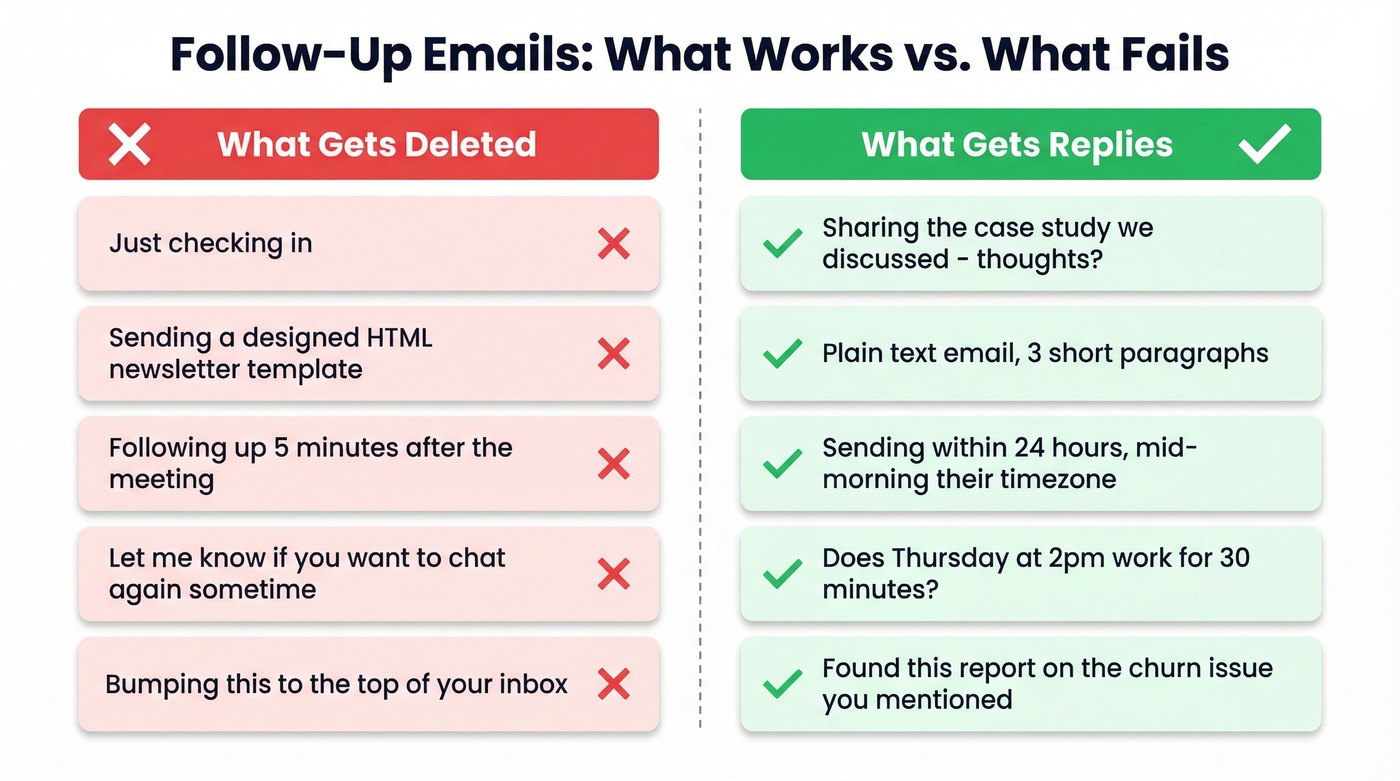
2. "Just checking in." This phrase communicates that you have no agenda and nothing to offer. Replace it with a specific reason for reaching out.
3. Overly formatted HTML emails. Plain text or near-plain text tends to outperform designed templates for follow-ups. If your email looks like a marketing newsletter, it gets treated like one - skimmed and archived.
4. Wrong timing. Sending within the first hour can feel aggressive. Waiting a week feels like you forgot. The 24-hour window works for a reason - it's fresh but not pushy. Aim for mid-morning or early afternoon in the recipient's timezone. For timing benchmarks, see when should I follow up on an email.
5. No clear next step. If the recipient has to figure out what you want them to do, they won't do anything. End every follow-up with a specific ask.
When They Don't Reply
Don't panic after one silence. But don't spam either.
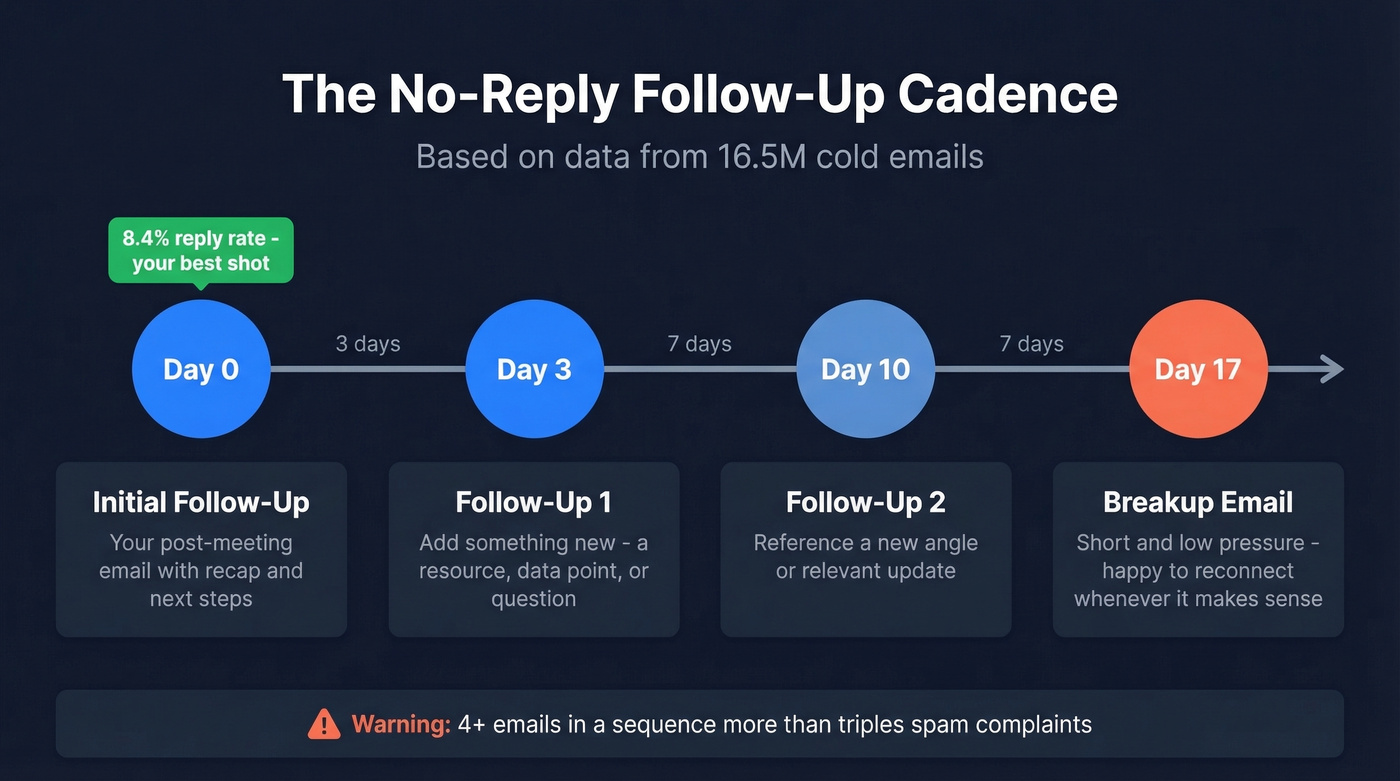
A study of 16.5M cold emails found that the best reply rate - 8.4% - comes from the initial email. Each additional follow-up drops performance, and sending 4+ emails in a sequence more than triples spam complaints.
If you're following up on unanswered outreach, a simple cadence works: send follow-up #1 about three days after your initial email, then #2 seven days later, then a final breakup email seven days after that. The breakup email should be short and low-pressure - something like "Looks like the timing isn't right. Happy to reconnect whenever it makes sense." Two to three quality follow-ups is the ceiling for most situations. Beyond that, you're burning goodwill. If this is part of outbound, build it into a B2B cold email sequence.
Find the Right Email Before You Hit Send
Your follow-up is dead on arrival without a real inbox to land in. We've seen follow-ups that were perfect in every way - tight recap, clear next step, great subject line - except they landed in a generic info@ address. Wasted effort.
Prospeo's email finder solves this in seconds. Search by name and company, and you get a verified email address pulled from 300M+ professional profiles at 98% accuracy. The free tier covers 75 emails per month - more than enough for post-meeting follow-ups. No contracts, no sales calls. If you’re comparing options, start with these email search tools.
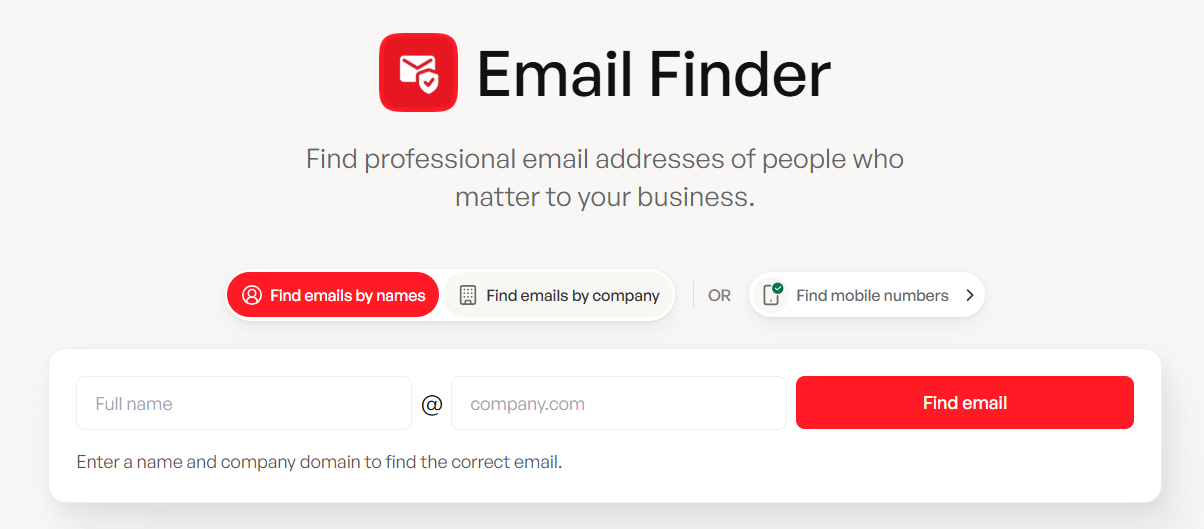
Great follow-ups need the right contact data behind them. Prospeo gives you 50+ data points per contact - direct emails, mobile numbers, job titles - so you can personalize every follow-up with the specific details that get replies. At $0.01 per email, one closed deal pays for a lifetime of lookups.
Turn every first meeting into a booked second one.
Common Questions
How long should a follow-up email be after a first meeting?
Aim for 150-250 words in the body. That's enough to recap key points and propose a next step without turning your email into meeting minutes. If you're writing more than a couple short paragraphs plus a clear ask, cut it down.
Should I follow up if the meeting went badly?
Yes. A brief, professional recap still creates a written record and leaves the door open. Keep it to three sentences: thank them, summarize what was discussed, and offer to reconnect if priorities change.
Is it better to reply to the calendar thread or start a new email?
Start a new email with a clean, personalized subject line. Replying to a calendar thread buries your message in scheduling noise and kills your subject line control - your single biggest lever for getting opened.
What if I don't have the person's email address?
Use an email finder like Prospeo - search by name and company to get a verified address in seconds. The free tier handles 75 lookups per month, which covers most post-meeting needs without any commitment.