

The 7 Elements of Go-to-Market Strategy - With the Numbers Nobody Gives You
You've read the GTM frameworks. You've seen the slide templates. And yet, when it's time to actually launch, everything feels like guesswork. The problem isn't that teams don't know the seven elements of a go-to-market strategy - it's that nobody attaches real benchmarks to them.
We've helped build GTM motions from pre-revenue to eight figures. The frameworks are all the same. What separates teams that launch well from teams that flounder is whether they have numbers to aim at. That's what this piece delivers: each element backed by real data you can act on.
GTM Is a System, Not a Slide Deck
You've probably heard that "80% of new products fail." The actual failure rate, per PDMA/Crawford research summarized in a widely cited breakdown of the PDMA 2004 Best Practices Study, lands between 30-49% depending on industry. Best-in-class business units? 24%. The rest? 46%. That gap isn't luck.
A well-received post on r/SaaS nailed it: GTM fails when it's a static deck. It works when it produces actions - materials, campaigns, sales motions, and measurable outcomes. Every element below should generate something your team actually uses.
All 7 Elements at a Glance
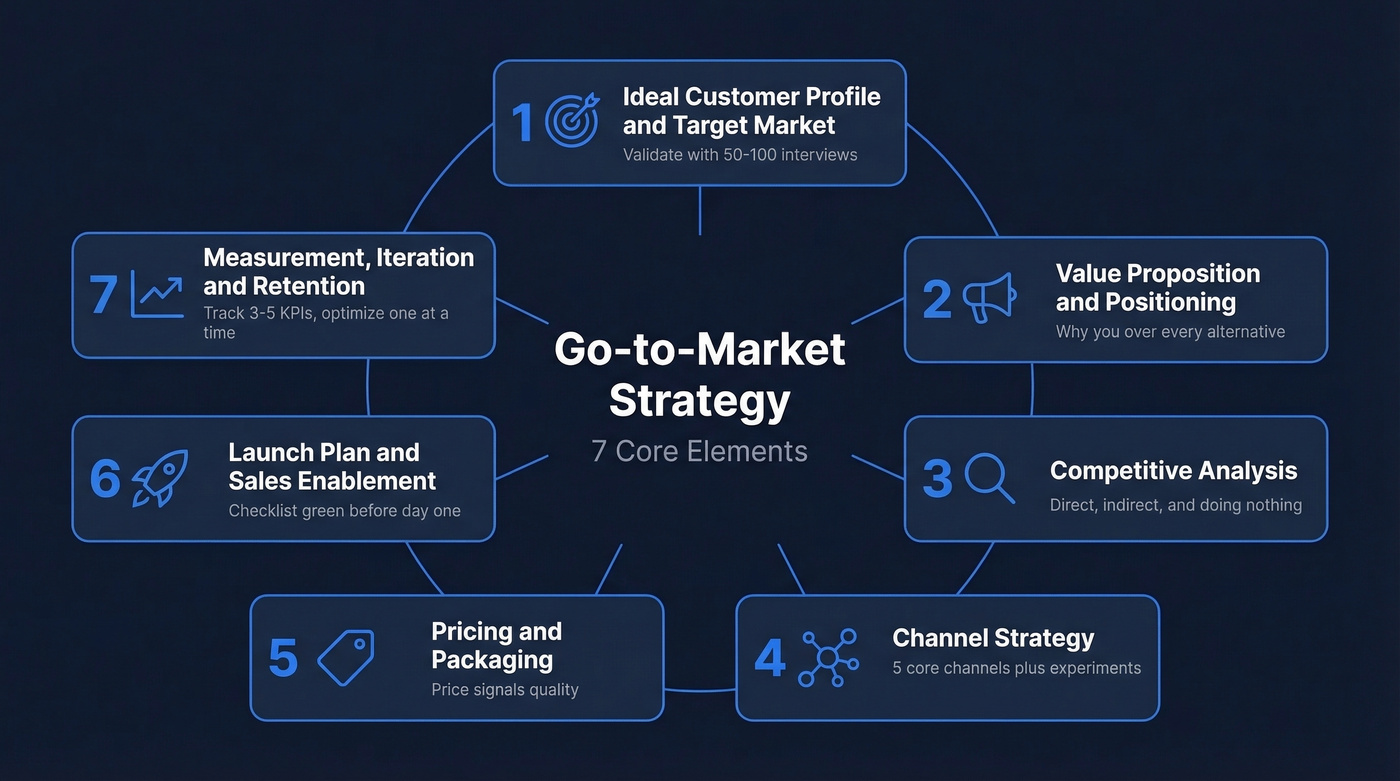
- Ideal Customer Profile & Target Market - Who you're selling to, validated by real conversations
- Value Proposition & Positioning - Why they should pick you over every alternative
- Competitive Analysis - Who and what you're really competing against
- Channel Strategy - How prospects discover and evaluate you
- Pricing & Packaging - Price as a value signal, not just a revenue lever
- Launch Plan & Sales Enablement - What's ready before day one
- Measurement, Iteration & Retention - What you track and how fast you learn
Deep Dive Into Each GTM Element
1. Ideal Customer Profile & Target Market
Your ICP isn't a persona doc with a stock photo. It's a hypothesis you validate with real conversations. The heuristic that works: interview 50-100 potential users, then work with 5-10 beta customers until they're genuinely happy. Collect case studies. Then launch.
If you can't get 10 people to care, you don't have a GTM problem - you have a product problem.
Once your ICP is locked, you need verified contact data to reach them. Prospeo's 300M+ professional profiles with 30+ filters - buyer intent, technographics, job change, headcount growth, funding, revenue - let you build a list that matches your ICP exactly, with 98% email accuracy so outreach actually lands.
2. Value Proposition & Positioning
Positioning is internal - the place you want to occupy in the buyer's mind relative to alternatives. Messaging is the external expression of that position. They aren't the same thing, and conflating them is one of the most common GTM mistakes.
Your strategy needs to answer four questions: What exact problem do you solve? Who needs it, and how big is that market? Why are you better than every alternative? How will prospects learn you exist? If your positioning can't answer all four in plain language, your messaging won't either.
3. Competitive Analysis
Your competitor isn't just the other SaaS tool in your category. It's the spreadsheet, the intern, the agency workaround, and - most commonly - doing nothing at all.
Map direct competitors alongside indirect ones, then be honest about where you win and where you don't. Skip this step if you're confident you already know the landscape. But in our experience, the teams most confident they understand their competition are the ones most blindsided at launch.
If you want a tighter process here, build a lightweight competitive intelligence cadence before you ship.
4. Channel Strategy
The average software company runs 10.5 simultaneous GTM efforts - 5 core channels plus 5.5 experimental initiatives. Most teams spread too thin.
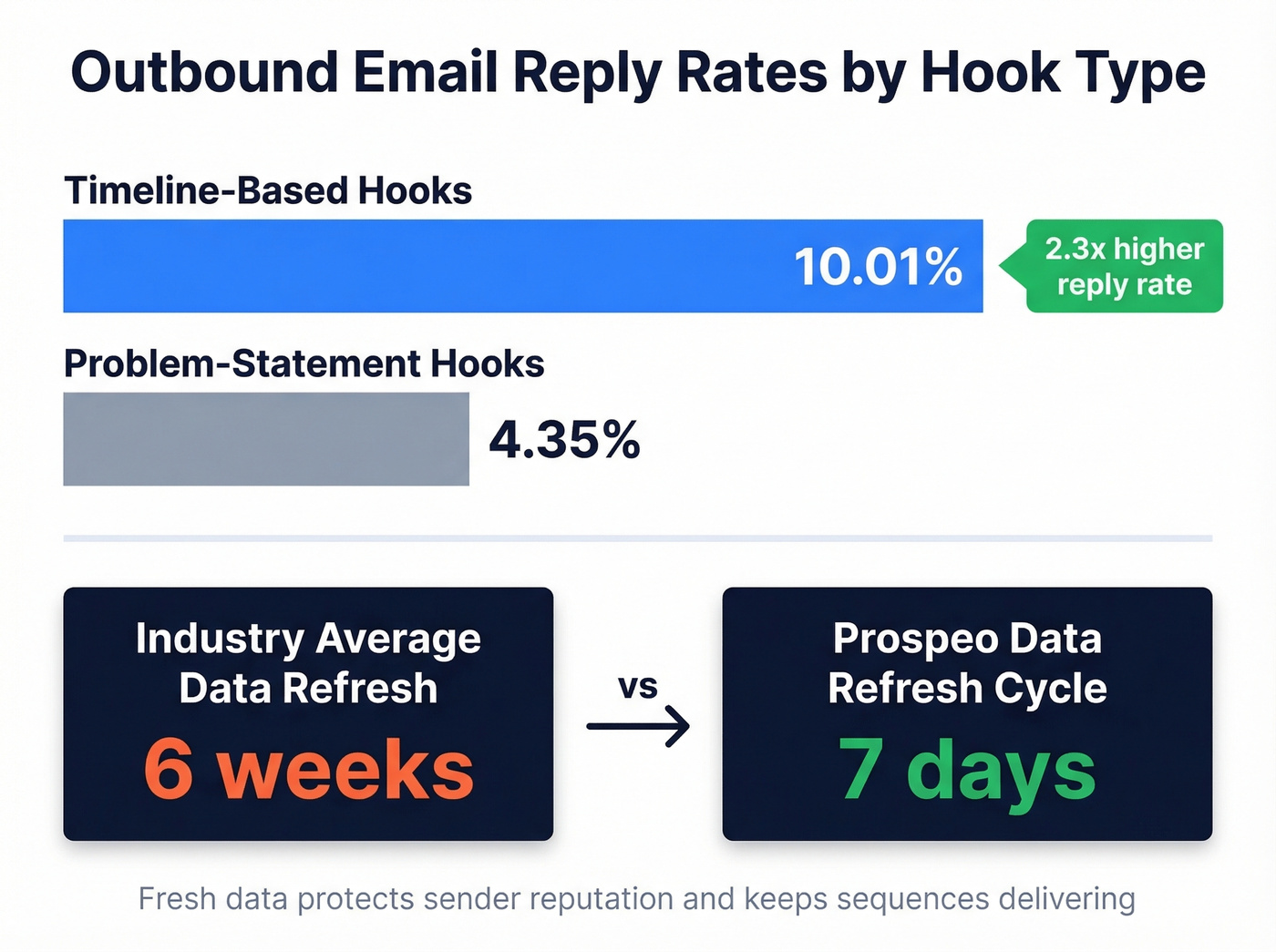
Pick your motion first: PLG with self-serve onboarding, or sales-led with outbound and demos. Then choose channels that match. For outbound, timeline-based email hooks pull a 10.01% reply rate - 2.3x higher than problem-statement hooks. But the message only matters if it reaches the inbox. High bounce rates torch your domain reputation before any hook gets a chance. A 7-day data refresh cycle, versus the 6-week industry average, is the difference between sequences that deliver and sequences that crater your sender score.
If you're building outbound as a core channel, start with a proven B2B cold email sequence and track your email bounce rate from day one.
5. Pricing & Packaging
Here's the thing: a SaaS startup once priced ~70% below competitors, thinking it would accelerate adoption. Prospects assumed the product was inferior and chose the more expensive option. Price is positioning.
Don't price in a vacuum. Anchor against your competitive set, test willingness-to-pay during ICP interviews, and remember that your price communicates quality before your demo ever does. Packaging - tiers, usage-based, per-seat - shapes buyer behavior just as much as the number on the page. Get this wrong and no amount of clever messaging saves you.
If you need a clean way to think about price anchoring, use an anchor in negotiation approach to frame value.
6. Launch Plan & Sales Enablement
Before launch day, this checklist needs green lights:
- Sales playbooks and battle cards finalized
- Partner kits and press materials distributed
- Readiness milestones with assigned owners
- Dashboards and alerts configured
- Daily standup cadence set for launch week
- Escalation path documented for what's working and what isn't
The critical window is the first 72 hours. Teams that treat launch as a monitoring event - not a celebration - iterate faster and recover from missteps before they compound.
If you're building enablement from scratch, start with sales battle cards and a simple product demo checklist.
7. Measurement, Iteration & Retention
>65% - activation rate for top PLG performers, versus ~33% average. >120% - best-in-class net revenue retention. Those are the numbers to aim at.
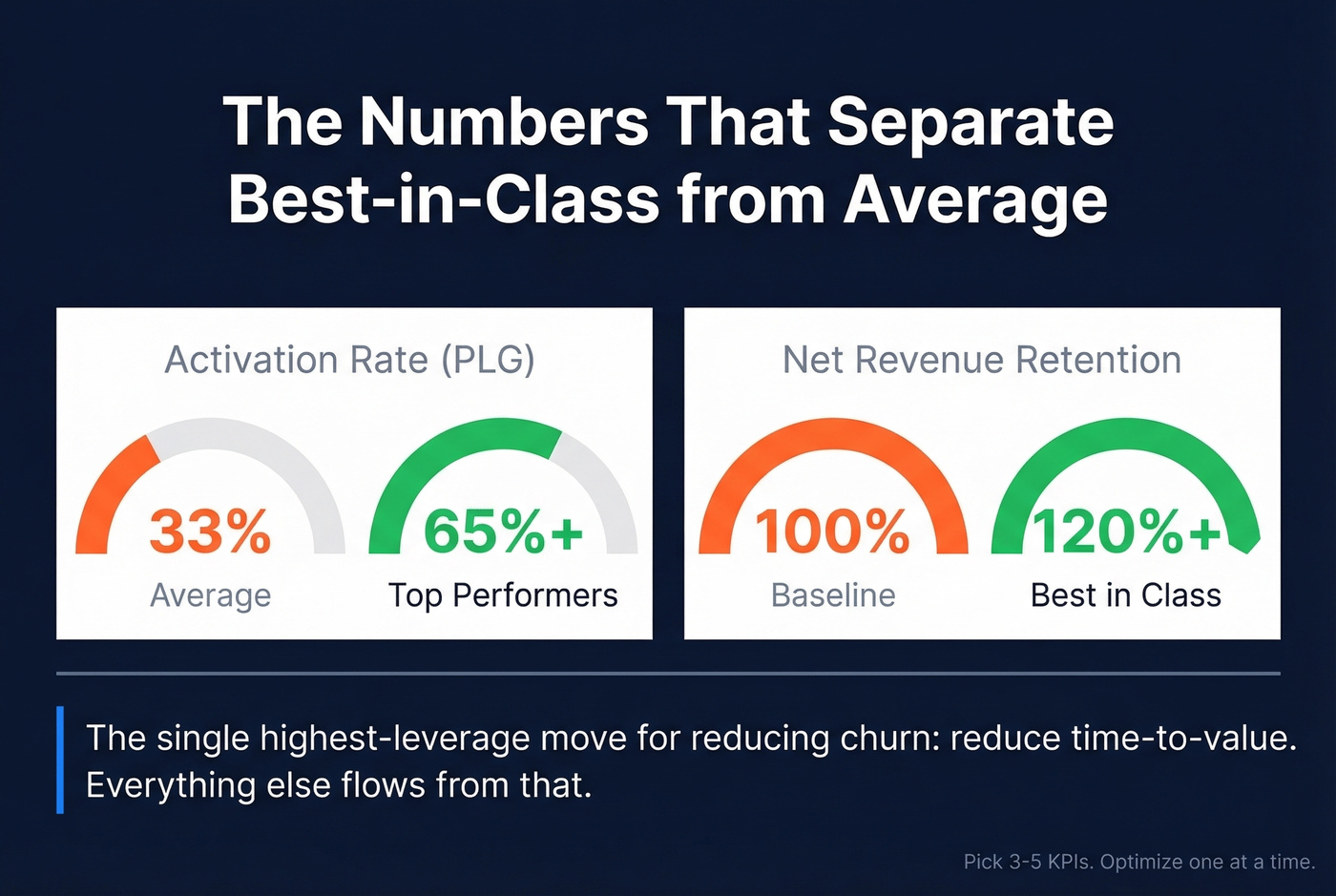
Pick 3-5 KPIs and optimize one at a time. Trying to move CAC, conversion rate, churn, and NPS simultaneously is a recipe for moving nothing. The single highest-leverage move for reducing churn? Reduce time-to-value. Everything else - expansion revenue, referrals, advocacy - flows from that.
If your GTM doesn't have a retention element, it's a launch plan, not a strategy. Most teams treat retention as a post-launch problem. The best teams bake it into element one.
To go deeper on retention math, run a proper churn analysis and align it with your funnel metrics.

Every GTM element depends on reaching the right people with verified data. Prospeo's 300M+ profiles with 30+ filters - buyer intent, technographics, funding, headcount growth - let you turn your ICP definition into a ready-to-contact list with 98% email accuracy.
Stop strategizing into the void. Start reaching real buyers.
Your channel strategy fails the moment emails bounce. Bad data torches domain reputation before your messaging gets a chance. Prospeo refreshes every record on a 7-day cycle - 6x faster than the industry average - so your outbound sequences actually reach inboxes.
Protect your sender score. Launch with data that's 7 days fresh.
SMB vs. Enterprise GTM
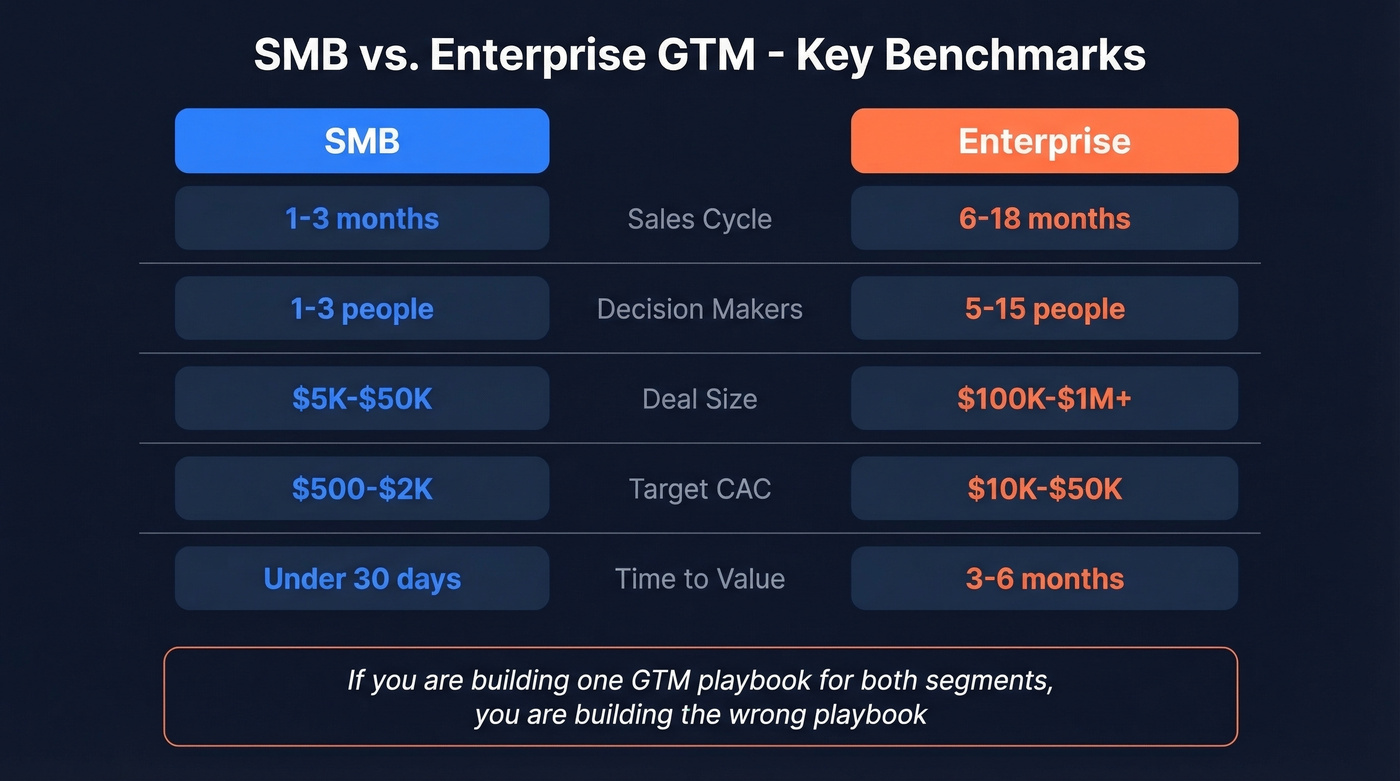
Your GTM motion changes dramatically based on who you're selling to. These ranges from SaaS benchmarks should shape every decision:
| Metric | SMB | Enterprise |
|---|---|---|
| Sales cycle | 1-3 months | 6-18 months |
| Decision makers | 1-3 | 5-15 |
| Deal size | $5K-$50K | $100K-$1M+ |
| Target CAC | $500-$2K | $10K-$50K |
| Time-to-value | <30 days | 3-6 months |
If you're building one GTM playbook for both segments, you're building the wrong playbook.
GTM Mistakes That Sink Launches
Pricing too low signals inferiority. The startup at 70% below market didn't win on value - they lost on perception. Buyers read price as a quality signal before they ever see a demo.
Scaling before product-market fit. Pouring budget into channels before 5-10 happy customers exist is the fastest way to burn cash. Real talk: if your beta users aren't referring you to peers unprompted, you aren't ready to scale.
Confusing GTM with marketing. GTM includes marketing, but also covers sales enablement, pricing, retention, and measurement. A marketing plan is one slice of the pie.
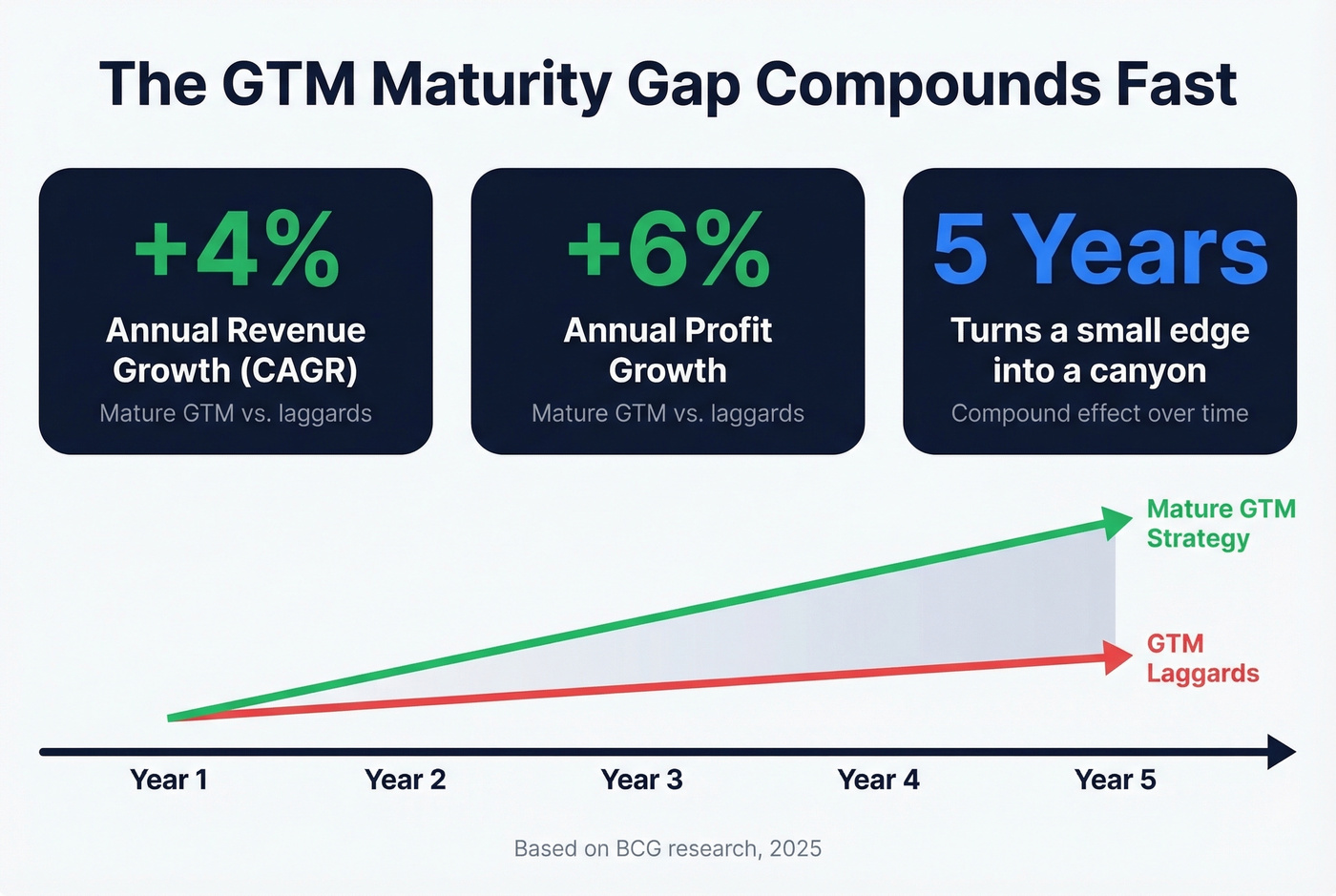
Ignoring the compound effect. BCG research shows companies with mature GTM strategies outperform laggards by ~4% CAGR revenue growth and ~6% profit growth. Over five years, that gap becomes a canyon.
GTM Checklist
Preparation
- ICP defined and validated with 50-100 interviews
- Buyer journey mapped from awareness through decision
- Competitive analysis complete - direct and indirect
- Pricing model set and tested
Execution
- Messaging consistent across all channels
- Channels selected with specific targets per channel
- Enablement materials ready: playbooks, partner kits, battle cards
- Launch events and promotions planned
Monitoring
- KPIs defined: CAC, conversion rate, churn, activation
- 72-hour post-launch review scheduled
- Weekly iteration cadence locked in
FAQ
What's the difference between a GTM strategy and a marketing plan?
A GTM strategy is the full operational system - ICP, pricing, channels, sales motion, enablement, and measurement. A marketing plan covers only demand generation. GTM encompasses marketing but also includes sales enablement, competitive positioning, and retention loops.
How long does it take to build a go-to-market strategy?
For SMBs targeting self-serve buyers, 2-4 weeks. For enterprise with complex sales cycles, plan for 2-3 months. The ICP validation phase - those 50-100 interviews - is the bottleneck, but skipping it is the most expensive shortcut you'll ever take.
Can I apply these 7 elements to any market segment?
Yes. Whether you're launching into SMB self-serve or enterprise sales-led, the framework scales. The elements stay the same - what changes is the weight you give each one. Enterprise GTM leans harder on sales enablement and longer measurement cycles, while PLG motions prioritize channel strategy and activation metrics.
What tools help execute a GTM strategy?
You need a CRM like HubSpot or Salesforce, a B2B data platform for verified prospect lists, analytics for tracking activation and conversion, and a sales engagement tool for sequences. The stack matters less than data quality - bad emails mean burned domains and wasted rep time, regardless of which tools you're running.