

B2B Customer Lifecycle Marketing: The 2026 Operator's Guide
B2B SaaS companies in the top quartile of net revenue retention trade at 24x revenue multiples. Bottom quartile? 5x. That gap compounds into dramatically different enterprise values, and it isn't explained by better products or smarter reps. It's explained by what happens after the deal closes - by b2b customer lifecycle marketing done right.
McKinsey's analysis of 100+ B2B SaaS companies found top-quartile firms hit 113% NRR, growing 13% annually without a single new customer. Forrester reinforces this: customer-obsessed companies grow revenue 28% faster with 43% better retention. Every dollar you shift from acquisition-only marketing toward full-lifecycle execution compounds across retention, expansion, and advocacy.
What Lifecycle Marketing Actually Is
There's a post on r/marketing calling lifecycle marketing "a consumer thing." That take is wrong - but understandable, because most B2B "lifecycle programs" are just scheduled email drips with a fancier name.
Real lifecycle marketing in B2B is cross-functional revenue orchestration. Forrester's Opportunity Lifecycle framework boils it down: share signals across teams, shift from leads to buying groups, create shared goals across marketing, sales, and CS, and design experiences around buyer value rather than your internal handoff process. With 71% of B2B buyers now Millennials and Gen Z, they expect signal-responsive experiences - not a drip sequence that ignores everything they've done on your site. The difference from B2C? Longer cycles, multiple stakeholders, and post-sale expansion revenue that can dwarf the initial deal.
The Eight Lifecycle Stages
Most frameworks collapse the lifecycle into five stages. That's too coarse for operational use. Here's the eight-stage model with exit criteria that actually tell you when an account moves forward:
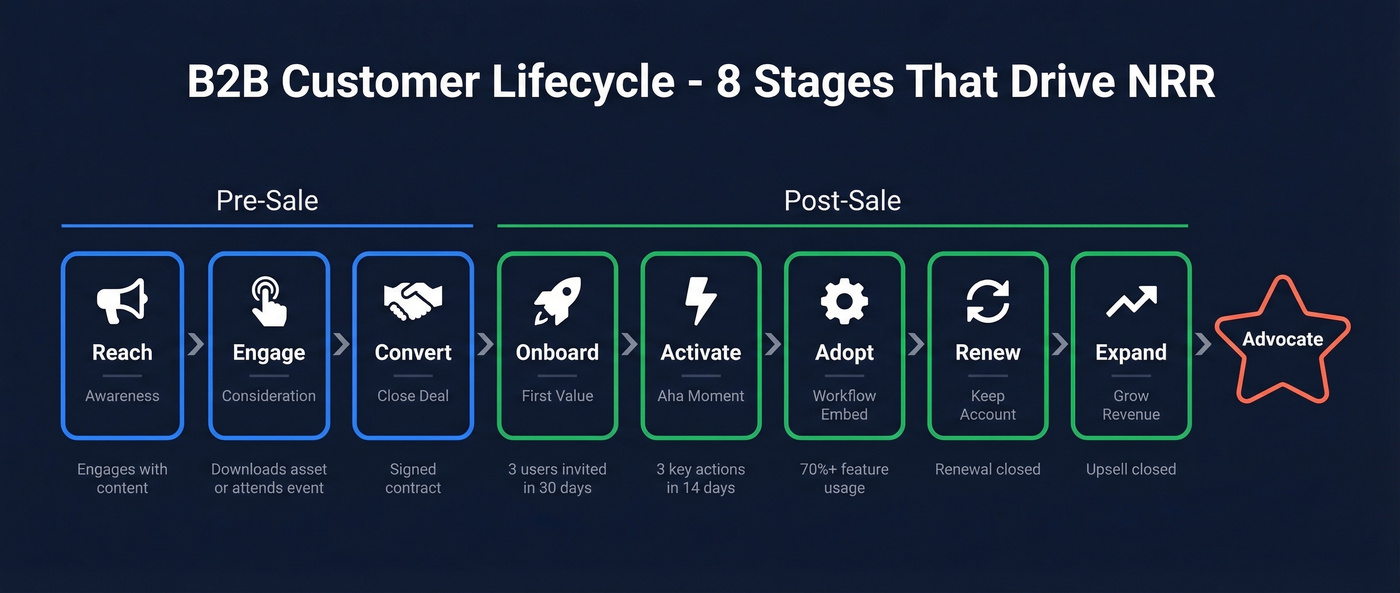
| Stage | Goal | Exit Criteria |
|---|---|---|
| Reach | Awareness | Engages with content or ad |
| Engage | Consideration | Downloads asset or attends event |
| Convert | Close deal | Signed contract, CRM data complete |
| Onboard / Activate | First value + "Aha" moment | 3 users invited or integration activated within 30 days and 3 key actions completed in 14 days |
| Adopt | Workflow embed | 70%+ core feature usage regularly |
| Renew | Keep the account | Renewal closed or renewal risk cleared |
| Expand | Grow account | Upsell or cross-sell closed |
| Advocate | Referrals | NPS promoter or active reference |
The exit criteria matter more than the stage names. "Exit onboarding when the account invites 3 users within 30 days" is operationally useful. "Move to adoption when they're happy" isn't.
KPIs That Drive Lifecycle Performance
Start with NRR - it captures retention, expansion, and contraction in a single number. Everything else supports it.
| KPI | Formula | Benchmark |
|---|---|---|
| NRR | (Start MRR + Expansion - Contraction - Churn) / Start MRR | 98%-115% by ARR band |
| GRR | (Start MRR - Contraction - Churn) / Start MRR | 85%-94% by ARR band |
| Activation Rate | Activated accounts / New accounts | 60%+ in 30 days |
| Churn Rate | Churned accounts / Accounts at period start | <2% monthly |
| CLV | Avg Revenue x Gross Margin % x Avg Lifespan | Varies by segment |
| CAC Payback | CAC / (MRR x Gross Margin %) | 12-24 months |
| Expansion Rate | Expansion MRR / Starting MRR | Top performers >15%/yr |
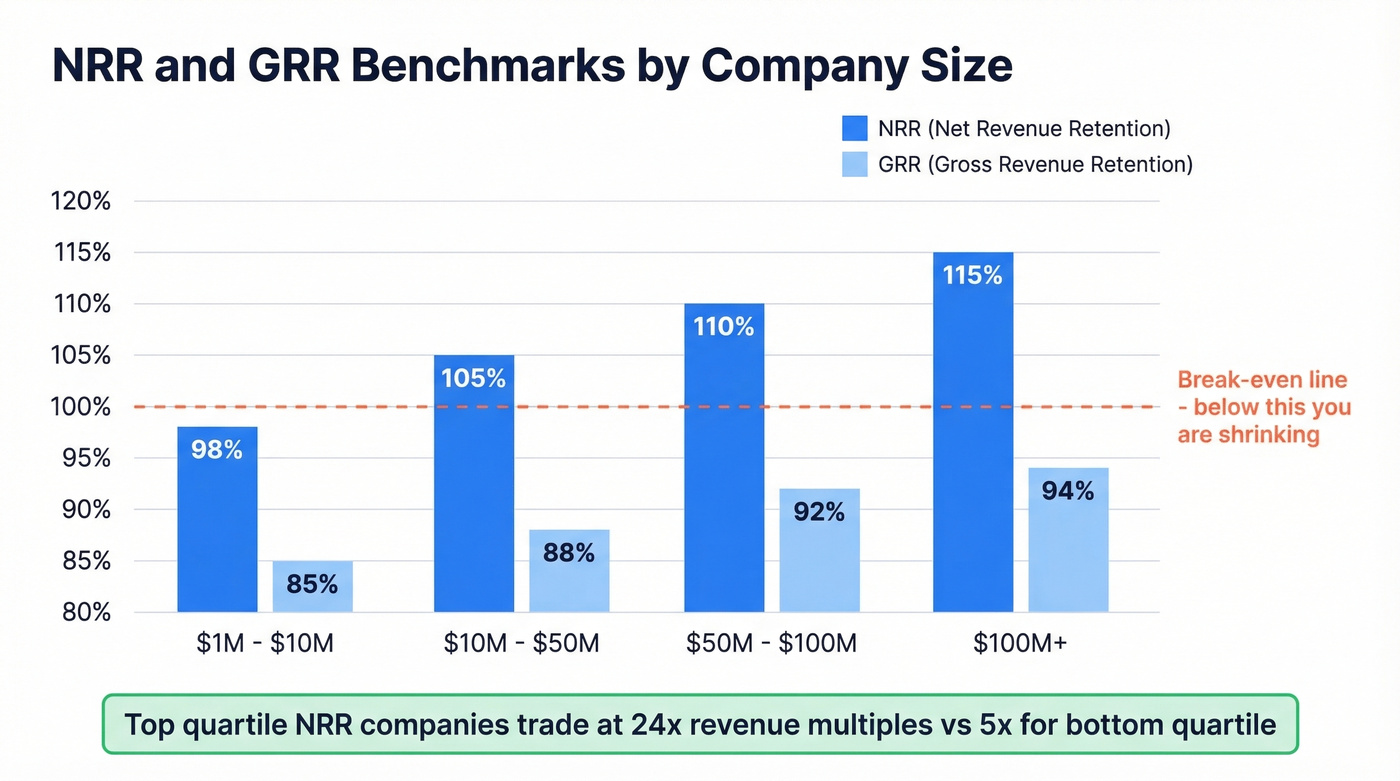
Here's how NRR and GRR break down by company size: $1M-$10M ARR typically hits 98% NRR and 85% GRR. At $10M-$50M, that climbs to 105% and 88%. At $50M-$100M, expect 110% and 92%. At $100M+, top performers reach 115% NRR and 94% GRR. If your NRR is below your band's median, you've found your bottleneck.

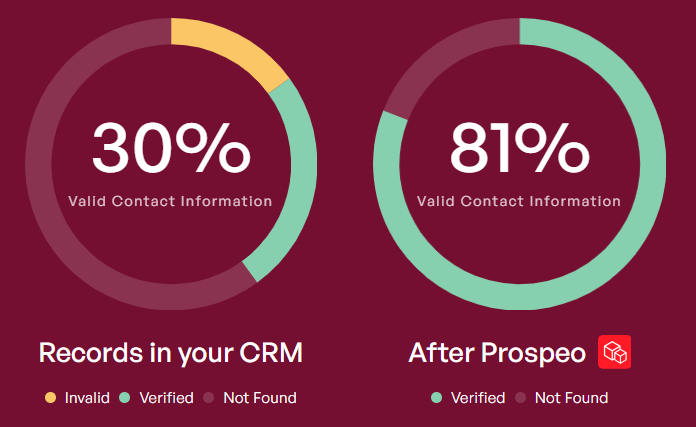
Bad data is the silent killer of lifecycle programs. When 40% of your nurture contacts have stale emails, every trigger, every expansion play, every renewal campaign underperforms. Prospeo's 7-day data refresh cycle and 98% email accuracy mean your lifecycle stages actually connect to real buyers - not dead inboxes.
Stop running lifecycle plays on data that expired six weeks ago.
Behavior Triggers Beat Scheduled Drips
A practitioner running behavior-based flows across 80,000+ contacts shared their results on Reddit: +25% SQL conversion and measurably shorter sales cycles. We've seen similar patterns across the programs our team has audited. Three triggers drove the biggest impact:
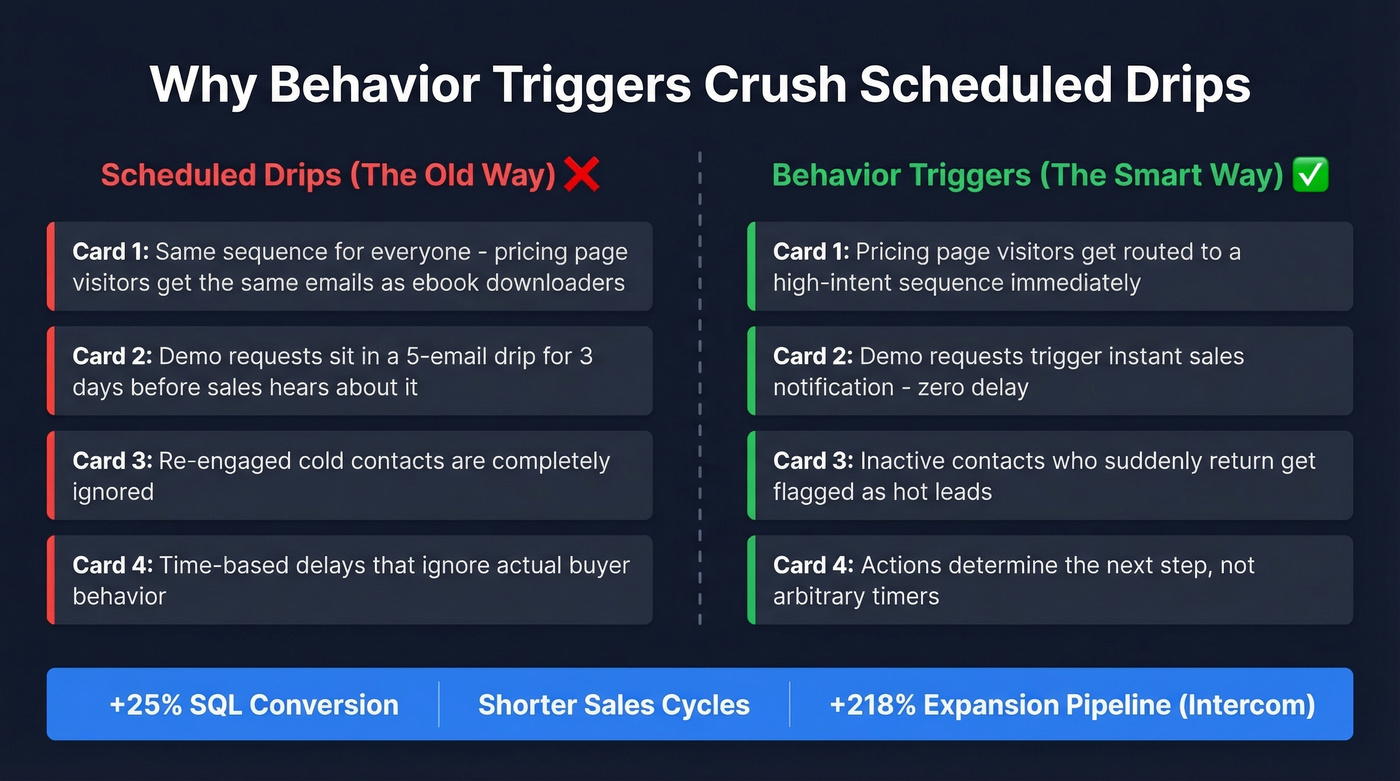
Pricing page visit. Route these contacts into a different sequence than whitepaper downloaders. Someone reading your pricing page has buying intent - treat them accordingly. If you need a tighter operational definition of buying intent, see buying signals.
Demo request. Immediate sales routing. Don't make a warm hand-raiser wait for the nurture to finish. We've seen teams where demo requests sit in a 5-email drip for three days before sales gets notified. That's revenue left on the table. (If your team needs a repeatable process here, use a product demo checklist.)
Re-engagement from cold contacts. Someone inactive for 3+ months suddenly visits multiple pages in a week. Most teams ignore this signal entirely, which is baffling - it's one of the strongest buying signals you'll ever get for free. To operationalize this, build a simple system for how to track sales triggers.
The case studies back this up. Linear used signal-based expansion playbooks - product usage thresholds, seat growth, feature adoption - and saw a 30% increase in average deal size. Intercom built an expansion scoring model blending product usage with intent signals and saw a 218% increase in expansion pipeline. Those aren't marginal gains.
Mistakes That Kill Lifecycle Programs
Designing in silos. When Sales and CS teams are aligned, retention improves by 36%. When Marketing builds lifecycle flows without Sales input, you get beautiful automations that nobody in revenue trusts. Let's be honest: most lifecycle "strategies" die because the CS team never saw them before launch. This is also where marketing enablement makes or breaks execution.
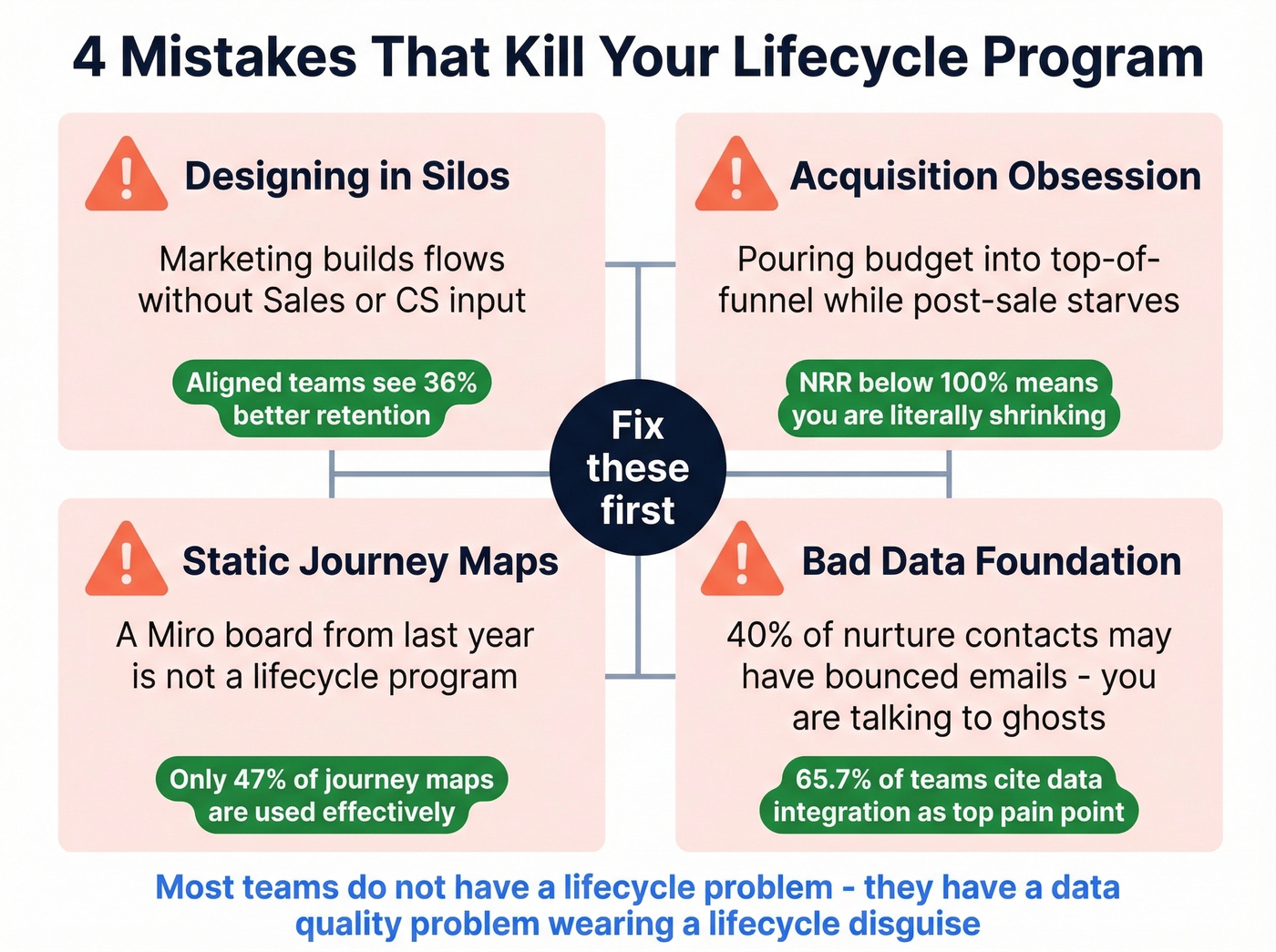
Acquisition obsession. Most B2B marketing budgets pour into top-of-funnel and starve post-purchase. If your NRR is below 100%, you're literally shrinking - no amount of new logos fixes that. If you want a clean way to diagnose the leak, start with churn analysis.
Static journey maps. Gartner found 82% of organizations created journey maps, but only 47% use them effectively. A Miro board from last year's offsite isn't a lifecycle program. It's a screenshot. Treat it like a measurable system with funnel metrics.
Bad data foundation. Here's the thing: 65.7% of B2B teams cite data integration difficulties as their top martech pain point. Imagine running a lifecycle audit and discovering 40% of your "active nurture" contacts have bounced emails - your program has been talking to ghosts. Prospeo's CRM enrichment catches this with a 7-day refresh cycle, 98% email accuracy, and an 83% enrichment match rate, so triggers fire on real contacts instead of dead addresses. If you're evaluating vendors, compare data enrichment services and map them to your stack.
Where to Start
Don't build a 90-day roadmap. Do three things.
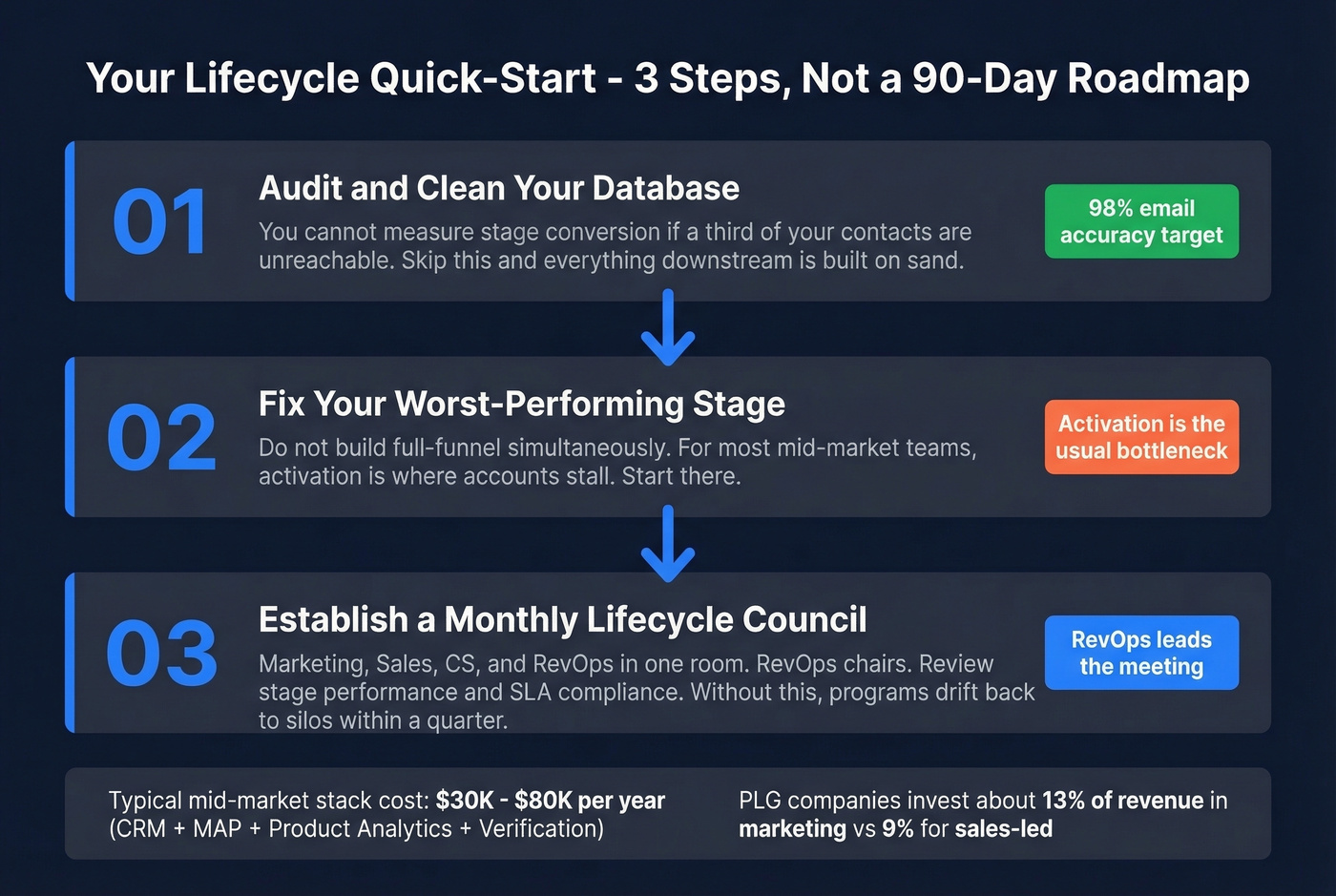
Audit and clean your database. You can't measure stage conversion if a third of your contacts are unreachable. Skip this step and everything downstream is built on sand - we've watched teams spend months optimizing flows that were sending to invalid addresses the entire time. If deliverability is already slipping, start with an email deliverability guide.
Fix your worst-performing stage. Don't try to build full-funnel simultaneously. In our experience, activation is where most mid-market programs stall. If you're losing accounts before they hit their "aha" moment, no amount of renewal marketing saves you. Start there.
Establish a monthly Lifecycle Council. Marketing, Sales, CS, and RevOps in one room. RevOps chairs. Review stage performance, experiment results, and SLA compliance. Without this governance cadence, lifecycle programs drift back into siloed campaigns within a quarter. If you need to formalize ownership, use a clear RevOps Manager charter.
A typical mid-market stack - CRM, MAP, product analytics, and a verification layer - runs $30K-$80K/year. Don't buy a $50K orchestration platform before you have clean data and three working triggers. PLG companies invest about 13% of revenue in marketing vs 9% for sales-led. Forrester also recommends reallocating at least 15% of content spend toward AI discoverability - schema, structured formats, and content designed for LLM retrieval.
Most teams don't have a lifecycle marketing problem. They have a data quality problem wearing a lifecycle marketing disguise. Fix the foundation and the stages start moving on their own.
Behavior triggers only work when you can actually reach the contact. Prospeo gives you 300M+ verified profiles with 50+ enrichment data points per contact - so your pricing-page visitors, re-engaged accounts, and expansion targets all get routed to real, deliverable emails. At $0.01 per email, bad data is no longer a budget excuse.
Fuel every lifecycle stage with contacts that actually convert.
FAQ
How is B2B lifecycle marketing different from B2C?
B2B lifecycle marketing involves longer sales cycles, buying groups instead of individual buyers, and post-sale expansion revenue that often exceeds the initial contract. It functions as a cross-functional operating system spanning marketing, sales, and CS - not a single-channel email drip.
What's the most important lifecycle KPI?
Net revenue retention. It captures retention, expansion, and contraction in one number. Top-quartile B2B SaaS companies hit 113%+ NRR, meaning they grow 13% annually from existing customers alone.
What's a realistic budget for a mid-market lifecycle stack?
Expect $30K-$80K/year for a CRM, marketing automation platform, product analytics, and a data verification layer. Start with clean data and three working behavior triggers before investing in expensive orchestration platforms.
When should I skip lifecycle marketing entirely?
If you don't have product-market fit yet, lifecycle marketing won't save you. It's an accelerant, not a substitute for a product people want. Get to consistent new-logo acquisition first, then layer in lifecycle programs to compound that growth.