

Cold Calling for Sales Reps: The 2026 Playbook
It's 9:15 AM. You've got a fresh list, a full coffee, and 200 dials ahead of you. By 9:45, you've hit 40 disconnected numbers, left 12 voicemails, and talked to exactly one person who hung up in eight seconds. The problem isn't your pitch. It's your system.
Cold calling for sales reps isn't a talent contest. It's an engineering problem - data in, conversations out, meetings booked. The reps who consistently set meetings aren't smoother talkers. They've got cleaner numbers, better openers, and a rehearsed response for every objection. That's what this playbook covers: the full system, not a list of tips. If you want the full stack view, start with a cold calling system.
The Short Version
Cold calling works when you have clean data, a practiced opener, and prepared objection responses. The math: 200 dials x 5% connect rate x 4.82% conversion = roughly 1 meeting per day. Fix your data first, then your first 30 seconds, then your objection handling - in that order.
Is Cold Calling Dead in 2026?
Every year someone publishes a "cold calling is dead" take. Every year the data says otherwise.
A HubSpot survey of 379 sales professionals found that 24% still use cold calling as their primary channel and another 25% use it as a secondary channel. Only 12% have actively moved away from it. That's nearly half of all sales orgs relying on the phone as a primary or secondary pipeline driver.
Here's the thing: 82% of buyers say they've accepted meetings after proactive outreach that began with a cold call. Buyers don't hate cold calls. They hate bad cold calls - the ones that open with "How are you today?" and pitch a product the prospect doesn't need.
Cold calling also outperforms cold email on raw conversion. Typical cold email reply rates sit at 1-5%, and only a fraction of those replies convert to meetings. A well-executed cold call with a 4.82% conversion rate on live connects beats that math every time, especially when you factor in that a phone conversation builds rapport no email can replicate.
Cognism's State of Cold Calling report shows the average cold call length trending up, from ~83 seconds in 2024 to ~93 seconds in 2025 and continuing that trajectory into 2026. Prospects aren't hanging up faster - they're staying on longer when reps bring something relevant. The consensus on r/sales mirrors this: the phone isn't dead, your inputs are wrong. Bad data, generic scripts, and zero pre-call research are what's dead.
The Math Every Rep Should Know
Let's put real numbers on this. The benchmarks below come from multiple studies, and they paint a consistent picture.
| Metric | Benchmark | Source |
|---|---|---|
| Calls per appointment | 209 | Bridge Group |
| Appointment rate | ~1% | CRMNext |
| Successful call avg length | 5:50 | Gong |
| Failed call avg length | 3:14 | Gong |
| 3 attempts = reachable conversations | 93% | Cognism |
| 5 attempts = reachable conversations | 98.6% | Cognism |
The practitioner formula that keeps showing up on Reddit and in SDR communities: 200 dials x 5% connect rate x 4.82% conversion = ~1 meeting per day. That math works - but only if your connect rate actually hits 5%. And connect rate is almost entirely a data quality problem.
Reps lose 27.3% of their calling time to bad contact data, and poor data quality costs businesses an average of $12.9M per year. B2B data decays at roughly 2.1% per month. People change jobs, get new numbers, leave companies. A list that's three months old has ~6.3% dead numbers baked in. Six months? You're looking at ~12.6% waste before you even pick up the phone.
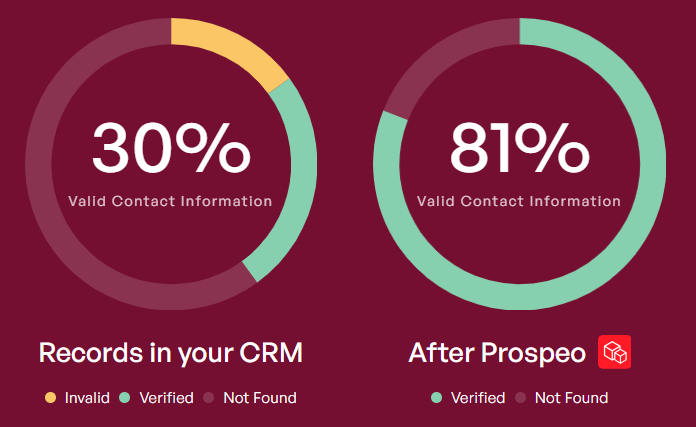
This is where your data source matters more than your script. We've seen teams transform their numbers just by switching providers - Meritt tripled their pipeline from $100K to $300K per week after moving to Prospeo, with connect rates jumping 3x to 20-25%. That's the difference between 200 productive dials and 170 productive dials plus 30 wasted minutes of ringing into the void. If you're evaluating vendors, compare options in our guide to data enrichment services.
If your average deal size is under $10K, you probably don't need ZoomInfo-level data spend. A self-serve tool with accurate mobiles and a fast refresh cycle will get you 90% of the way there at a fraction of the cost. Save the $30K for another SDR.
Openers That Actually Work
The first 10 seconds determine whether you get a conversation or a click. Jason Bay puts it bluntly: "Only 10% of calls make it past 2 minutes... the first 60 seconds is exactly what you want to nail." Here are four opener frameworks that consistently move the needle.
The "Not Actually Cold" Opener
This one comes straight from r/sales and it's brilliant in its simplicity. Send a short email first, then call:
"Hey Bill, this is Mike with Acme. Just wanted to quickly follow up on the email I sent you Tuesday."
If they saw the email, you're continuing a conversation. If they didn't, they almost always ask "what email?" - which is an invitation to pitch. You've turned a cold call into a warm follow-up with zero extra effort.
The email itself should be tight: four to five sentences max. A hook tied to their industry, a bridge explaining why it matters, one or two sentences of value prop with a specific number, and a CTA asking for 15-20 minutes in a specific window. No novels. If you need examples, steal from these sales follow-up templates.
Permission Micro-Yes
This opener gives the prospect a sense of control while committing them to listen:
"Can I take 20 seconds to tell you why I called, and you can tell me if I'm off base?"
Almost nobody says no to 20 seconds. And once they've said yes, they're psychologically committed to hearing you out.
Trigger-Based Opener
When you've got a specific reason to call, use it immediately:
"I saw {{trigger}}... usually when that happens, {{problem}} becomes more urgent..."
The trigger could be a funding round, a new hire in a relevant role, a product launch, or a tech stack change. This opener signals you've done your homework and aren't just dialing down a list. To operationalize this, build a process for how to track sales triggers.
The Breakup Opener
For prospects you've called multiple times with no response:
"Should I stop reaching out, or is {{problem}} something you're open to revisiting?"
It's disarming. Nobody expects a salesperson to offer to go away. We've seen this generate callbacks from prospects who ignored five previous attempts.
Mistakes That Kill Your Calls
Most cold calls die in the first sentence. Your goal isn't to close the deal - it's to sell the meeting. Keep that frame and these mistakes become obvious.
"Is this Bob?" triggers immediate defensiveness. The prospect knows a stranger is calling. Instead: "Hi Bob, this is Sarah from Acme." Assumptive. Confident. Sounds like someone who's supposed to be calling.
"Did I catch you at a good time?" hands them an exit before you've said anything of value. Instead: "I know you're busy, so I'll be brief. I'm calling because..." Acknowledges their time, then immediately delivers value.
That second swap isn't just a style preference. Gong's data shows that asking "Is this a bad time?" drops meeting booking rates by 40%. Meanwhile, explaining why you're calling - leading with the reason - correlates with 2.1x higher success rates.
The other silent killer? Zero research. Spend five minutes on the prospect's company site, recent news, and professional profile before dialing. That's enough to reference something specific in your opener, which separates you from the 95% of callers who sound like they're reading from a spreadsheet. These are the kinds of sales prospecting techniques that seem obvious but get skipped under the pressure of hitting daily dial targets.

Your connect rate is a data problem, not a skills problem. Prospeo refreshes 125M+ verified mobile numbers every 7 days - not every 6 weeks like other providers. Meritt tripled their pipeline and hit 20-25% connect rates after switching.
Fix your data first. Your dials deserve real numbers behind them.
Handling the 5 Most Common Objections
Every objection follows the same pattern: the prospect throws up a wall, and most reps either argue or fold. Neither works. Use this three-step framework instead: Listen (acknowledge what they said), Clarify (make sure you understand the real concern), Respond with value (give them a reason to stay).
"Not Interested"
This is the default brush-off. It rarely means they've evaluated your product and decided against it - it means they want you off the phone.
"You don't have to be interested right now. Can I quickly share why I'm calling, and you can tell me if it's worth 90 more seconds?"
The key is reducing the ask. You're not asking for a meeting - you're asking for a minute.
"I'm Busy / Call Back Later"
Sometimes they genuinely are busy. Respect that, but pin down a time.
"Can I take 25 seconds to share why I called? If it's not relevant, I won't call again."
If they insist on a callback, lock it in: "I'll plan on calling back Thursday at 2 PM unless there's a more convenient time." Vague "call me next week" requests are where deals go to die.
"Send Me an Email"
This isn't a rejection - it's a redirect. The mistake is treating it like a win and then never hearing from them again.
"Absolutely, I'll send that right over. What's the best time to follow up once you've had a chance to review?"
Pin down the follow-up. An email without a scheduled callback is just a polite way of saying no.
"We Already Have a Solution"
This is actually one of the better objections because it confirms they have the problem you solve. They've just already chosen a vendor.
"Out of curiosity, how satisfied are you with the current results?"
That question opens a door. Most people aren't 100% happy with anything - and that gap is your opportunity. If they are fully satisfied, you'll know fast and can move on without wasting either person's time.
"We Don't Have That Problem"
Don't accept it at face value. Jason Bay's rebuttal works well here:
"A lot of companies tell me that initially. I'm curious - how are you currently approaching [process]?"
This gently challenges the assumption without being confrontational. Often the prospect does have the problem but hasn't framed it the way you have. The question gives them space to reconsider.
What Top Performers Do Differently
The gap between top and average cold callers isn't charisma. It's consistency.
Gong's data on talk-to-listen ratio is revealing: the optimal split is 43% talking, 57% listening. But what separates high performers from everyone else isn't the ratio itself - it's the stability. Low performers swing wildly, hitting 54% talk time in won deals and 64% in lost deals. High performers maintain the same ratio whether they win or lose. They don't speed up when they're nervous or monologue when the prospect goes quiet.
Picture two reps on the same team, same territory, same product. Rep A dials from a list pulled six months ago and wings each call. Rep B uses data refreshed weekly, spends five minutes researching each prospect, and follows the same framework every time. Rep A books two meetings a week. Rep B books eight. Same talent. Different system.
The other pattern we see in top performers is multi-threading. For deals over $50K, multi-threading boosts win rates by 130%. Strategic enterprise deals average 17 contacts on the buying side. If you're only talking to one person, you're not running a deal - you're running a hope. This is a core part of account-based selling.
Post-call scoring is a habit worth stealing. After every call, rate yourself 1-10 on opener delivery, objection handling, and close attempt. Track it in a spreadsheet. After 50 calls, patterns emerge that no manager feedback session will surface. The reps who self-score improve faster because they're coaching themselves between every dial. This kind of ongoing cold call training doesn't require a formal program - just discipline and a Google Sheet. If you're building a ramp plan, pair this with a 30-60-90 day plan for sales reps.
Copy-Paste Cold Call Scripts
Frameworks are better than scripts long-term, but you need scripts to build the muscle memory that eventually becomes a framework.
General B2B Script
You: "Hi [First Name], this is [Your Name] from [Company]. Have you got 30 seconds for me to explain the nature of my call?"
[If yes]: "We help [type of company] with [specific problem]. I noticed [observation about their company]. A lot of teams in your space are dealing with [pain point] - is that something you're seeing too?"
[Discovery]: "How are you currently handling [process]?" / "What's the biggest bottleneck in [area]?"
[Close]: "It sounds like there might be a fit. Have you got 15 minutes free later this week to dig into this?"
Gatekeeper Script
You: "Hi, it's [Your Name] from [Company]. Is [First Name] available?"
[If "What's this regarding?"]: "I'm just following up on an email I sent over. Would you mind transferring me, or could you share their direct line?"
Keep it casual. Gatekeepers can smell a cold call from the first syllable.
Voicemail Script
Remember the intro scenario - 12 voicemails by 9:45 AM. Make them count. Keep it under 30 seconds:
"Hi [First Name], this is [Your Name] from [Company]. I'm calling because [one-sentence reason tied to their business]. I'll try you again [specific day], or you can reach me at [number]. Again, that's [Your Name] from [Company]."
No rambling value props. No "I'd love to connect." State your name, your reason, and when you'll call back. The goal is name recognition for the next attempt, not a callback - though callbacks do happen when the reason is specific enough.
Warm Lead / Referral Script
You: "Hi [First Name], this is [Your Name] from [Company]. [Referral Name] suggested I reach out - they mentioned you're handling [area] and thought there might be a fit. Do you have a quick minute?"
The referral name-drop changes everything. Mentioning a mutual connection increases meeting booking rates by roughly 70%. Lead with the name, not your company.
When to Call + Follow-Up Cadence
Timing won't save a bad script, but it can boost a good one.
Best days: Tuesday through Thursday. Best windows: 10-11 AM and 2-4 PM in the prospect's time zone. Micro-timing hack: Call at :45 to :00 past the hour - executives tend to wrap meetings at the top of the hour, so catching them in that transition window bumps your connect rate. Monday mornings are a write-off (everyone's in planning mode), and Friday afternoons are equally dead.
Three attempts capture 93% of the conversations you'll ever get from a prospect. Five attempts get you to 98.6% - after that, you're burning dials for diminishing returns.
For follow-up cadence, mix 5-7 touchpoints over 10-14 days: calls, emails, and social touches. Don't just call five times in a row. After a conversation, send a same-day email with the subject line "Thanks for the conversation today" - it reinforces the connection and gives them something to reference when your name comes up internally. If you want plug-and-play messaging, use these cold email follow-up templates.
One stat worth remembering: 30-50% of deals go to the first responder. Speed-to-lead matters. When an inbound signal fires or a trigger event hits, call within the hour, not the next day.
Building the Right Tech Stack
The best script in the world doesn't matter if you're dialing dead numbers into a basic phone app. A modern cold calling stack has three layers.
Data Sources
This is the foundation. Fifty disconnected numbers in a row doesn't mean the phone is broken - it means your data vendor is broken.
For verified phone numbers and emails, Prospeo delivers 125M+ verified mobiles with a 30% pickup rate, refreshed on a 7-day cycle. That refresh cadence matters because B2B data decays at 2.1% per month - a provider updating every six weeks is already behind. In our experience, the pickup rate difference alone changes the math on daily dials: you're connecting with real humans instead of listening to rings that go nowhere.
Other options worth knowing: ZoomInfo ($15-40K/year) has the deepest US database but the price tag is brutal for smaller teams. Apollo (free tier, paid from ~$49/mo) is solid for getting started. Lusha (free tier, paid from ~$36/mo) is lightweight and quick. The Reddit consensus is to use at least two data sources - no single provider covers every prospect. Skip ZoomInfo if you're a team under 10 reps and your average deal is below $25K; the ROI just isn't there. For a broader shortlist, see our best sales prospecting databases.
Dialers
Power dialers ($30-100/user/mo) handle single-line calling with features like local presence, click-to-dial, and voicemail drop - Kixie lives here. Parallel dialers ($250-400+/user/mo) dial multiple numbers simultaneously and connect you to the first live answer - Orum, Nooks, and Koncert are the main players.
Look for local presence dialing (matching your caller ID to the prospect's area code), real-time coaching capabilities, and CRM integration that syncs both ways. If you're making 200+ dials a day, a parallel dialer pays for itself in the first week. If you're comparing calling platforms, start with these Dialpad alternatives.
CRM + Engagement
Salesforce and HubSpot (free CRM tier available) are the obvious choices for logging activity. For sequencing calls with emails and social touches, Salesloft and Outreach ($75-150/user/mo) handle the orchestration layer. The key is making sure your dialer, data source, and CRM all talk to each other - manual handoffs between tools are where reps lose time and data falls through the cracks. If you're auditing your stack, use this checklist for how to connect outreach tool to CRM.
Compliance Basics
No playbook is complete without this. Cold calling for sales reps is legal, but there are guardrails you need to know.
TCPA (US): You need prior express consent before using an autodialer or prerecorded message to call mobile phones for marketing. Manual dialing to business contacts is generally fine, but scrub your list against the National Do Not Call Registry before every campaign. Violations run $500-$1,500 per call.
STIR/SHAKEN: This caller ID authentication framework flags spoofed numbers. If your dialer doesn't support it, your calls get labeled "Spam Likely" before the prospect even sees your name. Make sure your dialer provider has STIR/SHAKEN attestation.
GDPR (international): If you're calling into the EU, you need a legitimate interest basis and must honor opt-out requests immediately. Keep records of consent and processing grounds.
Bottom line: check your DNC lists, use a compliant dialer, and document everything.
At $0.01 per email and 10 credits per verified mobile, you can fuel 200+ daily dials without a ZoomInfo budget. Prospeo's 98% email accuracy and 30% mobile pickup rate mean fewer wasted calls and more live conversations.
Enterprise-grade data at SDR-friendly pricing. No contracts, no sales calls.
FAQ
How many cold calls should a rep make per day?
Most SDR teams target 100-200 dials per day. The right number depends on your connect rate and deal size - higher-value contracts justify fewer, more researched calls. If you're closing $50K+ deals, 60 well-researched dials will outperform 200 spray-and-pray attempts.
What's a good cold call connect rate?
Five percent is the standard practitioner benchmark. Above 7% means your data is excellent; below 3% means your list is stale or poorly targeted. Meritt saw theirs jump from single digits to 20-25% after switching to weekly-refreshed mobile data - that's the kind of gap a data upgrade can close.
Do cold call scripts actually work?
Scripts work as training wheels; frameworks are what you use once you've internalized the structure. Gong's data shows consistency matters more than any specific line - top performers keep a stable 43/57 talk-to-listen ratio whether they win or lose. A written script gets you to that consistency faster.
What's the best time of day to cold call?
Tuesday through Thursday, 10-11 AM and 2-4 PM in the prospect's time zone. Monday mornings and Friday afternoons consistently underperform. Call at :45 past the hour to catch executives in the transition window between meetings.
How do reps get verified phone numbers for outbound calling?
Use a data provider with a fast refresh cycle and verified mobile numbers - stale data is the #1 productivity killer. Cross-reference with a second source for best coverage, since no single provider has 100% of your target list. Two sources typically fill 80-90% of your prospects.