

Mass Email Greetings: The Data Problem Nobody Talks About
You've sent the campaign. Two thousand emails. Then you spot it in your sent folder: "Hi , I wanted to reach out about..." A naked comma where a name should be. The average office worker receives roughly 121 emails per day. Your mass email greeting just announced itself as lazy automation.
That broken greeting isn't a copywriting failure. It's a data quality failure. And fixing it takes five minutes - if you know the pattern.
The Short Version
Use Hi {FirstName|there} with a fallback. The pipe character is the difference between personalization and embarrassment.
Your greeting is a data problem first, a copy problem second. If 15% of contacts have missing first names, 15% of your emails start broken regardless of how clever your writing is. Spam filters care far more about deliverability fundamentals - SPF, DKIM, DMARC, sender reputation - than your salutation words. Fix the data, then worry about tone.
Greetings by Use Case
| Context | Recommended Greeting | Notes |
|---|---|---|
| Workplace group (2-5) | "Hi [Name], [Name], and [Name]" | Use names when feasible |
| Workplace group (6+) | "Hi team" / "Hi everyone" | Skip "Hi guys" |
| Cold outreach (1:1 at scale) | "Hi {FirstName|there}" | Always use a fallback |
| Newsletter | "Welcome, [community identity]" or "Hi {FirstName|there}" | Identity greetings beat names when data is spotty |
| Marketing campaign | "Hi {FirstName|there}" or "Hey {FirstName|friend}" | Match brand voice; A/B test formality |
| Global / unknown audience | "Hello {FirstName|there}" | Default formal; avoid idioms |
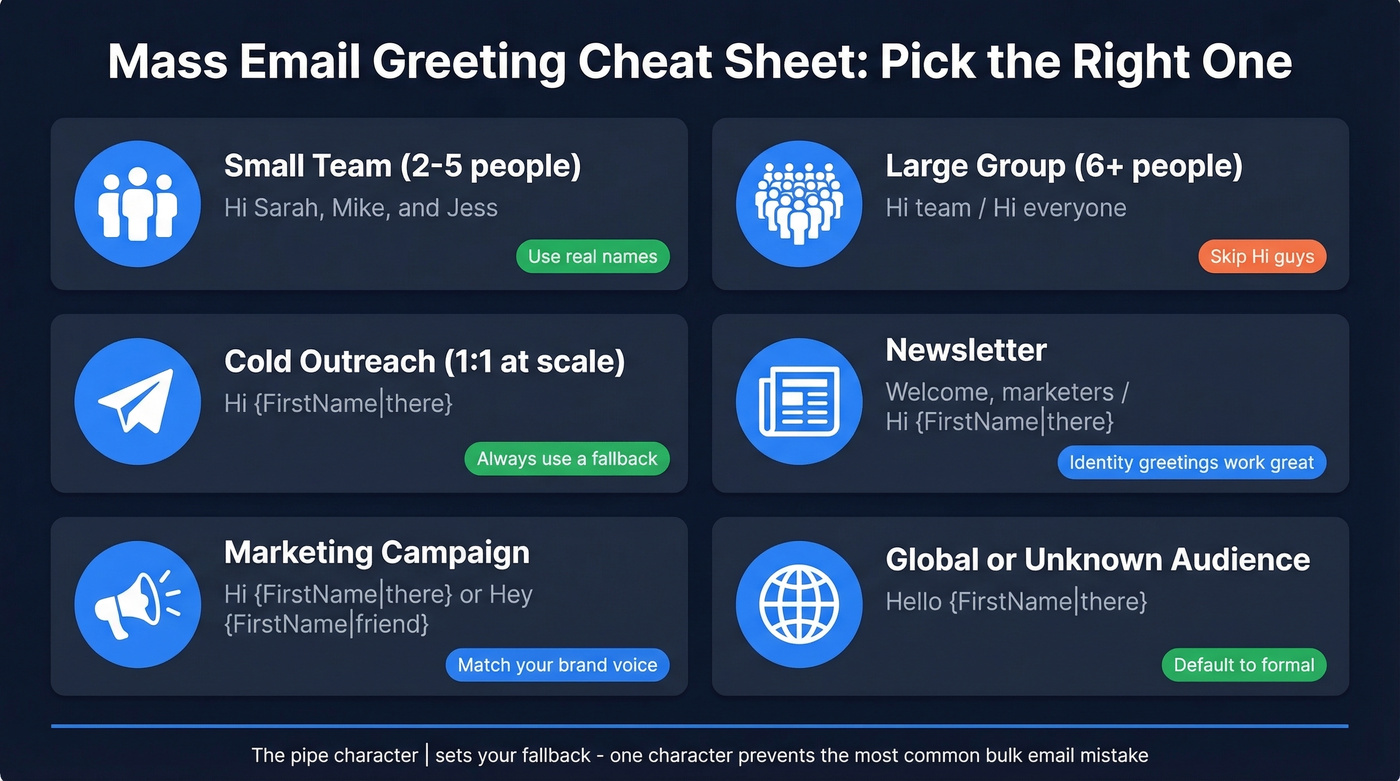
For cold outreach, using "Hi [Name]" instead of a generic opener can increase reply rates by up to 142%. But let's be honest - context matters more than any single word. Cold email practitioners on Reddit consistently put baseline reply rates at 2-4%, and the consensus on r/sales is that sending from a properly warmed secondary domain matters far more than whether you wrote "Hi" or "Hello." Relevance beats volume every time.
Marketing campaigns need brand-voice matching more than formality rules. "Hey" for a DTC brand, "Hello" for enterprise SaaS. Segment by lifecycle stage or engagement tier - that moves the needle more than any opening word.
How to Address a Mass Email with Personalization at Scale
Most email tools use curly-brace merge tags. The syntax varies, but the pattern is universal:
Hi {FirstName|there},
The pipe character sets the fallback. If FirstName is empty, the recipient sees "Hi there" instead of "Hi ," - one character prevents the most common bulk email mistake. Check your platform's merge tag docs for multi-level fallback support; GMass, for instance, lets you chain fallbacks like {FirstName|auto-first|friend}.
If you're building sequences, pair this with solid cold email marketing fundamentals so personalization doesn't mask deliverability issues.
Gmail caps you at 500 recipients per day; Google Workspace bumps that to 2,000. Beyond those limits, you need a dedicated sending tool with throttling and multiple sending domains. A/B test your greeting variants while you're at it - even small formality shifts can change reply rates by double digits.
If you're scaling volume, track email velocity and use a proper email deliverability guide to avoid avoidable throttling and spam placement.

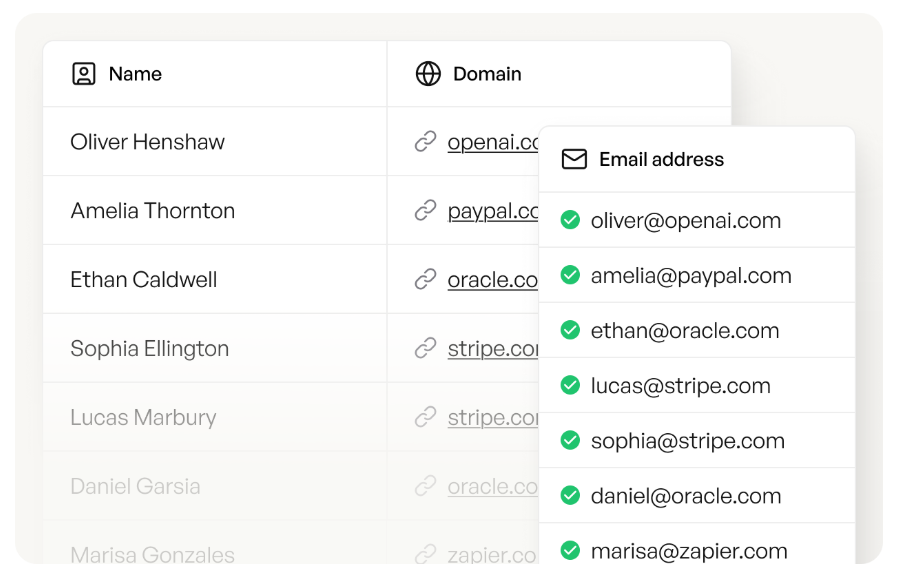
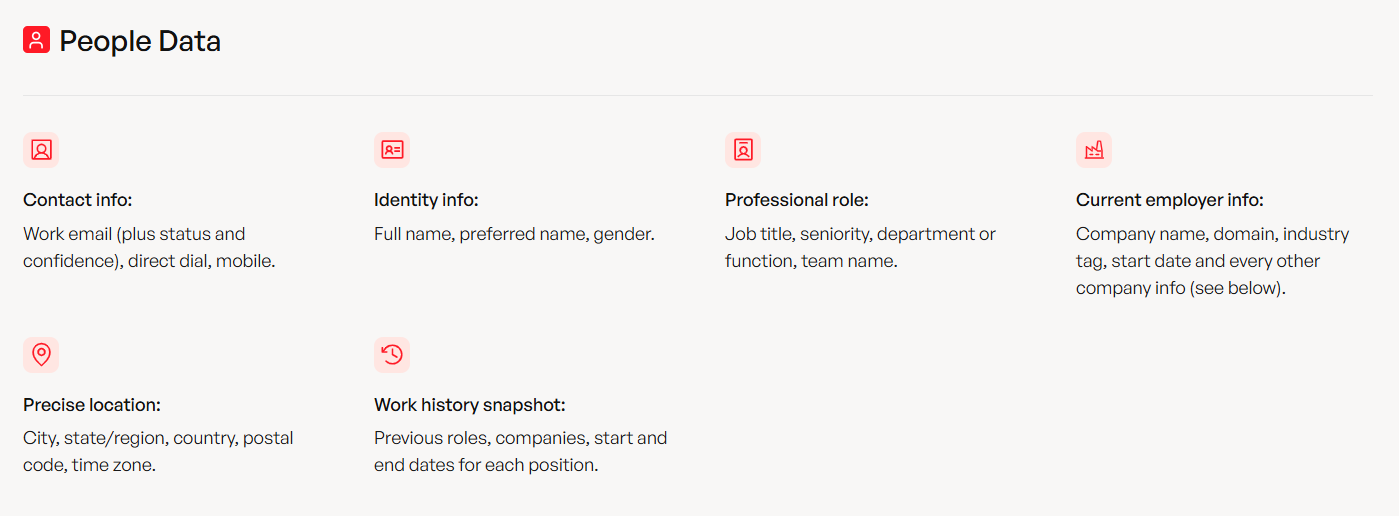
Every "Hi ," in your outbox is a data gap you could have filled. Prospeo's CSV and CRM enrichment returns verified first names, emails, and 50+ data points per contact - with an 83% match rate and 98% email accuracy. Kill broken merge tags at the source.
Enrich your list in minutes. 75 free emails, no contracts.
When Personalized Greetings Backfire
Here's the thing: personalization isn't always better.
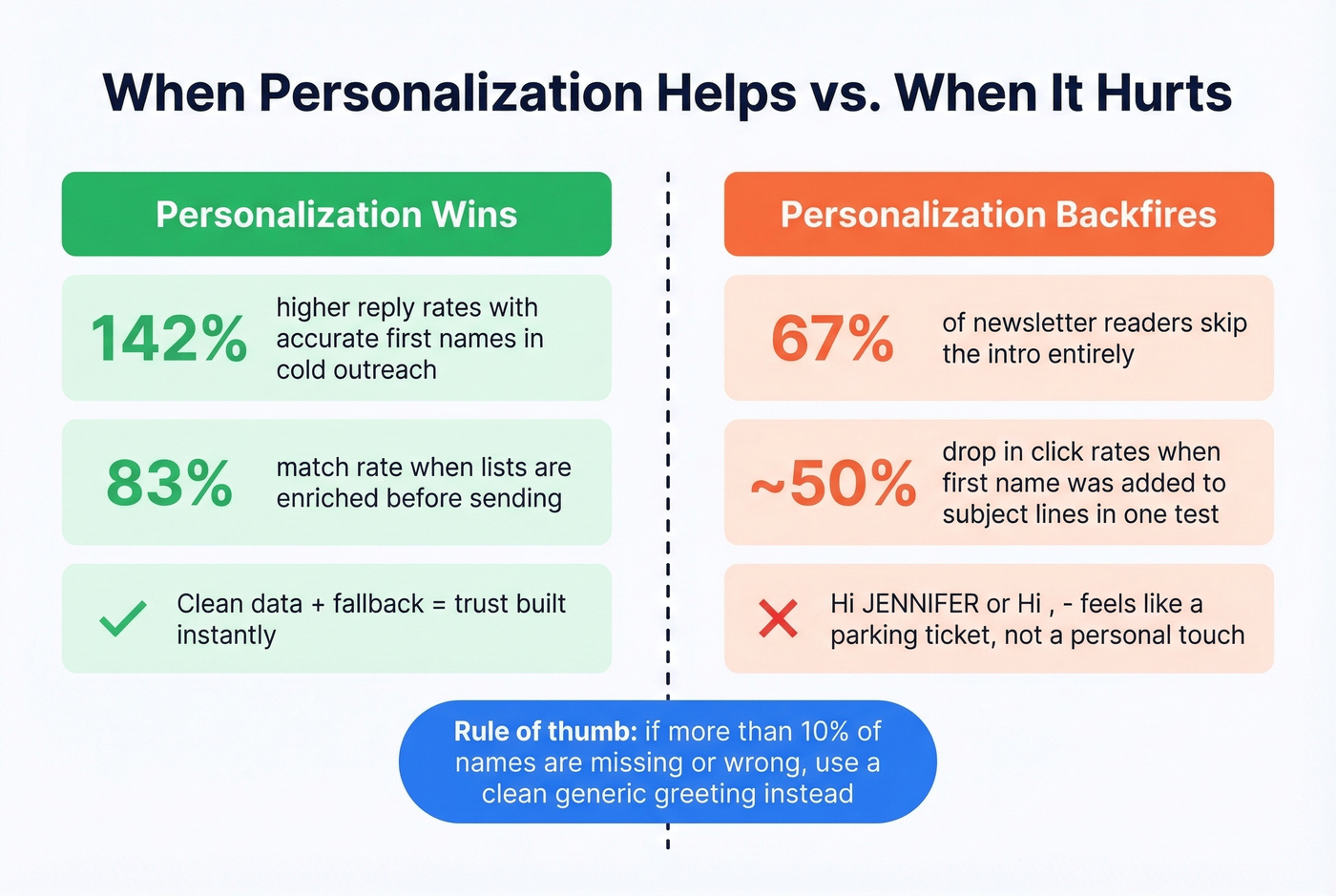
Yespo ran a test where they removed Hi, %FIRSTNAME% from a blog newsletter entirely. No change in engagement - and the unsubscribe rate actually dropped. In a separate test, adding a first name to the subject line lifted opens slightly but cut click rates nearly in half. 67% of newsletter readers skip the intro entirely and jump to the main content. For that audience, an identity greeting ("Hey marketers") signals relevance faster than a first name ever could.
The pattern is clear. Personalization that feels accurate builds trust. Personalization that feels wrong - a misspelled name, a "Hi ," with nothing after the comma - destroys it faster than a generic greeting ever could. We've watched campaigns tank because someone imported a CSV with first names in ALL CAPS. "HI JENNIFER" doesn't feel personal. It feels like a parking ticket.
If your list has more than 10% missing or incorrect names, you're better off with a clean generic greeting than a broken personalized one. Fix the data first. Run enrichment before every campaign - Prospeo returns verified names and 50+ data points per contact at 98% email accuracy on a 7-day refresh cycle, which is the kind of freshness that prevents "Hi ," from ever reaching an inbox.
If you need a broader vendor shortlist, compare data enrichment services and use a repeatable lead enrichment workflow.
Greeting Norms for Global Lists
Four rules keep you safe when emailing across borders:
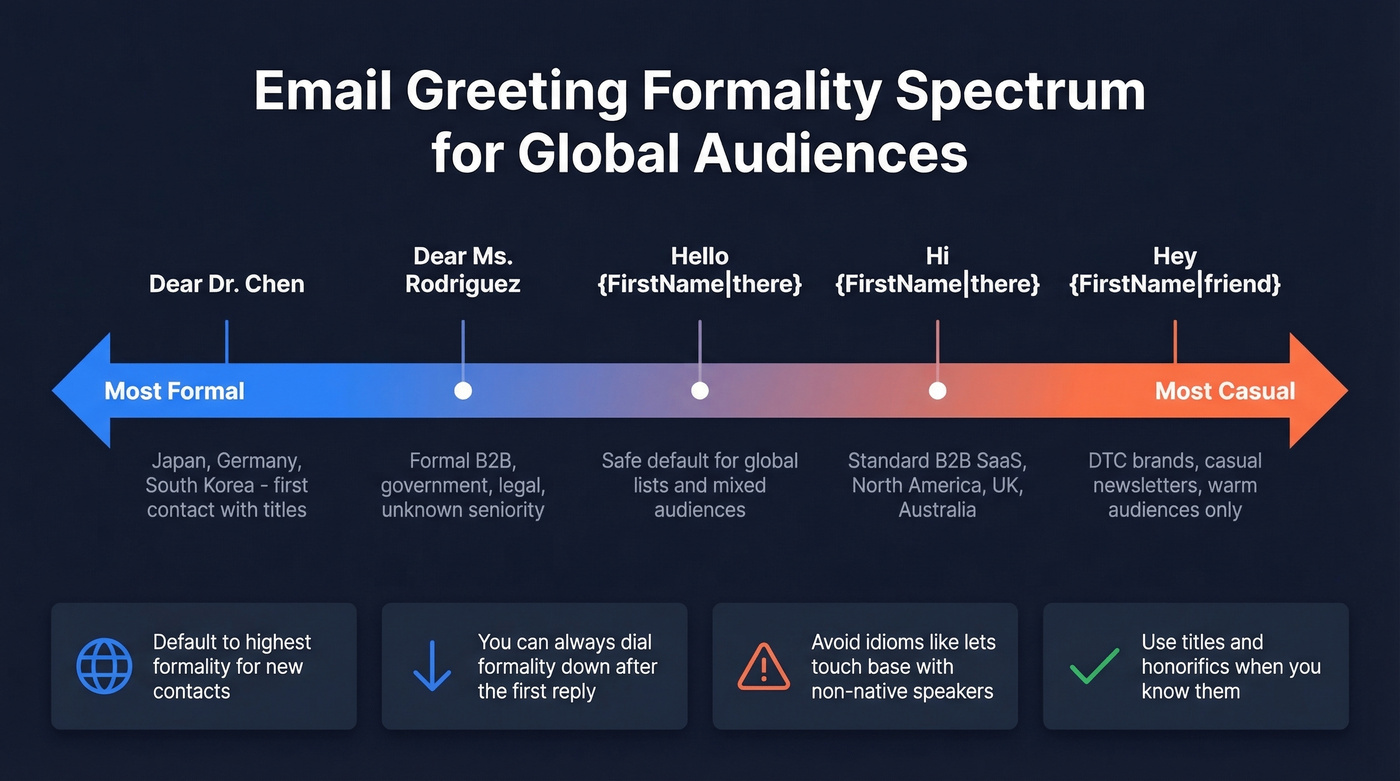
- Default to the highest formality. "Hello" over "Hey." "Dear Ms. Chen" over "Hi Amy."
- Use titles and honorifics when you know them - Dr., Professor, Mr./Ms.
- Avoid idioms and slang. "Let's touch base" confuses non-native English speakers.
- U.S. directness can read as rude elsewhere. Cultures that value relationship-building pleasantries won't appreciate "time is money" brevity.
Skip the casual tone entirely if you're emailing into Japan, Germany, or South Korea for the first time. You can always dial formality down after the first reply. You can't dial it back up.
Do Greetings Trigger Spam Filters?
No. Modern spam filters prioritize SPF/DKIM/DMARC authentication, sender reputation, and engagement signals. "Hi" versus "Hello" versus "Dear" has negligible impact on deliverability compared to those fundamentals. Fix your DNS records, not your salutation.
If you're troubleshooting placement, run an email spam checker and review how to improve sender reputation before tweaking copy.
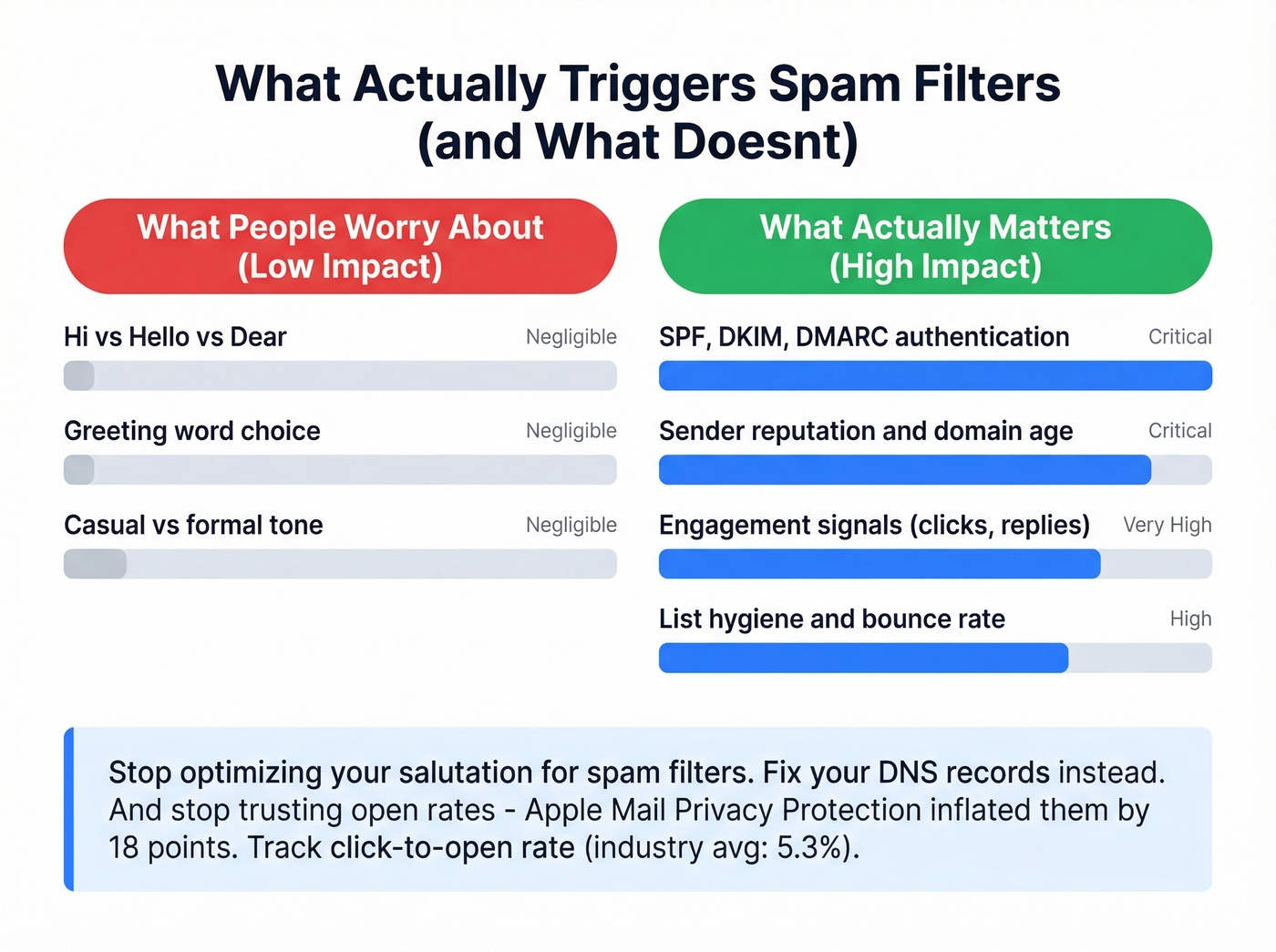
And stop using open rates as your primary metric. Apple Mail Privacy Protection inflated open rates by 18 points post-MPP across 80,000+ accounts. Click-to-open rate is what actually tells you something - the industry average sits at 5.3%.
If you want more levers beyond greetings, start with email subject lines and a tighter sales follow-up system.
FAQ
What's the best mass email greeting for strangers?
"Hi {FirstName|there}" with a fallback. Professional without being stiff, and the fallback prevents broken salutations. For formal or global audiences, swap "Hi" for "Hello."
Does greeting personalization actually improve results?
Yes - up to 142% higher reply rates when name data is accurate. But incorrect or missing names hurt trust more than a generic opener ever would. Clean your list before sending.
How do I fix missing names before a campaign?
Run your list through a data enrichment tool before every send. Prospeo's CRM and CSV enrichment fills gaps with an 83% match rate and 50+ data points per contact. If enrichment still leaves gaps, use a strong fallback like "Hi there" or an identity greeting that speaks to the recipient's role.
Bad greetings don't just look sloppy - they tank reply rates. Prospeo refreshes contact data every 7 days, not every 6 weeks, so the names and emails in your campaigns are accurate when you hit send. At $0.01 per email, clean data costs less than a single bounced impression.
Stop guessing names. Start with data that's 7 days fresh.