

BDR Productivity: Benchmarks, Killers, and Fixes That Work
Your BDRs are making 60+ calls a day, sending 40 emails, and booking four meetings a month. Pipeline is flat. The instinct is to hire more reps or crank up activity targets. That instinct is wrong - the problem almost never lives where managers think it does.
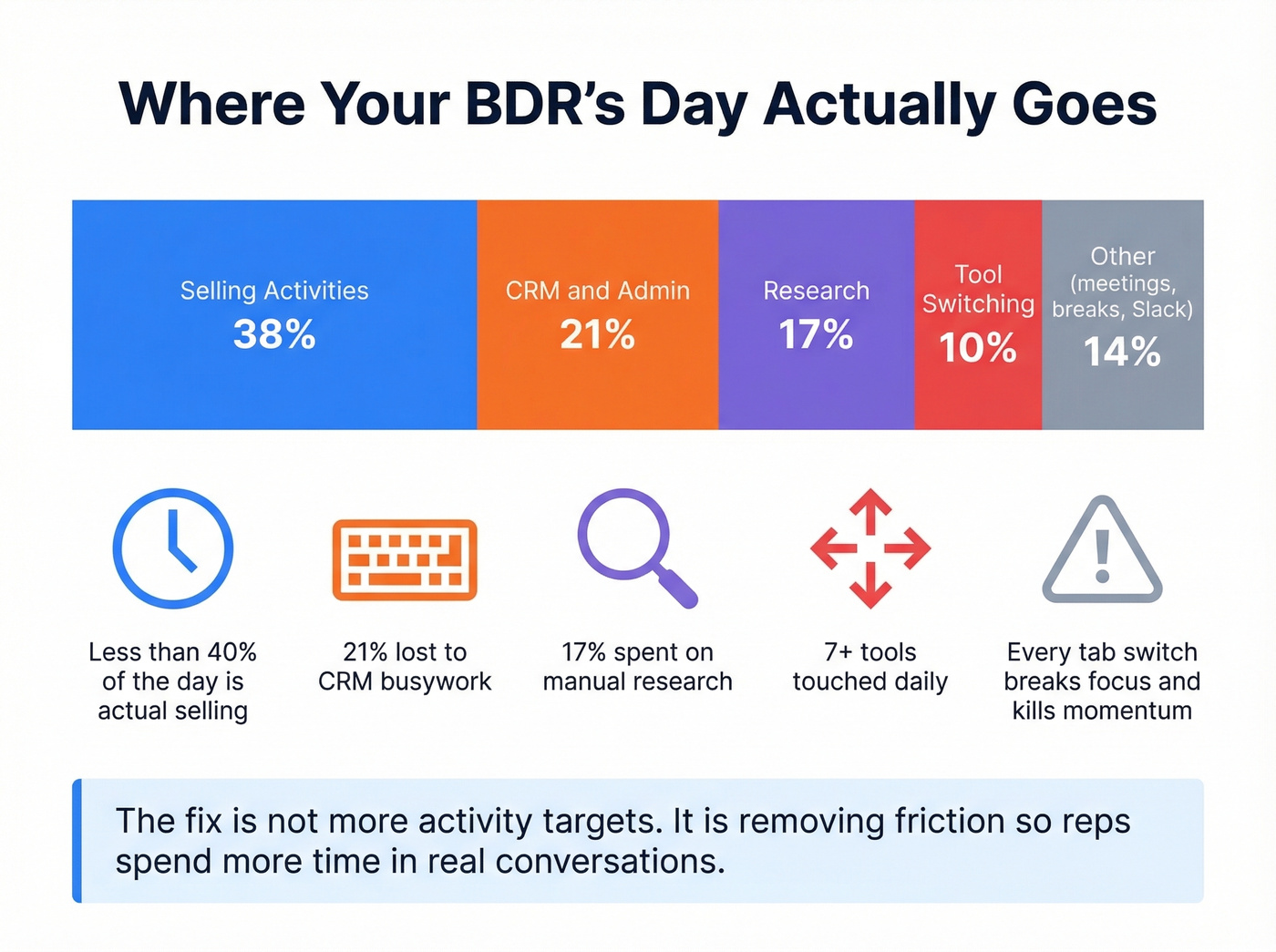
BDR productivity isn't an activity problem. It's a data quality, time allocation, and measurement problem. Reps spend less than 40% of their day on revenue-generating activities, with 21% eaten by CRM and admin work, another 17% on research, and roughly 10% lost to switching between tools. Meanwhile, 47% of sales development leaders say they can't hire or retain enough talent. The pipeline-is-down-but-reps-are-busier-than-ever paradox is real, and it's everywhere.
Before You Redesign Anything
Run three diagnostics first.
Check connect rates. Below 5% means your data is the problem, not your reps' effort. Run a sample batch to see how many emails bounce and how many dials reach a human.
Audit time allocation. Have each rep log one week honestly. If selling time is under 35%, your process needs surgery. Time management is the single fastest lever most teams ignore.
Review cadence design. Single-channel outreach underperforms multi-touch cadences by 2-3x. If your reps are running 7-day email-only sequences, that's your answer.
Fix data first, process second, coaching third.
2026 BDR Activity Benchmarks
Let's put hard numbers on what "good" looks like. The activity and conversion benchmarks below are compiled from outbound data, with broader operational context consistent with the 6sense BDR benchmark survey and compilations like Gradient Works.
| Metric | Top Quartile | Median | Bottom Quartile |
|---|---|---|---|
| Calls/day | 70-80 | 50-60 | 30-40 |
| Cold emails/day | 45-55 | 30-40 | 15-25 |
| Social touches/day | 25-35 | 15-20 | 5-10 |
| Total activities/day | 140-170 | 95-120 | 50-75 |
Activity volume alone tells you almost nothing.
| Channel | Conversion to Meeting |
|---|---|
| Cold call | 2.0-3.5% |
| Cold email | 0.8-2.0% |
| Social DM | 2.0-4.5% |
| Multi-touch cadence | 4.0-7.0% |
Multi-touch cadences convert at 2-3x the rate of any single channel. That's the difference between a rep booking 5 meetings a month and 12. A healthy connect rate sits at 8-12%. Below 5% is a data problem, full stop.
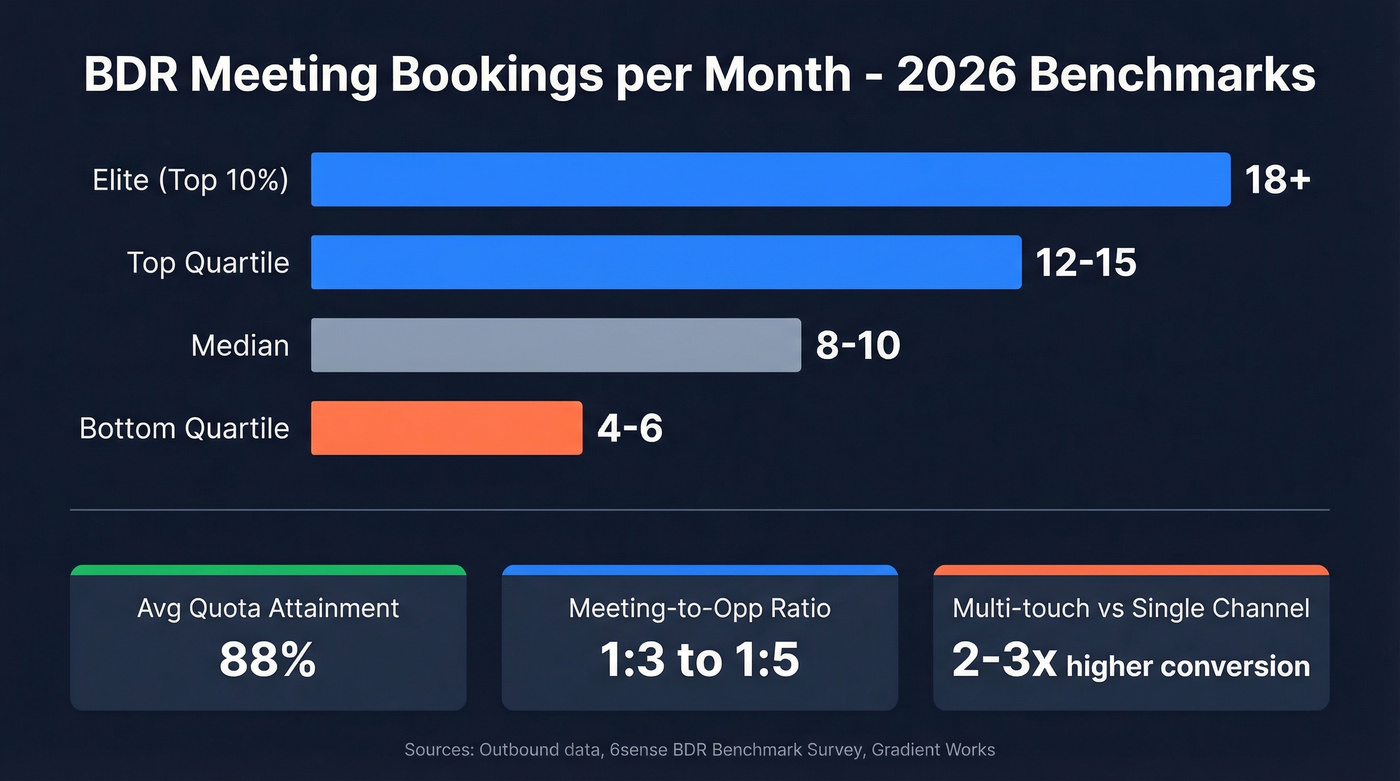
Bottom quartile BDRs book 4-6 meetings per month, median hits 8-10, top quartile lands at 12-15, and elite reps in the top 10% book 18+. Average quota attainment across the industry sits at 88%, which sounds healthy until you realize that's propped up by top performers masking a long tail of underperformers. Meeting-to-opportunity ratio should land between 1:3 and 1:5, and 74% of BDR orgs hand off sales-ready prospects as formal Opportunities.
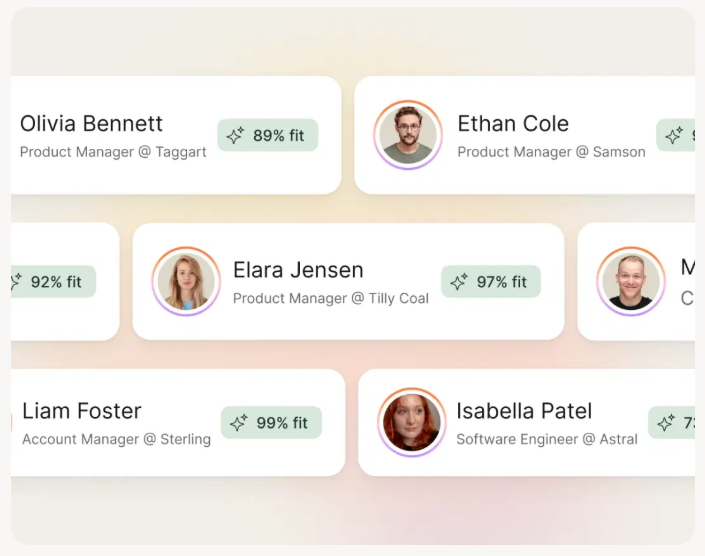

Bad data is the #1 BDR productivity killer. Prospeo's 98% email accuracy, 125M+ verified mobiles with 30% pickup rates, and 7-day data refresh cycle mean your reps start every touchpoint with contacts that actually connect. Snyk dropped bounce rates from 35-40% to under 5% and grew AE-sourced pipeline 180%.
Stop wasting dials on dead numbers. Start every rep's day with data that works.
Five Killers of Rep Output
1. Bad Data and Low Connect Rates
If your BDRs are making 80 calls a day and booking four meetings a month, the problem isn't effort - it's that your contact data is stale. Roughly 30-40% of B2B contact data goes stale within a year. Bad emails destroy your domain reputation. Bad phone numbers waste dials and crush morale.
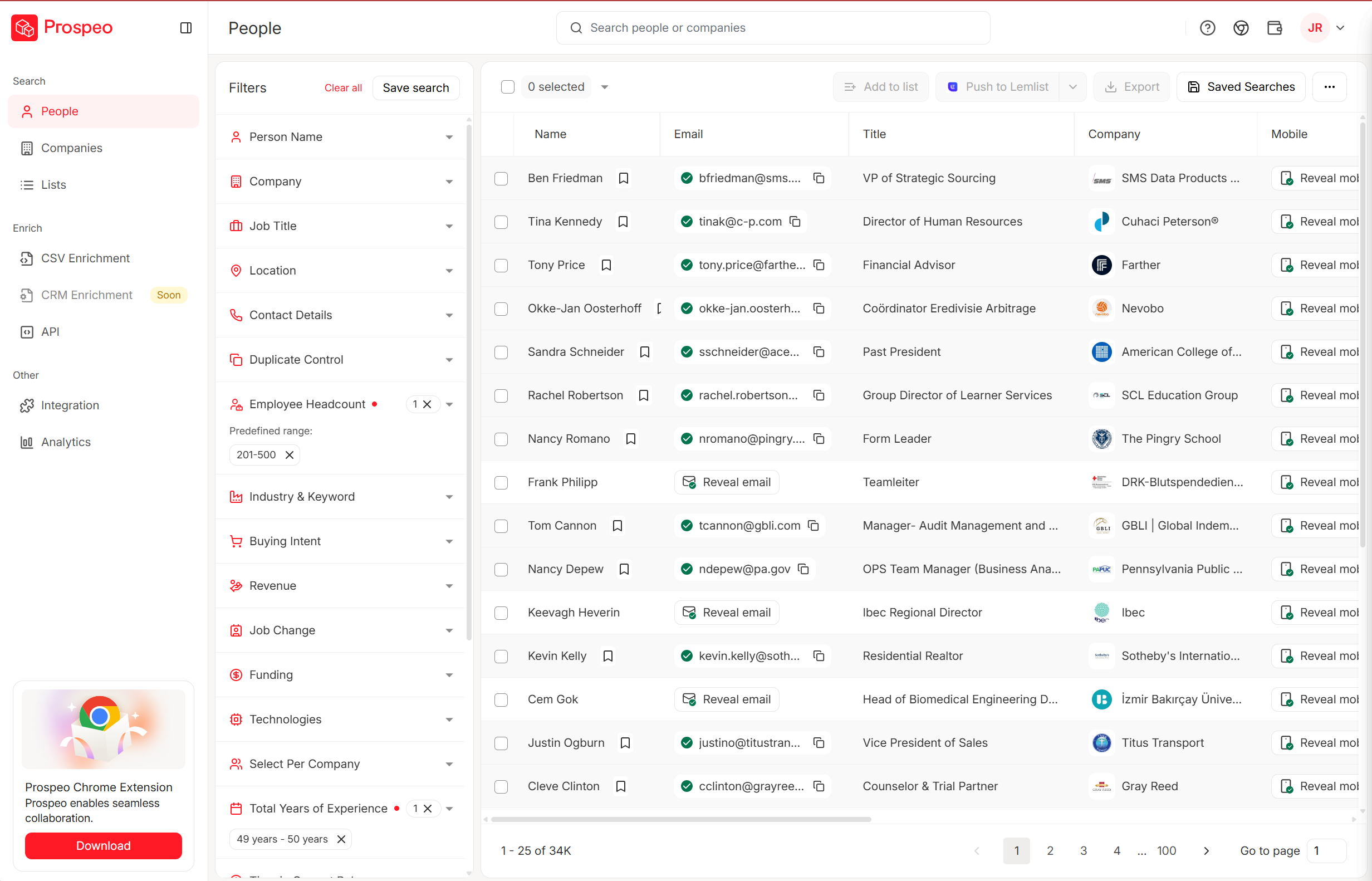
We've seen this firsthand with teams that switched to Prospeo. With 98% email accuracy, 125M+ verified mobile numbers delivering a 30% pickup rate, and a 7-day data refresh cycle, reps start every dial and every send with data that actually works. GreyScout cut BDR ramp time from 8-10 weeks to 4 weeks after switching. Snyk dropped bounce rates from 35-40% to under 5% and saw AE-sourced pipeline jump 180%.
If you want a deeper breakdown of what to fix first, start with data quality and email bounce rate benchmarks.
2. Tool Sprawl
The average BDR touches seven-plus tools daily. That's roughly 10% of the day lost to context-switching alone, and every tab switch is a micro-interruption that breaks flow. When reps are juggling CRM updates, sequencer dashboards, intent signals, notifications, and Slack messages simultaneously, the cognitive load tanks their ability to have quality conversations.
Consolidate where you can. Make sure your data provider pushes directly into your sequencer without manual exports. If you're evaluating platforms, compare your stack against modern SDR tools and BDR software.
3. No Intent Signals
Buyers don't engage with sellers until 69% through their buying journey. If you're not layering intent data to identify which accounts are actively researching your category, your reps are cold-calling people who aren't even in-market yet. Spraying 200 accounts with the same generic message is 2019-era outbound.
This is where identifying buying signals and intent based segmentation make the biggest difference.
4. Slow Ramp and No Structured Onboarding
Average SDR ramp runs about 3.1 months, and SaaS ramp-up time is cited at 5.7 months. SDR tenure averages just 6-23 months, which means a slow ramp eats a disproportionate chunk of a rep's productive window. Structured onboarding makes reps productive 37% faster. Without it, you're paying full comp for months of sub-quota output.
If you're rebuilding onboarding, a simple 30-60-90 day plan helps standardize expectations and coaching.
5. Activity Theater
Here's the thing: we've seen this pattern on every team we've worked with. Managers set daily call targets, reps hit the number, and nobody asks whether those calls generated a single conversation. In a Foundry survey of 304 sales development respondents, 40% cited not having the right technology as a top obstacle. Measuring calls per day without conversion context is vanity metrics culture. Track connect rate, meetings booked, and meeting-to-opportunity ratio instead.
To make this measurable, align your KPIs with sales operations metrics and pipeline health.
How AI Actually Helps
60% of BDRs now use AI tools, with email writing as the top use case at 62.5% adoption. 62% say AI makes their role more productive - that number climbs to 70% among active users.
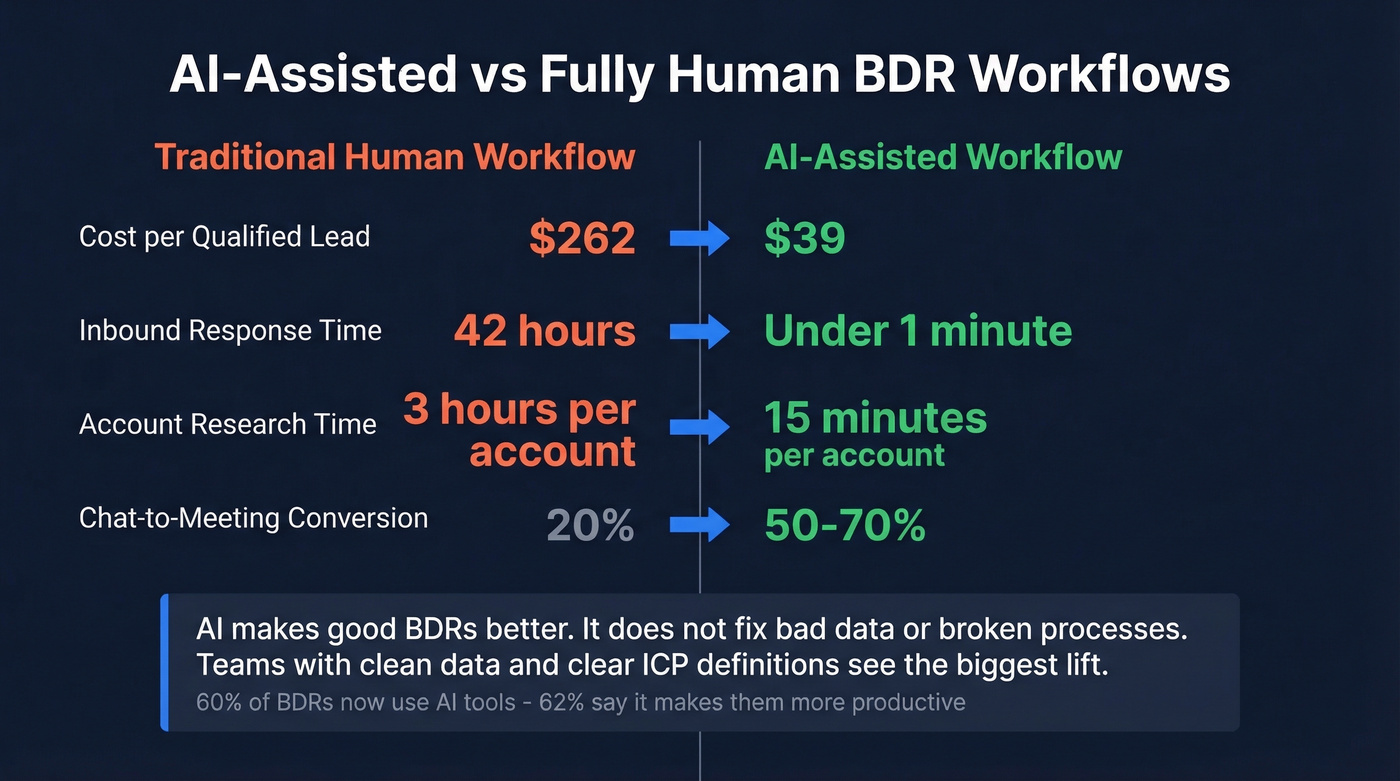
The real gains aren't in writing emails faster. They're in account prep and lead routing. Analytic Partners reduced per-account research time from 3 hours to 15 minutes using automated research workflows, driving 40% pipeline growth. Greenhouse used AI agents for inbound lead engagement and saw chat-to-meeting conversion jump from 20% to 50-70%. The cost difference is stark: cost per qualified lead runs about $39 with AI versus $262 with a fully human workflow.
Speed-to-lead is where AI delivers outsized impact. The average response time to an inbound lead is 42 hours. AI can respond in under a minute. Responding within 5 minutes increases conversion by around 400%. That gap alone justifies an AI layer on your inbound motion.
Here's my honest take: AI makes good BDRs better. It doesn't fix bad data or broken processes. If your contact list bounces at 25%, an AI-written email still lands in nobody's inbox. In our experience, the teams that see the biggest AI lift are the ones that already have clean data and clear ICP definitions. The best tools reduce manual work so reps can spend more time in actual conversations - not replace the conversations themselves.
If you're building an AI-assisted outbound motion, start with AI cold email outreach and AI sales follow-up.
The Support Gap
Supported BDRs hit 95% of quota. Unsupported BDRs hit 80%. This pattern has held for four consecutive years in 6sense's benchmark data.
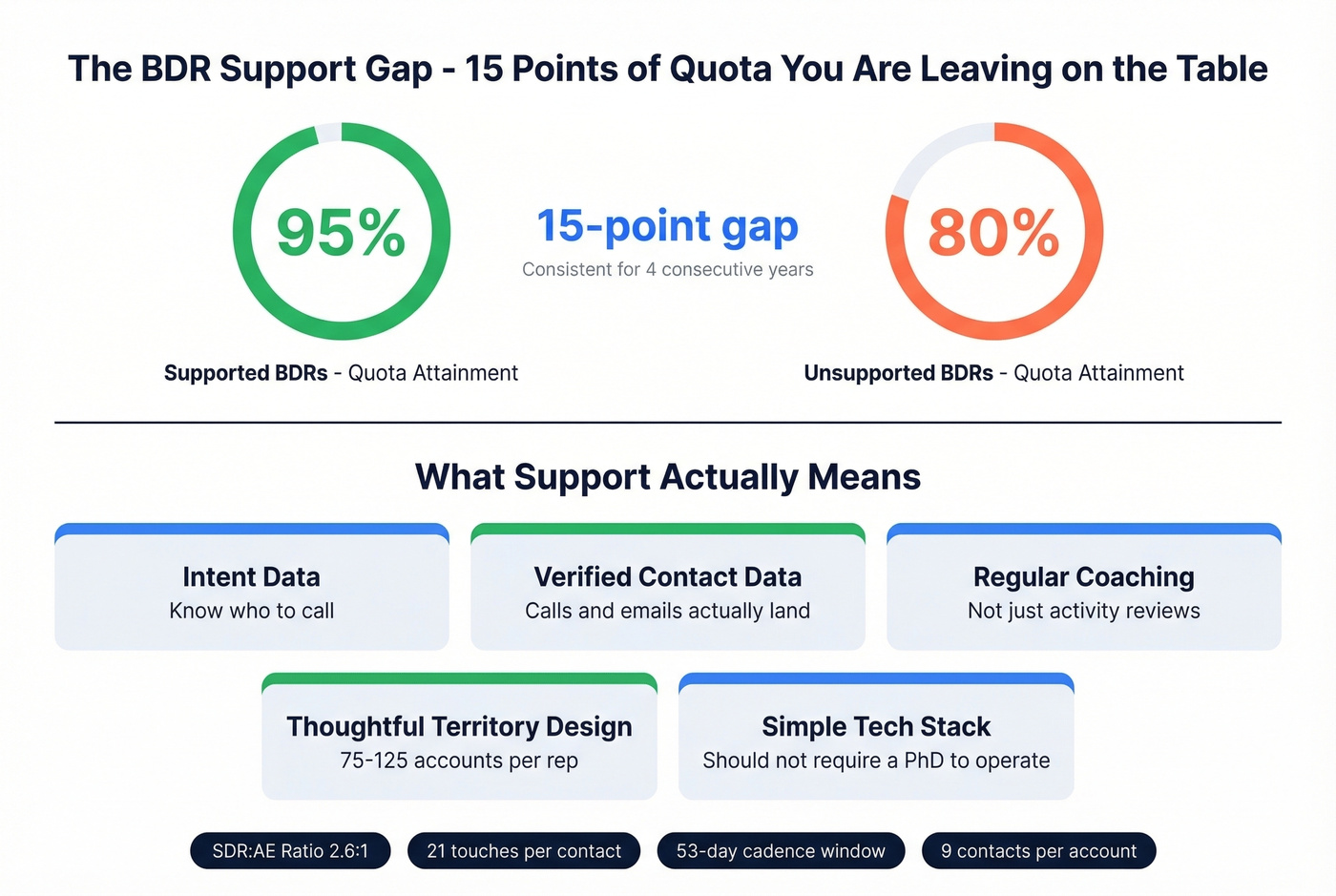
That 15-point gap is enormous when compounded across a team.
"Support" means something specific: intent data so reps know who to call, verified contact data so calls and emails actually land, regular coaching, thoughtful territory design, and a tech stack that doesn't require a PhD to operate. Whether the function lives under Sales or RevOps matters less than whether someone owns the operational infrastructure. Improving team efficiency isn't about squeezing more dials out of each rep - it's about removing the friction that prevents good reps from doing their best work.
The operational benchmarks that support this:
- SDR:AE ratio of about 2.6:1
- 75-125 accounts per rep
- Cadences running 21 attempts per contact over 53 days, 1-2 messages per week
- Multithreading to roughly half the buying group - about 9 contacts per account
There's an r/FPandA thread where a team is building a model to provide visibility into rep-level output metrics. That's the direction this is going: leadership wants cost-per-meeting and pipeline ROI per BDR, not just activity counts. If your leadership team is asking for those numbers and you can't produce them, that's a support gap too.
Verify your list before loading it into your sequencer. At $0.01 per lead, running your contacts through Prospeo's email verification is the cheapest insurance in your stack.
If you're tightening your outbound engine end-to-end, map your lead generation workflow before you add more headcount.
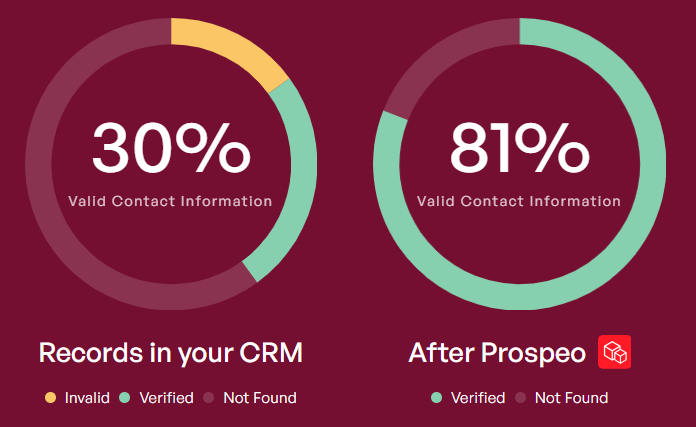
Tool sprawl eats 10% of your BDRs' day. Prospeo consolidates verified emails, direct dials, intent data across 15,000 topics, and CRM enrichment into one platform - pushing directly into HubSpot, Salesforce, Smartlead, and Instantly. GreyScout cut BDR ramp time in half after switching.
Give your reps one tool instead of seven. Pipeline follows.
FAQ
How many calls should a BDR make per day?
Top quartile BDRs make 70-80 calls per day; median sits at 50-60. Raw call volume matters far less than connect rate - a rep making 50 calls at a 10% connect rate books more meetings than one making 80 calls at 3%. Prioritize data quality over dial count.
What's a good meeting booking rate?
Median BDRs book 8-10 meetings per month. Top quartile hits 12-15, and elite reps consistently book 18 or more. Track meeting-to-opportunity ratio alongside volume - target 1:3 to 1:5 to ensure quality keeps pace.
How long should BDR ramp take?
A practical formula: your average sales cycle length plus 90 days. SMB ramp runs 1-3 months, mid-market 4-6, enterprise 9-12. Structured onboarding with verified data and clear playbooks cuts that timeline by about 37%.
What's the single biggest driver of BDR productivity?
Data quality. Every downstream metric - connect rate, meetings booked, pipeline generated - depends on whether reps reach real people at accurate contact info. Clean, fresh data eliminates the stale-data problem that silently kills most teams' numbers.
How do top BDRs manage their time?
The highest-performing reps batch calls into two- to three-hour power blocks, handle email sequences in a separate window, and reserve admin work for end of day. Protecting selling hours instead of reacting to every Slack ping is what separates median from top-quartile output.