

Email Campaign Best Practices: The Practitioner's Playbook for 2026
You've read a dozen articles on email campaign best practices that all say "personalize your subject lines" and "segment your list." Helpful in theory, useless in practice - because they never tell you what to prioritize when you can't do everything at once. Here's the thing: the difference between a 2% bounce rate and a 12% bounce rate isn't some advanced tactic buried at the bottom. It's whether you nailed five fundamentals before you hit send.
The Hierarchy That Actually Matters
If you're short on time, here's the priority order:
- Authenticate your domain. SPF, DKIM, DMARC - non-negotiable for bulk senders in 2026. (If you need a deeper technical breakdown, start with DMARC and SPF.)
- Clean your list. Sunset anyone who hasn't opened or clicked in six months.
- Verify every contact. Run addresses through a verification tool before they touch your sequences. One bad batch tanks your sender reputation for weeks. (More on email bounce rate and spam trap removal.)
- Segment ruthlessly. Smaller, targeted sends beat large blasts every time. (See intent based segmentation.)
- Measure what matters. Click-to-open rate and conversions, not vanity open rates. (Use a consistent click rate formula.)
Everything else in this article builds on these five.
Gmail and Yahoo Rules You Can't Ignore
Google and Yahoo rolled out strict sender requirements in 2024, and enforcement has only tightened since. If you're sending more than 5,000 messages per day, these aren't suggestions - they're table stakes.
Authentication is mandatory. SPF, DKIM, and DMARC must be configured at the domain level. Not "we'll get to it." If your DNS records aren't right, your emails don't reach the inbox.
Spam complaint rate cap: 0.3%. That's the hard ceiling. Gmail recommends staying below 0.10%. Exceed it consistently and you'll see throttling, then bulk filtering, then blocklisting. Monitor this in Google Postmaster Tools - it's free and takes ten minutes to set up.
One-click unsubscribe is required. Via List-Unsubscribe header and RFC 8058. Opt-out requests must be processed within two days. And that unsubscribe link needs to be visible, not buried in 8pt gray text at the bottom.
The uncomfortable reality: 70% of emails show at least one spam-related issue according to Litmus analysis. Most senders think they're compliant. Most aren't.
Data Quality - The Upstream Problem
Most deliverability problems aren't caused by bad subject lines or aggressive sending frequency. They're caused by bad data.
Invalid email addresses trigger hard bounces, ISPs flag your domain, legitimate emails land in spam, and your entire outbound program stalls. We've seen it happen to teams with great copy and solid offers - all undone by a list they never bothered to verify. Aim for under 2% bounce rate. Above 5% is a red flag. Above 10% means you're actively damaging your sender reputation with every send.
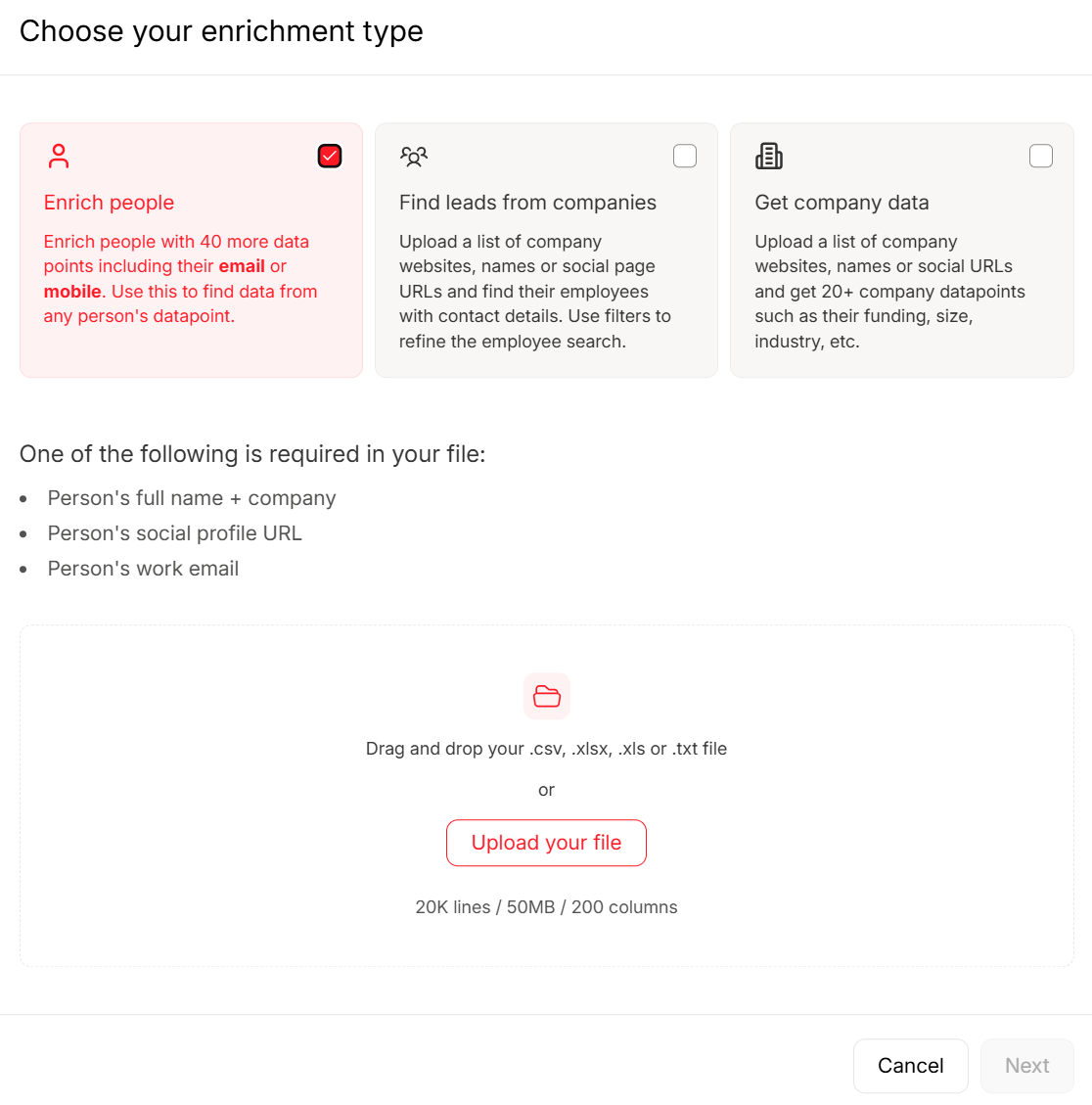
This is where verification matters more than any copywriting trick. Prospeo runs every address through a 5-step process - syntax check, domain validation, mailbox ping, catch-all handling, and spam-trap removal - delivering 98% email accuracy with data refreshed on a 7-day cycle. Real production results back this up: one agency saw bounce rates drop from 35-40% to under 5%, and they've maintained 94%+ deliverability across all clients since switching.
Bad data can undo months of domain warming in a single campaign. Verify first, send second. (If you're troubleshooting deliverability end-to-end, use this email deliverability guide.)

Personalized subject lines only work when they reach real inboxes. Prospeo's 5-step verification - including catch-all handling and spam-trap removal - delivers 98% email accuracy on a 7-day refresh cycle. One agency went from 35% bounce rates to under 3% overnight.
Nail every best practice above, then make sure the address is real.
Email Benchmarks - What "Good" Looks Like
Benchmarks are useful, but only if you understand what's inflating them.
| Metric | Mailchimp (Dec 2023) | HubSpot (2025 Report) |
|---|---|---|
| Open Rate (All) | 35.63% | 42.35% |
| CTR (All) | 2.62% | 2.3% |
| CTOR (All) | - | 5.3% |
| Bounce (All) | - | 2.48% |
| Unsub (All) | 0.22% | 0.22% |
A few industry-specific numbers from Mailchimp's data:
| Industry | Open Rate | CTR | Unsub |
|---|---|---|---|
| Business/Finance | 31.35% | 2.78% | 0.15% |
| Ecommerce | 29.81% | 1.74% | 0.19% |
| Education | 35.64% | 3.02% | 0.18% |
| Nonprofits | 40.04% | 3.27% | 0.18% |
Now, the elephant in the room: Apple Mail Privacy Protection. A study of 80,000+ email marketing accounts found open rates jumped 18 points after MPP launched, and Apple Mail represents roughly 46% of email clients. For context, Campaign Monitor's pre-MPP baseline showed an average open rate of just 21.5%. That gap is driven almost entirely by privacy prefetching, not actual human engagement.
Open rates are a vanity metric in 2026. Prioritize CTOR (aim for 5%+), conversion rate, and revenue per email. Those numbers can't be faked by a privacy proxy. (If you need a reality check on opens, see what is a good email open rate.)
Subject Lines - 6 Seconds to Win or Lose
47% of recipients decide to open based on the subject line alone. Even worse: 69% mark emails as spam based on the subject line without ever opening them. You get one shot.
Keep it to 6-10 words. In a self-reported analysis of 2,500+ subject lines on r/DigitalMarketing, that range performed best overall.
Personalize - but almost nobody does. Personalized subject lines deliver 50% higher open rates, yet only 2% of emails include them. Even adding a first name bumps open rates from 15.7% to 18.3%. This is the lowest-effort, highest-impact lever most teams ignore, and it's frankly baffling that so few bother. (If you want swipeable ideas, use these email subject line examples.)
Avoid "Newsletter." That single word drops open rates by 18.7%.
One emoji max. More than one reads as spam. Zero is fine for B2B.
Don't forget preview text. Most senders leave it as the default "View this email in your browser" string. Write preview text that complements your subject line - treat it as a second headline, because on mobile that's exactly what it is. (More on email preview text A/B testing.)
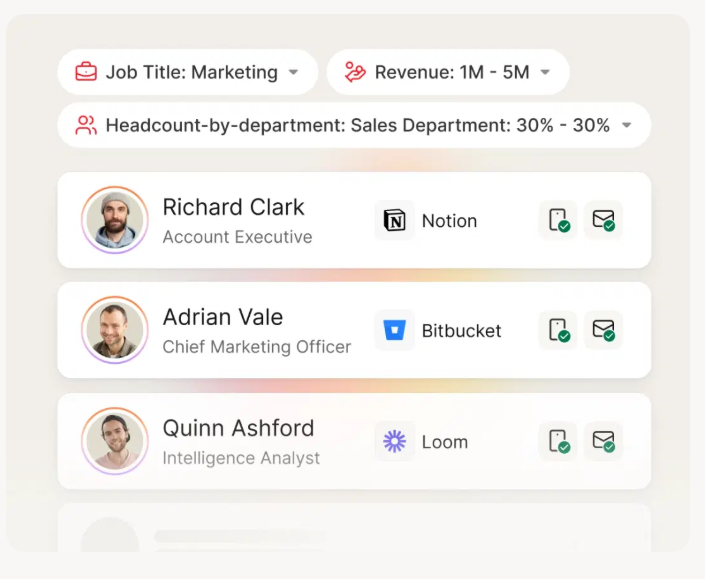
Micro-segmentation to 20-50 people only works if those 50 contacts are verified and current. Prospeo's 30+ filters - buyer intent, job changes, technographics, headcount growth - let you build hyper-targeted segments with data refreshed every 7 days, not every 6 weeks.
Build sniper-targeted segments with contacts that actually convert.
Design, Copy, and the Plain-Text Debate
Mobile-first design is table stakes. If your email breaks on a phone screen, you've lost the majority of your audience before they read a word. Single-column layouts, tappable CTAs, and readable font sizes (16px minimum) are the baseline.
But B2B is a different game entirely. A practitioner on r/b2bmarketing who sent just over 17 million emails in 2024 found that short, plain-text-style emails to micro-segments of 20-50 people consistently outperformed designed templates sent to thousands. Their conclusion: "Sending to 50 people three times with tailored variations beats one mass blast to 5,000."
This doesn't mean design is dead. B2C brands selling visually - fashion, food, travel - still benefit from polished templates. But for B2B, the "sniper approach" is winning: one clear CTA, conversational tone, no header images or branded footers that scream "marketing email." The goal is to land in the primary inbox and feel like it was written by a person, not a platform.
Let's be honest: if your deal sizes are under five figures, you almost certainly don't need a beautifully designed email template. You need a well-written three-paragraph email sent to the right 50 people. Teams obsess over email design when the real problem is relevance. (If you're tightening the writing itself, see email copywriting.)
Segmentation Beyond First-Name Tokens
Dropping someone's first name into a subject line isn't personalization. It's a mail merge.
Real segmentation means dividing your audience by behavior, not just demographics. The segments that move results: engagement level (active vs. dormant), purchase or conversion history, lifecycle stage (new lead vs. active customer vs. churned), and content interaction patterns. A prospect who downloaded your pricing PDF last week needs a different email than someone who hasn't opened anything in three months. Automation that serves irrelevant "personalized" recommendations is worse than no automation at all - it trains people to ignore you.
Micro-segmentation sounds labor-intensive. It is. But the consensus on Reddit and in our own testing is that it dramatically outperforms broad sends. Reply rates and conversion rates scale non-linearly with relevance, which means the extra work compounds over time rather than just adding linear returns.
One underused tactic: seasonal preference management. Add an opt-in checkbox for holiday or event-specific emails in your preference center. It reduces unsubscribes during high-volume periods and signals to ISPs that your recipients actually want your messages.
Build a sunset policy. If someone hasn't opened or clicked in six months, move them to a re-engagement sequence. If they still don't respond, remove them. Keeping dead weight on your list actively hurts your sender reputation - ISPs notice when a large percentage of your recipients never engage. Skip this step if you want, but don't be surprised when your inbox placement craters. (If you're trying to recover, start with how to improve sender reputation.)
AI in Email - What Works Now
What works: Send-time optimization based on individual engagement history, lead scoring that surfaces high-intent contacts, and AI-assisted subject line testing. One marketer reported 10x improvement in A/B testing velocity by using AI to generate and iterate variants - not to write final copy, but to produce starting points that humans then refined. (Related: AI for sales emails.)
What to watch: Customers are getting better at spotting generic AI-generated content. The "SpamGPT" problem is real - bad actors use AI to rotate sending infrastructure and automate phishing at scale, which means ISPs are tightening filters for everyone. On the regulatory front, the EU AI Act is live and US regulation momentum is building. Update your privacy policy with AI-specific language and offer opt-out options in your preference centers.
Pre-Send Checklist
Copy this. Use it every time.
- ☐ SPF/DKIM/DMARC authenticated and passing
- ☐ All email addresses verified
- ☐ Subject line under 10 words, personalized where possible
- ☐ Preview text customized (not default boilerplate)
- ☐ Single clear CTA - one action per email
- ☐ Mobile rendering tested on at least two devices
- ☐ Unsubscribe link visible and functional
- ☐ Physical postal address included (CAN-SPAM requirement)
- ☐ Reply-to set to a real, monitored address - no-reply mailboxes signal "we don't want to hear from you"
- ☐ Spam score checked via Mail Tester or similar (If you're diagnosing issues, use an email spam checker.)
- ☐ All links tested and tracking properly
Test one element at a time when A/B testing. Test with a statistically significant sample. And never send a campaign you haven't previewed on your own phone first.
When things go wrong - and they will - have a triage plan. If you send with a broken link or wrong offer, decide quickly: does this warrant a correction email, or will a follow-up naturally fix it? Over-apologizing trains your audience to expect mistakes. A brief, human "oops" email with the correct link works better than a paragraph of corporate contrition.
Compliance Essentials
CAN-SPAM applies to every commercial email, including B2B. Penalties run up to $53,088 per email in violation - and you're liable even if a third party sends on your behalf. The non-negotiables: accurate headers, non-deceptive subject lines, a valid physical address, a clear opt-out mechanism, and honoring opt-outs within 10 business days.
For international sends, GDPR and CASL often require express consent depending on message type and jurisdiction. Get consent architecture right upfront - retrofitting it later is painful and expensive.
FAQ
How often should I send campaigns?
Start at one to two emails per week and let engagement data guide frequency. Monitor unsubscribe rates and spam complaints after each increase - more sends aren't better if your audience stops responding.
What's a good open rate in 2026?
Post-MPP, open rates are inflated by Apple's privacy prefetching. A 30%+ open rate looks solid on paper, but CTOR above 5% and conversion rate are far more reliable indicators of genuine engagement.
How do I reduce my bounce rate?
Verify every email address before it enters your CRM. Prospeo's 5-step verification catches invalid addresses, spam traps, and catch-all domains before they damage your sender reputation. Aim for under 2% - anything above 5% needs immediate attention.
Does email marketing still deliver strong ROI?
Industry estimates put email ROI at roughly $36-40 per $1 spent per Litmus and DMA research, the highest of any digital channel. That return depends on clean data and smart segmentation, not send volume - blasting a dirty list costs more in reputation repair than it earns.
What's the best day and time to send?
Tuesday through Thursday mornings perform well across most benchmark studies. But your audience is unique - use A/B testing or AI send-time optimization to find your own best window rather than relying on generic advice.