End of Quarter Sales Strategies: 9 Plays That Actually Close Deals
Stop trying to close deals at the end of the quarter. Start trying to close them at the beginning.
But you're reading this because you're already in the final stretch - so here's the playbook for end of quarter sales strategies that actually work.
It's the 15th of the month. You're staring at a pipeline that's 60% of quota, your CRM is full of "commit" deals that have been in commit for six weeks, and your manager just asked for an updated forecast. That's not a forecast - that's fiction. (If you want to tighten this up long-term, start with deal forecast accuracy.)
Most quarter-end tactics boil down to "create urgency" and "ask for the close." Those approaches backfire because they prioritize your timeline over the buyer's reality. Here's what works instead.
The Three Things That Matter Most
- Triage your pipeline ruthlessly - kill zombie deals and focus 80-90% of your time on winnable ones. (More on common sales pipeline challenges that create zombie pipeline.)
- Multi-thread every commit deal - single-threaded deals are already lost. (If you need a refresher, see what is multithreading in sales.)
- Build a Mutual Action Plan with hard dates for every deal you expect to close this quarter.
That's the skeleton. Now let's put muscle on it.
Why Most Quarter-End Tactics Backfire
Here's the math nobody talks about. If your average sales cycle is 120 days, the only deals you can realistically pull forward are ones already due to close in the first two weeks of next quarter. Everything else is fantasy.
Trying to compress a 120-day cycle into 15 days doesn't create urgency - it creates distrust. B2B win rates hover around 20-21%, so gap plans that assume you'll close 80% of your remaining pipeline are built on fiction. When you push unnatural timelines on buyers, you teach them that your deadlines are seller-driven, not value-driven. The deals that do close under pressure come with steeper discounts, weaker contract terms, or both. And the deals that slip don't just move to next quarter - they slip further than they would have if you'd left them alone.
The real strategy isn't closing harder. It's closing smarter with the pipeline you actually have.
Triage Your Pipeline First
Carl Carell, CRO at GetAccept, nails this: the biggest mistake is trying to win the wrong opportunities. Spend 80-90% of your time on the right deals, not spreading yourself thin across a bloated pipeline.
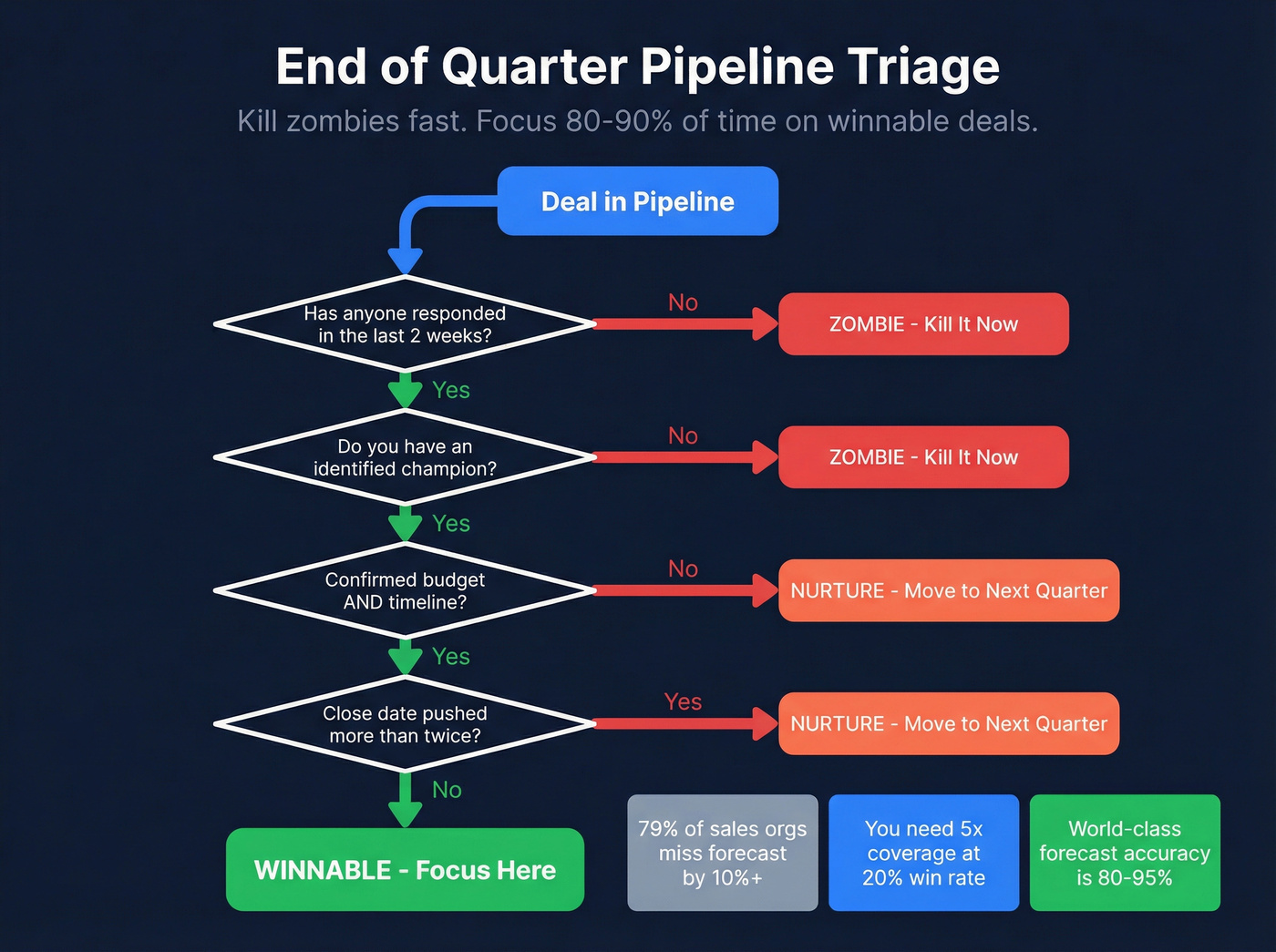
Kill zombie deals immediately. A deal is dead if no one has responded to 3+ outreach attempts over two weeks, there's no identified champion, no confirmed budget or timeline, or the close date has been pushed more than twice. We've watched teams miss badly because they triaged in week four instead of week one.
The "3x pipeline coverage" rule is lazy math. If your win rate is 20%, you need 5x coverage just to break even on quota. A team with a 50% win rate can get away with 2x. Your coverage ratio should be total qualified pipeline divided by quota, calibrated to your actual historical win rate and cycle length. For complex enterprise deals, 5-6x isn't paranoid - it's realistic.
For reference, world-class forecast accuracy is 80-95%. Average B2B teams hit 50-70%. If you're below 50%, your pipeline data is the problem, not your closing skills. 79% of sales orgs miss their forecast by more than 10%, and fewer than 50% of sales leaders have high confidence in their forecasts. Triage first, then forecast what's left. (If your CRM is messy, fix the foundation with CRM hygiene.)
Multi-Thread Every Deal or Lose It
Modern B2B buying groups include 8-13 stakeholders. If your deal is single-threaded through one champion, you're one vacation day, one reorg, or one budget freeze away from losing it entirely.
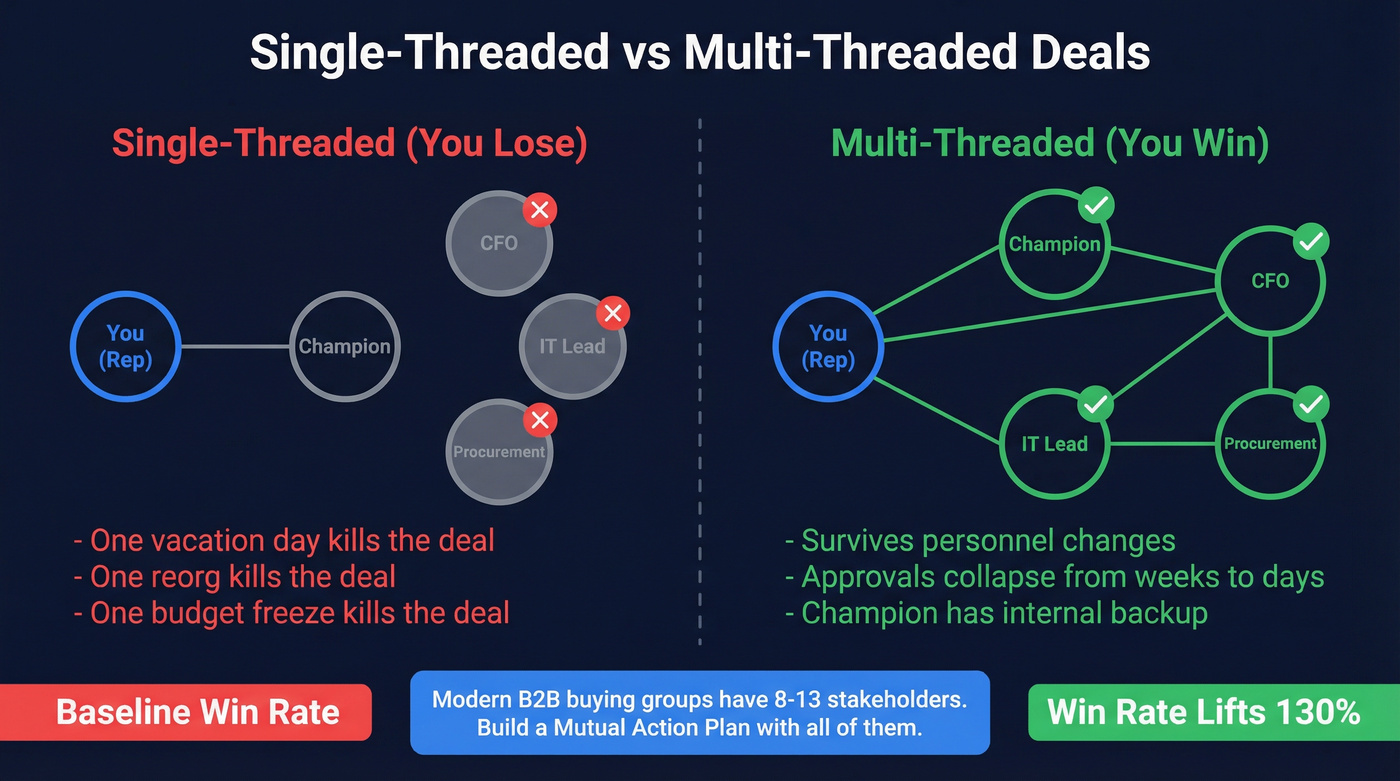
Multi-threaded deals see win rates lift by roughly 130%. That's the difference between hitting quota and missing it. With 91% of sellers struggling to maintain buyer engagement, multi-threading is how you insure against that.
Build a Mutual Action Plan for every deal you expect to close this quarter. Include milestones like demo complete, security review, legal redline, exec sign-off, and signature. Assign owners on both sides. Set target dates working backward from close. Flag known internal blockers - procurement approval, budget reallocation, whatever the holdup is. When every stakeholder is aligned on the MAP, approvals that used to take weeks collapse into days.
If you don't have C-level or VP-level engagement on a deal by the final month of the quarter, get it now. Not next week. Now.
The Discounting Trap
Discounting isn't a strategy - it's a confession you failed to build value earlier in the cycle.
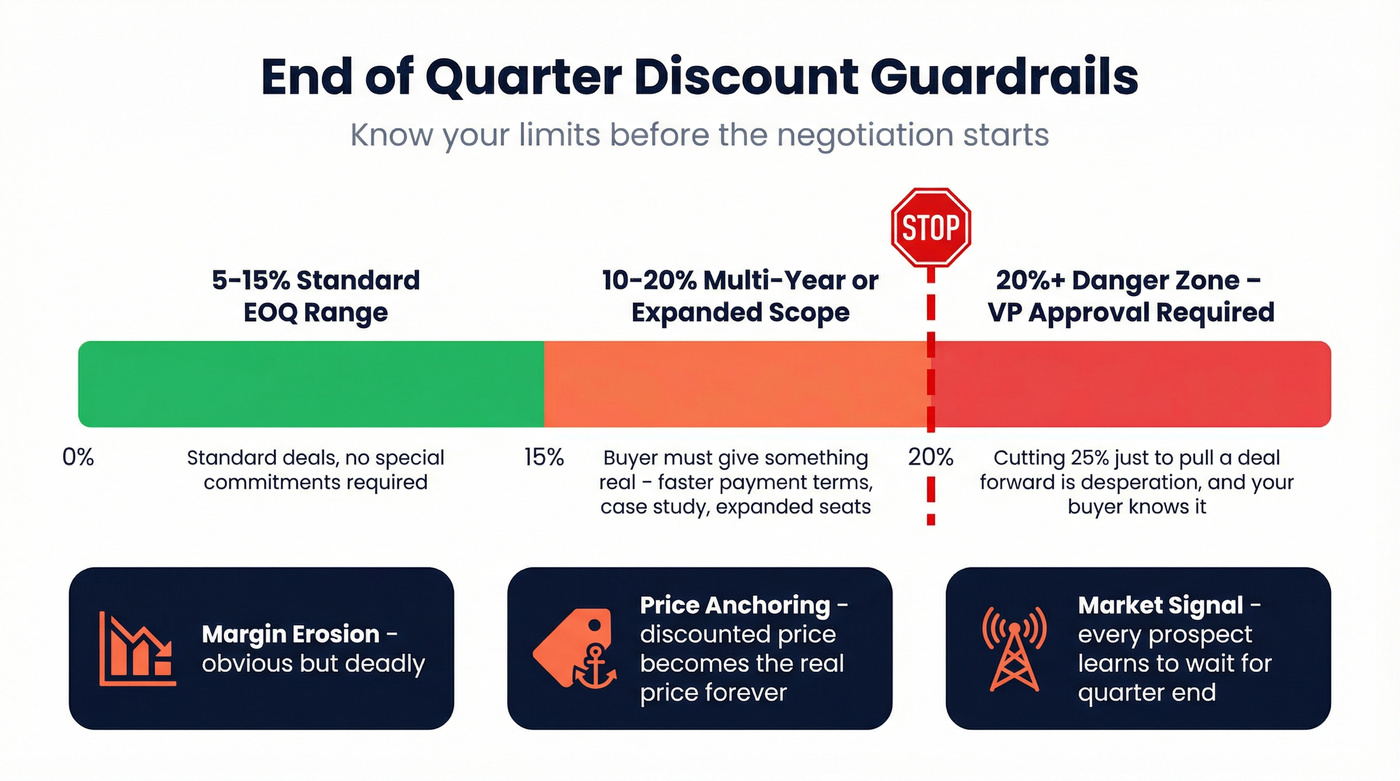
Margin erosion is the obvious risk. The subtler damage is price anchoring: once a buyer sees a discounted price, that becomes the "real" price in their mind. Rolling back to full price at renewal is nearly impossible. And if word gets around - it always does - you've trained every prospect to wait until quarter end for a better deal.
Here are guardrails that keep discounting from becoming a habit. 5-15% is the typical EOQ discount range for standard deals. 10-20% works for multi-year commitments or expanded scope, but only if the buyer gives you something real in return - faster payment terms, a case study commitment, expanded seats. Anything above 20% requires VP approval, full stop. Cutting price 25% just to pull a deal into this quarter is desperation, and your buyer knows it.

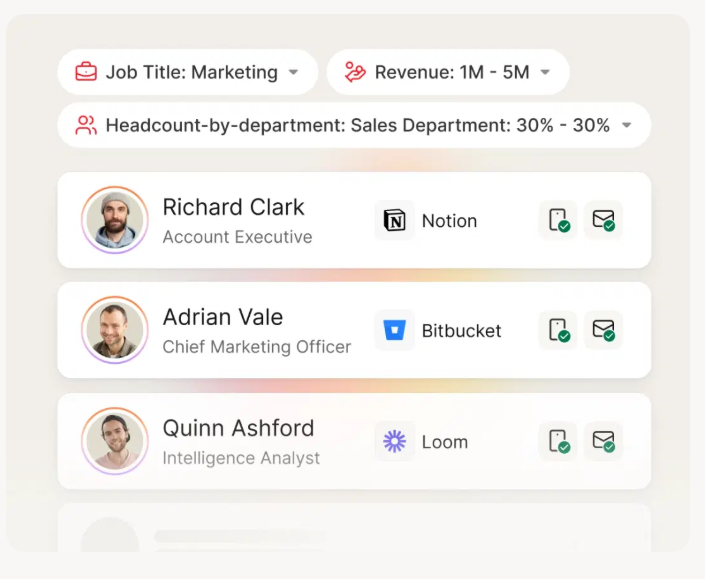
You can't multi-thread a deal if you only have one contact's email. Prospeo gives you verified emails and direct dials for 8-13 stakeholders in every buying group - 98% email accuracy, 125M+ verified mobiles, refreshed every 7 days so you're never chasing stale data at quarter end.
Stop losing commit deals to single-threaded contacts.
Create Real Urgency Without Burning Trust
Loss aversion is the most powerful lever in sales psychology - losing feels twice as painful as gaining feels good. But fake urgency, the kind with arbitrary deadlines that reset next quarter, is the fastest way to lose a deal that was going to close next month anyway. Real urgency comes from genuine constraints.
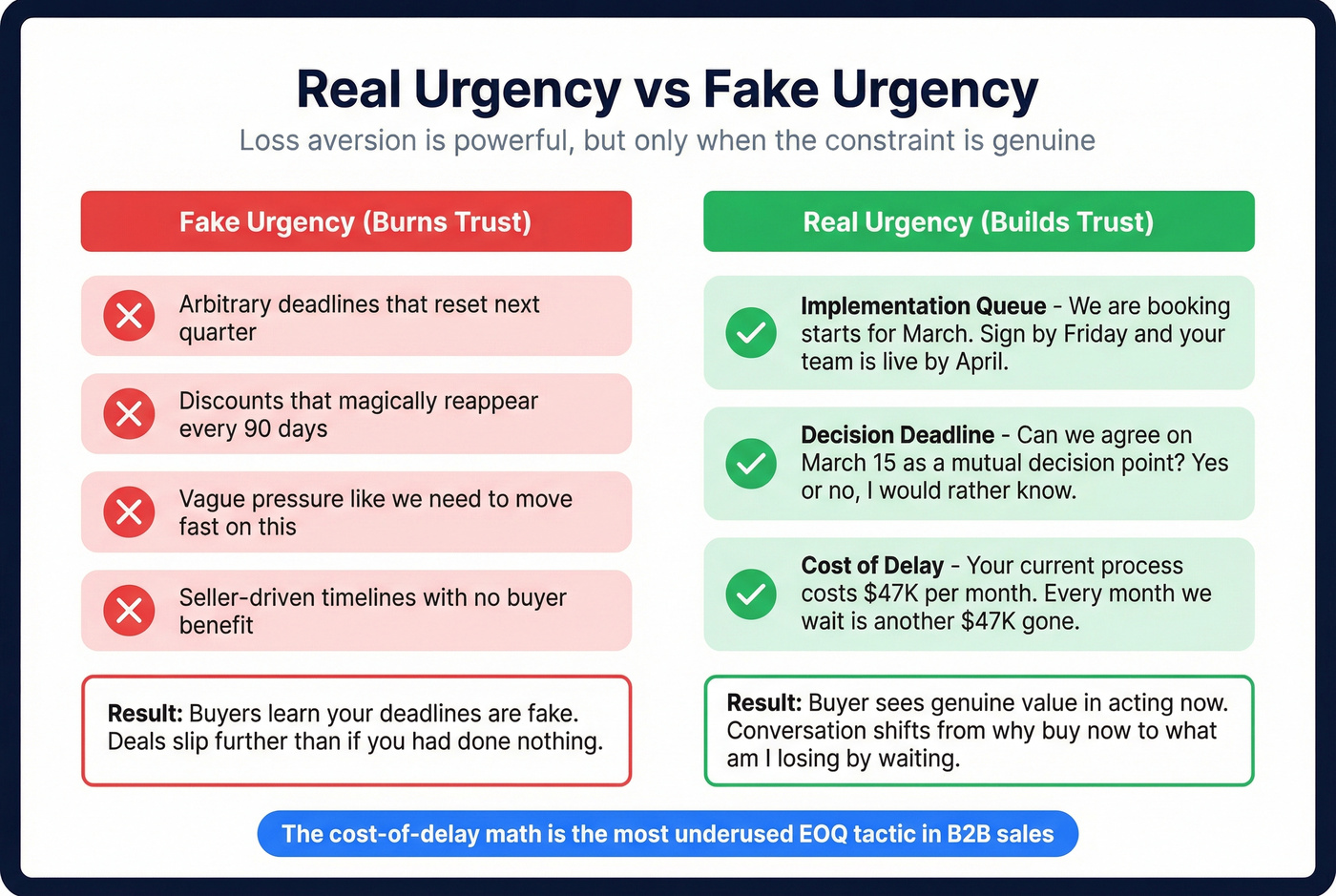
Three scripts that consistently close:
Implementation queue:
"We're booking implementation starts for [month]. If you sign by [date], your team is live by [target date]. After that, the next slot is [later date]."
Decision deadline:
"Can we agree on [date] as a mutual decision point? If it's a yes, great. If it's a no, that's fine too. I'd rather know than keep chasing."
Cost-of-delay:
"You mentioned the current process costs roughly $[X] per month in [lost productivity / manual work / missed revenue]. Every month we delay is another $[X] off the table."
The cost-of-delay math is the most underused EOQ tactic in B2B sales. It reframes the conversation from "why buy now" to "what are you losing by waiting." The consensus on r/sales backs this up - reps who quantify the cost of inaction consistently outperform those who lean on discount pressure.
Closing Scripts for the Final Stretch
These aren't magic words. They're the right words for specific moments.
Now or Never - "To hit our quarterly commitment, I've been authorized to offer [specific incentive] - but it's only available through [date]. Would that be enough to get this across the line this week?" Use when the deal is warm and you have a genuine incentive.
Sharp Angle - "If I can get [their request] included for you, are you prepared to sign today?" Works when the buyer asks for something extra. Tie it to a commitment instead of giving it away.
Scale Close - "On a scale of 1 to 10, how confident are you this is the right solution? What would it take to get you to a 10?" This surfaces hidden objections. Use it mid-conversation when you sense hesitation. (For more, borrow a few from best open-ended sales questions.)
Scarcity Close - "We're offering a 15% discount for agreements signed by end of quarter. That locks in your pricing for the full contract term." Only use this if the discount is real and won't reset next quarter. Buyers talk to each other.
Skip the "Now or Never" script entirely if you don't have a real, time-bound incentive to offer. Bluffing here destroys credibility faster than anything else you can do.
The Follow-Up Cadence That Closes
80% of sales require 5+ follow-ups, yet 48% of reps never follow up after the first attempt. That gap is where quota dies.
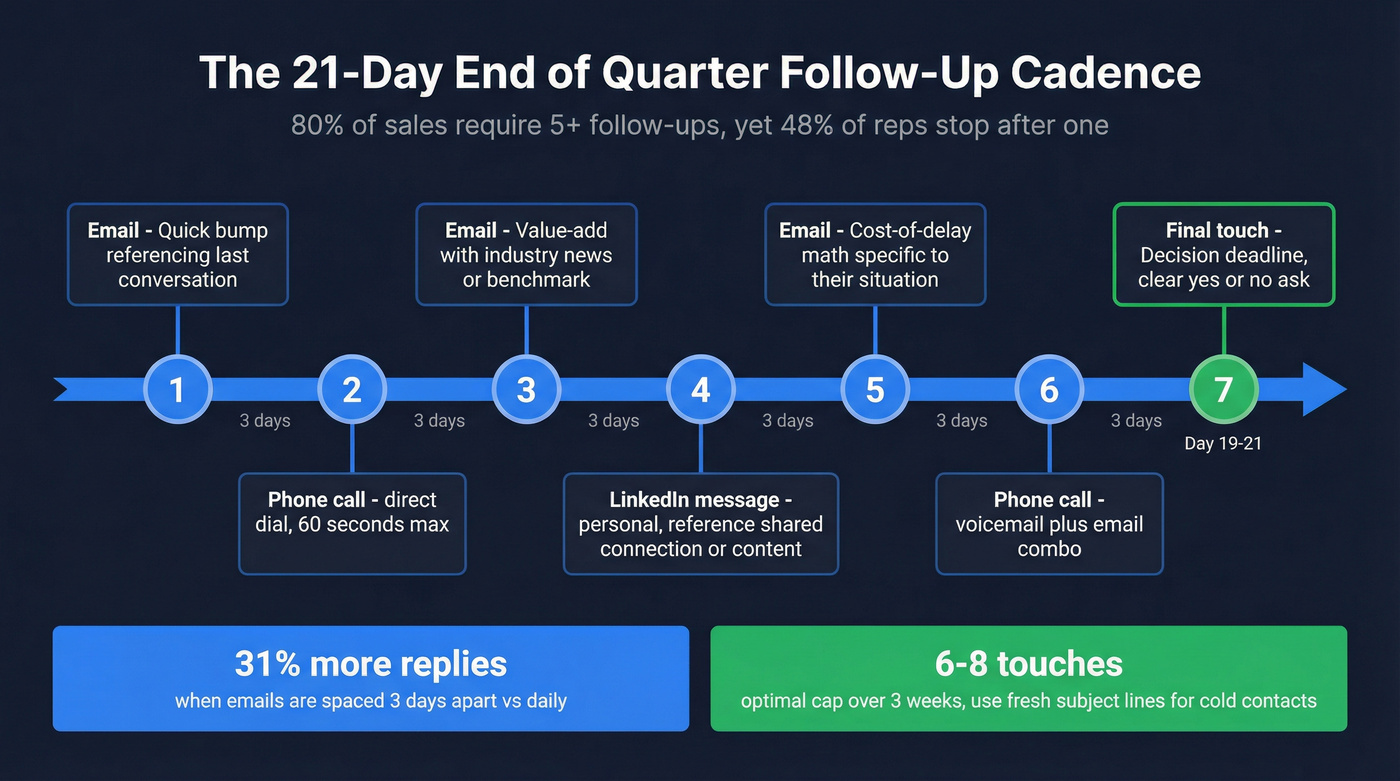
Space emails 3 days apart - this yields 31% more replies vs. daily sends. Cap at 6-8 touches over 3 weeks, and use fresh subject lines for cold contacts while threading for active conversations. (If you want more structure, use a proven sales cadence example.)
Quick bump template:
"Hi [Name], wanted to circle back on our conversation from [date]. Has anything changed regarding [specific initiative]? Happy to jump on a 10-minute call this week."
Value-add re-engagement:
"Hi [Name], saw [relevant industry news / benchmark] and thought of your team's [specific challenge]. Worth a look - happy to walk through how it connects."
Before firing off that re-engagement sequence, verify your contacts are still current. People change jobs constantly, and a 6-month-old email will bounce. Prospeo's 7-day data refresh cycle reduces the odds your most important outreach goes to a dead inbox. (This is exactly what B2B contact data decay looks like in practice.)
Fix Your Data Before the Final Push
Here's the thing: every bounced email and wrong phone number in the final two weeks of the quarter is a wasted at-bat you can't get back. We've watched reps close three deals in the final week simply because they verified their contact data before the push instead of blasting stale lists. (If you need a process, start with CRM verify.)
Prospeo delivers 98% email accuracy across 143M+ verified emails and 125M+ verified mobile numbers with a 30% pickup rate. The 7-day data refresh cycle - versus the 6-week industry average - matters at end of quarter because contacts you pulled 8 weeks ago may have changed roles or companies. Meritt saw bounce rates drop from 35% to under 4% after switching, which is the difference between sequences that generate pipeline and sequences that burn your domain reputation. The free tier gives you 75 verified emails per month plus 100 Chrome extension credits with no contract, so there's zero reason not to audit your pipeline data before the final push. (If you're comparing options, see email id validator.)

Pipeline triage only works if the contacts in your CRM are real. Prospeo's enrichment returns 50+ data points per contact at a 92% match rate - so you know which deals have live buyers and which are zombie pipeline dragging down your forecast.
Enrich your pipeline before the quarter runs out.
Mine Your CRM for Hidden Revenue
If you only do one thing after reading this, mine your closed/lost deals. Highest ROI, lowest effort. (If you want a tighter win-back motion, start with closed lost.)
Closed/lost from same quarter last year - these prospects had budget cycles that aligned with this period. Re-engage with a new value prop or a case study from their industry. Timing might finally be right.
Upsell and cross-sell existing customers - expansion revenue has lower friction than new logos. Your champion already exists, and the legal and procurement process is already established. Don't overlook accounts currently in onboarding either; there's often appetite for add-ons while customers are still in "buying mode." (Need copy? Use these upsell email examples.)
Stalled deals from this quarter - anything that went dark in weeks 4-8 deserves one more structured outreach attempt with a fresh angle.
Let's be honest: if your deal sizes are consistently under $10k, you probably don't need a complex quarter-end closing playbook at all. You need a better pipeline generation engine. The teams that scramble hardest at quarter end are the ones that under-invested in pipeline at the beginning.
"The top 10% of sellers drive 65% of all revenue." The difference isn't talent - it's discipline. They work the pipeline they have instead of wishing for the pipeline they don't.
FAQ
How much revenue typically closes in the last week of the quarter?
For many B2B organizations, 20-35% of quarterly revenue closes in the final week. That's why pipeline triage in week one matters more than heroics in week four - by the time you're scrambling, the deals that will close have already been decided.
Should I offer discounts to close deals before quarter end?
Only with guardrails. A 5-15% discount tied to a real concession - multi-year commitment, expanded scope, faster payment terms - is reasonable. Never discount just to hit a number. It anchors future pricing and trains buyers to wait for EOQ every cycle.
What's the most reliable way to close more deals before quarter ends?
Focus on deals already in motion. Triage ruthlessly, multi-thread every opportunity, and build Mutual Action Plans with hard dates. Reps who spend the first week qualifying and the last two weeks executing consistently outperform those who rely on last-minute heroics.
How do I make sure my EOQ outreach actually reaches prospects?
Verify your contact data before the final push. Bounced emails waste your most valuable selling days. Tools like Prospeo verify emails at 98% accuracy with a 7-day refresh cycle, and the free tier covers 75 emails per month - enough to audit your highest-priority deals before the clock runs out.