

Cold Call Coaching in 2026: A Practical System Managers Can Run
Cold call coaching fails for one boring reason: most teams coach the rep when the real problem's the inputs. Bad numbers, fuzzy ICP, and random call blocks turn "coaching" into therapy and script nitpicking.
This system's built for managers coaching 3-15 reps (SDRs or AEs) who run outbound blocks weekly and want results in 30 days, not "someday."
You don't need a new playbook. You need a loop.
What cold call coaching is (and isn't)
Cold call coaching gets muddy because people use it two ways:
- Coaching the cold calling skill (this article)
- "Cold call coaches" as an industry (courses, trainers, programs)
When managers say "we need coaching," they usually mean: reps are dialing, but conversations aren't turning into meetings. The temptation is to police scripts. That's the fastest way to make reps sound like robots and hate the phone.
Real coaching is a behavior change loop:
- observe a call
- score a few behaviors
- give one correction
- practice it once
- apply it in the next call block
It's not motivational speeches. It's not "just smile more." And it's definitely not "listen to 30 calls and write a novel in Slack."
Use coaching if:
- reps are getting connects but losing control in the first minute
- you hear the same objection loops every day ("send me an email" -> dead)
- performance varies wildly rep-to-rep with the same list and offer
Skip coaching (for now) if:
- your list quality's trash (wrong numbers, dead lines)
- reps aren't dialing consistently enough to create learning reps
- you can't commit to a weekly cadence (coaching once a month is vibes)
Diagnose before you coach: the 4 bottlenecks
Most teams diagnose cold calling like this: "rep didn't book meetings -> rep needs coaching." That's lazy, and it wastes weeks.
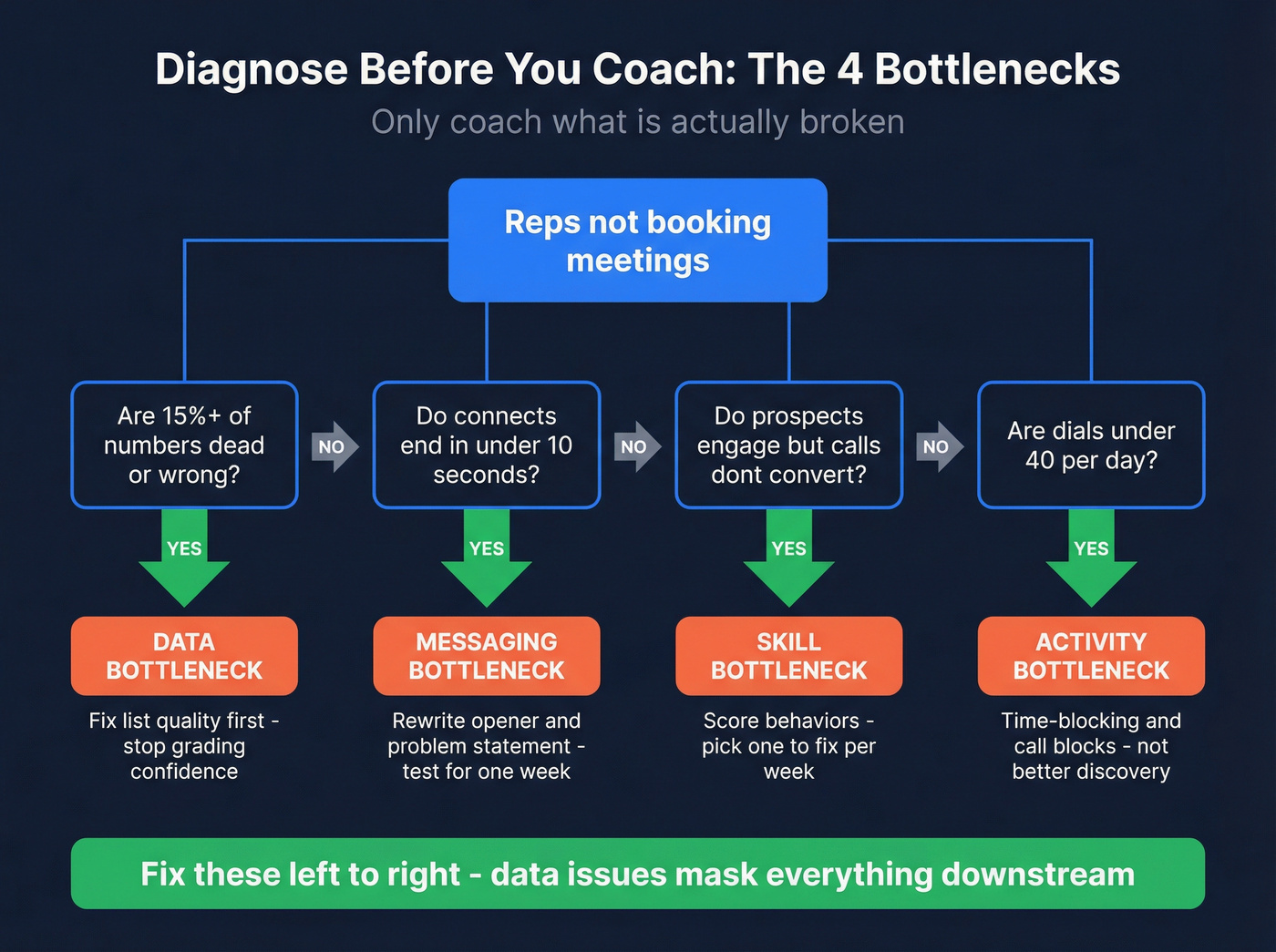
Use a simple decision tree: Data vs Messaging vs Skill vs Activity. Only coach what's actually broken. This is the core of how to coach SDRs on cold calling without turning every review into subjective "style" feedback.
A founder described a typical week as ~20% dead lines / 50% no answers / 20% not interested / 10% interested in a Reddit workflow breakdown. If your numbers rhyme with that, you've almost always got at least one Data issue and at least one Skill/Messaging issue.
Data bottleneck (inputs are poisoning the at-bats)
Symptom: dead lines + wrong numbers are high (10-25%+) What it looks like: rep dials 40 numbers, 8 are dead, 6 are wrong person. They're frustrated before they get a real swing. Coaching move: stop grading "confidence." Fix list quality first so your coaching signal isn't noise.
Messaging bottleneck (you're relevant... to nobody)
Symptom: connects happen but "not interested" dominates What it looks like: prospect answers, rep introduces themselves, prospect shuts it down in 10 seconds. Coaching move: rewrite the opener + problem statement, then test for a week on one Ideal Customer slice.
Skill bottleneck (they get time, then waste it)
Symptom: prospects engage but calls don't convert What it looks like: you get 60-120 seconds, then the rep rambles, asks 12 questions in a row, and never asks for a next step. Coaching move: score behaviors (permission opener, problem clarity, next-step ask). Pick one to fix.
Activity bottleneck (the motion isn't real)
Symptom: great rep, great talk track... 12 dials/day Coaching move: time-blocking, call blocks, and accountability. Not "better discovery."
One more bottleneck managers underweight: call reluctance. It shows up as "busywork" right before call blocks (CRM cleanup, list tweaking forever, endless research). Treat it like a skill: smaller blocks, tighter lists, and immediate reps.
Here's the thing: if you don't fix data, you'll misdiagnose everything else.
Fix inputs first: list quality is the hidden coaching variable
Dead lines and wrong numbers create fake "rep skill" problems.
I've watched teams run "coaching sprints" where managers swear the reps are the issue... and then you audit the list and realize 15-20% of numbers are junk. That isn't a coaching problem. That's a data problem wearing a coaching costume, and it drives me nuts because it wastes everyone's time and makes good reps feel broken.
List-quality checklist (what "good inputs" look like)
- You're dialing direct lines or verified mobiles, not generic switchboards
- You're calling a tight ICP slice (same role + same trigger) for the next block
- You've got enough volume for learning (200 dials per rep per week is a solid target)
- You're not mixing 6 industries and 9 personas in the same hour
Symptom -> cause -> fix (use this before you coach)
| Symptom | Likely cause | Fix |
|---|---|---|
| 15-25% dead lines | stale data | refresh + verify |
| "Wrong person" a lot | bad titles/roles | tighten filters |
| Low connect rate | landlines only | add verified mobiles |
| Reps hate dialing | too many bad at-bats | clean list + smaller blocks |
| "Not interested" fast | weak relevance | new opener + ICP slice |
The practical workflow (fast)
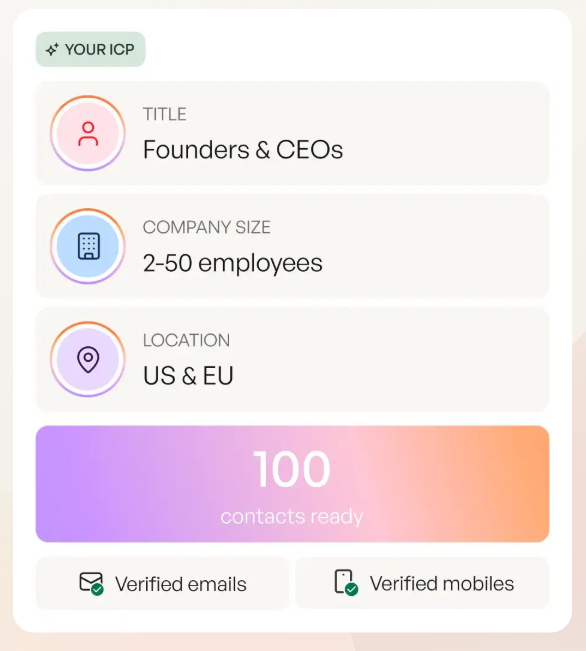
Build a verified list for the next 200 dials (per rep), and keep it consistent for a week so coaching changes are attributable. That's also the fastest path to improving team connect rates, because you can finally separate "nobody answers" from "we're losing the first 20 seconds," and you can stop arguing about whether the rep "sounds confident" when the real issue is that half the list is a graveyard of dead lines.
Prospeo (the publisher's product) is a practical way to do the "inputs first" move without turning it into a month-long ops project: 300M+ professional profiles, 143M+ verified emails (98% accuracy), and 125M+ verified mobile numbers, refreshed every 7 days (industry average: 6 weeks). That refresh cadence matters more than people think, because it keeps your coaching metrics honest: when the list is clean, a rep's opener and objection handling show up in the numbers within a week instead of getting buried under bad data.
A simple setup that works:
- filter by role + seniority + region + company size
- add one trigger (hiring, headcount growth, funding, technographics, or intent topic)
- export a clean call list for the week
- track dead lines and wrong numbers as a KPI (because it's a data quality KPI)
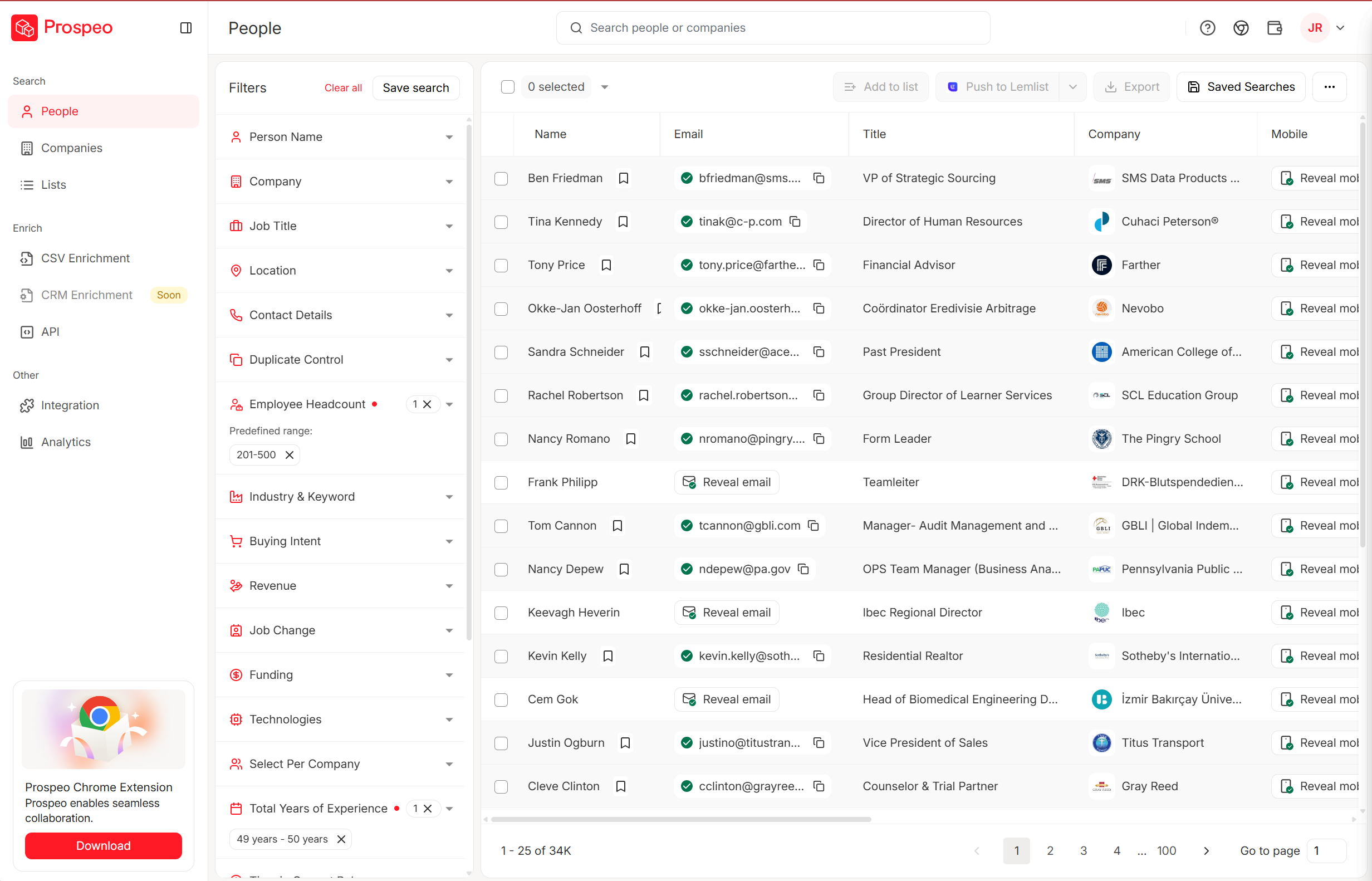

You just read it: 15-25% dead lines aren't a coaching problem - they're a data problem in a coaching costume. Prospeo gives your reps 125M+ verified mobile numbers and 143M+ emails at 98% accuracy, refreshed every 7 days. Clean inputs mean your scorecard actually measures skill, not list rot.
Fix the inputs so your coaching finally moves the needle.
Cold call coaching scorecard (template + scoring rules)
If your feedback sounds like "be more confident" or "that was awkward," you don't have coaching - you've got opinions.
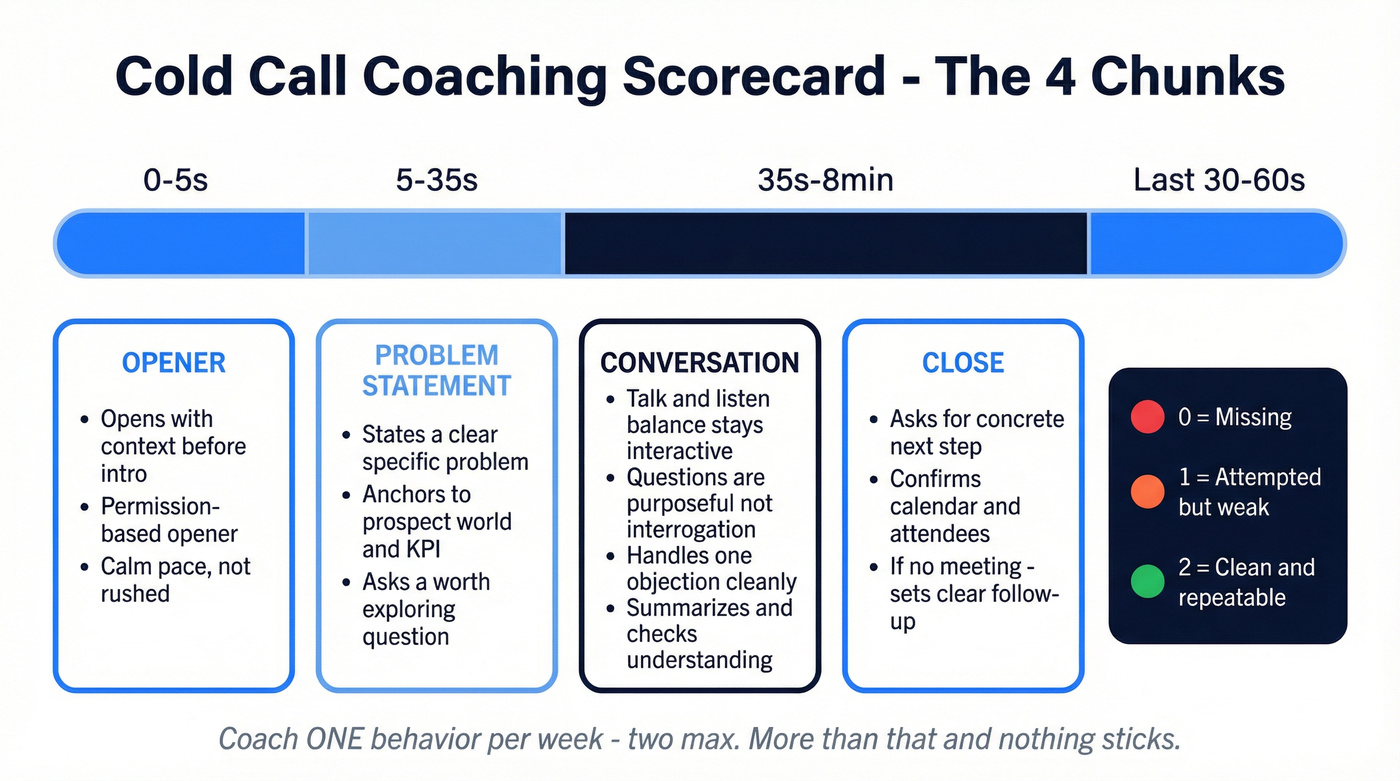
A scorecard fixes that by forcing you to grade observable behaviors. It also makes coaching consistent across managers, which is where most teams quietly fail.
The 4 chunks (time-boxed)
Use these chunks so every call review is apples-to-apples:
- Opener (first 5 seconds)
- Problem statement (next 30 seconds)
- Conversation (next 1-8 minutes)
- Close (final 30-60 seconds)
That timing matters because it tells you where the call died. If you never get past 20 seconds, stop coaching discovery.
Scoring rules (keep it simple)
- Score each behavior 0 / 1 / 2
- 0 = missing
- 1 = attempted but weak
- 2 = clean and repeatable
- Total score isn't the goal. Trend is the goal.
- Coach one behavior per week (two max). More than that and nothing sticks.
Copy/paste scorecard template
Rep: Date: Call link: ICP slice: (role + trigger) Outcome: (no answer / convo / meeting / follow-up)
Opener (5s)
| Behavior | 0 | 1 | 2 | Notes |
|---|---|---|---|---|
| Opens with context (peer/trigger) before intro | ||||
| Uses a permission-based opener (not "bad time?") | ||||
| Tone: calm pace, not rushed |
Problem statement (30s)
| Behavior | 0 | 1 | 2 | Notes |
|---|---|---|---|---|
| States a clear, specific problem (not features) | ||||
| Anchors to the prospect's world (role/KPI) | ||||
| Asks a simple "worth exploring?" question |
Conversation (1-8m)
| Behavior | 0 | 1 | 2 | Notes |
|---|---|---|---|---|
| Talk/listen balance stays interactive | ||||
| Questions are purposeful (not interrogation) | ||||
| Handles 1 objection cleanly (no spiral) | ||||
| Summarizes and checks understanding |
Close (30-60s)
| Behavior | 0 | 1 | 2 | Notes |
|---|---|---|---|---|
| Asks for a concrete next step (time-bound) | ||||
| Confirms calendar + attendees | ||||
| If no meeting: sets a clear follow-up action |
Rep self-review mini-template (1 page, no fluff)
This is the fastest way to make reps coachable: they diagnose themselves before you speak.
Before the review, the rep answers:
- Where did the call die? (0-10s / 10-40s / 40s-2m / after 2m)
- What did I say that earned time? (write the exact line)
- What did I say that lost time? (write the exact line)
- One behavior I want scored hard today: (permission line / problem statement / objection / close)
- My next call block commitment: "On my next 20 dials, I will ___."
How to use the scorecard in a 30-minute coaching slot
- 5 min: rep self-scores first (forces ownership)
- 15 min: manager scores + picks one behavior to fix
- 10 min: role-play that exact moment twice, then rep dials
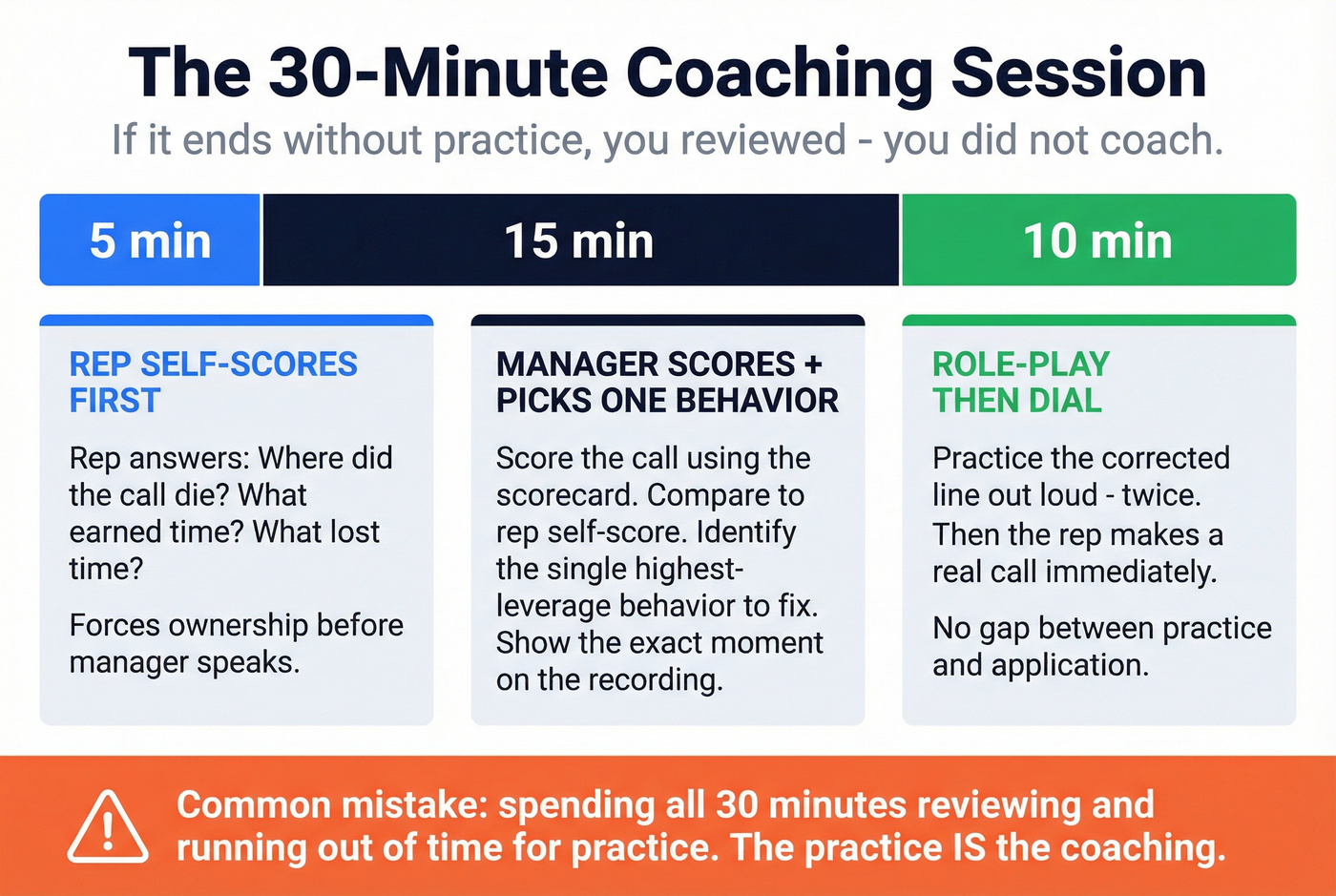
If your coaching session ends without the rep practicing the corrected line out loud, you didn't coach. You reviewed.
Benchmarks to coach toward (so feedback isn't "vibes")
Benchmarks keep you honest. Without them, every manager invents their own standard, and reps learn to ignore feedback.
You need two kinds of benchmarks:
- Cold-call-specific benchmarks (openers, time-to-hangup, 60-second holds)
- Conversation dynamics benchmarks (talk ratio, question discipline) that transfer from sales calls to cold calls
Opener benchmarks (Gong)
Gong's cold call opener analysis across 300M+ calls is brutal in the best way: it shows which openers actually earn meetings.
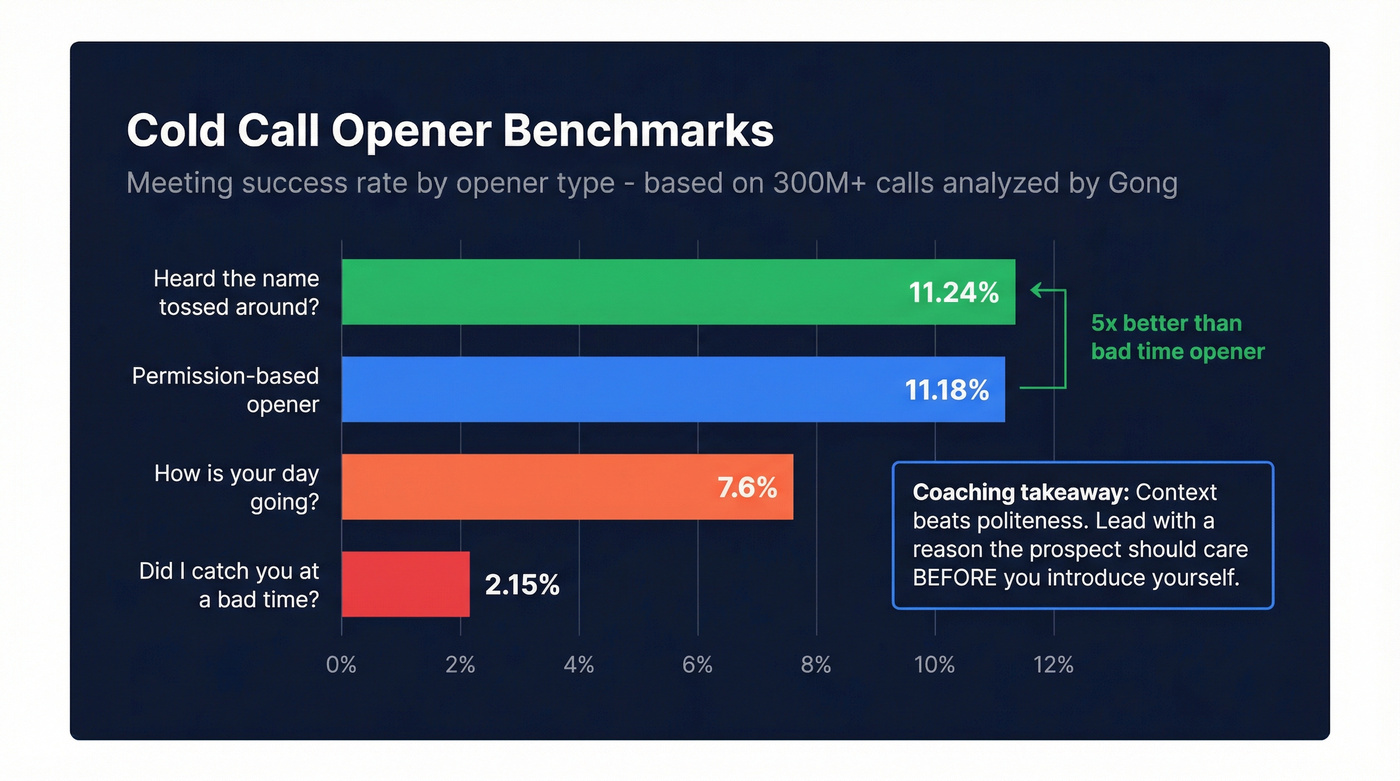
| Opener type | Meeting success |
|---|---|
| "Did I catch you at a bad time?" | 2.15% |
| "How's your day going?" | 7.6% |
| Permission-based opener | 11.18% |
| "Heard the name tossed around?" | 11.24% |
Coaching implication: context beats politeness. The best-performing openers lead with a reason the prospect should care before the rep introduces themselves.
Call-length benchmarks (Chorus) - short is normal, long is earned
Chorus reported (H1 2019 dataset) that the average cold call is 132 seconds.
Chorus also reported that successful cold calls average 7.5 minutes. You're not trying to "make every call long." You're trying to earn the right to have a real conversation.
Coaching implication: your first KPI isn't meetings. It's time earned:
- Can the rep consistently get past 30 seconds?
- Can they get to 132 seconds without sounding scripted?
- Can they get to 7.5 minutes when the prospect's actually a fit?
Conversation benchmarks (Chorus + Gong) - participation beats pitching
Chorus benchmarks (from a large dataset of recorded calls) give you a picture of what "good" sounds like:
| Metric | Benchmark |
|---|---|
| Successful cold calls length | 7.5 min |
| Rep talk time | 44% |
| Prospect questions | 2-3 |
Now layer in a useful "don't over-talk" guardrail from Gong: their analysis of 326K sales calls (10+ minutes) shows talk-time correlates with outcomes - closed-won averages ~57% rep talk vs lost ~62%, and performance drops when reps push past ~65%. That dataset isn't cold-call-only, but the coaching lesson transfers cleanly: if the rep's doing all the talking, the prospect isn't buying in.
The manager's translation: how to coach from 132 seconds -> 7.5 minutes
Coach the first 30 seconds until it's boring. You're not looking for creativity. You're looking for repeatability: context -> permission -> one problem -> one question.
Coach "early participation" by minute 2. By the 2-minute mark, you want the prospect to have said something real (a constraint, a priority, a current tool, a timeline). If they haven't, the rep's monologuing.
Coach one objection loop per week. "Send me an email" is the classic. If you can't break that loop, you'll never reach 7.5 minutes.
Coach the close only after you can reliably earn time.
Hot take: most teams obsess over the perfect meeting ask when they can't even hold attention for 45 seconds. Fix the top of the call first; the close gets easier.
What to coach first: the first 30 seconds (opener + transition)
If you're coaching cold calls and you're not spending most of your time on the first 30 seconds, you're doing it backwards.
Don't (what I'd remove immediately)
"Did I catch you at a bad time?" It converts at 2.15% and hands control to the prospect before you've earned attention.
Long intros "Hi, this is X from Y, we're a leading..." is how you get interrupted.
Feature dumps Features don't create relevance. Context does. (If this shows up a lot, fix feature dumps first.)
Do (what to coach instead)
Context first, intro second Lead with a peer reference, trigger, or pattern you're seeing.
Permission-based transition You're not asking if they're busy. You're asking if the topic's worth 20 seconds. (If you want a deeper breakdown, see a permission-based opener system.)
One problem, one question Not three problems. Not a menu.
Talk track examples (steal these structures)
Option A: Peer context -> permission
"Hey [Name] - calling because I'm talking to a lot of [role] teams in [industry] who are dealing with [specific problem]. Mind if I tell you why I called in 20 seconds?"
Option B: Trigger context -> problem
"Hi [Name] - saw you're [trigger: hiring/growing/new initiative]. Usually that's when [problem] shows up. Curious - are you seeing that, or is it under control?"
Option C: "Heard the name tossed around" style
"Hey [Name] - quick one. I've heard your team's name come up a few times around [initiative/problem]. Are you the right person to ask one question, or is that someone else?"
Coach the rep to deliver it in one breath, then stop talking.
Call review that actually changes behavior (talk ratio, questions, moments)
Most call review is too big. Managers listen to a call, then give 12 notes. Reps nod, nothing changes.
Use a checklist that forces you to pick the one moment that matters.
30-minute call review checklist (per rep)
Prep (manager, 5 minutes)
- Pick two calls: one "typical," one "best attempt"
- Identify one timestamp where the call turned (good or bad)
Review (together, 15 minutes)
- Score the call with the scorecard (rep scores first)
- Check talk/listen quickly:
- cold calls: aim for the rep to be under 60% talk
- Gong's analysis of 326K sales calls (10+ minutes) shows closed-won averages ~57% rep talk vs lost ~62%, and performance drops when reps push past ~65%
- Check question discipline:
- Gong's same dataset shows won deals average ~15-16 questions, while lost deals average ~20
- coaching move: reduce "question stacking" and add summaries ("So it sounds like... did I get that right?")
Coach (10 minutes)
- Pick one behavior to change next week (example: "permission line")
- Role-play the exact moment twice
- Rep commits to using it in the next call block
Manager coaching script (use this verbatim)
Start with the score, not your opinion: "On the scorecard, your opener got a 1 because you led with your intro, not context."
Name the one behavior: "This week we're fixing one thing: the permission transition."
Give the replacement line: "Use: 'Mind if I tell you why I called in 20 seconds?' One breath, then stop."
Practice twice, no discussion: "Run it. Again. Faster."
Commit to a measurable micro-goal: "Next block: 20 dials. Your only goal is to land the permission line cleanly on every connect."
That's it.
Role-play that doesn't feel fake (and doesn't kill activity)
Reps hate role-play when it's vague, performative, and disconnected from real calls. They're not wrong.
The fix is structure: make it short, specific, and immediately applied.
The workshop format (60-75 minutes)
Setup (10-15 minutes prep)
- Everyone gets the same scenario: persona, trigger, and 2 likely objections
- You include verbatim lines you've heard on real calls ("Just send me something")
Triad model (core loop)
- Seller (rep)
- Buyer (another rep playing the persona)
- Observer (scores 1-2 skills only)
Run 3 rounds of 8-10 minutes each:
- 2 minutes: seller sets opener + problem statement
- 3-5 minutes: buyer pushes one objection
- 2 minutes: observer gives feedback using the scorecard language
Rotate roles each round.
Keep the scope tight (1-2 skills)
Pick one:
- permission-based opener delivery
- problem statement clarity
- objection loop breaker ("send me an email")
- next-step ask
If you coach four skills in one session, you'll get zero improvement and maximum cynicism.
Handle the "practice vs dialing" skepticism
Make a rule: every practice session must map to the next call block.
Role-play ends. Reps dial. Managers listen for the one coached behavior.
30-day cold call coaching cadence (manager operating system)
You don't need a big enablement program to get results in a month. You need a cadence that's small enough to run and strict enough to compound.
Time budget (per week)
- Per rep: 30 minutes call review + 10 minutes practice = 40 minutes
- Team: 60-75 minutes role-play workshop
- Manager: 30 minutes prep + 15 minutes manager briefing (optional but powerful)
Weekly dashboard (track this or you're guessing)
Track inputs -> behaviors -> outcomes:
Inputs (data quality)
- % dead lines
- % wrong person
- connect rate (connects / dials)
Behaviors (coaching leading indicators)
- % connects that reach 60 seconds
- % connects that reach 132 seconds
- scorecard trend on the one coached behavior (0/1/2 average)
Outcomes
- conversations (your definition)
- meetings booked
Week-by-week plan
Week 1: Baseline + inputs
- Pull last week's outcomes: dead lines, connects, conversations, meetings
- Pick one ICP slice for the week (role + trigger)
- Start scorecarding 2 calls per rep
- Coach one opener structure (context -> permission)
Week 2: First 30 seconds mastery
- Keep the same ICP slice (don't change variables)
- Run one triad role-play focused only on opener + transition
- Track: % calls that reach 60 seconds and 132 seconds
Week 3: Conversation control
- Coach talk/listen and question sequencing
- Pick one objection to drill ("not interested" or "send me an email") using a real objection handling script
- Build a "best clips" library (3 examples max)
Week 4: Close + next step
- Coach the ask: time-bound next step, clear attendees
- Add a fallback close when they won't book ("Can I send 2 bullets and follow up Thursday?")
- Review trends: scorecard improvements + meeting rate
A quick scenario (what this looks like on a real Tuesday)
One SDR's connect rate looked "fine," but meetings were flat. On two call reviews, the pattern was obvious: she earned 45-60 seconds consistently, then asked five questions back-to-back, got a vague answer, and filled the silence with a pitch. We coached one thing for a week: ask one question, then summarize in one sentence before the next question. Her calls didn't get magically longer overnight, but the number of connects that hit 132 seconds jumped fast, and meetings followed the week after.
That's the loop working.
Tools that support coaching (dialer vs CI vs real-time)
Tools don't create coaching. They reduce friction.
Hot take: if your average deal size is small and your team is under 10 reps, you probably don't need a $20k/year CI platform yet. You need a scorecard, a weekly cadence, and clean inputs. (If you're building a lean stack, use a B2B sales stack rubric.)
Quick comparison table (what to buy and when)
| Tool/category | Best for | Key coaching feature | Price |
|---|---|---|---|
| Dialpad (dialer/phone) | Calling + basics | Recording + transcripts | $15-$25/user/month |
| Trellus (real-time) | In-call prompts | Live cues + battlecards | $34.99-$59.99/month |
| Gong (CI) | Coaching library | Search + playlists | ~$20k+/year |
| Revenue.io Moments (real-time) | CRM-tied prompts | Live guidance + QA | $75-$200/user/month |
| Balto (real-time) | Strict in-call guidance | Script adherence + QA | $75-$200/user/month |
| Salesken (real-time + coaching) | Playbooks + insights | Cues + post-call coaching | $75-$200/user/month |
| Cogito (behavior signals) | Delivery coaching at scale | Voice/conversation signals | $75-$200/user/month |

Dialpad (dialer + AI assist)
Best for: teams that need a phone system with recording/transcripts and light coaching support. What it changes: makes weekly call review frictionless because calls are easy to find, replay, and clip. Pricing anchor: Dialpad Connect is $15/user/month (Standard) and $25/user/month (Pro). Gotcha: buy it for calling first, then upgrade if your managers actually run weekly reviews.
Gong (conversation intelligence)
Best for: teams that will build a real coaching library and run weekly reviews across multiple managers. What it changes: turns "best calls" into searchable playlists and makes coaching consistent across managers, which is a bigger deal than most teams realize because inconsistency is what makes reps roll their eyes at feedback. Pricing anchor: a common starting point for small teams is ~$20k+/year on an annual contract. Gotcha: Gong doesn't fix coaching. It exposes whether you're coaching.
Trellus (real-time prompts + dialer)
Best for: newer reps who freeze mid-call and need guardrails. What it changes: puts objection handling and reminders in front of reps during the call, which speeds up ramp time when you keep the prompts tight and aligned to the one behavior you're coaching that week. Pricing anchor: POWER is $59.99/month list price and pricing pages often show discounts (commonly around $34.99/month). Gotcha: keep prompts to 1-2 coached behaviors, or reps start reading instead of listening.
Revenue.io Moments, Balto, Salesken, Cogito (enterprise range)
These are worth a look when you're running a bigger team, you're serious about real-time guidance, and you've got RevOps support to keep playbooks and CRM context clean. Expect $75-$200/user/month depending on bundle, minimums, and implementation.
When to hire outside coaching (and what to demand)
Outside coaching can be a cheat code or a waste of money, depending on whether you demand an operating system, not a pep talk.
When it's worth it
- You've got new managers who've never coached phone behaviors
- You're changing your outbound motion (new ICP, new offer, new segment)
- You need accountability and structure more than "tips"
What to demand (vendor evaluation checklist)
- A scorecard you can keep using after they leave
- A weekly call review cadence with manager participation
- Role-play structure (triads, 1-2 skills, 10-15 min prep)
- A way to measure improvement beyond meetings (connect -> 60s -> 132s -> meeting)
- An accountability mechanism: homework + call clips, so it doesn't turn into a one-time content dump
Pricing ranges (realistic anchors)
- Team coaching engagements often land around $5k-$25k+ depending on duration, live sessions, and customization.
- Outbound Squad is a common example in outbound enablement; one testimonial reports 135% growth in cold call meetings booked after training.
- Cold Call Coach sells the "Cold Calling for Success" training system for $350 covering 8 hours (4x2-hour sessions).
FAQ
What's the difference between cold call coaching and cold call training?
Cold call training is a one-time transfer of concepts and talk tracks, while cold call coaching is a weekly loop of call review, scoring, and practice that changes behavior over time. For most teams, coaching means 2 calls reviewed per rep per week plus one role-play session, tracked with a 0/1/2 scorecard.
How many calls should a manager review per rep each week?
Two calls per rep per week is enough if you score behaviors and practice one correction immediately, which usually fits into 20-30 minutes. Once you review 8-10 calls, you get more notes but less behavior change because reps can't apply that many fixes in the next call block.
What should be on a cold call coaching scorecard?
A useful scorecard grades observable behaviors across four chunks: opener (5s), problem statement (30s), conversation (1-8m), and close (30-60s). Keep 10-12 behaviors total, score each 0/1/2, and coach only 1 behavior per week so the trend actually moves.
What's a good free tool for building cleaner call lists before coaching?
Prospeo's free tier includes 75 emails + 100 Chrome extension credits per month, which is enough to build a small verified list for a coaching sprint. If you need direct dials, use Prospeo's Mobile Finder (pay only when a number's found) and track dead lines as a KPI - aim to keep them under 10-15%.
Your 30-day coaching framework needs 200 verified dials per rep per week on a tight ICP slice. Prospeo's 30+ filters - role, seniority, headcount growth, intent data, technographics - let you build that list in minutes, not days. At $0.01/email, bad data stops being the excuse.
Give your reps real at-bats instead of dead lines.
If you only remember one thing: cold call coaching is inputs -> behaviors -> outcomes.
Start small so it actually happens. Pick one opener, use one scorecard, and run one weekly review per rep for 30 days. Once behaviors improve on a clean list, outcomes follow, and you'll finally know what's working instead of guessing.